
Quick Answer: Which Material is Best for Your Altar?
Setting up a home altar is a deeply personal practice, and selecting the right chinese praying cup is a decision that balances ritual etiquette, practical maintenance, and household safety. There is no single “best” material; the ideal choice depends on your daily routine, household environment, and aesthetic preferences.
If your priority is longevity and an heirloom-quality setup, brass is highly durable though it requires regular polishing to maintain its shine. For those seeking an easy-to-clean, heat-safe option that handles boiling tea without issue, ceramic offers an excellent, balanced choice. Meanwhile, glass suits modern, minimalist altars beautifully but demands careful handling to avoid thermal shock. This guide compares these three common materials specifically for daily or festive use on a Chinese altar to help you choose the perfect fit for your daily offerings.
Durability and Heat Resistance: How They Handle Daily Use
When evaluating materials for your altar, physical resilience and thermal safety are paramount. Praying cups are subjected to daily handling, frequent washing, and exposure to hot liquids like freshly brewed tea or boiling water. In a busy household, the physical environment of the altar can also present unexpected hazards, such as accidental bumps during cleaning, curious pets, or young children reaching near the shrine. Understanding how brass, ceramic, and glass respond to these daily physical demands will ensure your altar remains a safe, respectful, and hazard-free space.
Products mentioned in this guide

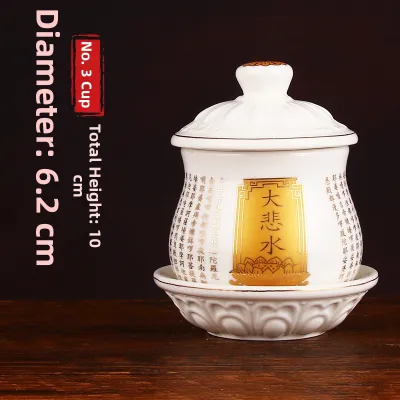
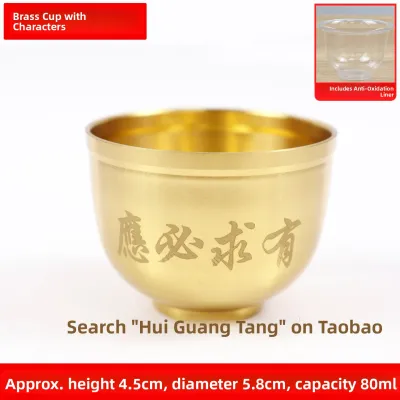
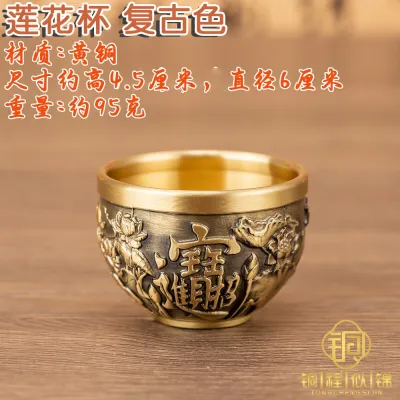
Prices are valid at publication and may change. Please refer to the product page for the latest price.

Brass: Impact-Resistant but Prone to Tarnish
Brass is renowned for its exceptional physical durability, making it virtually unbreakable under normal household conditions. If a brass cup is accidentally knocked off a high altar shelf or dropped onto a hard floor, it will not shatter, crack, or chip. This high impact resistance makes it an incredibly safe and practical choice for busy homes, multi-generational households, or spaces with pets.
Additionally, brass has excellent thermal properties; it can safely hold boiling water or hot tea without any risk of cracking from sudden temperature changes. However, brass is highly reactive to its environment. Over time, exposure to oxygen, moisture, and the natural oils from your hands will cause the metal to oxidize, developing a dark patina or tarnish. In Singapore’s humid climate, this oxidation process happens even faster, meaning that while the cup remains structurally sound, its golden surface will gradually lose its luster without active care.
Ceramic: Heat-Safe but Vulnerable to Drops
High-fired ceramic represents a highly reliable middle ground when it comes to thermal performance and durability. Ceramic cups are excellent at retaining heat, allowing you to offer hot tea or water safely without the material degrading or cracking from thermal shock. The glazed surface of quality ceramic acts as a protective barrier, preventing liquids from seeping into the clay body and ensuring the cup remains hygienic over years of use.
Despite these thermal advantages, ceramic remains a brittle material. If a ceramic cup is dropped or accidentally struck against a hard surface—such as a granite or marble altar countertop—it is highly susceptible to chipping, cracking, or shattering completely. This makes ceramic less ideal for high-traffic areas or altars that are frequently moved, though it remains highly stable when kept in a dedicated, quiet space.
Glass: Elegant but Sensitive to Thermal Shock
Glass praying cups offer a clean, luminous aesthetic, but they require the highest level of caution regarding physical impact and temperature changes. While thick or tempered glass can withstand minor bumps, standard glass cups are fragile and will easily shatter into sharp, hazardous shards if dropped onto a hard floor.
More importantly, glass is highly sensitive to thermal shock. When cold glass is suddenly exposed to boiling water, the rapid, uneven expansion of the material can cause it to crack or explode instantly. To use glass safely on your altar, you must establish a careful routine: never pour boiling water directly into a cold glass cup. Instead, allow the water or tea to cool slightly first, or warm the glass gradually by rinsing it with warm water before filling it with a hot offering.
Maintenance and Cleaning: Keeping Your Cups Pristine
Maintaining the cleanliness of your praying cups is not just a matter of hygiene; it is also a fundamental sign of respect in traditional altar care. Over time, daily offerings of water, tea, or wine can leave residue, while airborne dust and soot from incense burners can settle on the cups. Each material demands a different level of maintenance to keep it looking pristine and worthy of its sacred purpose on your shrine.
Polishing Brass to Prevent Patina
To keep brass cups looking bright and golden, you must commit to a regular polishing routine. Because brass naturally tarnishes when exposed to air and moisture, neglecting it will result in a dull, greenish-brown coating.
To clean and restore its luster, you can use a soft microfiber cloth paired with a specialized, mild brass polish. If you prefer natural alternatives, a homemade paste of lemon juice and baking soda or salt can gently dissolve the tarnish. It is crucial to rinse the cups thoroughly after polishing and dry them immediately with a clean towel. Leaving even small droplets of water on the brass will accelerate the oxidation process and leave unsightly water spots, undoing your hard work.
Removing Tea Stains from Ceramic
Glazed ceramic is exceptionally user-friendly and requires very little effort to keep clean. For daily maintenance, a simple wash with mild dish soap and a soft sponge is all that is needed to remove dust and residue.
However, if you regularly offer dark tea, tannins can gradually build up on the inside of the cup, leaving stubborn brown stains that standard dish soap cannot remove. To lift these stains without damaging the protective glaze, avoid using abrasive steel wool or harsh scrubbing pads, which can scratch the ceramic. Instead, soak the cups in a solution of warm water and baking soda for about fifteen minutes, then gently wipe the stains away with a soft cloth.
Preventing Water Spots on Glass
Glass cups require frequent, attentive cleaning because their transparent nature highlights every single imperfection. Fingerprints, dust, water spots, and mineral deposits from tap water will show up clearly, detracting from the pristine look of your altar.
To maintain their crystal-clear transparency, wash glass cups with mild soap and dry them immediately with a lint-free microfiber cloth. If your household water has a high mineral content, you may notice a cloudy white film developing over time. This hard water buildup can be easily dissolved by rinsing or soaking the glass cups in a diluted solution of white vinegar and warm water, restoring their original clarity.
Traditional Aesthetics: Matching Your Chinese Praying Cup to Your Altar's Style
Your choice of material should harmonize with the overall visual theme and spiritual atmosphere of your home altar. The items on your shrine—including the incense burner, candle holders, and fruit plates—work together to create a unified space for reflection and devotion.
Brass cups carry a deep historical association with formal, traditional, and ancestral altars. Their heavy weight and brilliant golden hue convey a sense of permanence, solemnity, and deep respect. They pair exceptionally well with matching brass incense burners and metal candle holders, creating a cohesive, classic look that is highly favored for ancestral worship and traditional Taoist shrines.
Ceramic cups offer incredible versatility, making them suitable for a wide range of altar styles. Plain white or soft celadon ceramic cups present a pure, serene, and tranquil appearance that is highly appropriate for Buddhist altars, such as those dedicated to Guan Yin (the Goddess of Mercy). Alternatively, ceramics adorned with intricate traditional patterns, such as blue and white porcelain or auspicious red and gold motifs, bring a vibrant yet classic feel to traditional deity shrines.
Glass cups represent a modern, contemporary approach to altar design. Their transparent, light-reflecting qualities keep the visual space open, making them an excellent match for compact, wall-mounted, or minimalist altars commonly found in modern apartments. While some older family members may feel that glass lacks the “grounded” weight of traditional brass or ceramic, its clean and unobtrusive look appeals greatly to younger practitioners who prefer a clutter-free environment.
Material Comparison at a Glance
To help you quickly evaluate your options, the table below summarizes how brass, ceramic, and glass compare across key decision factors, including physical durability, heat tolerance, maintenance needs, and their ideal visual settings.
| Material | Impact Durability | Heat Resistance | Maintenance Effort | Best Altar Style |
|---|---|---|---|---|
| Brass | Exceptionally High (Unbreakable) | High (Safe for boiling liquids) | High (Requires regular polishing) | Traditional, Ancestral, Formal |
| Ceramic | Moderate (Brittle, can chip or shatter) | High (Excellent thermal retention) | Low (Easy soap-and-water wash) | Versatile, Buddhist, Classic Deity |
| Glass | Low (Fragile, shatters easily) | Moderate (Sensitive to thermal shock) | Moderate (Prone to water spots) | Modern, Minimalist, Compact |
How to Decide: Final Recommendations for Your Setup
Making the final decision comes down to assessing your household dynamics, the physical location of your altar, and who will be handling the daily offerings.
- Choose Brass if: You want a lifelong, heirloom-quality set that will never need replacing, you are pairing them with existing metal altar ware, and you are willing to spend a few minutes every few weeks polishing the metal to maintain its brilliant shine.
- Choose Ceramic if: You want a low-maintenance, highly practical option that easily handles hot tea, offers a classic look, and sits on a stable, low-traffic altar where the risk of accidental drops is minimal.
- Choose Glass if: Your altar features a sleek, modern design, you prefer offering room-temperature water rather than boiling tea, and you appreciate a clean, transparent aesthetic that keeps your shrine looking light and spacious.
Before purchasing, you should verify a few practical conditions. If you are buying these cups for an elderly family member, prioritize lightweight ceramic or unbreakable brass, as fragile glass can pose a safety risk if dropped. Additionally, if your home is located in a high-humidity environment, keep in mind that brass will tarnish much faster than usual, making ceramic or glass a more practical choice if you wish to minimize cleaning chores. Ultimately, while the material of your chinese praying cup contributes to the beauty of your altar, the most essential element of any offering is the sincerity and respect you bring to the practice.
Frequently Asked Questions (FAQ)
Is it acceptable to mix cup materials on one altar?
While using a matching set of cups is the standard practice for creating a neat, harmonious, and respectful appearance, mixing materials is not strictly forbidden. If you do choose to mix materials, it should be done intentionally rather than randomly. For instance, you might use a set of brass cups specifically for offering tea and a separate set of ceramic cups for water. This intentional division maintains a sense of order and purpose. However, you should avoid using chipped, cracked, or mismatched everyday household mugs as substitutes, as this can detract from the solemnity and respect of your shrine.
How often should the water or tea be replaced?
According to traditional practice, water or tea offerings should be replaced with fresh liquids daily, typically in the morning as part of your early routine. This daily act of renewal symbolizes starting the day with fresh intentions and respect. If your schedule or lifestyle makes daily replacement difficult, a common and acceptable alternative is to refresh the offerings on the first and fifteenth days of the lunar month, or during specific deity birthdays and major festive occasions. Regardless of the frequency you choose, you should always clear away stale, dusty, or evaporated offerings promptly to keep your altar clean and respectful.
Community discussion
Share your experience or ask a question. Comments are reviewed before publication.