
Quick Answer: Which Diya Material Fits Your Altar?
Lighting a diya is a sacred ritual that brings warmth, focus, and spiritual clarity to your prayer altar. When deciding between brass, copper, and silver, there is no single “best” material. The ideal choice depends on how you balance traditional significance, your willingness to perform regular maintenance, and your budget.
To help you make an immediate decision, consider this straightforward framework based on your primary priorities:
- Choose Brass if: You want a highly durable, structurally resilient, and cost-effective option for daily use. Brass withstands frequent handling, resists dents, and is the most practical choice for a busy household altar.
- Choose Copper if: You prioritize traditional purifying properties, a warm, rustic aesthetic, and do not mind dedicating time to regular, meticulous polishing to prevent rapid oxidation.
- Choose Silver if: You are looking for a premium, highly auspicious metal for special festive occasions or a pristine, modern altar setup. You must be willing to handle it with extra care due to its structural softness and exceptionally high heat conductivity.
While aesthetics and tradition play major roles in this choice, practical factors like thermal conductivity and safety vary significantly among these metals. Silver and copper heat up very rapidly when lit, whereas brass offers a much safer, slower rate of heat transfer. Understanding these material characteristics will ensure your daily rituals remain both spiritually fulfilling and physically safe.
Products mentioned in this guide
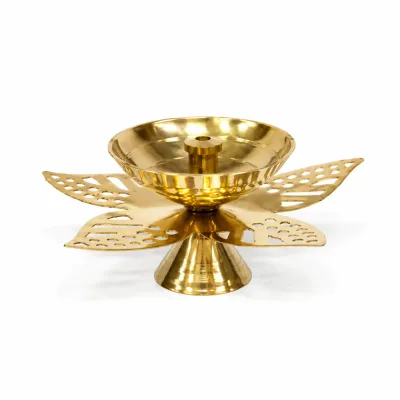
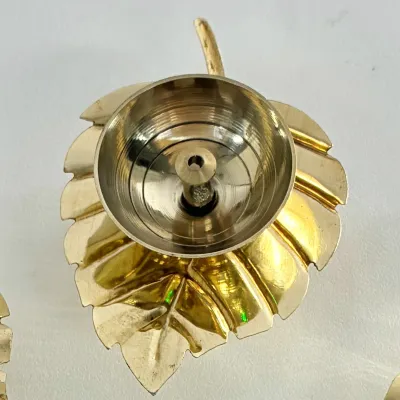
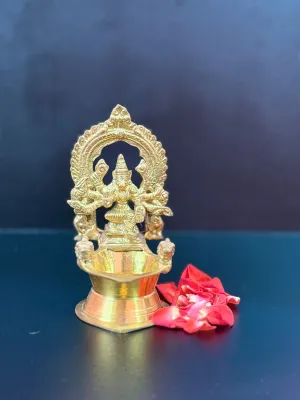
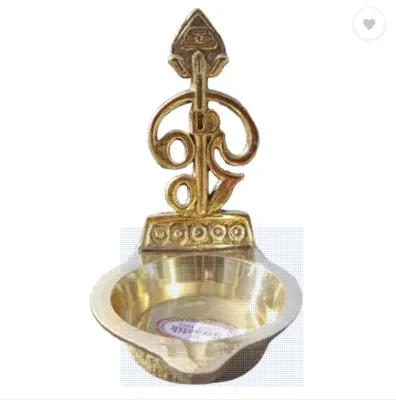
![Partyforte Deepavali 9 PCS Red Clay Diya (5 CM) [LOCAL SELLER FAST DELIVERY!] Great for Diwali and Prayers!](https://img.lazcdn.com/g/p/61badae45e509f7c4bf171dd2af536d0.jpg_400x400q80.jpg_.webp)
Prices are valid at publication and may change. Please refer to the product page for the latest price.
Spiritual Significance: Brass, Copper, and Silver in Prayer
Every metal used in sacred rituals carries deep cultural and historical resonance. In traditional home altars, the choice of material is often guided by ancient texts and family customs passed down through generations.

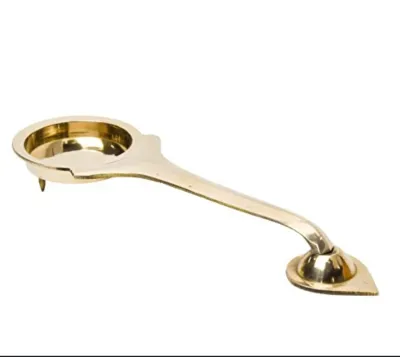
Brass, known traditionally as Pital, is an alloy of copper and zinc that has served as the cornerstone of temple and home rituals for centuries. Culturally, its bright golden luster is associated with divine light, abundance, and positive energy. Because brass is highly durable and can be cast into heavy, intricate shapes, it has historically been the standard material for large temple lamps and household prayer vessels. Furthermore, brass is celebrated for its acoustic resonance; when cast into bells or heavy hanging lamps, the sound it produces is believed to clear negative energies and focus the mind during prayer.
Copper, or Tamba, is a pure metal that holds a highly revered position in Vedic traditions. It is spiritually associated with solar energy, representing warmth, vitality, and purification. In Ayurvedic philosophy, copper is celebrated for its natural purifying properties, which are believed to extend to the spiritual environment. Lighting a copper diya is traditionally thought to channel active, positive energy into the living space, making it a popular choice for rituals focused on health, well-being, and spiritual cleansing.
Silver, known as Chandi, represents lunar energy, bringing a sense of calm, peace, and cooling energy to the prayer space. It is widely regarded as a symbol of absolute purity, refinement, and spiritual wealth, making it closely associated with deities of prosperity like Goddess Lakshmi. A silver diya is considered highly auspicious and is often reserved for major festivals, family weddings, or milestone prayers where devotees wish to make a premium, deeply respectful offering to the divine.
While these spiritual attributes offer a beautiful way to connect with tradition, it is important to view them as cultural and traditional beliefs rather than scientifically guaranteed outcomes. Different communities and families hold unique practices, and no single metal is spiritually superior to another. Ultimately, your personal devotion, pure intention, and the mindful act of lighting the flame are the most sacred elements of any prayer ritual.
Durability and Maintenance: Managing Tarnish and Ghee Residue
Beyond spiritual symbolism, the practical upkeep of your diya is a crucial factor in maintaining a clean and beautiful altar. Ghee, vegetable oils, and environmental factors affect each metal differently over time.
Brass is exceptionally durable and structurally resilient. It easily resists dents, scratches, and warping, making it highly forgiving of accidental drops or frequent handling. However, brass naturally reacts with oxygen, moisture, and the organic acids present in ghee or oil. Over time, this reaction creates a dark patina or tarnish. For daily maintenance, washing the brass diya with mild dish soap and warm water is usually sufficient. To restore its bright golden shine, you can use natural, low-risk acidic cleaners such as a paste of lemon juice and salt, or traditional tamarind pulp. Always check the manufacturer’s care instructions before applying any cleaning mixtures to ensure you do not damage specialized finishes.
Copper is highly reactive to its environment and oxidizes much faster than brass. In humid climates, copper will quickly develop a dark, dull patina or even a green crust known as verdigris if moisture is left on its surface. This means copper requires a committed maintenance routine. After washing, a copper diya must be dried immediately and completely with a soft, clean cloth. To preserve its warm, reddish-gold glow, you will need to polish it regularly using dedicated copper cleaners or a gentle homemade paste of vinegar and salt, followed by a thorough rinse and dry.
Silver does not rust, but it is a very soft, malleable precious metal. It is highly susceptible to surface scratches, scuffs, and structural warping if handled roughly or scrubbed with abrasive materials. Silver also tarnishes and turns black when exposed to sulfur compounds in the air. To maintain a silver diya, you must use a gentle touch. Clean it only with specialized, non-abrasive silver polishing cloths or extremely mild, non-detergent soaps. Avoid any harsh scrubbing pads that could permanently dull or scratch its reflective surface.
Regardless of the metal you choose, managing ghee and oil residue is essential for hygiene and safety. When left in the reservoir, residual ghee can become sticky, gummy, and rancid. This sticky buildup can clog the wick holder, lead to uneven burning, and create unpleasant odors during subsequent uses. To prevent this, make it a rule to clean your diya promptly after the oil burns out and ensure it is completely dry before relighting. This simple habit keeps the metal pristine and prevents the wick from slipping or sputtering.
Heat Conductivity and Safety: Handling Hot Diyas Safely
Operating an open flame on a home altar requires a thorough understanding of fire safety and the thermal properties of different metals. How a metal conducts heat directly impacts how safely you can handle it during rituals.
Thermal conductivity refers to how quickly heat travels through a material. Silver has the highest thermal conductivity of any metal, meaning it absorbs and transfers heat almost instantaneously. Copper is also an exceptionally fast heat conductor. Brass, as an alloy of copper and zinc, has a significantly lower thermal conductivity, meaning heat travels through it at a much slower rate.
These physical properties create distinct handling risks. Within minutes of lighting, a silver or copper diya can become extremely hot to the touch, extending from the reservoir all the way to the base or handle. Attempting to move or adjust a lit silver or copper diya barehanded can easily result in painful burns. Brass diyas, on the other hand, distribute heat more gradually. The base and outer rims of a brass diya generally stay cooler for a longer period, making them much safer and more practical for daily rituals where the lamp might need to be lifted or held.
To ensure a safe prayer environment, always observe these essential safety protocols:
- Use a Heat-Resistant Barrier: Always place your diya on a sturdy, heat-resistant coaster, a brass plate, or a dedicated metal stand. This protects delicate wooden or marble altar surfaces from heat damage and catches any accidental oil or ghee spills.
- Never Move a Lit Diya: Avoid moving a diya while the flame is active. If repositioning is absolutely necessary, extinguish the flame first, or use a dry, heat-resistant cloth or specialized metal tongs, exercising extreme caution with highly conductive silver and copper.
- Ensure Stable Placement: Position the diya on a flat, stable surface where it cannot wobble or be easily knocked over. Keep it well away from drafts, open windows, air conditioning vents, and flammable items such as paper decorations, incense holders, curtains, or hanging garlands.
- Supervise the Flame: Never leave an open flame unattended on your altar. Ensure a fire-extinguishing medium or a damp cloth is nearby, and extinguish the flame safely if you must leave the room.
Proper wick and oil management are also vital. The material of the diya does not change the physical requirements of fire safety. Always use a wick that fits the size of the diya’s wick holder. A wick that is too thick will produce an excessively large, unstable flame and heavy soot, while overfilling the reservoir with oil or ghee can lead to dangerous overflows and flare-ups.
Aesthetics and Altar Styling: Matching Your Decor
The visual character of your diya should harmonize with the overall design, colors, and lighting of your prayer space, creating a serene environment for contemplation.
Brass offers a classic, warm golden-yellow hue that reflects the light of the flame beautifully, creating a soft, inviting glow. It blends seamlessly with traditional wooden altars—such as those made of teak, mahogany, or rosewood—and pairs naturally with rich, warm-colored fabrics like crimson, saffron, and gold. It is the perfect fit for a classic, temple-style home altar.
Copper provides a deep, earthy, reddish-brown tone that adds a rustic and grounded visual weight to the altar. It pairs exceptionally well with natural elements like stone, clay, or dark, unpolished wood, offering an understated and ancient aesthetic that feels deeply connected to nature.
Silver presents a bright, cool, and highly reflective surface that catches and multiplies the flicker of the flame sharply. It delivers a pristine, sparkling look that suits modern, minimalist, or highly ornate contemporary altar setups, particularly those made of white marble or glass, where it serves as a striking visual centerpiece.
You do not have to limit your altar to a single metal. Mixing metals can create a beautiful, visually balanced aesthetic. For instance, you might use durable brass diyas for daily prayers on the sides of the altar, and place a beautifully crafted silver diya in the center as a focal point during major festivals or family gatherings. This creates a layered, harmonious design that respects both daily practicality and festive elegance.
Sourcing and Value: What to Verify Before You Buy
Investing in a quality diya ensures it will remain a beautiful part of your home rituals for years to come. When shopping at religious decor stores or online marketplaces, keep these verification checks in mind to ensure you get genuine value.
First, verify whether the diya is made of solid metal or if it is a base metal with a thin plating. Plated diyas (such as silver-plated brass or copper-plated steel) are highly affordable but have a limited lifespan. The thin outer plating will eventually wear away under the intense heat of the flame and repeated polishing, exposing the darker base metal underneath. Solid metal diyas, while more expensive initially, offer lifelong durability and can be polished indefinitely without losing their original character.
Second, evaluate the weight and thickness of the diya. Heavier, thicker-walled diyas are generally more stable, less prone to warping under high heat, and indicate superior craftsmanship. A heavy base also lowers the center of gravity, making the diya physically safer because it is much harder to tip over accidentally.
Third, look for purity hallmarks when buying silver. Genuine silver diyas should be stamped on the underside with standard purity marks, such as “925” for sterling silver. To ensure authenticity, purchase precious metal items from reputable, established jewelers or trusted religious decor specialists in Singapore.
Finally, perform a quick craftsmanship check. Run your fingers along the interior of the oil reservoir to ensure it is perfectly smooth. Rough surfaces, pits, or casting defects will trap oil, ghee, and soot, making the cleaning process incredibly difficult. Additionally, place the diya on a flat surface and check the base to ensure it sits perfectly level without any wobble.
Frequently Asked Questions (FAQ)
Can I use a silver diya for daily lighting, or is it only for festivals?
While a silver diya is highly auspicious and can certainly be used for daily prayers, it is generally less practical for everyday use than brass. Silver is a very soft metal that scratches easily, tarnishes quickly when exposed to heat and air, and conducts heat so rapidly that it becomes too hot to handle safely. Because of these characteristics, many households prefer to use durable brass diyas for their daily rituals and reserve their silver diyas for major festivals, special family prayers, or keep them as unlit, decorative centerpieces on the altar.
How do I safely clean a heavily tarnished brass or copper diya without scratching it?
To safely clean heavy tarnish without scratching the metal, avoid using harsh steel wool or abrasive chemical cleaners. Instead, create a gentle, natural paste using lemon juice and baking soda, or use traditional tamarind pulp mixed with a pinch of salt. Apply the paste to the tarnished areas using a soft sponge or a microfiber cloth, rubbing gently along the contours of the metal. Once the tarnish lifts, rinse the diya thoroughly with warm water to remove all acidic residues, and dry it immediately and completely with a clean towel to prevent water spots or rapid re-oxidation.
Community discussion
Share your experience or ask a question. Comments are reviewed before publication.