
Choosing the right pooja manai—the sacred low pedestal or stool used to elevate deities, pictures, and lamps—depends primarily on your daily worship rituals, maintenance preferences, and home environment. Solid brass offers timeless, traditional elegance, exceptional heat resistance, and a lifetime of durability, but it demands regular polishing to prevent tarnishing. Conversely, wood brings a warm, organic, and grounding aesthetic to your home altar, offering a lighter weight that is easy to reposition, though it requires protection from moisture, oil spills, and direct heat. Ultimately, there is no single superior material; the right choice aligns with your specific worship habits and living environment.
For households that perform daily liquid offerings or burn oil lamps directly on the surface, brass is the more practical and resilient choice. If your altar setup is dry, minimalist, or frequently rearranged, a high-quality wooden manai will serve your space beautifully while requiring less strenuous upkeep. By evaluating how each material handles humidity, heat, and cleaning, you can select a pedestal that preserves both the sanctity and the safety of your prayer space.
Key Factors to Consider Before Buying
Before purchasing a pooja manai, it is essential to evaluate how the piece will interact with your daily spiritual routines and your living space. Consider the nature of your daily offerings first. Rituals that include abishegam, the ritual bathing of deities, involve significant exposure to water, milk, honey, and other liquids. These liquids can quickly seep into untreated or poorly sealed wood, leading to swelling, mold growth, or deep staining, whereas brass remains completely unaffected by moisture, provided it is dried after use.
Products mentioned in this guide
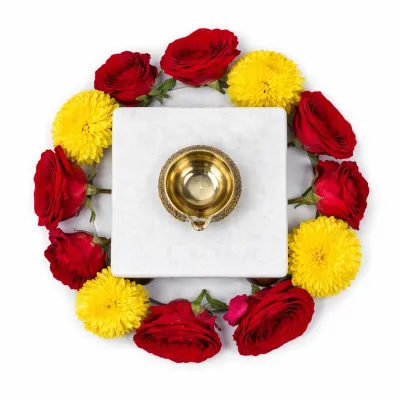
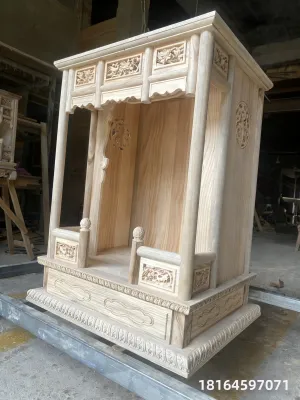
Prices are valid at publication and may change. Please refer to the product page for the latest price.
Another critical factor is the style and layout of your home altar. In modern Singaporean apartments, such as HDB flats or condominiums, space is often at a premium. The altar must blend seamlessly with your existing interior decor, whether you favor a contemporary, clean-lined aesthetic or a deeply traditional, ornate look. A wooden manai can easily match modern wooden cabinetry and neutral tones, while a polished brass manai acts as a striking, reflective focal point that draws the eye and enhances the spiritual atmosphere.
Finally, the local tropical climate plays a major role in material longevity. Singapore experiences consistently high relative humidity, often exceeding 80 percent, alongside temperature fluctuations between air-conditioned interiors and naturally ventilated spaces. This humid environment accelerates the oxidation of brass, causing it to tarnish faster than it would in drier climates. For wood, the constant moisture in the air poses a risk of warping, cracking, or attracting wood-boring pests if the material has not been properly kiln-dried and sealed. Understanding these environmental challenges ensures you select a material that will endure for generations.
Detailed Comparison: Brass vs Wood for Daily Worship
Durability and Climate Resistance
Brass is an alloy of copper and zinc, renowned for its exceptional strength and resistance to structural degradation. In a humid tropical climate, brass will not warp, crack, or rot, making it an incredibly stable choice for a permanent home altar. While it does not suffer from structural decay, brass is highly reactive to oxygen and moisture, which leads to the gradual development of a dark patina or tarnish. This oxidation is entirely superficial and does not compromise the metal’s integrity; in fact, some practitioners prefer the antique look of aged brass.

Wood, as an organic material, is highly sensitive to its surrounding environment. In Singapore’s humid conditions, wood naturally absorbs and releases moisture, which can cause the fibers to expand and contract. Over time, this movement can lead to warping, joint separation, or hairline cracks, particularly in softer or poorly seasoned woods. Furthermore, damp wood is susceptible to mold, mildew, and termite infestations. To mitigate these risks, wooden pooja manais must be crafted from high-quality hardwoods—such as teak, sheesham (Indian rosewood), or mango wood—that have been thoroughly kiln-dried and treated with moisture-resistant sealants or lacquers.
Maintenance and Cleaning Routines
Maintaining the brilliant, golden gleam of a brass pooja manai requires a dedicated cleaning routine. Because oil from diyas, soot from incense, and fingerprints leave residues that accelerate tarnishing, brass must be polished regularly. Traditional cleaning methods involve using natural, mild acids such as tamarind pulp, lemon juice mixed with baking soda, or specialized commercial metal polishes. These substances break down the tarnish, allowing you to buff the metal back to a high shine. However, this process can be physically demanding and time-consuming, especially for highly ornate designs with intricate carvings where residue can easily accumulate.
Wooden pooja manais require a gentler, less abrasive cleaning approach. Daily maintenance typically involves simple dry dusting with a soft microfiber cloth to remove dust and incense ash. Water should be used very sparingly; a slightly damp cloth can be used to wipe away minor spots, but the surface must be dried immediately afterward to prevent water marks or wood swelling. To preserve the wood’s natural luster and prevent it from drying out or cracking, it is beneficial to occasionally apply a thin coat of high-quality wood oil, natural beeswax, or a specialized wood conditioner. Abrasive chemical cleaners or rough scrubbing pads must be avoided entirely, as they can strip away the protective lacquer or scratch the wood grain.
Aesthetic, Weight, and Space Considerations
Visually, brass and wood offer completely distinct sensory experiences. Brass possesses a bright, reflective, and majestic quality that mirrors the warm glow of altar lamps, creating a luminous and spiritually uplifting ambiance. It carries a substantial physical weight, which provides excellent stability on the altar table. This weight ensures that the manai will not slip or tip over easily, even when supporting heavy brass idols or tall lamps. However, this heft also means that a large brass manai is less portable and is best suited for a permanent, dedicated placement where it will not need to be moved frequently.
Wood, on the other hand, exudes a warm, earthy, and serene aesthetic that brings a sense of natural tranquility to the prayer space. The unique grain patterns of hardwoods like teak or sheesham add character and depth, allowing the manai to double as a beautiful piece of artisanal furniture. Because wood is significantly lighter than solid brass, a wooden manai is highly portable. This makes it incredibly easy to lift and move during routine cleaning of the altar area, or when rearranging your home layout. It is an ideal option for families who live in temporary accommodations or those who prefer a flexible, adaptable worship setup.
Heat Resistance and Safety with Diyas
Safety is a paramount consideration in any home altar where open flames, hot oil lamps, and burning incense are central to daily worship. Brass is entirely non-combustible and boasts outstanding heat resistance. You can place hot oil lamps (diyas or vilakku) and glowing incense holders directly onto a brass surface without any fear of structural damage, scorching, or fire hazards. Any oil spills can be easily wiped away, and soot marks can be scrubbed off during regular cleaning, making brass the gold standard for fire safety in spiritual practices.
Wood is a combustible material that is highly vulnerable to heat damage. Placing a hot metal or clay diya directly onto a wooden surface can cause permanent scorch marks, discolor the protective finish, or even ignite a fire if left unattended. Additionally, spilled lamp oil can penetrate the wood grain, leaving stubborn, dark stains that are nearly impossible to remove and increasing the wood’s flammability over time. If you choose a wooden pooja manai, it is absolutely essential to implement safety barriers. Always place hot lamps and incense holders on protective metal plates, heat-resistant coasters, or silicone mats rather than directly on the bare wood.
Quick Comparison: Brass vs Wood at a Glance
To help you quickly weigh your options, the table below summarizes the key practical and aesthetic differences between brass and wooden pooja manais based on stable material properties.
| Feature | Brass Pooja Manai | Wooden Pooja Manai |
|---|---|---|
| Weight & Stability | Heavy; highly stable, resistant to tipping | Light to moderate; easy to move and reposition |
| Heat Resistance | Excellent; completely non-combustible | Low; prone to scorching, requires heat barriers |
| Humidity Resistance | High; will not warp, but tarnishes over time | Moderate to low; prone to warping if not sealed |
| Maintenance Frequency | High; requires regular polishing to maintain shine | Low to moderate; requires dusting and occasional oiling |
| Aesthetic Style | Traditional, bright, reflective, ornate | Warm, organic, minimalist, versatile |
| Ideal User Profile | Prefers traditional rituals with oil lamps and liquid offerings | Prefers modern decor, dry offerings, and low-maintenance care |
How to Decide: A Practical Checklist for Your Home
To finalize your choice, evaluate your specific household dynamics and daily worship habits against this practical checklist.
Choose Brass if:
- You perform liquid rituals: Your daily prayers involve abishegam or liquid offerings like water, milk, or ghee.
- You burn open flames directly: You prefer to burn traditional oil lamps or diyas directly on the pedestal surface without worrying about burn marks.
- You prioritize stability: You want a heavy, stable piece that remains securely anchored on your altar and will not easily tip over if bumped.
- You enjoy the polishing ritual: You appreciate a bright, reflective, golden aesthetic and do not mind the periodic effort required to polish metal.
Choose Wood if:
- Your rituals are dry: Your prayer rituals are primarily dry, consisting of incense, flowers, and dry food offerings.
- You favor modern interiors: You prefer a modern, minimalist, or rustic home decor style that integrates naturally with existing wooden furniture.
- You need portability: You require a lightweight, portable pedestal that can be easily moved for cleaning, storage, or festive rearrangements.
- You prefer low upkeep: You want a low-maintenance routine that only requires quick dusting, and you are comfortable using LED lamps or placing protective heat barriers under hot items.
Verify first if:
- Buying online: Always check the product specifications for the exact dimensions to ensure it fits comfortably within your designated altar space.
- Opting for wood: Verify that the manufacturer has used high-quality, kiln-dried hardwoods (like teak or sheesham) treated with a protective, moisture-resistant sealant.
- Opting for brass: Confirm the alloy's purity and check whether it features a protective lacquer coating, which can temporarily prevent tarnishing but may alter how you clean the piece.
Essential Care Tips to Prolong Your Pooja Manai's Life
To protect your investment and ensure your pooja manai remains a beautiful centerpiece of your home altar for years to come, implement these safe, care practices. Always consult the manufacturer’s specific care instructions first, as unique finishes, lacquers, or paint styles may require specialized handling.
For brass care, always wipe the surface with a soft, dry cloth immediately after each use to remove any spilled oil, water, or incense ash before they can cause deep tarnishing or staining. Avoid using highly abrasive scrubbing pads, steel wool, or harsh chemical cleaners, as these can permanently scratch the metal or strip away protective coatings. If your brass manai has a clear lacquer finish applied by the manufacturer, do not use commercial brass polishes or acidic solutions, as these will dissolve the lacquer; instead, clean it using only a soft, damp cloth and mild dish soap, drying it thoroughly afterward.
For wood care, position your pooja manai away from direct air-conditioning vents, which can cause the wood to dry out rapidly and crack, as well as away from open windows where sudden rain or high humidity can warp the fibers. Wipe up any liquid spills immediately with an absorbent cloth to prevent the moisture from penetrating the wood grain. When cleaning, never submerge the wood in water or use wet sponges. Instead, use a slightly damp microfiber cloth for stubborn spots and follow up immediately with a dry cloth to eliminate any residual moisture.
Frequently Asked Questions (FAQ)
Can I use a wooden pooja manai in a humid room without air conditioning?
Yes, you can use a wooden pooja manai in a humid, naturally ventilated room, but you must take specific precautions to prevent damage. Ensure the room has good cross-ventilation to prevent moisture from settling on the wood surface, and avoid placing the altar in damp corners or directly against walls where condensation can accumulate. It is highly recommended to choose a manai made from naturally oil-rich, moisture-resistant hardwoods like teak or sheesham, and ensure it is finished with a high-quality, water-resistant polyurethane or lacquer sealant. For added protection in consistently humid spaces, using a small, nearby dehumidifier can help stabilize the environment, though a brass pooja manai remains the inherently safer and more stable choice for high-humidity areas.
How do I remove stubborn tarnish from a brass pooja manai safely?
To safely remove stubborn tarnish from an unlacquered brass pooja manai, you can use a gentle, natural household paste made from equal parts lemon juice and baking soda, or a paste of tamarind pulp and water. Before applying any cleaning solution to the entire piece, always test it on a small, hidden area (such as the underside of the manai) to ensure it does not cause discoloration. Apply the paste gently using a soft cloth or a soft-bristled toothbrush for intricate carved areas, avoiding heavy scrubbing that can scratch the metal. Once the tarnish is dissolved, rinse the manai thoroughly with clean water to remove all acidic residue, and dry it immediately and completely with a soft towel to prevent water spots or rapid re-oxidation.
Community discussion
Share your experience or ask a question. Comments are reviewed before publication.