
Selecting the perfect bull sculpture involves balancing aesthetic appeal with practical considerations like weight, durability, and maintenance. In Singapore’s warm, humid climate, the material you choose plays a critical role in how well the sculpture preserves its appearance over time. While a solid bronze bull offers timeless elegance and heirloom durability, it requires a sturdy surface to support its weight. Resin provides a lightweight, highly versatile alternative with modern finishes, making it ideal for contemporary spaces and delicate shelving. Wood brings organic warmth and unique grain patterns but demands careful environmental control to prevent warping. By understanding the distinct characteristics of each material, you can select a piece that harmonizes with your interior design, fits your budget, and aligns with your maintenance preferences.
Material Traits and Environmental Durability
Weight is a primary structural consideration when choosing a sculpture. Bronze is a dense, heavy metal. A medium-sized bronze bull can weigh several kilograms, requiring a robust display surface. Placing a heavy bronze piece on a glass-topped coffee table, a delicate floating shelf, or a plasterboard wall niche can lead to structural failure or damage to your furniture. In contrast, resin is exceptionally lightweight. A resin figurine can be easily displayed on floating shelves, glass display cabinets, or wall-mounted ledges without causing structural strain. Wood occupies a middle ground; its weight depends on the density of the specific timber, with hardwoods like teak or mahogany being significantly heavier than softwoods or hollowed-out carvings.
Environmental resilience is particularly important in tropical climates characterized by high relative humidity and consistent warmth. Bronze is highly durable and resistant to physical impact, but prolonged exposure to moisture can lead to natural oxidation, resulting in a greenish patina. While some collectors appreciate this aged look, others prefer to maintain the original metallic sheen, which requires protective coatings. Resin is completely impervious to moisture, rot, and insect damage, making it an excellent choice for humid environments. However, resin can be sensitive to prolonged ultraviolet (UV) light exposure, which can cause lighter colors to yellow or painted finishes to fade over time.
Products mentioned in this guide
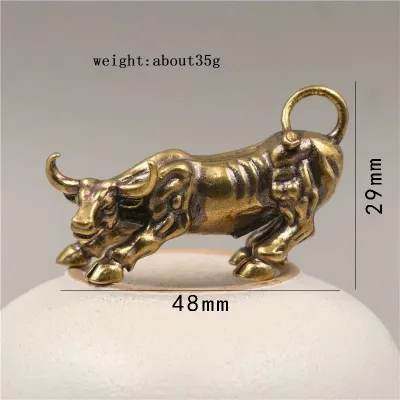
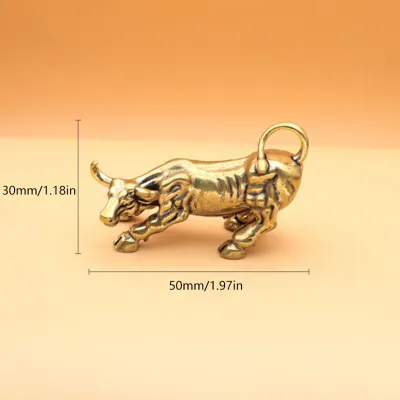
Prices are valid at publication and may change. Please refer to the product page for the latest price.
Wood is the most sensitive to environmental fluctuations. High humidity can cause wood fibers to expand, while dry, air-conditioned indoor air can cause them to shrink, potentially leading to warping, splitting, or cracking over time. To ensure your sculpture remains in pristine condition, always verify the manufacturer’s specifications and product labels before purchase. Look for explicit indications of whether the piece is rated for indoor or outdoor use. Outdoor-rated bronze and resin sculptures are treated with specialized UV-resistant and weather-proof sealants that protect them from rain and sun. Indoor-only sculptures lack these protective barriers and will degrade rapidly if placed on an open balcony, patio, or near a window with intense afternoon sun.
Aesthetic Styles and Spatial Integration
The visual texture and finish of your bull sculpture should complement your existing interior design theme. Bronze sculptures carry a classic, traditional, or industrial aesthetic. The deep, rich tones of a hand-applied bronze patina convey a sense of permanence, strength, and sophistication. This material integrates seamlessly into formal spaces, such as executive home offices, studies, or living rooms styled with classic leather furniture, dark wood paneling, and warm, low-temperature lighting. The metallic luster of bronze adds a touch of luxury without being overly flashy.

Resin offers unparalleled versatility in terms of finishes and styles. Because liquid resin can be poured into highly detailed molds, it can capture intricate textures that are difficult to achieve in other materials. Resin sculptures can be finished with high-gloss lacquers, matte paints, or even coated to mimic other materials like marble, stone, or cast iron. This adaptability makes resin bull figurines perfect for modern, minimalist, or eclectic interiors. A sleek, geometric resin bull in a matte black or vibrant pop-art color can serve as a striking contemporary focal point on a minimalist sideboard.
Wood sculptures bring natural warmth, rustic charm, and tactile appeal to a space. The unique grain patterns, knots, and natural color variations of hand-carved wood ensure that no two pieces are exactly alike. Wood integrates beautifully with Scandinavian, Japandi, or rustic interior styles, where natural materials and organic textures are celebrated. A wooden bull sculpture can soften the clean lines of a modern room, adding a sense of comfort and connection to nature.
When integrating a sculpture into your space, consider its scale, proportion, and visual balance. A large, dark bronze bull has a heavy visual weight and can easily dominate a small room if not balanced with lighter decor elements. Conversely, a small resin or wood figurine might get lost on a large, expansive console table. Ensure there is adequate clearance around the sculpture so it does not feel cramped, allowing its form and silhouette to be fully appreciated from different angles in the room.
Maintenance Routines and Care Limits
Preserving the beauty of your bull sculpture requires regular, material-specific maintenance. For bronze sculptures, routine care involves gentle dusting with a soft, dry microfiber cloth or a soft-bristled brush to clean intricate crevices. Avoid using damp cloths, water, or household chemical cleaners, as these can strip away the protective wax coating and accelerate oxidation. To maintain the deep luster of bronze, you can periodically apply a thin layer of high-quality microcrystalline wax, allowing it to dry before gently buffing it with a clean cloth.
Resin sculptures are relatively low-maintenance but still require proper care to prevent surface damage. Dust them regularly with a dry microfiber cloth. If the surface accumulates fingerprints or light soil, you can wipe it gently with a slightly damp cloth using only plain water. Never use abrasive scrubbing pads, harsh chemical solvents, or alcohol-based cleaners on resin, as these can scratch the surface or dissolve the painted finish, leaving permanent dull spots.
Wood sculptures demand the most attentive care due to their organic nature. Dust wooden figurines with a dry, soft cloth, moving in the direction of the wood grain. Avoid water entirely, as moisture can penetrate the wood fibers, leading to swelling, mold, or finish degradation. To keep the wood from drying out and cracking—especially in air-conditioned rooms—periodically apply a specialized wood oil or natural beeswax polish recommended by the manufacturer. Always apply a small amount to a soft cloth first rather than directly onto the wood, and buff gently.
It is crucial to recognize the limits of DIY maintenance and know when to seek professional assistance. If a bronze sculpture develops active green corrosion (often referred to as bronze disease), DIY cleaning can worsen the damage; a professional conservator should be consulted. Similarly, if a valuable wooden sculpture develops deep structural cracks or splits, or if a resin piece suffers a clean break, avoid using standard household glues or fillers. A professional restorer can repair the damage using specialized techniques that preserve the sculpture’s structural integrity and aesthetic value.
Budget Tiers and Long-Term Value
The financial investment required for a bull sculpture is primarily driven by craftsmanship, material density, production methods, and artist provenance. Bronze sculptures sit at the premium end of the spectrum. The lost-wax casting process is highly labor-intensive, requiring skilled artisans to create molds, pour molten metal, chase the surface, and apply patinas. This complexity, combined with the intrinsic value of bronze, makes these pieces a significant investment. However, they offer exceptional long-term value, often retaining or appreciating in worth and serving as cherished family heirlooms that can endure for generations.
Wood sculptures span a wide budget range. Mass-produced, machine-carved wooden figurines are highly accessible, while unique, hand-carved pieces created by master artisans from premium hardwoods like teak, walnut, or ebony command premium prices. The value of a hand-carved wooden piece lies in its unique craftsmanship and the organic beauty of the material, which can age gracefully over time if properly maintained.
Resin sculptures are generally the most budget-friendly option, making them excellent for those looking to decorate their space without a major financial commitment. Because resin can be cast efficiently in batches, production costs are lower. However, limited-edition designer resin sculptures or pieces created by renowned contemporary artists can still carry premium price tags. When purchasing, always verify material claims on product labels. Be aware of terms like “cold-cast bronze,” which is actually a high-quality resin mixed with bronze powder to give the appearance and weight of metal at a fraction of the cost of solid “hot-cast” bronze.
Material Selection Decision Framework
To finalize your choice, align your decision with your specific spatial conditions, aesthetic preferences, and lifestyle.
Choose Bronze if you prioritize heirloom quality, classic or industrial aesthetics, and want a sculpture with a substantial physical and visual presence. Ensure you have a sturdy, load-bearing surface, such as a solid wood console or a reinforced pedestal, to display it safely.
Choose Resin if you prefer a lightweight, highly versatile piece that can be safely displayed on delicate surfaces like glass shelves or floating ledges. Resin is also the ideal choice if you want modern, colorful, or high-gloss finishes, or if you are working within a more flexible budget.
Choose Wood if you are drawn to organic textures, natural warmth, and eco-conscious decor. Wood is perfect for Japandi, Scandinavian, or rustic spaces, provided you can maintain a stable indoor environment with controlled humidity and temperature to protect the material from warping.
Before making your final purchase, always perform a quick environmental check. If you plan to display the sculpture in a high-humidity area like a bathroom, or outdoors on a balcony or patio, rule out untreated wood and non-outdoor-rated resin or bronze. Verify the product specifications to ensure the piece is fully compatible with its intended environment.
Frequently Asked Questions (FAQ)
Does the placement of a bull sculpture affect its symbolic meaning?
Yes, in both cultural traditions and modern interior styling, the placement of a bull sculpture can influence the spatial energy and symbolic meaning of a room. The bull is a universal symbol of strength, resilience, determination, and financial prosperity. Placing a bull figurine on an executive desk or in a home office is often associated with professional drive, stability, and career advancement, serving as a daily visual reminder of focus and determination. In residential living spaces, positioning the sculpture near the entryway facing inward is a common styling choice to symbolize welcoming strength and stable energy into the home. From a purely aesthetic standpoint, placing the sculpture at eye level on a prominent shelf or console table creates a strong focal point, anchoring the room’s visual balance and drawing attention to its craftsmanship.
Can I use standard household cleaners on resin or wood bull figurines?
No, standard household cleaners should not be used on resin or wood bull figurines, as they can cause irreversible damage to the surfaces. Many multi-purpose household sprays, glass cleaners, and disinfectants contain harsh chemicals, alcohol, ammonia, or abrasive agents. On resin sculptures, these chemicals can strip away protective clear coats, dissolve painted finishes, or leave unsightly dull patches. On wood sculptures, harsh cleaners can strip away natural oils, dry out the wood fibers, and lead to discoloration, warping, or cracking. For safe maintenance, stick to dry dusting with a soft microfiber cloth. If a deeper clean is necessary, use only a slightly damp cloth with plain water for resin, and a manufacturer-approved wood oil or wax for wood. Always perform a spot-test on a small, hidden area of the sculpture, such as the bottom of the base, before applying any care product to ensure it does not react negatively with the finish.
Community discussion
Share your experience or ask a question. Comments are reviewed before publication.