
Selecting a Buddha statue for your home, office, or garden is a deeply personal decision that balances spiritual reverence, aesthetic harmony, and practical longevity. The material you choose dictates not only the statue’s visual presence but also how well it will withstand the passage of time and environmental exposure. With options ranging from traditional bronze and hand-carved wood to modern resin and elegant ceramic, identifying the right material requires understanding how each responds to your specific living space, budget, and maintenance routine.
By evaluating the physical characteristics, care demands, and environmental tolerances of these four primary materials, you can make an informed choice that matches your lifestyle. Whether you seek a heavy, heirloom-quality centerpiece or a lightweight, highly detailed accent for a modern apartment, understanding these material differences ensures your statue remains a beautiful, serene focal point for years to come.
Quick Guide: Which Buddha Statue Material Fits Your Needs?
Every material used to craft a Buddha statue offers a distinct tactile feel, visual weight, and cultural heritage. Bronze and wood represent traditional craftsmanship, often requiring a higher initial investment but offering unique, organic aging processes. Resin and ceramic, on the other hand, provide smooth surfaces and intricate details that fit seamlessly into contemporary interior designs while accommodating a wider range of budgets.
Products mentioned in this guide
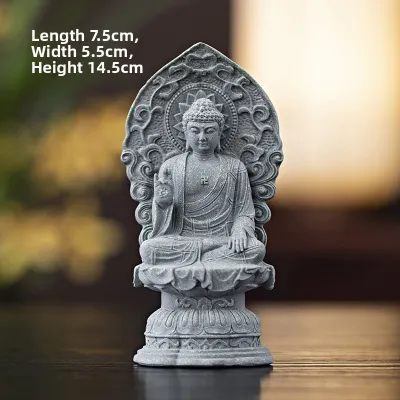
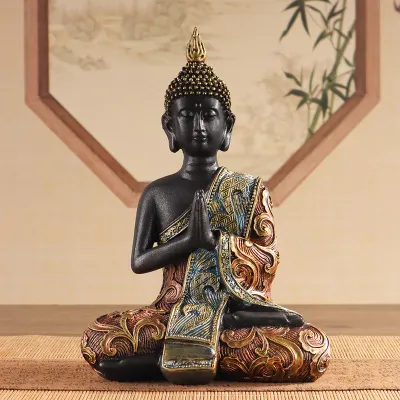
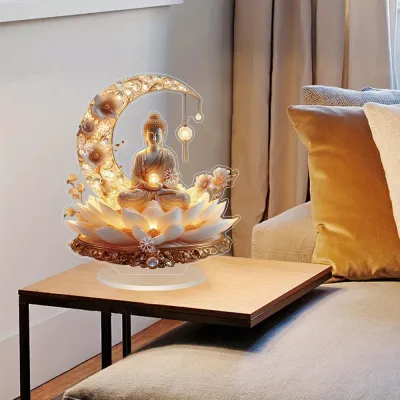
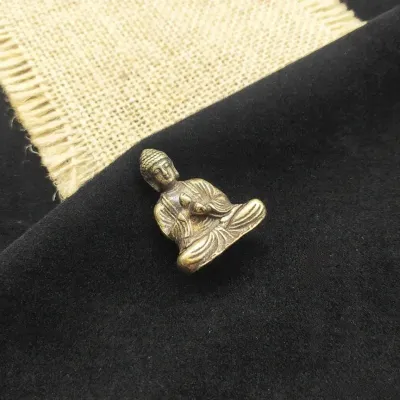
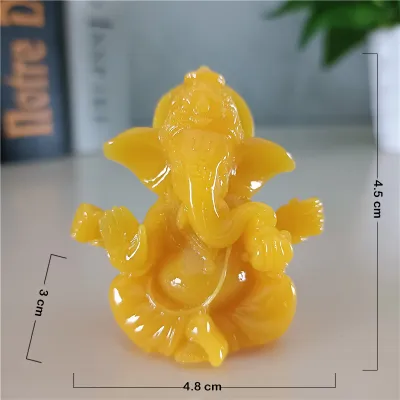
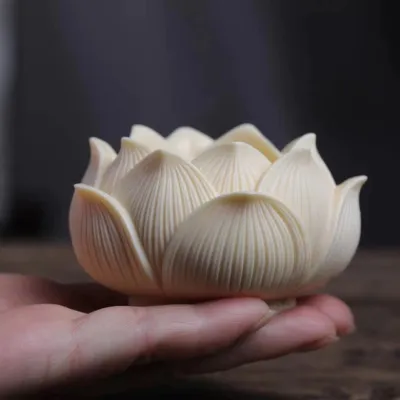
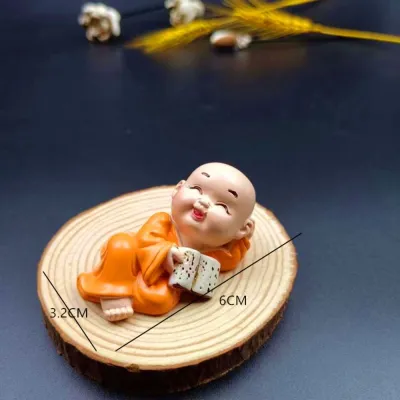
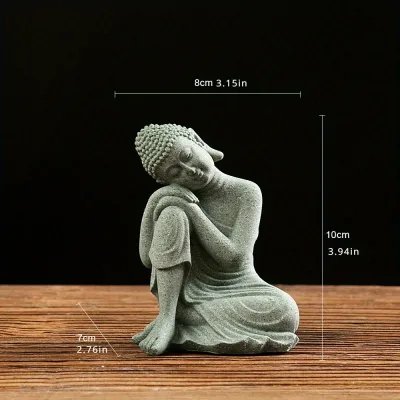
Prices are valid at publication and may change. Please refer to the product page for the latest price.
When choosing a material, your decision should be guided by three primary drivers: aesthetic preference, budget, and environmental durability. For instance, an outdoor garden niche demands a highly weather-resistant material like bronze, whereas a delicate shelf in a climate-controlled living room is ideal for ceramic or fine wood.
To help you navigate these choices, this guide breaks down the specific advantages, limitations, and care requirements of each material. By matching your placement goals with the physical limitations of these mediums, you can avoid premature wear and ensure your statue remains in pristine condition.
Bronze: Long-Lasting Durability and Classic Patina
Bronze has long been revered as a premium material for sacred art due to its exceptional strength, substantial weight, and historical significance. A bronze Buddha statue carries a sense of permanence and gravity, making it a popular choice for central family altars and dedicated meditation spaces. Because of the intensive metal-casting process and the value of the copper alloy, bronze statues typically sit in a premium budget tier, representing a long-term investment.

One of the most unique characteristics of bronze is its aesthetic evolution. Over time, exposure to air and moisture causes the metal to develop a natural patina, which can range from deep brown to greenish-blue hues. This oxidation process is not a sign of damage; rather, it is a protective layer that many collectors value for its antique character and depth. If you prefer the original polished golden or chocolate finish, you will need to choose a statue with a protective lacquer coating and maintain it regularly.
In terms of placement, bronze is highly versatile. It is durable enough to withstand both indoor settings and sheltered outdoor environments, such as a covered balcony or patio. However, because bronze is exceptionally heavy, you must verify that your display shelf, altar, or pedestal is structurally sound and capable of supporting the load without bowing or tipping. For safety, avoid placing large bronze statues on high, unsecured shelves where they could pose a fall hazard.
Maintaining a bronze statue is relatively straightforward but requires a gentle touch. Regular care involves dusting the surface with a clean, dry microfiber cloth to prevent dirt buildup. Avoid using water, liquid chemical polishes, or abrasive brushes, as these can strip away the natural patina or damage the manufacturer’s protective wax coating. Always check the manufacturer’s care specifications regarding the specific alloy composition and recommended protective treatments before applying any wax or polish.
Wood: Organic Texture and Artisanal Carving
Wooden Buddha statues bring a unique warmth, organic texture, and soft energy to a space. Often hand-carved by skilled artisans, each wooden statue features individual grain patterns, natural color variations, and subtle knots that ensure no two pieces are identical. The budget for wooden statues varies widely: smaller machine-carved pieces are relatively accessible, while large, hand-detailed sculptures made from premium hardwoods like teak, sandalwood, or camphor sit in the mid-to-high price range.
While wood offers unmatched natural beauty, it is highly sensitive to its surrounding environment. In tropical climates like Singapore’s, where relative humidity levels are consistently high, wood can absorb moisture from the air, causing it to swell. Conversely, when a wooden statue is placed in a constantly air-conditioned room, the dry air can cause the wood to shrink rapidly. This continuous cycle of swelling and shrinking can lead to warping, splitting, or cracking over time.
To preserve a wooden Buddha statue, placement is critical. Avoid placing the statue in direct sunlight, which can dry out the wood fibers and cause the colors to fade. Keep it away from direct air conditioning vents, humidifiers, or damp walls. It is also wise to elevate the statue slightly off stone or tiled surfaces using a felt pad or wooden stand to prevent moisture from seeping into the base.
Before applying any cleaning products, always read the manufacturer’s care instructions, as different wood finishes require distinct maintenance routines. Generally, you should dust the statue weekly with a soft, dry cloth. If the wood begins to look dry or dull, you may apply a small amount of natural mineral oil or specialized wood wax as recommended by the maker. Never use water or harsh household detergents, which can raise the wood grain and strip the finish. If you notice signs of mold or deep cracking, stop cleaning and consult a professional wood conservator.
Resin: Lightweight Versatility and Affordable Detail
Resin is a modern synthetic material that has revolutionized the home decor industry by offering incredible versatility at an affordable price point. Made from liquid plastic polymers poured into detailed molds, resin Buddha statues can capture extremely intricate details—from the fine folds of a robe to delicate facial expressions—that would be difficult or costly to carve in wood or cast in metal. This makes resin an excellent choice for budget-conscious buyers who do not want to compromise on aesthetic detail.
Another major advantage of resin is its ability to mimic other materials. Through advanced painting and finishing techniques, a resin statue can be made to look remarkably like heavy bronze, aged stone, carved wood, or smooth ivory. Because resin is lightweight, these statues are easy to handle, unpack, and move around your home, making them highly practical for renters or those who like to rearrange their decor frequently.
However, resin has distinct placement limitations that you must consider. The primary weakness of resin is its sensitivity to ultraviolet (UV) light. If a resin statue is placed in direct sunlight, such as near an unshaded window or in an open garden, the UV rays can cause the material to become brittle, yellow, or fade over time. Consequently, resin statues are best suited for indoor spaces where lighting is controlled.
Maintenance for resin is exceptionally low-risk and simple. Dust the statue regularly with a soft, dry cloth or a soft-bristled brush to clean out the fine crevices of the mold. If the surface becomes soiled, you can wipe it gently with a soft cloth slightly dampened with clean water, provided the manufacturer’s label does not forbid it. Avoid using chemical solvents, alcohol-based cleaners, or abrasive pads, which can dissolve or scratch the painted finish. Always verify the product label for any indoor-only restrictions before placement.
Ceramic: Smooth Finishes and Elegant Glazes
Ceramic Buddha statues, including those made of porcelain, stoneware, or earthenware, are celebrated for their smooth textures, elegant glazes, and refined beauty. From the pure white of Dehua porcelain to the subtle green hues of celadon glazes, ceramic statues bring a sense of purity, calm, and classic sophistication to an interior. Depending on the clay type, glazing technique, and whether the piece is mass-produced or hand-thrown by an artisan, ceramic statues span the mid-to-high budget range.
The standout feature of ceramic is its glassy, non-porous surface, which is highly resistant to moisture, staining, and fading. Unlike wood, ceramic will not warp or rot in humid conditions, and unlike bronze, it will not oxidize or change color over time. This makes ceramic an excellent choice for humid indoor environments. However, the defining trade-off of ceramic is its extreme fragility. A single accidental bump or fall can cause chips, cracks, or complete breakage.
Because of this fragility, ceramic statues must be placed in stable, low-traffic indoor areas. Secure altars, enclosed display cabinets, or sturdy side tables away from the reach of pets and young children are ideal. Additionally, solid or thick-walled ceramic statues can be quite heavy. Before setting your statue in place, verify that the display shelf or bracket is level, stable, and rated to support the weight of the piece.
Cleaning a ceramic statue is simple but must be done with care to preserve the delicate glaze. Use a soft, dry microfiber cloth for routine dusting. If the glaze requires a deeper clean, you can wipe it with a soft cloth dampened with warm water and a drop of mild, pH-neutral soap, then dry it immediately with a clean towel. Never use abrasive scrubbers, steel wool, or harsh acidic cleaners, as these can permanently scratch or dull the glazed surface. Always handle the statue with clean, dry hands to prevent it from slipping.
How to Choose Based on Placement, Budget, and Climate
To select the ideal material for your Buddha statue, you must look beyond aesthetics and evaluate how the physical properties of each material align with your home’s environment and your daily lifestyle. In Singapore’s tropical climate, the choice of material is heavily influenced by whether your space is constantly air-conditioned or exposed to ambient, humid air.
The following comparison matrix summarizes how bronze, wood, resin, and ceramic perform across key decision dimensions:
| Material | Durability | Budget Tier | Weight & Handling | Climate Resistance |
|---|---|---|---|---|
| Bronze | Exceptionally High | Premium (S$300+) | Heavy; requires sturdy support | High; handles ambient humidity well |
| Wood | Moderate to High | Mid to Premium (S$150+) | Moderate; handle with care | Low to Moderate; sensitive to humidity |
| Resin | Moderate | Budget to Mid (S$30+) | Lightweight; easy to move | Low; prone to UV fading |
| Ceramic | High (if undisturbed) | Mid to Premium (S$80+) | Moderate; highly fragile | High; unaffected by moisture |
When finalizing your choice, use this pre-purchase verification checklist to ensure a safe and successful installation:
- Check the Base: Verify that the bottom of the statue is flat, even, and stable to prevent tipping.
- Confirm Weight Limits: Ensure your altar, shelf, or console table is structurally rated to support the weight of bronze or heavy ceramic pieces.
- Read the Care Label: Check the manufacturer's product description for explicit indoor/outdoor ratings and specific care instructions.
- Assess Electrical Features: If the statue includes integrated LED backlighting, motorized water fountains, or mist makers, verify that the electrical components are compatible with Singapore's 230V grid, check the wattage limits, and ensure it carries appropriate safety certifications like the local SAFETY Mark. Always isolate the power supply before cleaning.
- Evaluate Placement Exposure: Avoid placing wood or resin in areas with high UV exposure or direct air conditioning drafts.
If a product description lacks clear environmental limits, weight specifications, or care instructions, stop and consult the seller or manufacturer before completing your purchase. Taking these precautions ensures that your chosen Buddha statue remains a safe, durable, and harmonious addition to your home.
Frequently Asked Questions (FAQ)
Can I place a wooden Buddha statue outdoors in a tropical climate?
Unless the wood has been specifically treated, sealed, and rated by the manufacturer for exterior exposure, you should not place a wooden Buddha statue outdoors in a tropical climate. The extreme humidity, intense sunlight, and heavy rainfall will quickly cause the wood to warp, crack, rot, and attract wood-boring pests. For outdoor gardens or balconies, highly durable materials like bronze or stone-composite are far more suitable, while wood should be reserved for stable indoor environments.
How do I clean a bronze Buddha statue without damaging the patina?
To clean a bronze Buddha statue without altering its natural patina, use a soft, dry microfiber cloth or a soft-bristled brush to gently remove dust from the crevices. Avoid using water, liquid metal polishes, chemical solvents, or abrasive cleaning pads, as these substances can strip the protective wax or dissolve the delicate patina. For deep cleaning or to reapply a protective wax coating, always consult the manufacturer’s specific care guide or seek advice from a professional art conservator.
Is resin safe for long-term indoor display?
Yes, fully cured resin is entirely safe and stable for long-term indoor display. To maximize its lifespan and prevent the material from degrading, keep the statue away from direct sunlight, high-heat sources, and air conditioning vents. Over time, excessive UV exposure can cause resin to become yellow and brittle, so placing it in a shaded, temperature-stable area of your home will ensure it retains its color and structural integrity for years.
Community discussion
Share your experience or ask a question. Comments are reviewed before publication.