
Establishing a consistent meditation practice requires more than mental discipline; it demands physical comfort and proper spinal alignment. If your body is strained or your legs fall asleep, maintaining focus becomes nearly impossible, making the selection of the right meditation cushion seat a foundational step for your practice. There is no single universal filling that works for everyone, as the ideal choice depends on your physical flexibility, portability needs, and personal comfort preferences.
To help you navigate your options, this guide compares the three most popular natural fillings used in meditation cushions: buckwheat hulls, kapok fiber, and cotton batting. Buckwheat hulls offer highly adjustable, firm, and grounding support that contours to your body. Kapok fiber provides a lightweight, fluffy, and resilient loft that mimics the feel of down. Cotton batting delivers a traditional, dense, and solid seat that offers reliable, steady resistance. By examining how these materials perform across firmness, weight, breathability, and maintenance, you can select the perfect support for your mindfulness journey.
Buckwheat, Kapok, and Cotton: Core Characteristics Explained
To make an informed choice, it is helpful to first understand the physical properties and origins of these three natural fillings. Each material behaves differently under pressure, and their unique structural characteristics dictate how they support your body during long sits.
Products mentioned in this guide
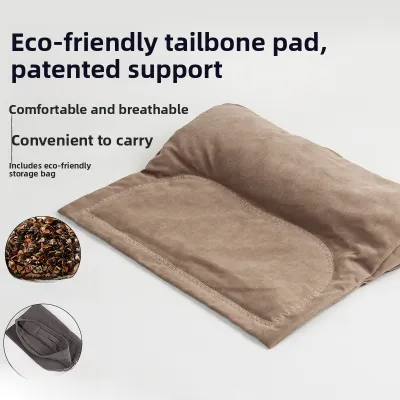

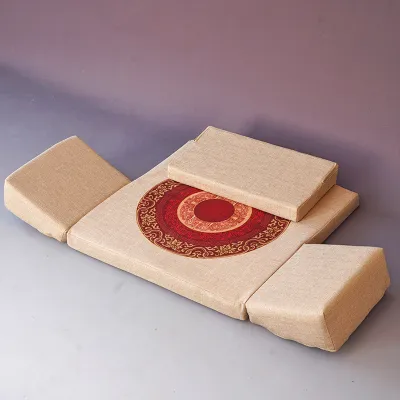
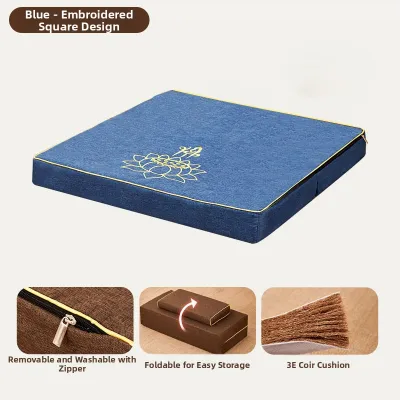
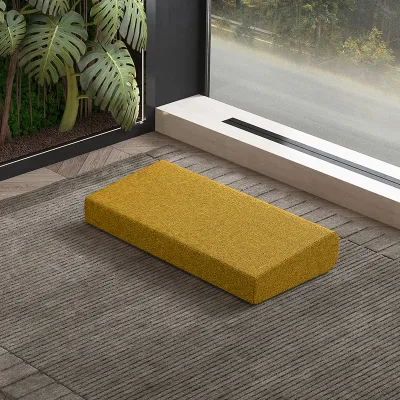
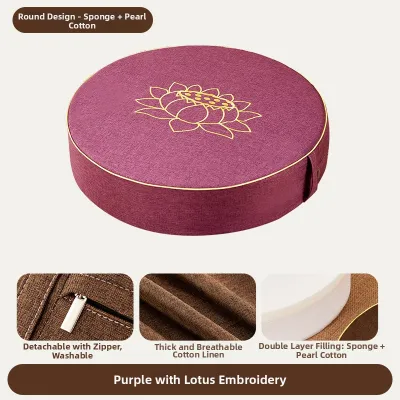
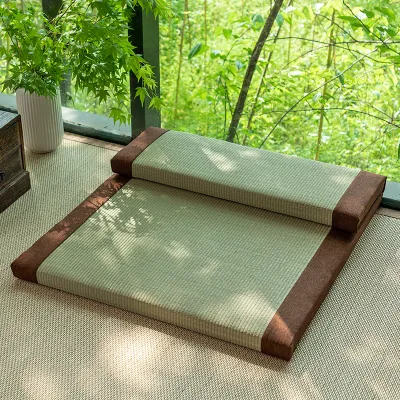
Prices are valid at publication and may change. Please refer to the product page for the latest price.
Buckwheat Hulls: Adjustable and Grounding
Buckwheat hulls are the hard outer shells of the buckwheat seed, harvested as a byproduct of milling. These hulls possess a unique three-dimensional, cupped shape that allows them to slide past one another when manipulated, yet lock firmly into place under weight. This behavior gives the cushion a fluid-like solid state, mimicking the feel of sitting on packed sand.
Most high-quality cushions filled with buckwheat hulls feature a zippered inner casing. This design allows you to easily pour out hulls to lower the height of your seat or add more to increase the loft, providing unmatched micro-adjustability. Additionally, buckwheat hulls have a distinct grounding weight that anchors the sitter to the floor, accompanied by a gentle, rustic rustling sound when you shift your posture.
Kapok Fiber: Lightweight and Resilient
Kapok is a natural, silky fiber harvested from the seed pods of the Ceiba pentandra tree, which grows abundantly in tropical rainforest climates. Often referred to as “plant down,” kapok fibers are incredibly lightweight, fluffy, and naturally hypoallergenic. The fibers are coated with a natural waxy substance that repels moisture, making them highly resistant to mold, mildew, and dust mites.
Unlike synthetic foam or cotton, kapok fibers have a hollow structure that traps air, giving them excellent buoyancy and resilience. When you sit on a kapok-filled cushion, it compresses gently to cradle your sitting bones but rebounds quickly once you stand up. This provides a softer, more traditional cushion feel that lifts your hips without feeling rigid.
Cotton Batting: Dense and Traditional
Cotton batting consists of raw cotton fibers that have been cleaned, carded, and layered into thick, dense sheets. This material has been the traditional choice for meditation cushions across many Asian lineages, particularly in Zen temples where flat, square cushions (zabutons) are filled with thick cotton layers. It provides a heavy, reliable, and solid foundation that does not shift or bounce.
Because the cotton fibers are packed tightly together, cotton batting offers a very stable seat that resists sudden shifting. However, cotton lacks the micro-adjustability of buckwheat hulls and does not possess the springy rebound of kapok. Over months or years of regular use, cotton batting will gradually compress and pack down permanently, molding to your specific sitting shape while becoming firmer over time.
How Fillings Compare on Firmness, Weight, and Comfort for Your Meditation Cushion Seat
When evaluating a meditation cushion seat, you must consider how the filling interacts with your body anatomy and your local environment. The right balance of firmness, weight, and breathability will ensure you can sit comfortably for extended periods without distraction.

Firmness and Posture Support
Proper posture during meditation requires tilting your pelvis slightly forward to preserve the natural curve of your lumbar spine. This anterior pelvic tilt keeps your spine aligned and prevents slouching, which can lead to upper back and neck strain. The three fillings achieve this pelvic tilt in very different ways.
Buckwheat hulls offer rigid, unyielding support that holds your pelvis at a precise angle. Once the hulls shift to accommodate your sitting bones, they lock together, ensuring your hips do not sink as your session progresses. This makes buckwheat excellent for beginners with tight hips who need consistent, elevated support.
Kapok provides a softer, yielding support that still keeps the pelvis elevated. It cushions the sitz bones gently, making it ideal for practitioners who find hard surfaces uncomfortable or who suffer from joint sensitivity. Cotton batting sits in the middle, offering a dense, uniform resistance that starts firm and gradually packs down into a solid, customized mold of your posture.
To ensure optimal comfort, always check the manufacturer’s specifications for fill density and cover tension. A tightly stuffed cover will make any of these materials feel significantly firmer, while a looser cover allows more give and shifting.
Weight and Portability for Daily Use
If you plan to keep your meditation cushion in a dedicated spot at home, weight may not be a primary concern. However, if you regularly commute to a yoga studio, attend group retreats, or travel, the portability of your seat becomes a critical decision factor.
Buckwheat cushions are by far the heaviest option. A standard round zafu filled with buckwheat hulls typically weighs between 2 to 3 kilograms. This substantial weight provides excellent stability on the floor, preventing the cushion from sliding, but makes it cumbersome to carry over long distances.
In contrast, kapok is exceptionally light. A kapok-filled cushion of the same dimensions usually weighs less than 1 kilogram, making it effortless to toss into a tote bag or carry on public transit. Cotton batting cushions fall in the middle, generally weighing between 1.5 and 2 kilograms, offering a moderate balance of stability and portability.
Before making a purchase, verify the product’s listed weight and dimensions to ensure it aligns with how you plan to use and transport your cushion.
Breathability and Climate Suitability
Your local climate plays a significant role in how comfortable a cushion feels during extended use. In warm or highly humid environments, such as Singapore’s tropical climate, materials that trap body heat can quickly lead to discomfort, sweating, and distraction.
Buckwheat hulls excel in warm climates due to their irregular, hollow shapes. Because the hulls do not pack flatly against one another, the interior of the cushion remains filled with tiny air pockets. This open structure allows heat and moisture to dissipate rapidly, keeping the seating surface cool and dry.
Kapok fibers are also highly breathable and naturally water-resistant. The silky fibers do not absorb moisture from sweat, preventing the cushion from feeling damp or clammy during humid days. Cotton batting, however, is highly absorbent and dense. It tends to trap body heat and retain moisture from both the body and the ambient air, meaning a cotton cushion may require more frequent airing out in humid regions.
To maximize the natural breathability of your chosen filling, verify the outer cover material of the cushion. Opt for natural, breathable fabrics like organic cotton canvas, linen, or hemp, and avoid synthetic polyester blends that can block airflow.
Decision Framework: Match the Filling to Your Practice
To select the ideal meditation cushion seat, you must match the physical properties of the filling to your personal flexibility, practice style, and lifestyle constraints. Use the following guidelines to make your final decision.
Choose Buckwheat if:
- You need precise height adjustments to accommodate tight hips, knees, or ankles.
- You prefer a highly stable, firm, and grounded sitting surface that does not bounce or compress over time.
- Your practice style demands strict, unyielding pelvic alignment, such as Zazen or Vipassana meditation.
- You primarily meditate in a fixed location at home and do not need to transport your cushion frequently.
Choose Kapok if:
- You prefer a softer, more cushioned feel that gently cradles your sitting bones.
- You frequently carry your cushion to yoga studios, outdoor parks, or travel retreats.
- You live in a highly humid environment and want a lightweight, mold-resistant material that naturally repels moisture.
- You want a traditional, plant-based loft that maintains its fluffy bounce with minimal effort.
Choose Cotton if:
- You are working with a stricter budget, as cotton batting is often the most cost-effective natural option.
- You prefer a dense, solid, and completely silent seat without the shifting or rustling noises of buckwheat hulls.
- You meditate in a fixed home location and appreciate a cushion that gradually molds to your unique body shape over time.
Verify first if:
- Before finalizing your purchase, confirm that the cushion features a high-quality zipper on the inner liner, which is essential for adjusting buckwheat hulls or refilling compressed cotton and kapok.
- Check the outer cover material and seam construction; double-stitched seams are vital for containing heavy buckwheat hulls or highly compressed cotton batting.
- Measure your sitting height requirements; beginners with tight hips generally benefit from a taller cushion (approximately 13 to 15 cm), while flexible practitioners may prefer a lower profile (approximately 7 to 10 cm).
Care, Maintenance, and Longevity of Natural Fillings
Natural fillings require specific, mindful care to prevent degradation, mold, or pest infestation, particularly in warm and humid climates. Taking a few simple, preventative steps will ensure your cushion remains hygienic and supportive for years.
Buckwheat Hulls
- Keep the hulls completely dry at all times. Moisture is the primary enemy of buckwheat, as it can cause the hulls to soften, mold, or attract insects.
- If your cushion becomes damp from sweat or humidity, unzip the outer cover, pour the hulls onto a clean, dry sheet, and let them air-dry in a well-ventilated room away from direct, intense heat.
- Never wash buckwheat hulls in a washing machine or submerge them in water, as this will ruin the filling.
Kapok and Cotton
- Both materials will gradually compress over time with regular use. To combat this, regularly fluff, knead, or massage your cushion to redistribute the fibers and restore its loft.
- Placing your kapok or cotton cushion in direct sunlight for a few hours once a month will help evaporate trapped moisture, naturally sanitize the fibers, and restore their natural fluffiness.
- Spot-clean the outer cover using a damp cloth and mild detergent. Avoid soaking the inner filling, as dense cotton and kapok take a very long time to dry internally, risking mold growth.
Safety Boundary
- Always check the manufacturer's care label on your specific meditation cushion seat before attempting any cleaning or washing.
- If the outer cover is not removable, or if the printed care instructions conflict with general guidelines, stop immediately and consult the manufacturer to prevent damaging the natural fibers or voiding the product warranty.
Frequently Asked Questions (FAQ)
Can I mix buckwheat and kapok in one meditation cushion?
While some specialty manufacturers offer pre-blended fills to balance the firmness of buckwheat with the softness of kapok, mixing them yourself in a single-chamber cushion is generally not recommended. Because buckwheat hulls are significantly heavier than lightweight kapok fibers, the hulls will naturally settle to the bottom over time. This separation leads to uneven support, a shifting seat, and a lumpy texture. If you want the benefits of both materials, look for a dual-chamber cushion designed specifically to keep the fillings separated.
How do I know if my meditation cushion is too flat?
A clear indicator that your cushion has lost its supportive height is when your hips drop level with or below your knees during meditation. This poor alignment forces your lower back to round, leading to muscle strain, poor lung expansion, and pins-and-needles sensations in your legs. For cushions with adjustable buckwheat hulls, you can easily restore the loft by purchasing and adding fresh hulls. For compressed cotton or older kapok fibers that no longer rebound after fluffing, it is typically time to replace the inner insert or purchase a new cushion to maintain proper spinal alignment.
Community discussion
Share your experience or ask a question. Comments are reviewed before publication.