
Selecting a Buddha-shaped or zen-inspired scented candle involves more than simply picking an appealing fragrance. These sculptural pieces function as three-dimensional art, requiring a careful balance of structural integrity, clean-burning wax, and a complementary scent profile that enhances your living space. Whether you are looking to create a serene meditation corner in a high-rise apartment or seeking a thoughtful housewarming gift, understanding the interplay between design and fragrance is key to making an informed purchase.
By focusing on artisanal craftsmanship, ingredient transparency, and proper candle care, you can find a piece that serves as a beautiful decor element when unlit and a soothing sensory experience when lit. This guide explores the essential factors to consider when selecting these unique candles, from evaluating wax blends to matching scent notes with your intended ambiance.
How to Choose a Buddha-Shaped or Zen-Inspired Candle
When shopping for zen-inspired candles, the first decision involves choosing between literal representations and abstract designs. Literal Buddha-shaped candles feature intricate details, depicting serene facial expressions, traditional robes, and meditative postures. Abstract zen designs, on the other hand, often incorporate minimalist geometric shapes, smooth river stone motifs, or stylized lotus flowers. Your choice should align with your existing home decor, as a highly detailed statue may suit a traditional or eclectic space, while abstract motifs blend seamlessly into modern, minimalist interiors.
Products mentioned in this guide
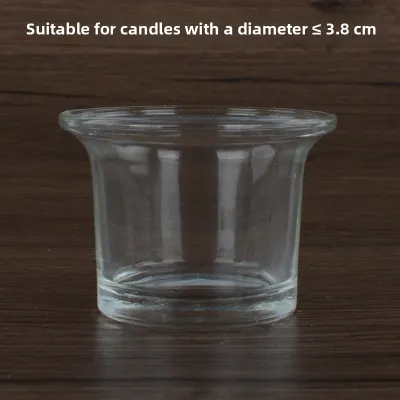
![[SG Seller]Glass Jar Buddhist Prayer Candles Eco-Friendly Ghee Butter Candles Long Burning Prayer Butter Lamps](https://img.lazcdn.com/g/p/5feca5747c0712308dfcf88d3b0f65e0.jpg_400x400q80.jpg_.webp)
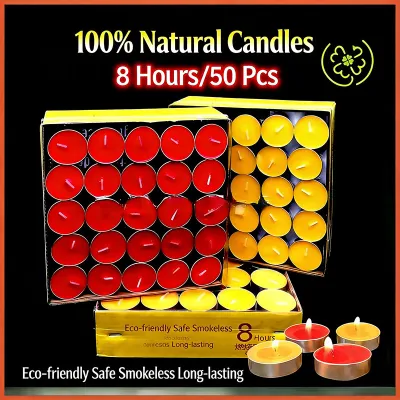
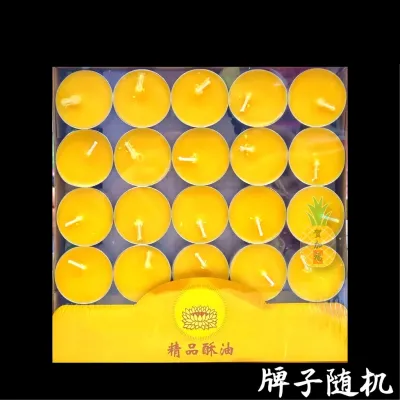
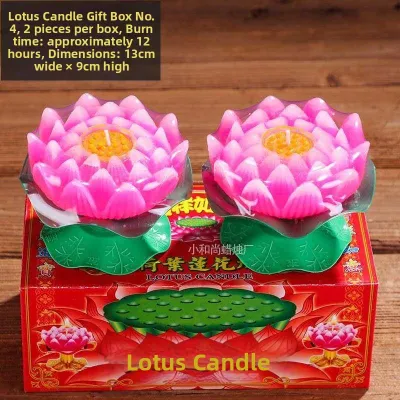
Prices are valid at publication and may change. Please refer to the product page for the latest price.
The type of wax used in a sculptural candle directly impacts both its visual appeal and its burning characteristics. Paraffin wax is often used for highly detailed molds because of its rigidity and ability to hold sharp lines, but it can produce more soot and may not align with eco-conscious preferences. Natural soy wax, coconut wax, and beeswax blends are popular alternatives that offer a cleaner burn. Soy and coconut waxes are softer, which can sometimes result in slightly softer details on intricate sculptures, but they provide an excellent scent throw and a slower burn. Beeswax is naturally firm and holds detail exceptionally well while offering a subtle, sweet aroma that complements many fragrance profiles.
In humid climates like Singapore, wax selection also affects how well a candle maintains its appearance over time. Pure soy wax can sometimes “sweat” or develop a white, powdery coating known as frosting when exposed to temperature fluctuations and high humidity. While frosting does not affect the performance of the candle, it can detract from the clean look of a sculptural piece. Choosing a high-quality soy-coconut blend or a beeswax-infused option can help minimize these cosmetic issues, keeping your decor looking pristine even when displayed on an open shelf.
Structural stability is a critical safety and performance factor for any shaped candle. Unlike container candles, which are supported by glass or ceramic jars, free-standing sculptural candles must rely entirely on their own base for balance. Before purchasing, check the manufacturer’s specifications regarding the width of the base and the placement of the wick. A well-designed Buddha candle will have a wide, flat bottom that sits securely on a heat-resistant plate. The wick should be precisely centered to ensure that the candle melts evenly and does not tip over as the wax softens during a burn session.
Evaluating Fragrance Profiles for a Zen Ambiance
The fragrance of a zen-inspired candle should complement its visual design, helping to establish a calming atmosphere. Earthy and woody notes are highly effective for grounding a space, making them ideal for meditation corners or quiet study areas. Sandalwood, cedarwood, and patchouli offer deep, warm undertones that evoke the atmosphere of traditional temples and forest sanctuaries. These rich scents help lower perceived stress and encourage deep, steady breathing during mindfulness practices.

For spaces dedicated to relaxation and rest, such as bedrooms or bath areas, herbal and floral notes provide a softer, soothing backdrop. Lavender, chamomile, and white sage are widely appreciated for their calming properties, helping to ease tension after a long day. Lotus and jasmine notes introduce a delicate, airy sweetness that feels clean and refreshing without overpowering the room. These fragrances work well in humid climates, where heavy, overly sweet scents can sometimes feel oppressive.
If you want to energize a living area, home office, or yoga studio, look for candles featuring citrus and light spice blends. Notes of bergamot, lemongrass, and green tea offer an uplifting, crisp aroma that promotes mental clarity and focus. When combined with subtle hints of ginger or cardamom, these scents stimulate the senses while maintaining a sophisticated, balanced profile. This makes them excellent for daytime use when you want to feel refreshed and alert.
Understanding the difference between cold throw and hot throw is essential when selecting a scented candle for your home. Cold throw refers to the strength of the fragrance when the candle is unlit, which is particularly important for sculptural candles that may spend most of their time as static decor. Hot throw is the aroma released when the candle is actively burning. Because sculptural candles do not have walls to contain the melt pool, their hot throw can behave differently than that of container candles. Larger rooms with high ceilings or active air conditioning units require a stronger scent throw, whereas smaller, enclosed spaces benefit from milder, more delicate fragrance profiles to prevent sensory overload.
What to Look for in Candle Brands and Quality
To ensure you are purchasing a high-quality product, closely examine the brand’s ingredient transparency. Reputable candle makers clearly state the types of wax, fragrances, and wicks they use. Look for brands that utilize natural essential oils or high-quality, phthalate-free fragrance oils. Synthetic fragrance blends are not inherently bad, but poorly formulated, low-grade synthetics can produce harsh, chemical smells and may trigger headaches or respiratory irritation in sensitive individuals.
The choice of wick material is another indicator of overall candle quality. Lead-free cotton wicks and natural wood wicks are the industry standards for a clean, safe burn. Cotton wicks should be tightly braided to ensure a steady flame, while wood wicks offer a unique aesthetic and a gentle crackling sound that enhances the zen ambiance. Avoid candles that do not specify the wick material, as older or low-quality imports may still contain metal cores designed to keep the wick upright, which can release undesirable particles into the air.
For those purchasing a zen candle as a gift or a premium decor piece, the packaging and unboxing experience add significant value. High-end artisanal brands often package their sculptural candles in sturdy, beautifully designed boxes that protect the delicate wax details during transit. Look for packaging that uses sustainable, recyclable materials, which aligns with the mindful, eco-conscious philosophy of zen living. Secure padding is essential to prevent the nose, hands, or intricate carvings of a Buddha-shaped candle from chipping before it reaches your home.
Finally, review the manufacturer’s stated burn times, keeping in mind that sculptural candles burn differently than container candles. Because the wax is not confined by a jar, much of it may drip down the sides rather than being consumed by the flame. This means a free-standing sculptural candle will generally have a shorter active burn time than a container candle of equivalent weight. A transparent brand will provide realistic expectations for how long the candle will burn and offer guidance on how to maximize its lifespan.
Where to Source and Verify Authentic Decor Candles
Finding authentic, high-quality decor candles in Singapore requires navigating a mix of local boutiques, specialty home decor stores, and online platforms. Specialty lifestyle boutiques in areas like Tiong Bahru, Orchard Road, or Dempsey Hill often curate a selection of artisanal candles from local and international makers. Visiting these physical stores allows you to experience the cold throw firsthand and inspect the physical details of the sculptural designs before making a purchase.
If you prefer the convenience of online shopping, official brand websites and curated design marketplaces are excellent resources. When using larger online marketplaces, it is crucial to verify the seller’s credentials to avoid low-quality mass-produced imitations. Look for sellers with high ratings, detailed product descriptions, and authentic customer reviews that include photos of the actual product. Be cautious of listings that use generic stock images, as the physical candle you receive may lack the refined details shown in the photos.
When browsing product listings, watch out for red flags that indicate substandard quality. A complete lack of information regarding the wax type, fragrance ingredients, or country of manufacture is a major warning sign. Unrealistic claims, such as promising a hundred-hour burn time for a small, free-standing sculptural candle, should also be viewed with skepticism. Reliable brands are honest about the limitations of sculptural shapes and provide clear safety warnings and usage instructions.
Price is often a reliable indicator of quality when it comes to artisanal candles. In Singapore, budget-friendly mass-produced sculptural candles may cost under S$15, but these often use low-grade paraffin wax and synthetic fragrances that lack complexity. Mid-range artisanal options typically range from S$20 to S$50, offering better wax blends, safer wicks, and more refined scent profiles. Premium, hand-poured designer candles can range from S$60 to over S$100, reflecting the cost of high-purity essential oils, complex custom molds, sustainable packaging, and small-batch production methods.
Candle Care and Safety for Sculptural Designs
Proper candle care is essential to preserve the intricate details of a Buddha-shaped candle and ensure a safe burn. Always trim the wick to approximately five millimeters before every single light. A long or split wick can create an unstable, flickering flame that produces excess soot, which can quickly blacken and ruin the detailed features of a light-colored wax sculpture. Using a dedicated wick trimmer allows you to make a clean cut without dropping debris into the wax pool.
Managing the melt pool of a free-standing sculptural candle requires close attention. Unlike container candles, which should be burned until the melt pool reaches the edge of the jar, sculptural candles should only be burned for short periods—typically no more than one to two hours at a time. Allowing the candle to burn for too long can cause the outer walls of the sculpture to collapse, leading to a sudden spill of hot wax. Extinguish the flame before the liquid wax breaches the outer design, allowing the candle to cool and maintain its structural shape.
Safety should always be your top priority when burning any candle, especially free-standing designs. Always place your sculptural candle on a wide, deep, heat-resistant plate or tray capable of catching any dripping wax. Keep the candle on a flat, stable surface away from drafty areas, such as open windows, fans, or air conditioning vents, as drafts can cause uneven burning and excessive dripping. Never leave a burning candle unattended, and keep it far out of reach of children, pets, and flammable household items like curtains or books.
Eventually, every sculptural candle will reach its safe burning limit. Stop burning the candle when there is only about one to two centimeters of solid wax remaining at the base. Attempting to burn the candle past this point can overheat the protective plate underneath or cause the wick to collapse and spill burning wax. You can easily repurpose the remaining scented wax by breaking it into smaller pieces and using them in a wax warmer, allowing you to enjoy the residual fragrance without the safety risks of an open flame.
Frequently Asked Questions (FAQ)
Do Buddha-shaped candles burn evenly without losing their design?
No, sculptural candles generally do not burn as evenly as container candles. Because of their irregular shapes and lack of supporting walls, the flame will naturally melt the center first, eventually causing the outer details to warp or drip away. To preserve the design for as long as possible, burn the candle in short intervals of one to two hours, and use a wick that is precisely centered. Many collectors choose to keep highly detailed Buddha candles purely as decorative, unlit sculptures to permanently preserve their artistic details.
Which scent notes are most traditional for zen and meditation spaces?
Sandalwood, frankincense, agarwood (oud), and lotus are the most traditional scent notes associated with zen and meditation practices. These fragrances have been used for centuries in temples and spiritual ceremonies across Asia to promote tranquility, focus, and spiritual clarity. When choosing a candle for active meditation, look for natural essential oil blends rather than heavy synthetic fragrances, as natural scents tend to be gentler on the senses during deep breathing exercises.
Can I use these scented candles during active yoga or meditation?
Yes, you can use scented candles during yoga or meditation, but it is important to choose mild, natural fragrances that do not interfere with your practice. Strong, synthetic scents can become overwhelming during deep breathing exercises and may cause headaches or distraction. Ensure the candle is placed on a stable, heat-resistant surface well away from your yoga mat, movement paths, and any props like straps or blankets to prevent accidental contact or tipping.

Community discussion
Share your experience or ask a question. Comments are reviewed before publication.