
The primary differences between budget and premium mushroom table lamps lie in material integrity, lighting performance, and structural refinement. While budget options offer an accessible way to introduce this iconic mid-century silhouette to a room, premium models justify their higher cost through substantial materials like mouth-blown glass or solid brass, superior light diffusion, advanced dimming mechanisms, and robust electrical safety certifications. Choosing between them depends on whether you need a durable, high-performance focal piece or a simple, low-traffic decorative accent.
Evaluating these differences before purchasing ensures you select a lamp that matches your aesthetic expectations and functional needs. By understanding what goes into the construction of each price tier, you can make an informed decision that balances cost with long-term value.
Core Differences in Materials and Build Quality
Premium mushroom lamps are defined by their substantial, high-grade materials. Manufacturers of high-end fixtures typically use mouth-blown glass, slip-cast ceramics, or machined metals such as solid brass, aluminum, and stainless steel. These materials provide a satisfying tactile experience, rich color depth, and a natural resistance to wear that synthetic alternatives cannot replicate.
Products mentioned in this guide
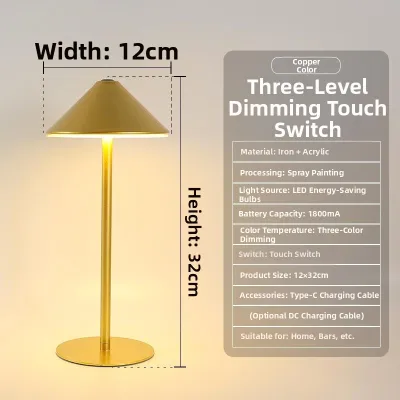
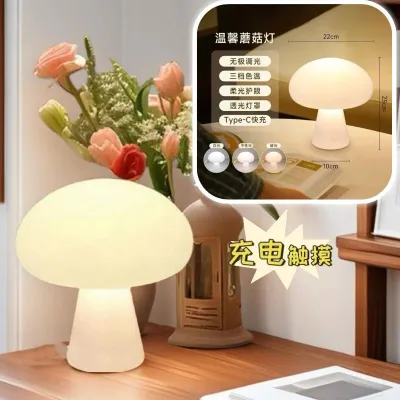
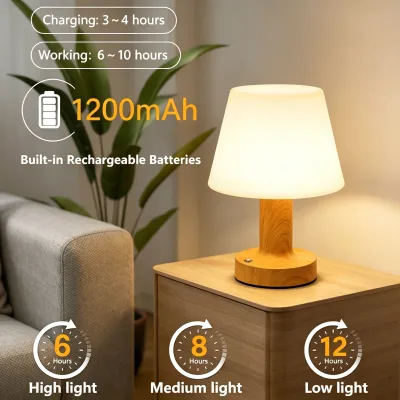
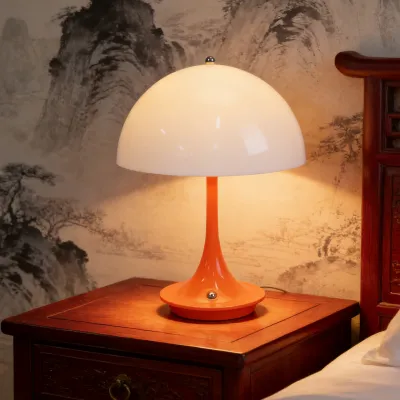
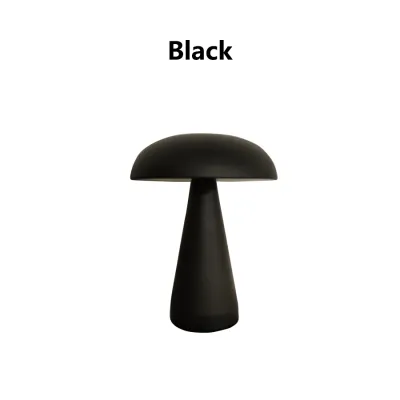
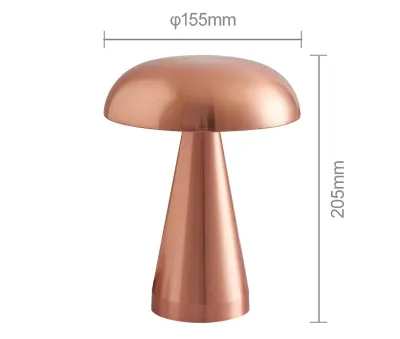
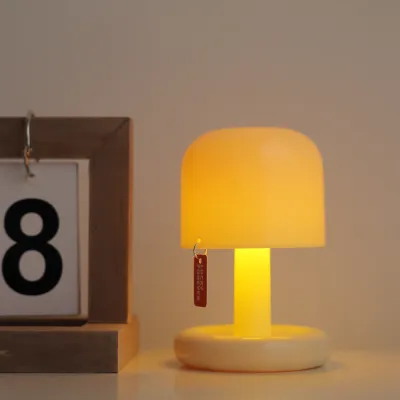
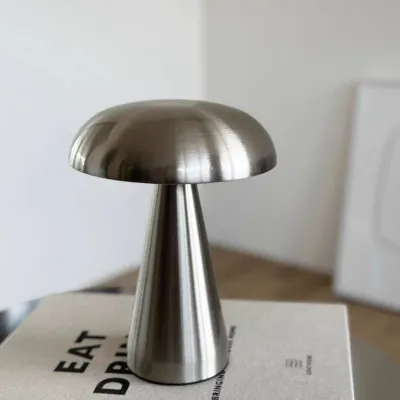
Prices are valid at publication and may change. Please refer to the product page for the latest price.
Budget alternatives rely heavily on injection-molded plastics, lightweight acrylics, or thin steel sheets finished with cheap electroplating. While these materials keep production costs low, they often feel lightweight and can scratch, scuff, or discolor over time. The visual difference is especially noticeable when the lamp is illuminated, as thin plastic shades can reveal uneven material thickness and look washed out.
Base weight and stability are critical safety considerations, particularly in households with active pets or young children. A top-heavy lamp with a lightweight plastic base is easily tipped over, risking damage to nearby items or the lamp itself. Premium lamps often feature weighted bases made of solid metal or cast iron hidden inside the bottom cover, keeping the center of gravity low.
To assess stability before buying, check the product’s net weight in the technical specifications. A sturdy table lamp should ideally weigh over one kilogram to remain securely anchored on a bedside table or desk. If you are shopping online, verify material claims by reading detailed specifications rather than relying on promotional titles, as terms like “metallic finish” often mask a plastic construction.
Lighting Performance and Electrical Features
Lighting quality is another area where budget and premium models diverge significantly. The Color Rendering Index (CRI) measures how accurately a light source reveals the true colors of your furniture, decor, and skin tones. Premium lamps generally feature high-CRI light sources (CRI 90 or above), which create a warm, natural, and inviting atmosphere. Budget lamps, especially those with cheap integrated LEDs, often have a lower CRI (below 80), which can make spaces look dull, cold, or slightly green.

Diffusion is equally important for a mushroom-shaped shade, which is designed to direct light downward while glowing softly. Premium glass or high-grade acrylic domes diffuse light evenly across the entire surface, eliminating harsh hotspots. Budget shades often fail to scatter light effectively, resulting in a bright, distracting glare concentrated around the bulb site.
Dimming mechanisms also vary by price tier. Premium lamps frequently utilize smooth rotary dials or high-quality capacitive touch sensors that offer flicker-free, stepless dimming from a bright reading light down to a soft nightlight. Budget models often rely on basic inline cord switches or low-grade touch sensors that only offer three rigid brightness steps and may buzz or flicker at lower settings.
Electrical safety should never be compromised for style. Portable lighting must comply with strict local safety standards to prevent overheating and electrical shocks. Before purchasing, verify that the lamp carries recognized electrical safety marks on its label or power adapter. Ensure the voltage rating is compatible with your home’s electrical system and that the plug type matches your wall outlets without requiring uncertified adapters.
Design Details and Long-Term Durability
Close inspection of a mushroom lamp’s joints and seams reveals the level of craftsmanship involved in its production. Premium designs prioritize clean lines, featuring seamless transitions where the dome shade meets the central stem. Fasteners, screws, and structural joints are carefully concealed within the body to preserve the lamp’s sculptural silhouette.
Budget models often exhibit visible manufacturing artifacts that detract from their appearance. You may find prominent mold lines on plastic domes, exposed screw heads under the shade, or visible adhesive lines where components were glued together. Over time, these weak joints can loosen, causing the shade to sit crookedly on the base.
Cord management is another subtle indicator of quality. A premium lamp treats the power cable as an integrated design element, often featuring a flexible, fabric-wrapped cord with a weighted strain relief where it exits the base. This ensures the cord lies flat and neat on your tabletop. Budget lamps typically use stiff, coiled PVC cords that resist straightening, which can pull a lightweight lamp off-balance and look untidy.
Long-term durability is also reflected in the manufacturer’s warranty and care support. Premium brands often provide multi-year warranties and stock replacement parts, such as spare glass domes or compatible light engines. Budget options rarely offer support beyond a standard return window, meaning a single cracked shade or failed integrated LED board could force you to discard the entire fixture.
How to Choose the Right Tier for Your Space
Selecting the right price tier depends on where the lamp will be placed and how often you will interact with it. A budget mushroom lamp is highly suitable for low-traffic decorative areas, temporary home staging, or secondary spaces like a guest bedroom. If the lamp is primarily meant to fill an empty corner on a bookshelf or serve as a seasonal accent, an affordable plastic or acrylic model provides the desired look without a major financial commitment.
Conversely, a premium lamp is the better investment for high-traffic focal points, such as a living room sideboard, an entryway console, or a primary bedside table. In these locations, you will benefit daily from the tactile satisfaction of high-quality materials, smooth dimming controls, and superior light quality. A premium lamp also holds up much better to daily handling and adjustments.
Environmental conditions should also influence your decision. In warm, humid climates, high humidity can accelerate the degradation of cheap materials. Low-grade plastics can become brittle and yellow when exposed to sunlight near windows, while thin, poorly plated metal finishes are prone to pitting and rust. Premium powder-coated metals, solid brass, and glass are highly resistant to these atmospheric conditions, ensuring your lamp retains its beauty for years to come.
Frequently Asked Questions (FAQ)
Can I upgrade a budget mushroom lamp with a smart bulb?
Many budget mushroom lamps feature integrated, non-replaceable LED boards rather than standard screw-in bulb sockets. If your lamp has an integrated LED, you cannot upgrade it with a smart bulb or replace the light source if it fails. Always check the product specifications to confirm if the lamp uses a standard socket, such as an E14 or E27 base.
Even if the lamp has a compatible socket, the enclosed dome shape of a mushroom lamp can cause smart bulbs to overheat, which shortens their lifespan. Additionally, if the lamp’s shade or body is made of metal, it can act as a shield that blocks or weakens Wi-Fi or Zigbee wireless signals. Always check the manufacturer’s maximum wattage and enclosure ratings before installing a smart bulb.
How do I safely clean a glass versus a plastic mushroom dome?
To clean a glass dome, use a soft microfiber cloth and a mild, ammonia-free glass cleaner. Always spray the cleaner directly onto the cloth rather than the lamp itself to prevent liquid from dripping into the electrical socket or base. Ensure the lamp is completely unplugged and the bulb has cooled down before you begin cleaning.
For plastic, acrylic, or resin domes, avoid harsh chemical cleaners, alcohol, or ammonia-based sprays, as these can cause permanent clouding, yellowing, or fine cracks on the surface. Instead, use a slightly damp microfiber cloth with a drop of mild dish soap, then wipe the surface dry with a clean cloth to prevent water spots. Always consult the product manual for specific material care instructions.
Community discussion
Share your experience or ask a question. Comments are reviewed before publication.