
Finding the correct replacement bulb for your home fixtures starts with identifying its connector type, which is the metal base that plugs or screws into the light socket. In Singapore homes, from classic HDB flats to modern condominiums, matching this connector precisely is essential to ensure electrical safety and proper fit. You can easily identify your bulb connector by looking at its shape—whether it screws in, twists and locks, or pushes straight in—and measuring the width of the base or the distance between its pins in millimeters.
How to Identify Your Existing Bulb Connector
To find the exact match for your light fixture, begin with a visual inspection of the bulb you want to replace. Note the physical design of the base. If it has a threaded metal screw pattern, it is an Edison screw base. If it features a smooth cylinder with two small protruding pins on opposite sides, it is a bayonet mount. If it has two sharp or blunt pins protruding directly from the bottom, it is a pin base.
Next, examine the light fixture itself for printed specifications. Manufacturers often print the required bulb type, maximum wattage, and connector code directly inside the socket cup, on a sticker attached to the fixture frame, or within the original product manual. These labels typically display alphanumeric codes like E27, B22, or GU10.
Products mentioned in this guide
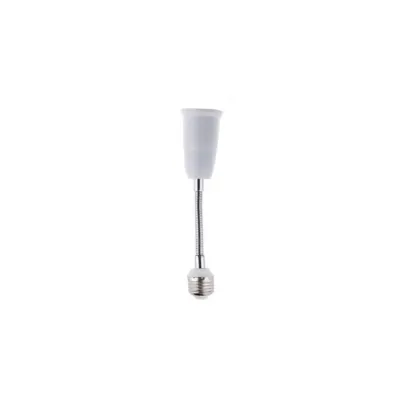
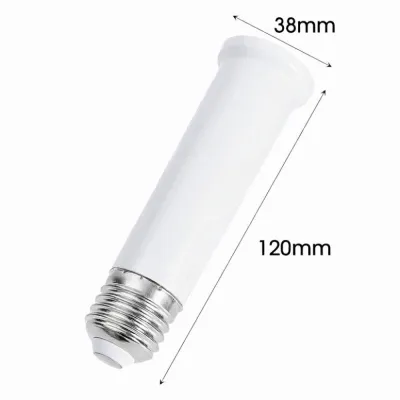
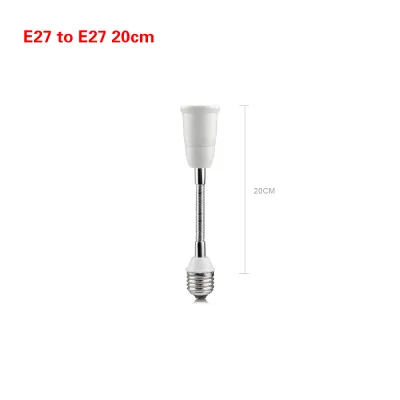
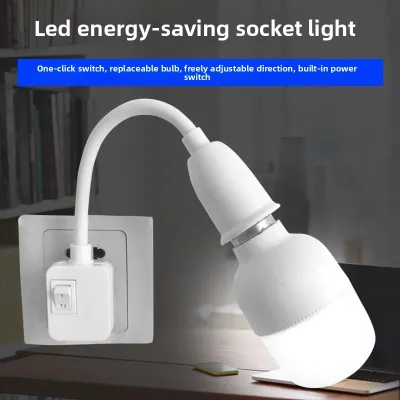
![⭐️ [SG SELLER] ⭐️ E27 Screw Socket In-line Lamp Holder / Home Energy Saving Wall Light Socket / ABS Synthetic Direct Plug In Light Bulb](https://img.lazcdn.com/g/p/483eb2b00481163fb2091a9d649ef49f.jpg_400x400q80.jpg_.webp)
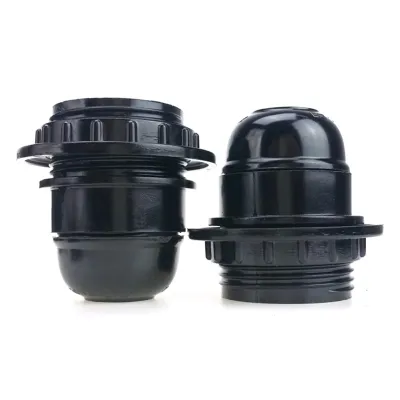
Prices are valid at publication and may change. Please refer to the product page for the latest price.
If the label has worn off or is difficult to read, you can measure the connector using a standard ruler or a caliper. For screw and bayonet bases, measure the outer diameter of the metal base in millimeters. For pin bases, measure the distance from the center of one pin to the center of the other. The resulting measurement in millimeters corresponds directly to the number in the connector’s industry code. For example, a screw base measuring 27mm in diameter is an E27 connector.
Common Bulb Connector Types Explained
Edison screw bases are among the most common connectors found in residential properties across Singapore. The standard large screw base is designated as E27, which measures 27mm in diameter and is widely used for general lighting in pendant lamps, wall fixtures, and floor lamps. The smaller counterpart is the E14 candelabra screw, measuring 14mm in diameter, which is typically found in decorative chandeliers and compact bedside table lamps.

Bayonet mounts, particularly the B22 base, utilize a push-and-twist locking mechanism. The bulb is pushed into the socket and turned slightly clockwise to lock the side pins into the matching slots. While less common in brand-new minimalist renovations, B22 connectors remain highly prevalent in older residential estates and utility rooms.
Pin and twist-lock connectors are standard for directional lighting and recessed downlights. The GU10 connector features two thick, button-like pins spaced 10mm apart; it requires a push-and-twist motion to secure it into the socket and is commonly used in mains-voltage track lighting and false ceiling downlights. Conversely, the MR16 (often utilizing a GU5.3 base) features two thin, sharp needle-like pins spaced 5.3mm apart. These bulbs typically push straight into the socket without twisting and often operate on low-voltage systems requiring a compatible transformer.
Crucial Electrical and Compatibility Checks
Before purchasing a new bulb from a local retailer or online marketplace, verify that its electrical specifications align with your fixture. Always locate the maximum wattage rating printed on the fixture housing. Installing a bulb that exceeds this limit can cause excessive heat buildup, damaging the socket or internal wiring.
Voltage compatibility is also critical. Singapore’s standard residential voltage is 230V. While mains-voltage bulbs like E27, B22, and GU10 connect directly to this supply, low-voltage pin bulbs like the GU5.3 require a step-down transformer. If you are upgrading to LED bulbs, ensure the existing transformer is compatible with low-draw LED technology to prevent flickering.
Dimming systems require careful matching. Standard dimmers designed for older incandescent bulbs often do not work correctly with modern LED bulbs. If your fixture is connected to a dimmer switch, verify that the replacement bulb is explicitly labeled as dimmable. For smart bulbs, they must generally be connected to a standard non-dimming switch and controlled via their dedicated app.
Safety must be your top priority. Before removing an old bulb or touching the inside of a socket, isolate the power supply by turning off the wall switch, or preferably, switching off the corresponding circuit breaker at your home’s main distribution board. If you observe exposed wires, cracked sockets, or if a bulb flickers persistently, stop using the fixture and consult a licensed electrical technician.
Frequently Asked Questions (FAQ)
Can I use an adapter to change my bulb connector type?
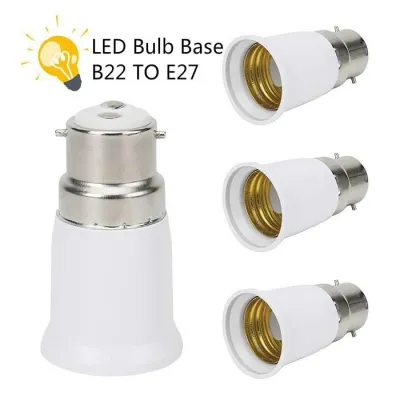
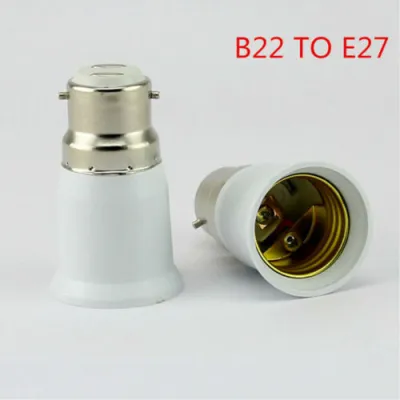
Yes, socket adapters are available to convert one connector type to another, such as converting an E14 socket to accept an E27 bulb. However, you must use them with caution. Adapters add physical length to the bulb assembly, which may cause the bulb to protrude awkwardly or touch the fixture’s shade. Additionally, you must ensure the total wattage of the new bulb does not exceed the maximum rating of either the adapter or the original fixture, as restricted airflow inside tight spaces can lead to heat accumulation.
What happens if I force a bulb into the wrong socket?
Forcing an incompatible bulb into a socket can cause permanent physical and electrical damage. You risk cracking the glass envelope of the bulb, bending or snapping the delicate contact pins, or warping the metal contacts inside the socket. This physical damage can lead to poor electrical contact, localized overheating, or a direct short circuit when the power is turned back on. If a bulb does not slide or twist smoothly into place with minimal pressure, it is the incorrect connector type.
Community discussion
Share your experience or ask a question. Comments are reviewed before publication.