
Installing a Bull ceiling fan in a Singapore HDB flat with a standard 2.6-meter ceiling height is entirely possible, but it requires careful planning and precise measurements to ensure safety and comfort. Because a 2.6-meter ceiling height leaves very little vertical margin, selecting the wrong fan profile can result in a low-hanging hazard or poor airflow. To make a safe and functional choice, you must evaluate the fan’s total drop length, understand the structural requirements of your ceiling, and ensure the installation complies with local safety standards.
Understanding Ceiling Clearance Requirements for HDB Flats
Maintaining proper clearance between the ceiling fan blades and the floor is the most critical safety factor when planning an installation. Standard residential safety guidelines generally recommend a minimum blade-to-floor clearance of 2.1 to 2.3 meters. In a household with taller occupants, aiming closer to 2.3 or 2.4 meters is highly advisable to prevent accidental contact when raising arms or moving items. With a starting ceiling height of 2.6 meters, any fan you choose must have a total vertical drop of no more than 30 to 50 centimeters to remain within these safe boundaries.
To determine your actual clearance, you must measure the exact ceiling height of your room rather than relying solely on standard building blueprints. Floor renovations can significantly alter your vertical space. For instance, installing thick floor screed, heavy ceramic tiles, or luxury vinyl tiles can raise the floor level by several centimeters. If you plan to place the fan over a raised platform bed or a step-up tatami area, the effective ceiling height in that specific zone will be much lower, making a standard ceiling fan unsafe for that part of the room.
Products mentioned in this guide

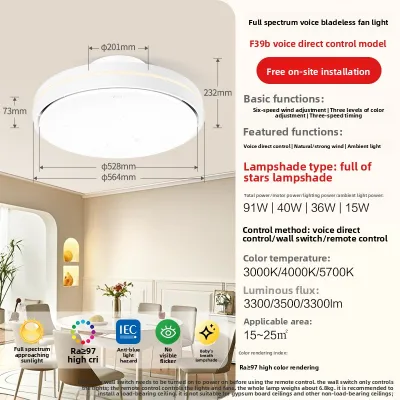
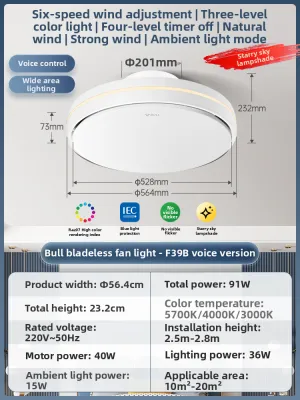
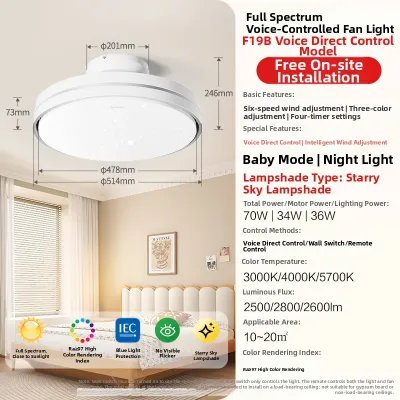
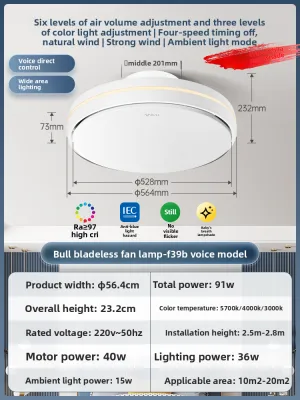
Prices are valid at publication and may change. Please refer to the product page for the latest price.
Low clearance does not just affect safety; it also impacts the aerodynamic performance of the fan. When fan blades spin too close to the ceiling, the space available for air intake is restricted, which can starve the fan of air and cause choppy, inefficient airflow. Conversely, if the fan hangs too low, the downward cone of air is concentrated in too small an area, creating an uncomfortable, high-velocity draft directly underneath while leaving the rest of the room stagnant. Ensuring the blades sit at an optimal height balances safety with efficient, gentle air circulation.
Evaluating Bull Ceiling Fan Designs for Low Ceilings
When browsing Bull ceiling fan models, the physical design of the fan determines its compatibility with a 2.6-meter ceiling. Ceiling fans generally fall into two categories: flush-mount (also known as hugger) designs and downrod-mounted models. Flush-mount fans are engineered specifically for low-ceiling environments, mounting directly against the ceiling bracket to keep the blades as high as possible. Downrod models use a metal suspension rod, which is excellent for high ceilings but can make the fan hang dangerously low in a standard HDB flat unless a very short downrod is used.

To verify if a specific Bull model will fit, you must locate the technical specification sheet and check the “hanging height” or “ceiling-to-blade distance.” Do not rely on the overall height of the fan alone, as the bottom of the light kit or motor housing often extends lower than the blades themselves. The critical measurement for physical safety is the distance from the ceiling to the lowest point of the spinning blades. For a 2.6-meter ceiling, prioritize models that keep this ceiling-to-blade distance under 30 centimeters.
Blade span and motor housing size also play a significant role in how the fan fits the room visually and physically. A massive 56-inch fan in a compact HDB bedroom can create a visually oppressive, cramped feeling and may cause a distracting strobing effect if the blades pass directly beneath ceiling lights. For typical HDB bedrooms, a blade span of 36 to 44 inches is usually more appropriate, while larger 48 to 54-inch models are better suited for living rooms, provided the vertical drop remains within safe limits.
Before purchasing, always verify the electrical specifications of the fan. Ensure the model is rated for Singapore’s standard voltage of 220V-240V and operates at a 50Hz frequency. Checking for recognized safety certifications, such as the local Safety Mark, ensures the motor, internal wiring, and receiver have undergone rigorous testing for electrical safety and fire prevention under continuous operation.
HDB Installation Constraints and Safety Boundaries
Mounting a ceiling fan in an HDB flat requires a clear understanding of your ceiling’s structural composition. Most HDB ceilings consist of solid, reinforced concrete slabs. Installing a fan on a concrete ceiling requires drilling precise holes and using heavy-duty masonry expansion bolts or concrete sleeve anchors. These anchors must be rated to support not just the static weight of the fan, but also the dynamic load and vibrations generated when the fan operates at its highest speed.
If your HDB flat features a false ceiling, which is common in renovated spaces to conceal wiring or air conditioning ducts, you cannot mount the fan directly to the plasterboard. Plasterboard lacks the structural integrity to support a spinning fan and will eventually fail, posing a severe safety hazard. Instead, the installer must use a specialized metal support bracket or a suspension rod that bypasses the false ceiling entirely, anchoring securely into the concrete slab above.
Electrical preparation is another critical step in the installation process. You must verify that the existing ceiling point is properly wired and that the wall switch is compatible with the fan’s control system, especially if the fan features a dimmable LED light kit or a multi-speed DC motor. Older wiring may need to be inspected to ensure it can safely handle the electrical load without overheating.
Because ceiling fans are heavy, suspended electrical appliances, safety boundaries must be strictly respected. Always isolate the power at the main distribution board before attempting any electrical work. Working at height on ladders carries inherent risks of falls and injuries. If the installation requires running new electrical conduits, reinforcing a false ceiling, or if you are unfamiliar with electrical wiring, you should stop any DIY attempts and engage a qualified professional or a licensed electrical worker to complete the job safely.
Adjusting Placement and Exploring Alternatives
If you find that your preferred Bull ceiling fan model hangs slightly too low for comfort, strategic placement can help mitigate safety risks. Avoid installing the fan directly above high-traffic pathways, such as the immediate entryways of bedrooms or the main walkway of your living room. Additionally, ensure the fan is positioned far away from tall furniture, such as wardrobes with outward-swinging doors, or bunk beds where children could easily reach out and touch the spinning blades.
In cases where ceiling clearance is strictly insufficient—such as in rooms with deeply dropped false ceilings or raised platform floors—it is wise to explore alternative cooling solutions. Wall-mounted fans are an excellent alternative, providing directional airflow across the room without occupying any vertical ceiling space. High-velocity floor air circulators are another highly effective option, as they can be placed in corners to push air upward and maintain consistent circulation throughout the living space.
For those who still want the benefits of a ceiling fan but have limited vertical clearance, a hybrid cooling strategy works exceptionally well. You can pair a very compact, ultra-low-profile ceiling fan with your air conditioning system. Operating a low-profile fan at a low speed helps distribute the cooled air rapidly across the room, allowing you to set your air conditioner to a higher, more energy-efficient temperature while maintaining a high level of thermal comfort.
Frequently Asked Questions (FAQ)
Do I need a special HDB permit to install a ceiling fan?
Generally, you do not need to apply for a formal permit from HDB to install a standard ceiling fan on a concrete ceiling. However, the installation must comply with standard safety guidelines, and the fan must be mounted securely to avoid structural hazards. If your installation involves extending or modifying the existing electrical wiring, the work must be performed by a licensed electrical worker to ensure compliance with local electrical safety regulations.
Can a Bull ceiling fan be installed on a false ceiling?
Yes, but it cannot be mounted directly onto the plasterboard of the false ceiling itself. The plasterboard is not designed to support the dynamic weight and vibrations of a spinning fan. To install the fan safely, a professional installer must mount a heavy-duty metal bracket or support rod directly to the concrete slab above the false ceiling, ensuring the fan’s weight is fully supported by the building’s concrete structure.

Community discussion
Share your experience or ask a question. Comments are reviewed before publication.