
Solar stone lights can successfully survive Singapore’s relentless heavy rain and high humidity, but their long-term survival depends entirely on their build quality and specific engineering standards. While these decorative fixtures are designed for outdoor use, the extreme tropical climate of Singapore—characterized by sudden torrential downpours and near-saturation humidity levels—will rapidly destroy sub-par products. To ensure your outdoor lighting investment lasts, you must look beyond generic marketing labels and understand the technical specifications that guarantee true environmental resilience.
Singapore's Climate Challenges for Outdoor Solar Lights
Singapore’s tropical rainforest climate presents a uniquely hostile environment for outdoor electronic devices. With an average relative humidity that frequently hovers between 60% and 100%, and an annual rainfall that often exceeds 2,000 millimeters, outdoor fixtures are subjected to near-constant moisture exposure. This environment is further complicated by intense, direct equatorial sunlight and high UV radiation during clear periods, creating a cycle of extreme thermal expansion and contraction alongside moisture stress.
These climate factors specifically target the structural vulnerabilities of a solar stone light. High humidity means that moisture does not merely fall as rain; it exists as suspended water vapor that can penetrate microscopic gaps in the light’s housing. Once inside, this moisture condenses on sensitive electronic components, leading to rapid corrosion of copper traces, battery terminals, and LED solder joints.
Products mentioned in this guide
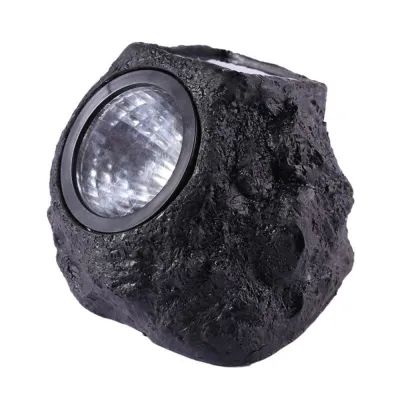
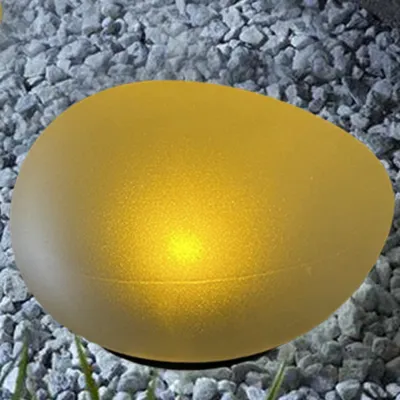
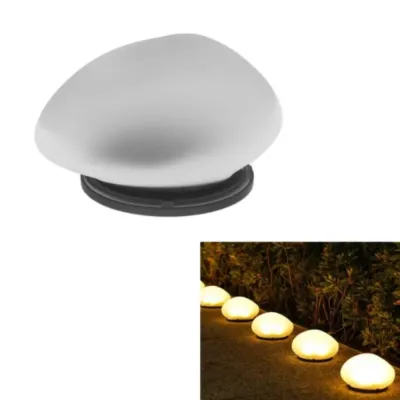
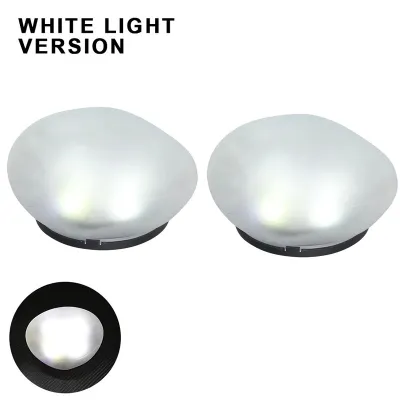
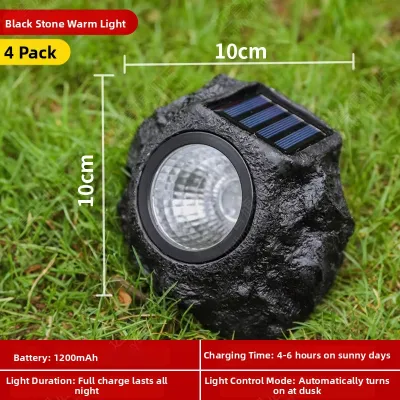
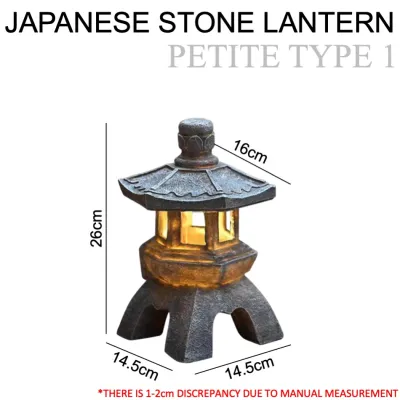
Prices are valid at publication and may change. Please refer to the product page for the latest price.
Furthermore, the frequent heavy downpours characteristic of the monsoon seasons can create temporary pooling and high-velocity water impacts. If a solar stone light is positioned in a garden bed or along a pathway, it must be able to withstand both direct overhead pelting and potential splashback from the ground. Without robust protection, water will inevitably find its way into the battery compartment, causing short circuits and permanent battery failure.
The intense tropical sun also poses a significant threat to the exterior of the light. Many solar stone lights utilize faux-stone housings crafted from resin, plastic, or composite materials to mimic natural rock. Unprotected polymers degrade rapidly under strong UV rays, leading to a process known as chalking, where the surface becomes powdery, brittle, and prone to micro-cracking. Once the outer shell cracks, the internal electronics lose their primary defense against the next heavy downpour.
Essential Specifications for Tropical Durability
To select a solar stone light capable of enduring Singapore’s climate, you must evaluate specific technical criteria. Relying on vague product descriptions such as “water-resistant” or “weatherproof” is highly risky, as these terms lack standardized definitions and often fail under tropical conditions. Instead, look for concrete specifications and certifications on the manufacturer’s label.

Ingress Protection (IP) Ratings
The Ingress Protection rating is the most critical metric for assessing water and dust resistance. An IP rating consists of two digits: the first represents protection against solid objects (0 to 6), and the second represents protection against liquids (0 to 9). For Singapore’s heavy rains, a minimum rating of IP65 is highly recommended. An IP65 rating indicates that the light is completely dust-tight and can withstand water jets projected by a nozzle from any direction. If you plan to place the lights in low-lying garden areas prone to temporary pooling during intense storms, look for an IP67 rating, which certifies that the fixture can withstand temporary immersion in water up to one meter deep for 30 minutes.
Material Composition and UV Resistance
The faux-stone housing must be constructed from high-quality, UV-stabilized materials. Look for products that explicitly state the use of UV-resistant acrylics, high-density polyethylene (HDPE), or advanced polyresins. These materials are treated with chemical stabilizers that absorb or dissipate harmful ultraviolet radiation, preventing the housing from becoming brittle, fading, or cracking over years of exposure to the equatorial sun. Natural stone or glass housings are excellent alternative choices, as they are inherently immune to UV degradation, though they may be heavier and require more secure placement.
Battery Compartment Sealing
Because high humidity can slowly compromise internal electronics, the design of the battery compartment is paramount. High-quality solar stone lights feature a dedicated, sealed battery compartment separate from the main housing. This compartment should be secured with stainless steel screws to prevent rust and equipped with a thick, high-quality rubber gasket or silicone O-ring. When the compartment is closed, this seal compresses to form an airtight barrier, preventing humid air and liquid water from reaching the rechargeable battery cells.
Solar Panel Integration and Quality
The solar panel itself is another common point of failure in tropical environments. Cheap solar lights often use epoxy-encapsulated solar panels, which degrade quickly under intense UV light and high humidity, leading to delamination—a process where the protective top layer separates from the solar cells, allowing moisture to seep in. For long-term durability, select solar stone lights that feature laminated tempered glass solar panels or high-quality monocrystalline panels integrated seamlessly into the stone housing with a durable polyurethane or silicone sealant.
Electrical Certification and Compatibility
Even though solar stone lights operate on low-voltage direct current (DC) powered by internal batteries, they must still comply with basic electrical safety standards. Check for recognized international certifications such as CE, RoHS, or local safety marks that verify the quality of the internal circuitry and battery management systems. Ensure that the battery chemistry (typically Lithium-ion or Nickel-Metal Hydride) is rated for high-temperature environments, as temperatures inside a sealed solar light sitting in direct sunlight can easily exceed 50 degrees Celsius.
In the Singapore market, solar stone lights generally fall into three price tiers. Budget options ranging from S$10 to S$25 often feature basic IP44 ratings and epoxy panels, making them less suitable for long-term outdoor exposure. Mid-range fixtures from S$25 to S$60 typically offer robust IP65 protection, UV-stabilized resins, and reliable monocrystalline panels. Premium models priced above S$60 often incorporate natural stone housings, IP67 waterproofing, and advanced lithium-iron-phosphate (LiFePO4) batteries designed for superior heat resistance.
Maintenance Routine for High Humidity and Heavy Rain
Even the most durable, high-spec solar stone light requires regular maintenance to perform optimally in Singapore’s demanding climate. Implementing a simple, routine upkeep schedule will significantly extend the lifespan of your fixtures and ensure they continue to illuminate your outdoor spaces reliably. Always consult the manufacturer’s care instructions before performing any maintenance.
Solar Panel Cleaning
Singapore’s frequent rain can wash away some loose dust, but it also leaves behind mineral spots, organic debris, and pollen that form a thin film over the solar panel. This film blocks sunlight and reduces charging efficiency, which is particularly problematic during overcast monsoon seasons. To clean the panel, gently wipe the surface with a soft, microfiber cloth dampened with clean water. Avoid using abrasive sponges, harsh chemical detergents, or dry cloths, as these can scratch the protective glass or plastic coating, permanently reducing light transmission and charging capability.
Moisture and Seal Checks
At least twice a year, or after an exceptionally prolonged period of heavy rain, perform a visual inspection of your solar stone lights. Look closely at the seams of the housing and the clear cover over the LED and solar panel. If you notice any internal condensation, fogging, or droplets of water, the seals may have degraded or been improperly seated. Carefully open the battery compartment according to the manufacturer’s instructions, check for any signs of moisture or early corrosion on the contacts, and allow the interior to dry completely in a well-ventilated, dry indoor area before reassembling. If a rubber gasket appears cracked, dry, or flattened, replace it if possible, or apply a thin layer of silicone grease to help restore its sealing properties.
Base and Drainage Management
The physical placement of your solar stone lights plays a crucial role in their survival. Avoid placing the lights in natural depressions, clay-heavy soils, or garden beds that drain poorly and tend to accumulate standing water after a downpour. Even an IP65-rated light should not sit in stagnant water for extended periods. Position the lights on slightly elevated ground, on top of well-draining gravel beds, or on paved surfaces where water can drain away freely. If you must place them in garden soil, consider raising them slightly on a bed of small pebbles to keep the base clear of mud and pooling water.
Monsoon Precautions
During periods of intense, continuous rainfall, such as the Northeast Monsoon, standard outdoor conditions can escalate quickly. While high-quality IP65 or IP67 lights do not need to be brought indoors for normal rain, extreme weather can cause localized flash flooding. If you anticipate that your garden or pathway will experience deep water accumulation, temporarily relocate the lights to a higher, dry area. This simple, low-risk precaution prevents the lights from being subjected to prolonged submersion that exceeds their design limits.
Warning Signs of Moisture Damage and When to Replace
Despite your best efforts, the harsh combination of humidity, heat, and rain may eventually take a toll on your outdoor lighting. Recognizing the early warning signs of moisture damage allows you to take corrective action before the fixture is permanently ruined. Conversely, knowing when a light has reached the end of its safe operational life prevents electrical hazards and unnecessary troubleshooting.
Early Visual and Functional Symptoms
The most common early sign of water ingress is persistent fogging or condensation on the inside of the solar panel or the LED protective lens. While a minor, temporary misting can sometimes occur due to rapid temperature changes, persistent water droplets indicate a compromised seal. Functional signs include flickering LEDs, lights that turn on during the day, or lights that fail to turn on at all despite receiving full sunlight. These symptoms point to moisture short-circuiting the internal light sensor or control board.
Distinguishing Battery Degradation from Moisture Failure
It is important to differentiate between a naturally degrading rechargeable battery and a climate-induced failure. Rechargeable batteries (such as NiMH or Li-ion) naturally lose their capacity over two to three years of daily charge cycles, resulting in a gradually shortened nighttime runtime. If your light charges normally but slowly fades earlier in the night over several months, the battery likely needs replacement. However, if the light suddenly stops working, operates erratically, or the battery compartment shows green or white powdery corrosion, moisture has breached the housing, and the failure is climate-induced.
Safety Boundaries and Proper Disposal
If you discover severe cracks in the faux-stone housing, exposed internal wiring, or extensive corrosion throughout the battery compartment and circuit board, do not attempt to repair or reuse the light. Operating a compromised electronic device outdoors poses safety risks, including potential short circuits. Safely deactivate the light if possible, remove the rechargeable battery, and dispose of both the battery and the electronic housing according to local Singapore e-waste management guidelines. Many retail outlets and community centers across Singapore offer dedicated e-waste recycling bins where these components can be safely processed.
Frequently Asked Questions (FAQ)
Do solar stone lights charge effectively during cloudy and rainy days?
Yes, solar stone lights can still charge during cloudy and rainy days, but their efficiency will be significantly reduced. Modern photovoltaic panels, especially monocrystalline types, are capable of capturing diffuse sunlight that penetrates through cloud cover. However, because the intensity of diffuse light is much lower than direct sunlight, the solar panel will generate less electrical current. Consequently, the battery will not reach a full charge, resulting in a shorter nighttime runtime. During prolonged monsoon periods with consecutive overcast days, expect the lights to shine dimly or turn off much earlier than usual. To maximize charging efficiency, ensure the lights are placed in open areas free from overhead foliage or building shadows.
Should I bring my solar stone lights indoors during heavy thunderstorms?
If your solar stone lights carry an IP65 rating or higher, they are engineered to remain outdoors during standard heavy thunderstorms and do not need to be brought inside. These fixtures are built to withstand the high-velocity water droplets and wind-driven rain typical of Singapore’s weather. However, if your property is prone to water pooling or flash flooding, or if the lights are positioned in low-lying garden beds where water accumulates, you should temporarily move them to higher ground. Standard IP65 lights are not designed for continuous submersion; leaving them submerged in standing water will lead to rapid seal failure and permanent internal damage.
Community discussion
Share your experience or ask a question. Comments are reviewed before publication.