
To choose the perfect candle holder, you must match the holder’s physical dimensions and material properties to the specific physical format of your scented candle. Scented candles—ranging from self-contained jars to freestanding pillars, delicate tea lights, and fully liquefying votives—each possess distinct burning behaviors, heat profiles, and structural needs. A mismatch can lead to uneven burning, damaged surfaces, cracked glass, or serious fire hazards. By measuring the candle’s outer diameter, verifying the holder’s internal clearance, and selecting materials that can withstand localized thermal stress, you ensure a safe, clean, and highly aromatic burn.
Understanding Scented Candle Formats and Their Holder Needs
Before selecting a candle holder, it is essential to understand the structural differences between the four primary scented candle formats. Each format behaves differently when lit, which dictates the type of physical support, wax containment, and heat management it requires from a holder.
Jar candles consist of scented wax poured directly into a glass, ceramic, or metal vessel. Because the wax is already fully contained, the primary role of a jar candle holder is to provide thermal insulation for the underlying surface, stabilize the heavy vessel, and complement the room’s decor. The heavy glass or ceramic jar shifts the center of gravity upward as the wax burns down, demanding a wide, stable base that prevents tipping.
Products mentioned in this guide
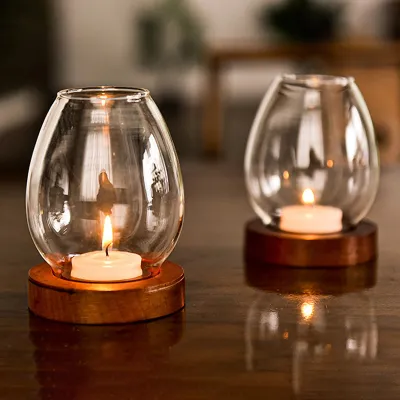
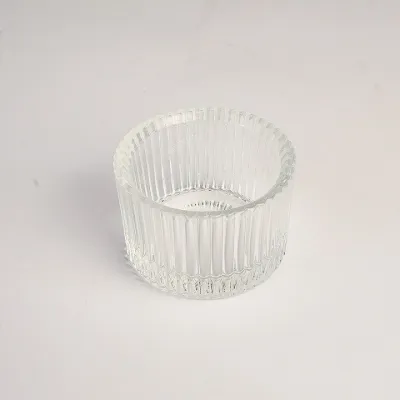
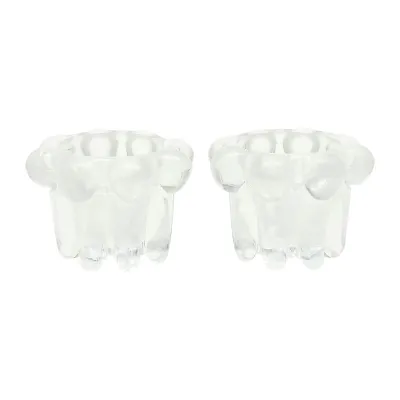
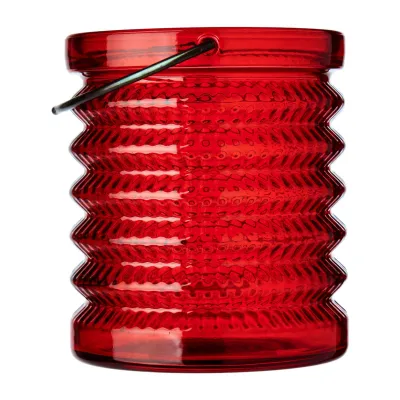

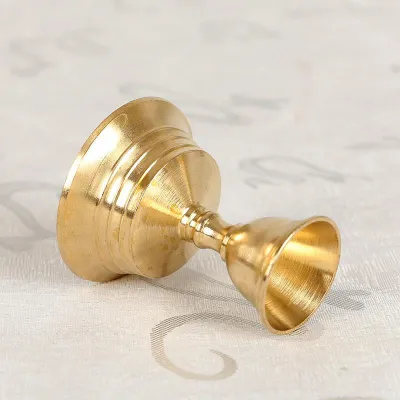
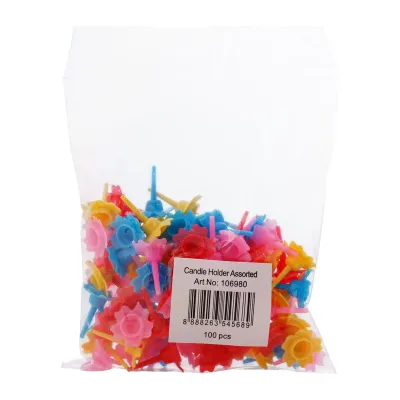
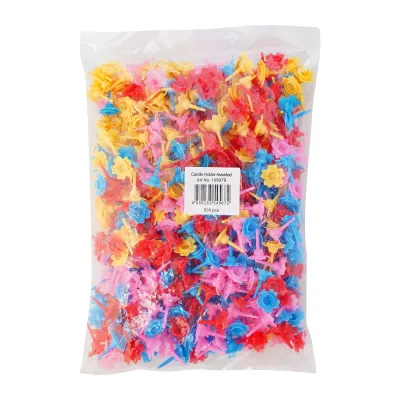
Prices are valid at publication and may change. Please refer to the product page for the latest price.
Pillar candles are freestanding blocks of dense wax designed to hold their shape as they burn. However, as the flame melts the core, the outer wax walls can breach, leading to sudden spills. A pillar candle requires a flat, sturdy pedestal or plate with a raised lip to catch escaping liquid wax. Because they lack an external container, their stability depends entirely on a perfectly flat, wide base support.
Tea lights are miniature, shallow portions of wax housed in thin aluminum, copper, or clear plastic cups. They are designed to liquefy completely within their cups. Because they generate high heat at the base despite their small size, tea light holders must offer excellent heat resistance at the contact point while providing decorative diffusion of the low-lying flame.
Votive candles, often confused with tea lights, are small, freestanding cylinders of wax without an integrated cup. Unlike pillars, votives are formulated to liquefy entirely during use. Therefore, a votive candle must never be burned on a flat plate; it requires a tight-fitting, high-walled glass or ceramic cup that forces the liquid wax to pool around the wick, ensuring a complete and safe burn.
How to Measure and Match Candle Holder Dimensions
Achieving a precise physical match between your candle and its holder requires accurate measurements of diameter, depth, and structural clearance. Relying on visual estimation often results in holders that are either too tight—causing glass breakage—or too loose, which allows the candle to tilt dangerously.

Start by measuring the absolute widest part of your candle’s base using a flexible measuring tape or ruler. For jar candles, measure the outer diameter of the glass vessel’s bottom. For freestanding pillars and votives, measure the wax base. When shopping for a candle holder, compare this measurement against the manufacturer’s specified “inner diameter” rather than the overall outer width.
A compatible holder must provide a slight clearance—ideally between 2 to 5 millimeters of breathing room around the candle’s perimeter. This gap allows for easy insertion, prevents vacuum suction when removing the candle, and accommodates minor manufacturing variances in hand-poured wax or blown glass.
The height of the holder’s walls must be carefully balanced against the height of the candle. For container-based formats like tea lights and votives, the holder’s inner depth should ideally match or slightly exceed the candle’s height, leaving a protective rim that shields the flame. For tall pillar candles, the height-to-width ratio is critical for mechanical stability. A tall, heavy pillar requires a holder with a base diameter that is at least 1.5 times the width of the candle itself to prevent the assembly from becoming top-heavy.
Air circulation is vital for a clean burn and heat dissipation. Enclosed holders, such as glass hurricanes or lantern boxes, must feature sufficient internal volume. Always ensure there is at least 10 to 15 millimeters of lateral clearance between the candle’s flame zone and the inner walls of an enclosed holder. This space prevents heat from building up to dangerous levels, which can cause glass holders to shatter due to thermal shock or cause the candle wax to melt prematurely from the sides.
When measuring curved, tapered, or irregular holders, a flexible sewing tape measure is invaluable. If you are purchasing online from home decor retailers, always check the product description for “internal dimensions” or “insert size.” If these specifications are missing, contact the seller to verify the exact base clearance before making a purchase.
Pairing Holder Styles and Designs with Specific Candle Types
Selecting the right style of candle holder is a matter of matching structural safety with visual harmony. Different holder designs are engineered to handle the specific thermal and physical footprints of each candle format.
Because jar candles are self-contained and heavy, they pair exceptionally well with decorative plates, wide ceramic trays, or large glass hurricane lanterns. The primary design goal here is to elevate the hot bottom of the jar off delicate surfaces while framing its existing aesthetic. When using a hurricane lantern, ensure the lantern’s base is completely flat and significantly wider than the jar’s widest point. This setup ensures that even if the lantern is bumped, the heavy jar inside will not slide or tip against the glass walls.
Pillar candles look best and burn safest on pedestal stands, multi-tiered candelabras, or flat, wide pillar plates made of heavy materials like marble, cast iron, or thick ceramic. The holder’s platform must feature a slight central depression or a raised outer rim to contain any unexpected wax runoff. When using a tall pedestal holder, the weight of the holder’s base must exceed the weight of the fully unburned pillar candle to keep the center of gravity low and stable.
Because tea lights are small and self-contained, their holders can be highly creative and decorative. Popular styles include delicate colored glass cups, carved salt blocks, intricate metal filigree holders, and floating water bowls. The primary structural requirement is that the base of the holder must withstand the concentrated, localized heat of a fully liquefied tea light. Floating water bowls are an excellent tropical option for homes, as the water naturally disperses heat while creating a beautiful, reflective light effect.
Votive holders must always be snug, heavy-duty glass or ceramic cups. Because the votive candle will melt into a complete pool of liquid wax, the holder acts as the temporary vessel. The cup must be heat-resistant and narrow enough to keep the liquid wax concentrated around the wick; if the holder is too wide, the wax will spread out too thinly, causing the wick to drown or burn out prematurely.
Safety Clearances and Heat Protection for Candle Holders
Operating candles safely in a home environment requires strict adherence to physical clearances, material thermal limits, and surface protection. Scented candles generate significant heat, and without proper precautions, this thermal energy can damage furniture or compromise the structural integrity of the holder itself.
Before pairing any candle with a holder, first check the candle’s applied product label and the holder’s manufacturer instructions. If instructions conflict, the items are unidentified, or your intended use is not covered, stop and consult the manufacturer or a qualified professional.
The walls of a candle holder serve a dual purpose: protecting the flame from ambient drafts and containing heat. In typical living environments, indoor drafts from air conditioning units or ceiling fans can cause a candle flame to flicker wildly. A flickering flame burns inefficiently, producing excess soot and transferring uneven heat to one side of the holder. Choose holders with rims high enough to shield the flame from direct airflow, but ensure there is a wide open top to allow adequate oxygen intake and prevent heat from pooling at the rim.
Before placing a burning candle into any holder, check the manufacturer’s label or care instructions for explicit heat tolerance ratings. This is especially critical for holders constructed from mixed materials, such as painted glass, wood, resin, or delicate crystal. Avoid using holders made of flammable materials like untreated wood, plastics, or thin paper elements. If a holder’s heat resistance is unverified, do not use it with high-heat candles like pillars or votives.
Additionally, if you are using an electric candle warmer or an active heated decorative holder, always verify the voltage, base or interface compatibility, wattage limits, installation environment, and electrical certifications before use. For any fixed or suspended lighting installations that incorporate candle elements, ensure proper power-isolation, follow the manufacturer’s installation instructions, and consult a qualified professional.
Even high-quality glass and metal candle holders transfer significant heat to the surfaces they rest on. To protect wooden tables, marble countertops, or lacquer finishes from heat scarring and accidental wax drips, always place a secondary heat-resistant barrier beneath the holder. A simple cork coaster, felt pad, or ceramic trivet works exceptionally well to isolate thermal energy and prevent permanent discoloration of your furniture.
Always analyze the combined center of gravity of the candle and holder assembly. Placing a tall, heavy, 500-gram jar candle on a narrow, spindly metal pedestal creates an unstable arrangement that can easily tip over if brushed against. Keep heavy candles on low, wide-base holders, and reserve elevated stands for lightweight tea lights or short, well-balanced pillars.
Common Sizing and Matching Mistakes to Avoid
Avoiding common mistakes during the selection and setup process will prolong the life of your candles and keep your home safe from fire hazards.
Never force a candle into a holder that is slightly too small. Squeezing a wax pillar or a glass jar into a tight opening can crack glass vessels, split the wax, or compress the wick assembly. If a candle does not slide in smoothly with a few millimeters of clearance, choose a larger holder.
Using a shallow decorative plate or a tea light holder for a votive candle is a major safety hazard. Because votives are designed to liquefy completely, a shallow holder will allow hot, liquid wax to spill over the edges, creating an intense mess and presenting a serious risk of igniting nearby materials.
Placing a wide jar candle on a holder with a narrow base is a frequent decorator’s error. The top-heavy distribution makes the setup highly susceptible to tipping, especially in high-traffic areas of the home.
Bare pillar candles are highly prone to “tunneling” or “blowouts” where the outer wax wall collapses. Placing a pillar on a flat plate without a raised rim or on a pedestal that is too narrow will inevitably result in hot wax dripping onto your furniture, which can be difficult to clean and may ruin delicate wood grains.
Frequently Asked Questions (FAQ)
Can I use a pillar candle holder for a jar candle?
It is generally not recommended to use a standard pillar candle holder for a jar candle unless the holder features an exceptionally wide, flat, and heavy base. Many pillar holders are designed with elevated, narrow pedestals or central spikes intended to anchor soft wax blocks. A heavy, glass-enclosed jar candle placed on a narrow pedestal creates a highly unstable, top-heavy setup that can easily tip over. Furthermore, a central spike will prevent a flat-bottomed glass jar from sitting level. For jar candles, it is much safer to use flat, wide decorative trays, heavy stone plates, or low-profile trivets that fully support the entire diameter of the jar’s base.
How do I safely remove a stuck candle from a glass holder?
To safely remove a candle or leftover wax that has become stuck inside a glass holder, use gentle, temperature-based methods rather than force. The most effective approach is to place the glass holder in the freezer for approximately 30 to 60 minutes. The cold temperature causes the wax to contract and shrink, allowing it to pop out easily with light pressure. Avoid using boiling water, sharp metal knives, or metal tools to scrape the wax, as sudden extreme temperature changes (thermal shock) or physical scratching can weaken, crack, or shatter the glass holder. Always check the manufacturer’s care instructions for your specific holder before attempting any cleaning method.
Community discussion
Share your experience or ask a question. Comments are reviewed before publication.