
Creating an authentic pooja room atmosphere at home relies on selecting candle holders that honor traditional sacred aesthetics while meeting modern safety and spatial requirements. The right choices—often crafted from brass, bronze, terracotta, or carved stone—naturally complement classic wooden mandirs and contemporary altars alike. These materials provide the necessary weight and heat resistance for daily rituals, helping to establish a serene environment conducive to prayer and meditation.
Light, or jyoti, holds profound symbolic significance in daily prayers, representing the triumph of knowledge over ignorance and bringing a calming focus to the household. The gentle flicker of a flame invites mindfulness, transforming a quiet corner of a modern apartment into a dedicated sanctuary for spiritual reflection. By choosing a holder that elevates the flame, you create a clear focal point that draws the eye and centers the mind during busy daily routines.
Achieving visual harmony requires a thoughtful balance between the candle holder and your existing mandir design. Whether you have a beautifully carved teak wood cabinet or a sleek, wall-mounted acrylic shelf, the holder must serve as a stable anchor for the flame without overwhelming the sacred idols or floral arrangements. The goal is to complement, rather than compete with, the existing spiritual elements in your sacred space.
Products mentioned in this guide
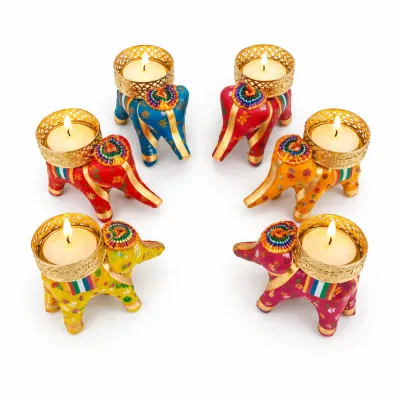
Prices are valid at publication and may change. Please refer to the product page for the latest price.
In high-density urban living spaces, balancing this decorative essence with functional stability is paramount. Daily rituals involve movement—offering flowers, waving incense, and reciting prayers—which means every candle holder must offer reliable physical stability to prevent accidental tipping. Selecting holders with a low center of gravity and a substantial base ensures that the spiritual ambiance remains peaceful and secure.
Key Selection Criteria for Pooja Room Candle Holders
Selecting the right candle holder involves evaluating several practical dimensions to ensure it integrates seamlessly into your daily spiritual routine. The first consideration is material compatibility. Traditional materials like brass and clay are highly favored not just for their cultural resonance, but because they possess the thermal mass required to withstand prolonged exposure to open flames without cracking, warping, or transferring excessive heat to the underlying surface.
Design compatibility is equally crucial. If your home features a classic wooden mandir with intricate carvings, ornate brass holders with traditional motifs—such as lotus petals, peacocks, or geometric cutouts—will enhance the heritage feel. Conversely, for a modern, minimalist altar in a compact living room, clean lines, geometric stone blocks, or simple glass cups offer a serene, uncluttered aesthetic that aligns with contemporary interior design.
Safety and stability checks form the foundation of any selection process. Because pooja rooms often feature flammable elements like cotton wicks, camphor, incense sticks, decorative paper, and fresh or dried flowers, the candle holder must have a wide, heavy base. A low center of gravity prevents the holder from tipping over if the altar is accidentally bumped. Additionally, if you plan to place the holder inside an enclosed cabinet or on a narrow shelf, you must verify that the height of the holder, combined with the candle flame, leaves ample clearance from the shelf above.
Scale and proportion dictate how well the holder fits within your sacred space. A massive, multi-tiered brass stand will crowd a small wall-mounted shelf, leaving little room for other essential pooja items like the bell, water vessel, or offering plates. Measure the available depth and height of your altar before purchasing. Ideally, the candle holder should occupy a dedicated zone that allows for easy access when lighting and extinguishing, ensuring you never have to reach over an open flame during your daily rituals.
Evaluating Materials and Designs for Spiritual Ambiance
The material of your candle holder directly influences both the visual warmth of the space and the practical maintenance required over time. Traditional metals like brass and bronze remain popular choices for classic authenticity. Their heavy weight provides exceptional stability, while their polished surfaces beautifully reflect the warm glow of the flame, multiplying the light within the mandir. Over time, untreated brass develops a natural patina—a deeper, muted golden hue—which many practitioners appreciate as a sign of a lived-in, spiritually active home.

For those seeking a more grounded, rustic aesthetic, earthy materials like clay, terracotta, or hand-carved stone are excellent choices. Terracotta diyas and candle holders carry a deep connection to traditional rural celebrations and daily earth-based rituals. These natural materials absorb heat exceptionally well and offer a matte, textured finish that contrasts beautifully with polished metal idols. However, unglazed clay is porous and can absorb dripping wax or oil, which may cause permanent staining over time; choosing glazed terracotta or sealed stone can mitigate this issue while preserving the organic look.
Contemporary prayer spaces often benefit from modern materials like glass, crystal, or high-quality metallic alloys. Glass and crystal candle holders excel at light diffusion, scattering the flame’s glow in intricate patterns across the walls and ceiling, which can enhance the meditative quality of the room. These materials are highly versatile and easy to clean, making them ideal for busy households. When selecting glass, ensure it is tempered or specifically rated for high-temperature use to prevent thermal shock and cracking.
Routine maintenance is an essential factor to weigh before making your final decision. Brass and copper require regular polishing with specialized metal cleaners or traditional mixtures of tamarind and salt to maintain their bright shine, which can be a time-consuming task. Stone and glass, on the other hand, can be quickly wiped clean with a damp cloth or washed with mild soap to remove soot and wax residue. Understanding these upkeep needs helps you choose a material that fits comfortably into your lifestyle without becoming a chore.
Safety, Placement, and Daily Usage Guidelines
Integrating open flames into your daily home routine requires strict adherence to safety protocols, particularly in modern, compact apartments where ventilation and space may be limited. Always maintain a safe clearance distance of at least 30 centimeters between the candle holder and any flammable materials, including curtains, hanging torans, paper decorations, and dried floral garlands. Drafts from nearby windows, ceiling fans, or air conditioning units can cause flames to flicker wildly or carry sparks toward fabrics, so position your candle holders in draft-free zones of the pooja room.
Before lighting a candle or diya, perform a quick stability check. Ensure the holder sits flat on a level, even surface. If your mandir is placed on a carpeted area or an uneven wooden chest, use a sturdy, heat-resistant tray or a marble slab as a sub-base. This not only prevents tipping but also catches any accidental wax spills or falling embers from incense sticks burned nearby.
Verifying the heat resistance of the underlying surface is critical to protecting your furniture. Prolonged heat from a metal or thin glass holder can scorch wooden shelves, crack delicate glass tabletops, or discolor laminate finishes. To prevent this, place a decorative brass plate, a ceramic tile, or a heat-resistant silicone mat beneath the candle holder. This extra layer acts as a thermal barrier, ensuring your altar remains undamaged through years of daily use.
Establish a safe and mindful extinguishing routine to conclude your daily prayers. Avoid blowing out candles forcefully, as this can scatter hot liquid wax onto sacred texts, idols, or nearby walls, and creates unnecessary smoke that can leave soot marks on the ceiling. Instead, use a dedicated candle snuffer or gently spoon a small amount of melted wax over the wick to extinguish the flame cleanly. This practice keeps the air in your pooja room fresh and preserves the pristine condition of your sacred space.
Building Your Shortlist: Where to Source and What to Verify
When you are ready to purchase candle holders for your pooja room, a systematic approach to sourcing and verification will ensure you receive high-quality, safe items. Begin by reviewing the product specifications carefully. Pay close attention to the exact dimensions, weight, and material composition. If you are shopping on online marketplaces or specialized home decor platforms, verify whether the item is solid brass or simply brass-plated steel, as solid metal offers superior durability and weight.
Compare prices across different retail channels to find the best value. In Singapore, specialized home decor boutiques, local artisan markets, and reputable online retailers offer a wide range of options, with prices typically ranging from S$15 for simple clay or glass holders to over S$120 for large, hand-crafted brass stands. Be cautious of exceptionally low-priced metal items, as they may be lightweight alloys that lack the stability required for safe daily use.
Always check the retailer’s return policy and read customer reviews to assess the actual finish and weight of the product. Photos online can sometimes distort the scale or color of the item. Reviews from other buyers often provide valuable insights into how well the holder handles heat, whether the finish tarnishes quickly, and if the item arrived securely packaged.
Finally, ensure the candle holder’s socket or platform matches the specific diameter and height of the candles or diyas you plan to use. A holder with a socket that is too wide will cause candles to lean dangerously, while one that is too narrow will require you to shave down the candle base, compromising its stability. Taking these precise measurements beforehand guarantees a seamless and safe fit for your daily spiritual practices.
Frequently Asked Questions (FAQ)
Can I use scented candles in a pooja room candle holder?
While scented candles can enhance the overall ambiance of your home, caution is advised when using them in a dedicated pooja room. Strong, synthetic fragrances can easily clash with the natural aromas of traditional incense, fresh flowers, and camphor offerings, creating an overwhelming sensory environment that distracts from meditation. If you prefer scented options, opt for mild, natural fragrances like sandalwood, jasmine, or rose, which complement traditional rituals. Additionally, ensure the candle holder’s design is deep enough to safely catch any dripping wax, as scented candles often have a lower melting point and can produce more liquid wax than standard unscented pillars or tealights.
How do I clean tarnished brass or copper candle holders?
Cleaning traditional metal candle holders requires a gentle touch to preserve their intricate details and natural finish. Before applying any cleaning agents, check if the metal has a protective lacquer coating; if it does, a simple wipe with a soft, damp microfiber cloth is all that is needed. For unlacquered brass or copper that has tarnished, avoid harsh chemical abrasives that can scratch the surface. Instead, use a mild, non-abrasive commercial metal polish or a traditional paste made of tamarind paste and salt, or lemon juice and baking soda. Apply the paste gently, let it sit for a few minutes, then rinse thoroughly with warm water and dry immediately with a soft towel to prevent water spots. If the holder is an antique or features delicate enamel or stone inlay work, stop and consult a professional restorer to avoid irreversible damage.
Are electric or LED candles a suitable alternative for daily pooja?
Electric or LED candles are an increasingly popular and highly practical alternative, especially for modern households with young children, curious pets, or limited ventilation. They eliminate the risk of open flames, soot damage, and wax spills, making them exceptionally safe for continuous use or when the altar is left unattended. Modern LED candles are designed to mimic the warm glow and gentle flicker of real flames, providing a similar visual warmth. However, the choice ultimately depends on your family’s personal traditions and spiritual preferences. While some practitioners require an actual fire element (Agni) to complete daily rituals, others find that LED alternatives offer a peaceful, worry-free solution for daily decorative lighting, reserving traditional oil lamps or wax candles for special festive occasions.
Community discussion
Share your experience or ask a question. Comments are reviewed before publication.