
Selecting the perfect scented candle is more than a matter of casual sniffing at a retail counter. A candle scent is a dynamic, evolving blend of fragrance notes categorized into distinct scent families, designed to transform your indoor environment through a controlled release of aromatic molecules. To choose a fragrance that truly enhances your home, you must understand how heat releases these layers over time, how different fragrance profiles behave in specific spaces, and how to evaluate their performance before making a purchase.
By mastering the structure of fragrance notes and the characteristics of the five major scent families, you can move past marketing names and predict exactly how a candle will smell in your living space. Whether you are seeking a refreshing atmosphere to counter tropical humidity or a cozy aroma for an air-conditioned bedroom, this guide will help you navigate the science and art of home fragrance.
How Fragrance Notes Work in Scented Candles
Every high-quality candle fragrance is constructed as an evaporation pyramid consisting of top, middle, and base notes. This structure is determined by the molecular weight and volatility of the individual aromatic ingredients. When you light a candle, the heat of the flame melts the wax, creating a liquid pool that allows these different molecular layers to vaporize into the air at different rates.
Products mentioned in this guide
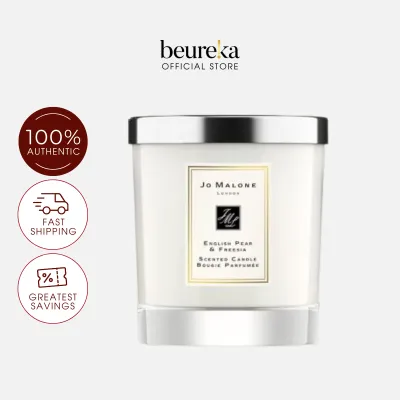
![[Exclusive Gifts] Jo Malone London Candles 200g Set • Elegant candles is hand-crafted in England and filled with fragrance](https://img.lazcdn.com/g/p/a624abbcd97f25b257e1356d6f4d1afc.jpg_400x400q80.jpg_.webp)
![[Limited Edition] Jo Malone London Golden Barley Classic Candle • Comforting and relaxing scent for home](https://img.lazcdn.com/g/p/d1268c9210bc06d69c57eff4788c5866.jpg_400x400q80.jpg_.webp)
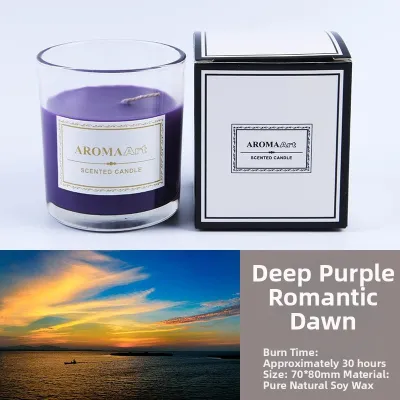
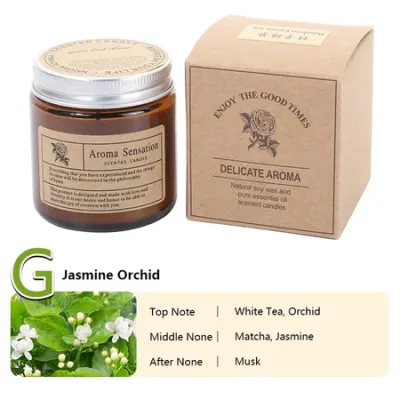
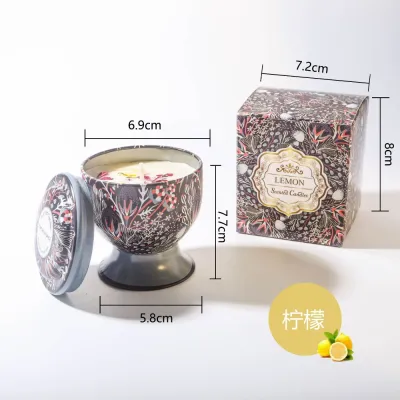
Prices are valid at publication and may change. Please refer to the product page for the latest price.
Top notes represent your very first impression of a fragrance. Composed of light, highly volatile molecules, these scents evaporate rapidly and are the most prominent elements detected in an unlit candle. Common top notes include bright citrus fruits, light berries, and airy green leaves. Because of their high volatility, they provide an immediate burst of aroma but dissipate quickly once the candle is lit and the wax pool warms up.
Middle notes, often referred to as the heart notes, form the true character and core identity of the candle. These molecules are moderately volatile and begin to emerge fully once the liquid wax pool reaches its optimal burning temperature, typically around 15 to 30 minutes after lighting. Heart notes are usually well-rounded and smooth, featuring florals like lavender and jasmine, fresh herbs like rosemary, or mild spices like nutmeg, bridging the gap between the initial top notes and the deeper base.
Base notes are the lingering foundation of the entire fragrance profile. Composed of heavy, slow-evaporating molecules with high molecular weights, these ingredients act as fixatives that slow the evaporation of the lighter notes. Common base notes include rich woods, amber, vanilla, patchouli, and musk. They dominate the later stages of the burn and provide depth, warmth, and long-lasting staying power to the scent throw, often remaining in the room hours after the flame is extinguished.
Understanding this physical process highlights the difference between “cold throw” and “hot throw.” Cold throw is the aroma emitted by a cold, unlit candle, which is heavily dominated by the volatile top notes. Hot throw is the scent dispersed throughout a room while the candle is burning and the wax is fully melted. Because the heat activates the middle and base notes, a complete and accurate evaluation of a candle’s fragrance profile can only be achieved during an active burn.
The 5 Main Candle Scent Families Explained
To simplify the vast world of perfumery, fragrance creators group scents into distinct families based on their dominant aromatic characteristics. This classification system allows you to identify your personal preferences and predict how a candle will behave before you ever light it.

While most premium candles are complex blends incorporating elements from multiple categories, they are almost always classified by their most prominent family. Recognizing these families helps you narrow down your choices and build a balanced home fragrance collection.
Fresh and Citrus Scent Families
- Fresh: This family evokes clean, airy, and natural environments. It includes aquatic profiles that mimic sea breezes or fresh rain, green profiles reminiscent of crushed leaves and cut grass, and clean linen profiles that suggest freshly laundered cotton. These scents are crisp, uplifting, and highly effective at making indoor spaces feel open, hygienic, and bright.
- Citrus: Dominated by fruits like lemon, bergamot, grapefruit, lime, and mandarin, the citrus family is zesty, sharp, and highly energizing. These fragrances are excellent for mental clarity and morning wake-up routines.
Because both fresh and citrus profiles rely heavily on highly volatile top notes, they provide an immediate, impactful burst of fragrance. However, they tend to have a shorter lifespan in the air compared to heavier families, meaning they are best suited for immediate air freshening rather than long-term scent lingering.
Floral Scent Family
- Botanical Profiles: The floral family is incredibly diverse, centered around classic blooms such as rose, jasmine, lavender, peony, lily, and tuberose. These scents can range from powdery and delicate to rich, sweet, and opulent.
- Single-Floral vs. Bouquets: A single-floral candle focuses entirely on capturing the pure essence of one specific flower, such as a crisp English rose. In contrast, a floral bouquet blends multiple floral notes to create a complex, multi-dimensional garden effect, often balanced with green or woody undertones.
Florals are highly versatile and are widely celebrated for their calming, stress-reducing properties. Acting primarily as middle notes, they serve as excellent balancing agents in candle making, smoothing the transition between sharp fresh top notes and warm, heavy base notes.
Woody and Oriental Scent Families
- Woody: This family features deep, dry, and earthy profiles such as sandalwood, cedarwood, pine, balsam, and vetiver. These scents evoke the forest floor, dry timber, and smoky hearths, offering a grounding, cozy, and sophisticated atmosphere.
- Oriental (Amber and Spice): Characterized by rich, sweet, and sensual notes, this family includes vanilla, warm amber, musk, cinnamon, clove, and exotic incense. These fragrances are dense, luxurious, and deeply comforting.
Both woody and oriental families rely almost exclusively on heavy base notes. Consequently, they possess exceptional staying power and produce a powerful, robust hot throw. They are the ideal choice when you want to create an intimate, warm, and comforting environment that lingers long after the candle has been put out.
How to Match Candle Scents to Your Space and Mood
To get the most out of your candles, you should match their fragrance profiles to the physical characteristics of your rooms, the intended activities within those spaces, and your local environmental conditions.
- Room Size and Ventilation: The volume of air in a room directly dictates how strong a candle's fragrance should be. Small or poorly ventilated areas, such as powder rooms or compact home offices, can quickly become overwhelming if filled with heavy woody or oriental scents; these spaces benefit most from light citrus or fresh profiles. Conversely, large, open-plan living and dining areas require the robust hot throw of woody, oriental, or rich floral candles to ensure the scent does not get lost in the open air.
- Kitchens: The primary goal in a kitchen is to neutralize cooking odors without clashing with food. Opt for bright citrus (like grapefruit or lemongrass) or fresh herbal scents (like basil, rosemary, or mint). Avoid heavy florals or sweet vanilla profiles here, as they can combine unpleasantly with savory cooking aromas.
- Bathrooms: To cultivate a clean, spa-like sanctuary, choose fresh, aquatic, or eucalyptus-based scents. These profiles evoke cleanliness and relaxation, helping to mask dampness and create a refreshing, hygienic environment.
- Living Rooms: As the main gathering space in a home, the living room suits complex, welcoming fragrances. Woody, soft amber, or sophisticated floral-woody blends work beautifully here, establishing an inviting and comfortable atmosphere for family and guests.
- Bedrooms: The bedroom is a space dedicated to rest and recovery. Soft, soothing florals like lavender, chamomile, or powdery rose, paired with gentle base notes of sandalwood or white musk, promote relaxation and help signal to your body that it is time to wind down.
- Climate Considerations: In warm, highly humid tropical climates like Singapore, heavy oriental, sugary sweet, or dense vanilla fragrances can easily become cloying, sticky, and suffocating indoors. High humidity traps heavy scent molecules, making them feel much more intense. For a more comfortable and refreshing indoor experience, lean toward crisp, airy, citrus, and light botanical profiles that cut through the humidity and offer a cooling sensory escape.
Practical Tips for Testing and Evaluating Candle Scents
To avoid purchasing candles that disappoint once lit, you can apply a few systematic testing techniques to evaluate fragrance quality and suitability.
Managing Olfactory Fatigue: Your nose quickly becomes desensitized when exposed to multiple fragrances in a short period, a phenomenon known as olfactory fatigue. When shopping, limit yourself to evaluating no more than three or four candles in a single session. To reset your nasal receptors between sniffs, take a deep breath of neutral air, smell your own clean skin, or sniff dry coffee beans if the retailer provides them.
Reading Beyond the Marketing Name: Beautifully designed labels with names like “Midnight Rain” or “Autumn Mist” tell you very little about the actual olfactory experience. Always look past the creative naming and locate the official note breakdown (top, middle, and base notes) listed on the packaging or manufacturer’s website. This breakdown gives you a realistic blueprint of how the candle will actually smell as it burns down.
Evaluating Ingredients: The type of fragrance materials used affects both the strength and character of the scent throw:
- Fragrance Oils: Most commercial candles use synthetic or nature-identical fragrance oils. These are specifically engineered to withstand high temperatures, offering a highly stable, consistent, and powerful hot throw.
- Essential Oils: Pure essential oils provide authentic botanical aromas and natural aromatherapy benefits. However, because they are natural plant extracts, they are highly delicate. They often have lower flash points, meaning they can degrade or burn off at high temperatures, resulting in a much subtler, quieter hot throw.
The Burn Test: If you are investing in a premium, high-end candle, try to observe it burning in the retail store first to evaluate its active hot throw. Alternatively, purchase a smaller travel tin or a tealight version of the scent to test in your own home. This allows you to verify how the fragrance interacts with your specific room size, ventilation, and humidity levels before committing to a large, expensive jar.
Note on Candle Warmers: If you prefer using a electric candle warmer lamp instead of lighting a flame, always verify the electrical specifications. Ensure the warmer matches Singapore’s standard 220V–240V voltage, uses a compatible halogen bulb wattage (typically 35W to 50W GU10), and carries recognized safety certifications to ensure safe, flame-free scent dispersion.
Frequently Asked Questions (FAQ)
Why does my candle smell different when lit compared to when it is unlit?
An unlit candle only releases its most volatile top notes into the surrounding air, which is what you experience as the cold throw. Once you light the wick, the heat of the flame melts the wax and creates a hot pool. This thermal energy vaporizes the heavier, less volatile middle and base notes, revealing the complex, full-bodied hot throw intended by the perfumer.
Can I mix different candle scent families in the same room?
You can successfully layer different candle scents, but you should avoid burning multiple heavy, competing fragrances simultaneously, such as pairing a dense amber candle with a smoky pine candle. Instead, combine a dominant, base-heavy woody or oriental candle with a lighter, complementary fresh or citrus candle to create a balanced, custom home fragrance.
Do essential oil candles smell stronger than synthetic fragrance candles?
No, synthetic fragrance candles generally smell stronger than essential oil candles. Synthetic fragrance oils are specifically formulated to remain stable under high heat and deliver a powerful hot throw. Natural essential oils are highly volatile and delicate, meaning they often produce a much subtler aroma and can partially degrade when exposed to an open candle flame.
Community discussion
Share your experience or ask a question. Comments are reviewed before publication.