
Selecting the right canvas painting set involves balancing visual harmony, material durability, and secure installation. To find the ideal pieces for your home, you must first define your design aesthetic, verify the physical specifications of the canvas, evaluate the reputation and policies of the retailer, and plan a layout that matches your wall structure. By taking a systematic approach to these factors, you can transform your living space with art that remains vibrant and structurally sound for years.
Defining Your Aesthetic: Matching Canvas Styles to Your Space
To create a cohesive interior, start by analyzing the existing architectural lines and furniture silhouettes in your room. If your space features clean, linear furniture with minimalist profiles, geometric or abstract canvas painting sets can reinforce this modern structure. Conversely, rooms with soft, organic curves—such as rounded sofas or arched doorways—often benefit from botanical prints or fluid watercolor abstracts that mimic those natural shapes. Matching the theme of your artwork to the functional mood of the room ensures that the visual energy aligns with how the space is used daily. For instance, serene landscapes and muted minimalist designs promote relaxation in bedrooms, while vibrant, high-energy abstracts can stimulate conversation in dining areas and entryways.
Color selection plays a pivotal role in how your canvas set interacts with the surrounding decor. You can choose between a complementary blending strategy or a high-contrast statement approach. Complementary blending involves selecting artwork that shares dominant hues with your existing walls, rugs, and upholstery, creating a soothing, low-friction visual flow. If you prefer a bolder look, a high-contrast palette uses accent colors that sit opposite your wall color on the color wheel, instantly drawing the eye to the canvas as a primary focal point. Keep in mind that lighting conditions in your home will alter how these colors are perceived throughout the day; natural daylight highlights cool undertones, while warm artificial lighting can intensify reds, oranges, and yellows.
Products mentioned in this guide
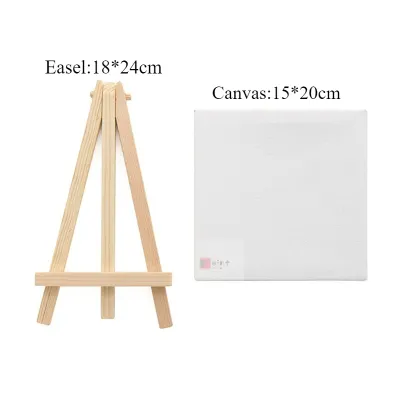

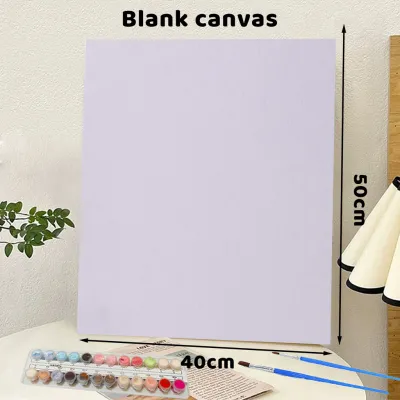




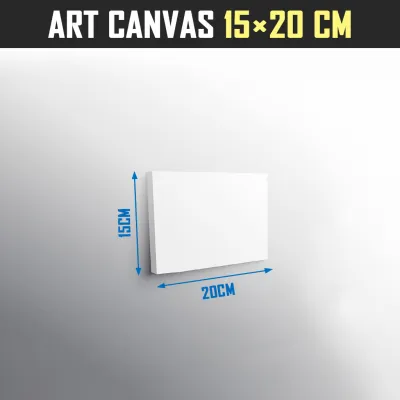
Prices are valid at publication and may change. Please refer to the product page for the latest price.
The arrangement and format of your canvas set also influence spatial perception and visual movement. Multi-panel canvas sets, such as triptychs or diptychs, introduce a rhythmic, sequential flow that can make narrow walls appear wider by drawing the eye horizontally across the panels. This segmented format adds a contemporary, architectural feel to the room, making it highly suitable for modern apartments and open-plan living areas. On the other hand, a single, large-format canvas offers a concentrated focal point that anchors a room, providing a sense of stability and classic elegance. When deciding between these formats, consider the scale of your furniture; a canvas set should generally span approximately two-thirds to three-quarters of the width of the furniture piece it hangs above, such as a sofa or sideboard, to maintain balanced proportions.
What to Look for in a Quality Canvas Painting Set
Evaluating the physical construction of a canvas painting set is essential to ensure it resists sagging, warping, and fading over time. Begin by checking the product specifications for the canvas material weight, which is typically measured in grams per square meter (gsm). High-quality canvas prints generally utilize a heavier fabric weight, often exceeding 300 gsm, which provides a sturdy base that holds tension well. The material composition also matters; pure cotton canvas offers a traditional, heavily textured surface that mimics original paintings, whereas polyester-cotton blends or pure polyester canvases provide a smoother finish and high resistance to moisture-induced stretching.

The structural integrity of the frame, or stretcher bars, is another critical factor. Stretcher bars should be crafted from kiln-dried wood, such as pine or fir, which has had its moisture content reduced to prevent the wood from warping, twisting, or shrinking when exposed to indoor climate fluctuations. For a premium look and added durability, look for gallery-wrapped canvases with a depth of 1.5 inches (approximately 3.8 cm) or more. This depth allows the canvas to stand out from the wall, creating a professional, three-dimensional effect without requiring an external frame. Thinner stretcher bars, around 0.75 inches (approximately 1.9 cm), are more suitable if you plan to place the canvas inside a traditional decorative floating frame.
The quality of the print reproduction determines the clarity and longevity of the artwork. Verify that the manufacturer uses high-resolution printing processes, ideally at 300 dots per inch (DPI) or higher, to prevent visible pixelation or blurry edges. The type of ink used is equally important; pigment-based inks and latex inks offer excellent fade resistance compared to dye-based inks, ensuring the colors remain vibrant even when exposed to indirect sunlight. Additionally, check if the canvas has been treated with a protective topcoat, such as a clear UV-resistant or moisture-resistant varnish. This protective layer seals the ink, making the surface easier to clean and shielding it from environmental degradation.
Finally, inspect the hanging hardware included with the canvas set. High-quality sets should come equipped with robust mounting components, such as heavy-duty D-rings, steel hanging wire, or adjustable brackets that are pre-installed or easy to attach. The hardware must be rated to support the specific weight of the canvas, especially for larger pieces or solid wood frames. Avoid relying on flimsy plastic hangers or generic adhesive strips, which may fail under the weight of the canvas or degrade when exposed to ambient humidity, posing a risk of damage to both the artwork and your walls.
How to Evaluate Canvas Art Brands and Retailers
Navigating the marketplace requires understanding the different types of brands and retailers offering canvas art. Independent artist studios and specialized art platforms represent the premium tier, offering original works or highly curated, limited-edition prints. Purchasing from these sources supports individual creators and often guarantees a higher level of craftsmanship, unique designs, and detailed documentation regarding the materials used. Licensed reproduction brands partner directly with artists or museums to produce authorized prints of existing artworks. These brands ensure that the digital files used for printing are of the highest quality, resulting in accurate color reproduction and sharp details that honor the original piece.
In contrast, mass-market decor labels and general home furnishing retailers offer highly accessible, budget-friendly options. While these open-edition prints are excellent for filling large wall spaces affordably, they are produced in high volumes, meaning the designs are common and the material specifications may be lower. When evaluating these brands, pay close attention to the product descriptions; look for explicit mentions of canvas weight, ink types, and frame materials rather than generic marketing terms. If a listing lacks specific material details, it is often an indicator of lower-grade components that may not offer long-term durability.
Before finalizing your purchase, thoroughly review the retailer’s customer service and shipping policies. Because canvas prints are susceptible to damage during transit—such as punctured canvas, cracked frames, or dented corners—choose retailers that provide robust packaging guarantees and clear policies for transit damage replacements. A reputable retailer should offer a straightforward return or exchange window if the product arrives damaged or if the colors differ significantly from what was displayed online. Some specialized art retailers also offer color accuracy guarantees or physical swatches, which can be invaluable when trying to match precise color schemes in your home.
Additionally, consider the advantages of specialized art boutiques versus general e-commerce platforms. Specialized boutiques often provide a more curated shopping experience, making it easier to find cohesive sets that share a common aesthetic, color palette, or artist style. They also tend to offer dedicated customer support and more reliable shipping methods tailored specifically for fragile artwork. General e-commerce marketplaces offer a vast selection and competitive pricing, but they require you to be more vigilant. When shopping on large platforms, always verify individual seller ratings, read customer reviews detailing the physical quality of the received items, and confirm that the shipping origin and estimated delivery times align with your expectations.
Planning Your Layout and Installation Requirements
Proper planning and precise measurements are essential to ensure your canvas painting set looks balanced and remains securely mounted. Start by measuring the total width and height of the wall space where you plan to hang the art. If you are installing a multi-panel set, such as a triptych, you must factor in the spacing between the panels when calculating the overall footprint. A standard recommendation is to leave 2 to 3 inches (approximately 5 to 8 cm) of space between each canvas. This gap is wide enough to distinguish the individual panels while remaining narrow enough to maintain visual continuity across the entire composition.
To determine the correct hanging height, aim to position the center of the artwork at eye level. In the design industry, this is generally defined as 57 to 60 inches (approximately 145 to 152 cm) from the floor to the center of the canvas. If you are hanging the canvas set above a piece of furniture, such as a sofa, console table, or bed headboard, ensure the bottom of the frames sit roughly 6 to 10 inches (approximately 15 to 25 cm) above the top of the furniture. This spacing prevents the artwork from feeling disconnected from the furniture below while ensuring it does not interfere with the functional use of the space.
The choice of mounting hardware must be matched to the specific construction of your walls to guarantee safety and stability. In many residential buildings, particularly modern apartments and condominiums, walls are constructed from solid concrete, brick, or structural masonry. Mounting artwork on these surfaces requires drilling pilot holes with a hammer drill and inserting plastic or metal masonry anchors before screwing in your hanging hooks. For internal partition walls made of drywall or plasterboard, you must use specialized hollow-wall anchors, such as toggle bolts or threaded drywall anchors, to distribute the weight safely. Never hang heavy canvas sets using standard nails or adhesive hooks on drywall, as they can easily pull out or fail over time.
For complex installations, such as large-scale gallery walls, staggered arrangements along stairwells, or exceptionally heavy oversized canvases, safety should be your primary concern. If you are working at height, dealing with fragile plaster walls, or unsure about the location of hidden electrical wiring and plumbing behind the wall, it is best to pause and hire a qualified professional art installer. Professional installers possess the specialized tools, leveling equipment, and structural knowledge required to mount your canvas sets accurately straight and securely, preventing costly damage to your walls and ensuring peace of mind.
Frequently Asked Questions (FAQ)
How should I clean and maintain canvas paintings in humid climates?
Routine maintenance is key to preserving the appearance of your canvas art, especially in warm, humid environments. Dust the surface of the canvas regularly using a soft, dry microfiber cloth, a clean feather duster, or a soft-bristled brush to prevent airborne particles from settling into the textured weave. Avoid using damp cloths, household cleaning sprays, or chemical solvents, as moisture and harsh chemicals can dissolve protective varnishes, cause ink bleeding, or promote mold growth. Always check the manufacturer’s care label or product documentation for specific cleaning instructions before applying any liquid. If you observe signs of mold, mildew, severe warping of the wooden stretcher bars, or flaking paint, stop all DIY cleaning efforts immediately and consult a professional art conservator to assess and restore the piece safely.
Is it advisable to mix different canvas art styles in the same room?
Mixing different canvas art styles can create a highly personalized, curated aesthetic if you establish a sense of visual cohesion. To successfully combine diverse styles—such as pairing a bold abstract canvas with a delicate botanical print—unify the pieces by using consistent framing materials, matching frame colors, or selecting artworks that share a similar color palette. You can also create harmony by aligning the thematic undertones of the pieces, such as choosing works that all evoke a sense of nature or urban structure. Balance the visual weight of the room by placing the largest or most vibrant canvas as a central anchor piece, and arrange smaller, more subdued artworks around it to prevent the space from feeling chaotic or overwhelming.
How do I verify if a canvas set is a limited edition or mass-produced?
To determine the exclusivity of a canvas set, look for specific markers of limited-edition prints, which are produced in restricted quantities to maintain value. These pieces typically feature the artist’s hand-signed signature, a unique edition number written as a fraction (such as 12/150, indicating the twelfth print out of a total run of 150), and a formal certificate of authenticity signed by the artist or publisher. In contrast, mass-produced open-edition prints are manufactured in unlimited quantities to meet high demand. They lack individual numbering, hand-signatures, and certificates of authenticity, and they are generally priced significantly lower, reflecting their standardized, high-volume production methods.

Community discussion
Share your experience or ask a question. Comments are reviewed before publication.