
Quick Guide to Refreshing Your Space with Cat Cushion Covers
Swapping your cushion covers is one of the fastest, most cost-effective ways to transform a living room’s atmosphere. A well-chosen cat cushion cover introduces personality, warmth, and a focal point without the commitment of painting walls or replacing major furniture. Instead of spending hundreds of S$ on new upholstery, a simple change of accents can make your entire seating area feel brand new. The key lies in balancing playful feline motifs with your existing interior design elements so the space feels curated rather than cluttered. By setting a cohesive color palette that echoes your current rugs, curtains, or wall art, these accent pieces can tie a room together seamlessly.
For pet lovers, home decor is an opportunity to express personal passion without sacrificing sophistication. Incorporating cat-themed elements does not mean your living room has to look like a novelty shop. By selecting high-quality fabrics, refined artistic styles, and thoughtful color schemes, you can celebrate your love for felines while maintaining an elegant, mature aesthetic. This guide explores how to select, evaluate, and style cat cushion covers to elevate your living space.
Matching Cat Motifs to Your Living Room Aesthetic
Not all cat designs are created equal; they range from sleek, abstract line art to rich, detailed tapestries. Before purchasing, evaluate your living room’s dominant design language, whether it is clean and contemporary or warm and traditional. The visual weight of a cushion cover depends heavily on its line thickness, color intensity, and level of abstraction. Understanding these design variables allows you to select a motif that enhances your space rather than competing with it.
Products mentioned in this guide
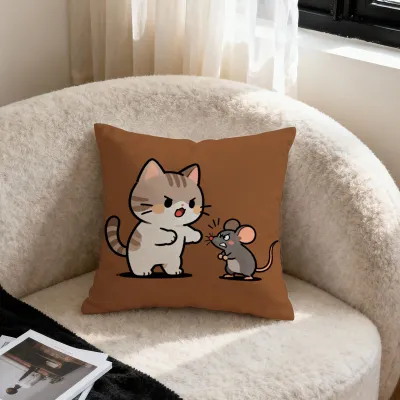
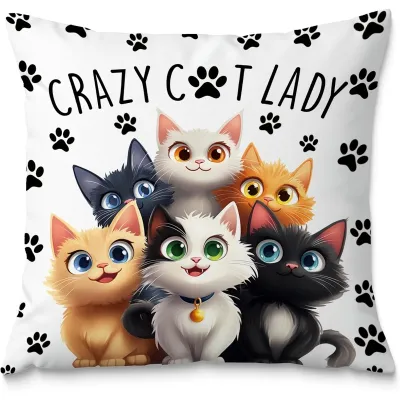
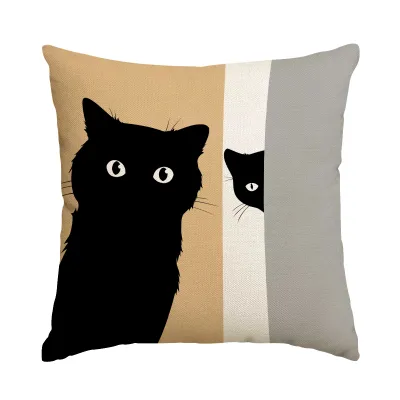
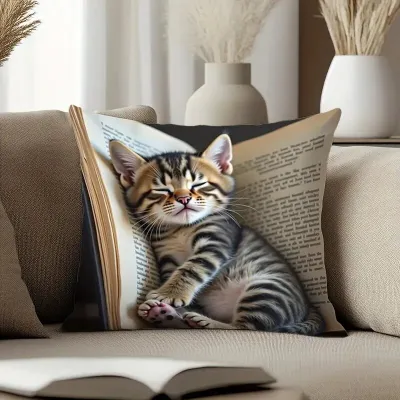
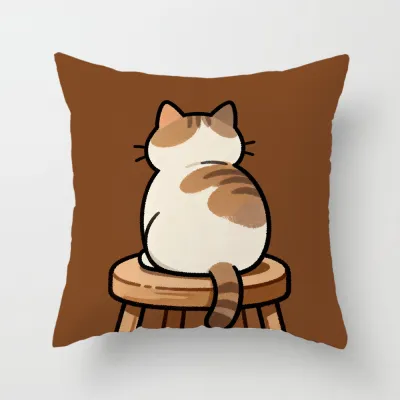
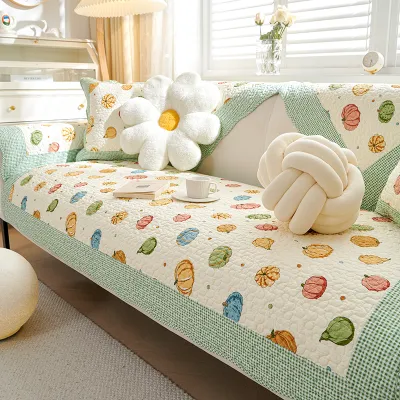
Prices are valid at publication and may change. Please refer to the product page for the latest price.

To start, analyze the existing colors and undertones in your living room. If your sofa has a cool grey undertone, look for cat prints with cool-toned backgrounds like slate, navy, or crisp white. If your furniture features warm beige or brown tones, opt for covers with cream, terracotta, or mustard accents. This simple alignment ensures that the new covers feel like an organic extension of your furniture.
Minimalist and Modern Spaces
Modern interiors thrive on clean lines, open space, and a restrained color palette. To integrate a cat cushion cover into a minimalist living room, look for abstract silhouettes, continuous line drawings, or geometric interpretations of feline forms. These designs convey the essence of a cat without introducing overwhelming detail or bright, contrasting colors. A single continuous line drawing of a sleeping cat, for example, can evoke a sense of calm and serenity, aligning perfectly with minimalist philosophies.
Stick to monochromatic schemes—such as charcoal on off-white, or soft cream on a slate-grey background—to maintain a calm visual flow. Avoid busy patterns that draw too much attention or disrupt the clean lines of your furniture. Instead, let the simplicity of the design act as a subtle focal point.
To prevent the space from feeling chaotic, limit the number of patterned pieces to one or two key accent cushions. In compact living rooms typical of modern apartments, this restrained approach ensures your decor remains airy and uncluttered while still showcasing your personal style. Pair these minimalist cat designs with solid-colored, highly textured cushions in neutral tones like beige, taupe, or charcoal.
Bohemian and Eclectic Rooms
Bohemian and eclectic spaces celebrate self-expression, rich textures, and layered patterns. In these environments, you can opt for highly detailed illustrations, whimsical folk-art cats, or embroidered covers that add physical texture. Look for warm, earthy tones like terracotta, mustard yellow, forest green, and deep indigo to complement the relaxed vibe of the room.
Integrating botanical elements, such as cats nestled among tropical leaves or floral patterns, works exceptionally well in a plant-filled living room. These designs bridge the gap between nature and animal motifs, creating a harmonious, organic feel on your sofa.
When mixing patterns, vary the scale of the designs to keep the arrangement visually organized. For instance, pair a large-scale illustrated cat cushion with a medium-scale geometric print and a small-scale textured solid. This variation prevents the patterns from competing with one another for the viewer’s attention.
Treat your sofa like a gallery wall by layering different fabrics—such as tufted cotton, woven jacquard, and fringed linen—to create a cozy, collected-over-time aesthetic. Look for cat covers that feature handmade elements like tassels, pom-poms, or crewel embroidery, which add a tactile, artisanal quality to the arrangement.
Traditional and Classic Settings
Traditional living rooms call for a more structured, formal approach to decor, where symmetry and classic materials reign. For these spaces, look for vintage-style cat illustrations, realistic portraits reminiscent of oil paintings, or subtle jacquard-woven silhouettes. These styles offer a nod to feline companionship while respecting the timeless elegance of classic furniture.
Choose covers made from high-quality, traditional fabrics such as heavy linen, cotton canvas, or rich velvet. Muted, sophisticated colors like burgundy, navy blue, sage green, and antique gold help the cat motifs blend seamlessly into a formal setting. Woven jacquard fabrics are particularly excellent here, as their tactile weight and subtle sheen complement heavy drapery and classic wooden furniture.
Opt for designs that feature a framed border or a centered medallion print, which mimics the structured look of traditional artwork. This framed effect elevates the cushion cover from a simple accessory to a piece of textile art, making it feel right at home alongside framed paintings and classic decor.
To maintain balance, arrange your cushions symmetrically on the sofa. Placing matching solid-colored cushions on the outer edges and positioning the patterned cat covers inward creates a polished, intentional look that feels both cozy and refined.
Essential Features to Check Before Purchasing
While the visual design of a cat cushion cover is crucial, its longevity and daily comfort depend entirely on its construction and material specifications.
Start by evaluating the fabric composition, as this determines how the cover feels and how easily it can be cleaned. Pure cotton and linen offer excellent breathability and a natural texture, which is particularly beneficial in warm, humid climates where heavy synthetic fabrics can feel sticky and uncomfortable against the skin. Polyester blends and synthetic microfibers, on the other hand, are highly durable, resist wrinkling, and often hold printed colors vividly through multiple washes, making them practical for high-traffic living rooms or homes with actual pets.
Pay close attention to the closure mechanism of the cover. Hidden zippers are highly preferred for a sleek, seamless look, but you must verify that the zipper track is sturdy and sewn securely into the seam. Nylon coil zippers are generally preferred over metal ones for cushions, as they are softer and less likely to scratch your sofa or skin. Envelope closures, which feature overlapping fabric flaps on the back, eliminate the risk of zipper failure entirely and offer a classic, relaxed appearance, though they can sometimes gap if the cushion insert is too thick.
Before buying, measure your existing cushion inserts carefully. Standard cushion covers typically come in square sizes like 40×40 cm, 45×45 cm, or 50×50 cm, as well as rectangular lumbar sizes. Ensure the cover dimensions match your inserts; using a cover that is too small can strain the seams, while a cover that is too large will look loose and wrinkled.
Finally, inspect the interior construction details if possible, or look for specifications indicating reinforced stitching. Overlocked edges and double-stitched seams are essential to prevent the fabric from fraying along the borders, especially during washing or when stuffing a plump insert inside.
Evaluating and Buying Cat Cushion Covers Online
Shopping for home textiles on online marketplaces or ecommerce platforms requires a strategic approach to ensure the product that arrives matches your expectations.
Always read the detailed material composition label in the product description rather than relying on vague marketing terms like “soft touch” or “premium feel.” Knowing the exact percentage of cotton, linen, or polyester helps you anticipate the fabric’s weight, texture, and durability.
Take time to browse through customer-uploaded photos in the review section. Professional product photography often uses studio lighting that can alter the perceived color temperature or brightness of a print. Customer photos provide a more realistic view of how the colors look under standard home lighting and help you gauge the actual scale of the cat pattern relative to a standard sofa.
Review the retailer’s return and exchange policies thoroughly before finalizing your purchase. Because textile colors can look different in your specific living room compared to a screen, having the option to return or exchange the covers ensures you are not stuck with items that clash with your decor.
Lastly, confirm the care instructions listed on the product page. If you prefer low-maintenance decor, avoid covers labeled as dry-clean only or hand-wash only, and opt instead for machine-washable options that fit your household’s routine. Additionally, double-check whether the listing is for the cover only or if it includes the cushion insert, as many online listings sell these items separately to save on shipping costs.
Arranging and Styling Your New Cushions
Once you have selected your cat cushion covers, the way you arrange them on your furniture can elevate the entire room from casual to professionally styled.
A classic interior design technique is the rule of odd numbers, which suggests that groupings of three or five cushions look more natural and visually appealing than even pairings. For a standard three-seater sofa, an arrangement of three cushions on one side and two on the other creates an inviting, balanced asymmetry.
To prevent visual fatigue, always mix your patterned cat covers with solid-colored cushions. A good rule of thumb is to use one bold cat print, one textured solid that pulls a color from the print, and one neutral solid to anchor the group. This balance ensures the cat motif remains the star of the show without overwhelming the eyes.
Layering different sizes and shapes adds depth and dimension to your seating. Place larger square cushions (such as 50×50 cm) at the back, layer medium square covers (45×45 cm) in front of them, and finish the arrangement with a rectangular lumbar cushion in the very front to support the lower back.
To give your cushions a professional, lived-in look, try the “chop” technique. Gently karate-chop the top edge of the cushion to create a soft crease in the middle. This works best on natural fills like feather or down inserts, whereas synthetic polyester fills will hold a rounder, firmer shape.
Consider adjusting your arrangement to suit seasonal changes or shifting natural light in your living room. During brighter, warmer months, you might highlight lighter cotton or linen cat covers, while cooler seasons might call for layering in heavier textures like velvet or wool-blend solids alongside your favorite feline prints.
Frequently Asked Questions (FAQ)
How do I wash cat cushion covers without fading the print?
To preserve the vibrant colors and fine details of your printed cat cushion covers, always check the individual care tags sewn inside the cover before washing. As a general rule, turn the covers inside out before placing them in the washing machine to protect the printed surface from friction against other fabrics or the machine drum. Use a gentle cycle with cold water and a mild, color-safe detergent. Avoid bleach or harsh fabric softeners, which can degrade the print over time. When drying, air drying in a shaded area away from direct sunlight is the best way to prevent shrinkage and color fading; if you must use a dryer, select a low-heat, delicate setting.
What size cushion insert should I use for a standard cover?
To achieve a plump, professional, and well-filled appearance, the general practice is to size up your cushion insert. For standard square covers, choose an insert that is approximately 5 cm larger than the cover dimensions; for example, a 45×45 cm cover looks best when paired with a 50×50 cm insert. When measuring your covers, measure from corner to corner along the seams while the cover is flat, rather than measuring across the middle, to get an accurate size. Keep in mind that the stiffness and thickness of the cover fabric also play a role; heavy, stiff fabrics like thick canvas or velvet can accommodate a very full insert, whereas delicate or thin fabrics may require a true-to-size insert to avoid straining the seams.
Community discussion
Share your experience or ask a question. Comments are reviewed before publication.