
Finding the right ceiling light with installation bundled into the purchase price is a highly practical way to upgrade your Housing & Development Board (HDB) flat without the hassle of hiring a separate electrical contractor. In Singapore’s busy retail landscape, many lighting brands and specialized showrooms offer complimentary or subsidized installation services. However, navigating these offers requires a clear understanding of what “free” actually entails, the structural limits of HDB ceilings, and the safety protocols required for residential electrical work.
By evaluating the terms of these installation bundles before making a purchase, you can avoid unexpected on-site surcharges and ensure your new fixtures are mounted safely. Whether you are moving into a newly completed Build-To-Order (BTO) flat or upgrading an older resale unit, understanding the scope of professional lighting services will help you plan your budget and achieve optimal illumination throughout your home.
Decoding "Free" Installation: What HDB Homeowners Actually Get
When a lighting brand or retailer in Singapore advertises “free” or bundled installation, it is important to recognize that the cost of labor is typically absorbed into the retail markup of the fixture itself. This is a standard business model that provides convenience to the consumer, but it operates under strict parameters. Truly free, unconditional installation is exceptionally rare; instead, these services are structured as bundles that apply only when specific purchasing thresholds are met, such as a minimum spend of S$300 to S$500, or a minimum number of fixtures purchased in a single transaction.
Products mentioned in this guide
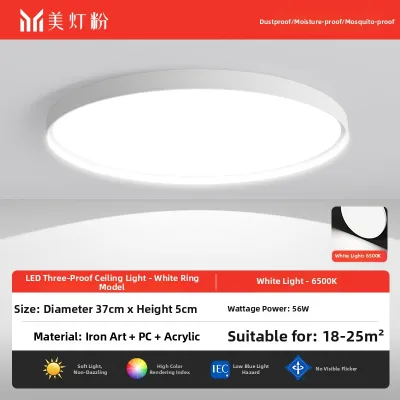
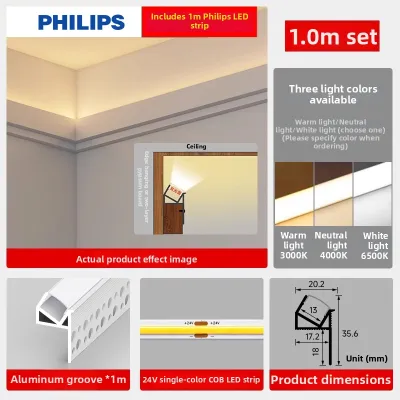

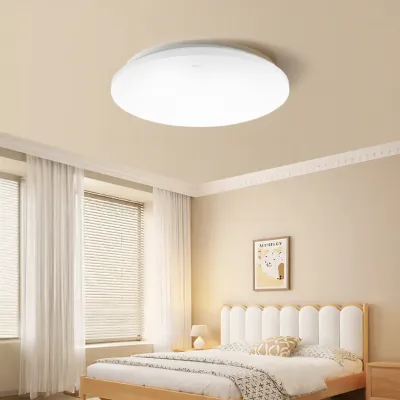
Prices are valid at publication and may change. Please refer to the product page for the latest price.
For a standard HDB flat, the baseline service included in a bundled installation package covers mounting the fixture onto a solid concrete ceiling and connecting it to an existing, active electrical point. Standard HDB ceilings are constructed from precast concrete panels, which require a rotary hammer drill, appropriate masonry drill bits, and high-quality plastic wall plugs to secure the mounting bracket. The installer will wire the fixture directly to the existing ceiling rose, secure the chassis, and verify that the light powers on successfully using the existing wall switch.
Homeowners must be prepared for common exclusions that fall outside the scope of standard bundled services. These exclusions typically include dismantling and disposing of old, bulky light fixtures, running new electrical wiring, installing external plastic casing (casing or conduit), hacking walls or ceilings to conceal wires, and reinforcing false ceilings. If your HDB flat requires any of these additional works, the installer will charge separate, out-of-scope fees on a per-item or per-meter basis, which must usually be paid in cash directly to the technician on the day of installation.
Ceiling height is another critical factor that dictates both fixture selection and installation feasibility. Standard HDB flats built in recent decades feature ceiling heights ranging from 2.6 to 2.8 meters. This relatively low clearance makes low-profile flush-mount LED ceiling lights the most popular and practical choice, as they preserve headroom and distribute light evenly across the room. If you select a semi-flush mount, pendant light, or heavy chandelier, the installer must carefully calculate the drop height to ensure the fixture does not obstruct daily foot traffic or clash with wardrobe doors, which may require specialized mounting hardware not included in the standard bundle.
The Pre-Purchase Checklist for Bundled Lighting Services
To avoid disputes and unexpected costs on the day of installation, you should run through a comprehensive checklist and clarify the exact terms of service with the retailer before finalizing your purchase. This proactive step ensures that both you and the installation team are aligned on the scope of work.

First, clarify the policy regarding installation points. You must confirm whether the free installation is a “one-for-one” offer (where every light purchased qualifies for one free installation) or if it is a “per-order” promotion tied to a minimum spend. Some retailers may offer free installation for the first three lights but charge a flat rate for subsequent fixtures. Additionally, verify if there are location-based surcharges, as some service providers charge extra for delivering and installing lights in specific HDB estates that are far from their central warehouses or in restricted areas.
Second, establish how the installer handles old fixtures. Dismantling an existing ceiling light, especially older fluorescent trough lights or heavy decorative fixtures, requires time and care to avoid damaging the surrounding plaster. Ask the retailer if dismantling is included in the bundle or if it incurs a separate fee (typically ranging from S$10 to S$30 per fixture). Furthermore, confirm if the service includes debris disposal; some installers will pack the old fixtures into boxes and leave them in your flat for you to dispose of at the HDB estate’s designated bin center, while others will cart them away for a nominal fee.
Third, verify switch and dimmer compatibility. Standard bundled installation assumes a simple, direct-wire connection to an existing single-way or two-way on/off wall switch. If you are purchasing dimmable LED ceiling lights or smart fixtures, you must ensure that your existing wall switches are compatible. Traditional triac dimmers can cause modern LED drivers to flicker or buzz if they are not matched correctly. If you want the installer to replace your existing wall switches with compatible LED dimmers or smart switches, check if this service is covered or if it requires an additional fee per switch.
Fourth, distinguish between the product warranty and the workmanship warranty. A reputable ceiling light brand will offer a manufacturer’s warranty on the fixture itself—typically covering the integrated LED panel and the LED driver for one to three years. However, you must also confirm the duration of the installer’s workmanship warranty. This separate guarantee, usually lasting between three to twelve months, covers issues arising directly from the installation process, such as loose mounting screws, vibrating chassis, or faulty wire connections that cause the light to cut out intermittently.
Finally, determine if a pre-installation site survey is necessary. While standard BTO flats with straightforward concrete ceilings rarely require a survey, older resale flats undergoing partial renovations or homes with custom false ceilings often benefit from a professional assessment. A site survey allows the installation supervisor to inspect the existing wiring, measure ceiling heights, assess the load-bearing capacity of false ceilings, and identify potential challenges before the installation crew arrives with the equipment.
Where to Buy: Comparing Retailer Service Models
Singaporean homeowners have several avenues for purchasing ceiling lights with installation, each operating under a distinct service model. Understanding these channels helps you choose the retailer that best aligns with your project’s complexity and your personal comfort level with coordinating trade services.
Large home furnishing and hardware retailers are a popular choice for homeowners seeking convenience, transparency, and standardized pricing. These mega-stores typically offer ceiling lights alongside fixed-price installation add-on packages that can be purchased directly at the cash register or online checkout. The main advantage of this model is predictability; the pricing is clearly itemized, and the retailers work with established, insured contractor networks. However, these retailers generally provide limited custom lighting advice, and their customer service teams may not be equipped to help you design complex multi-light layouts for unique HDB floor plans.
Specialized lighting showrooms, concentrated in commercial and industrial hubs such as Balestier, Jalan Besar, Geylang, and Toh Guan, offer a highly personalized shopping experience. These showrooms employ experienced lighting consultants who can review your HDB floor plan, recommend appropriate wattages and color temperatures (such as warm white 3000K for bedrooms and cool white 4000K for kitchens), and design custom track lighting or recessed downlight configurations. Showrooms frequently bundle professional installation services for free or at highly discounted flat rates when you purchase a whole-house lighting package, and they maintain direct control over their in-house installation teams, ensuring high workmanship standards.
Official brand stores operating on major e-commerce platforms and online marketplaces offer competitive pricing and a vast selection of modern fixtures. These digital storefronts often advertise bundled installation options, which are executed through partnerships with local third-party handyman networks. While this model can offer excellent value, it requires diligent verification before checking out. You must carefully read the digital product listings, clarify the booking process (which often requires coordinating via messaging applications after delivery), and read customer reviews to assess the reliability, punctuality, and professionalism of the assigned third-party installers.
To help you compare these options, the table below outlines the primary retailer service models available in Singapore:
| Retailer Type | Typical Installation Model | Best Suited For | Key Limitation |
|---|---|---|---|
| Large Home Furnishing & Hardware Retailers | Standardized, fixed-fee installation vouchers purchased as add-ons at checkout. | Single-room replacements, straightforward DIY upgrades, and budget-conscious buyers. | Rigid scheduling windows and minimal technical customization for complex layouts. |
| Specialized Lighting Showrooms | Complimentary or flat-rate bundled installation with a minimum package spend. | Whole-house renovations, multi-point track systems, and homeowners seeking design advice. | Higher upfront product costs compared to online-only digital platforms. |
| Official Brand Stores on E-Commerce Platforms | Third-party contractor referral programs or post-purchase booking vouchers. | Tech-savvy buyers looking for specific smart brand ecosystems and competitive pricing. | Variable coordination quality and potential disputes over out-of-scope physical work. |
HDB Structural Limits and Electrical Safety Boundaries
Installing ceiling lights in an HDB flat involves working with structural elements and electrical systems that are subject to strict safety regulations and physical limitations. Prioritizing safety and compliance protects your property, preserves your home insurance coverage, and ensures the long-term reliability of your lighting system.
False ceilings, which are commonly installed in HDB living rooms and bedrooms to create modern cove lighting or to conceal unsightly surface-mounted conduits, present significant structural constraints. Standard gypsum board false ceilings are lightweight and fragile; they are not designed to support the weight of heavy ceiling lights, semi-flush fixtures, or ceiling fans. If you attempt to mount a heavy fixture directly to the gypsum board using standard toggle bolts, the ceiling may sag or collapse over time. Any fixture weighing more than a few kilograms must be anchored directly to the structural concrete slab above using threaded drop rods, extended brackets, or heavy-duty concrete expansion anchors, a process that requires professional tools and structural expertise.
Moisture and Ingress Protection (IP) ratings are critical considerations for ceiling lights installed in wet or damp areas of an HDB flat, such as bathrooms, kitchens, and open service yards. These environments are prone to high humidity, steam, and occasional water splashes, which can easily penetrate standard indoor light fixtures. To prevent short circuits, corrosion, and premature failure of the integrated LED driver, you must verify that the ceiling lights selected for these zones carry an appropriate IP rating. An IP44 rating is generally recommended as a baseline for bathroom ceiling lights installed outside the direct splash zone, as it ensures the fixture is protected against solid objects larger than 1mm and splashing water from any direction.
Electrical compliance in Singapore is governed by strict regulatory frameworks designed to eliminate fire hazards and electrical shocks. While standard light installers and handymen are fully capable of mounting fixtures and connecting them to existing active points, any work that involves altering the flat’s permanent electrical infrastructure must be performed by an Energy Market Authority (EMA) licensed electrical worker (LEW). This includes running new concealed wiring, adding new electrical points, replacing damaged conduits behind walls, or modifying the main consumer unit (distribution board). Hiring an unlicensed worker to perform these tasks is illegal and can void your home insurance policy in the event of an electrical fire.
Before any installation work begins, the installer must isolate the power to the affected circuit. This is done by turning off the corresponding miniature circuit breaker (MCB) at the main distribution board, rather than relying solely on the local wall switch. Homeowners and installers must be prepared to halt the installation process immediately if they encounter specific hazardous conditions. These critical stop conditions include finding brittle or degraded wire insulation (where the copper core is exposed), discovering ungrounded metal fixtures, or noticing signs of past electrical overheating, such as scorched plastic wire connectors or soot marks inside the ceiling rose. If any of these conditions are observed, the installation must be suspended until a licensed electrician can inspect, test, and safely rectify the household wiring.
Frequently Asked Questions (FAQ)
Can I install a heavy chandelier on an HDB false ceiling?
No, you cannot install a heavy chandelier directly onto the gypsum board of an HDB false ceiling, as it lacks the structural integrity to support heavy, suspended loads. Attempting to do so poses a severe safety hazard, as the weight of the fixture can cause the false ceiling to sag, crack, or collapse entirely. To install a heavy chandelier safely in a room with a false ceiling, the installer must bypass the gypsum board entirely. This is achieved by drilling through the false ceiling and anchoring a heavy-duty threaded rod, bracket, or hook directly into the structural concrete slab above. This specialized anchoring process requires professional assessment, precise measurement, and heavy-duty hardware, which will typically incur additional structural modification fees beyond the scope of a standard bundled installation package.
Do bundled installations cover smart light setup and app pairing?
Standard bundled installation packages cover only the physical mounting of the fixture and the direct electrical wiring to your existing ceiling point. The technician’s primary responsibility is to ensure that the light is safely secured to the ceiling and that it powers on and off successfully via the physical wall switch. Digital configuration—which includes pairing the smart ceiling light with your home Wi-Fi network, configuring a Zigbee gateway, linking the fixture to mobile applications, and integrating it with smart home ecosystems like Google Home, Apple Home, or Amazon Alexa—is almost always the responsibility of the homeowner. While some premium showrooms or specialized smart lighting brands may offer digital commissioning and app pairing as an optional, paid add-on service, you should assume it is a do-it-yourself task unless it is explicitly itemized in your service contract.
Community discussion
Share your experience or ask a question. Comments are reviewed before publication.