
Choosing the right material for a lotus incense burner is a decision that directly affects your home’s safety, the longevity of your decor, and the ease of your daily aromatherapy rituals. The ideal material depends on whether you prioritize the classic elegance of ceramic, the indestructible nature of brass, or the intricate, lightweight designs of resin. Each material interacts differently with heat, moisture, and physical wear, making it essential to match your choice to your specific household environment.
Key Factors for Evaluating Incense Burner Materials
Evaluating an incense burner requires looking beyond its visual appeal to understand how it performs under thermal stress and daily handling. Heat management is the primary safety consideration, as burning incense cones, coils, or sticks generate intense localized heat that can transfer to your tabletop. You must assess whether a material can safely dissipate this heat or if it requires an additional thermal barrier, such as a wooden coaster or a stone tile, to protect delicate furniture surfaces.
Different types of incense—such as sticks, coils, or backflow cones—interact uniquely with burner materials. Backflow cones, for example, direct smoke and hot, oily residue downward, concentrating heat and oils at the base of the burner. Your chosen material must be able to withstand this concentrated exposure without degrading.
Products mentioned in this guide
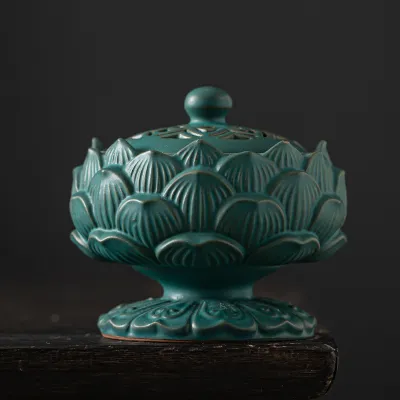
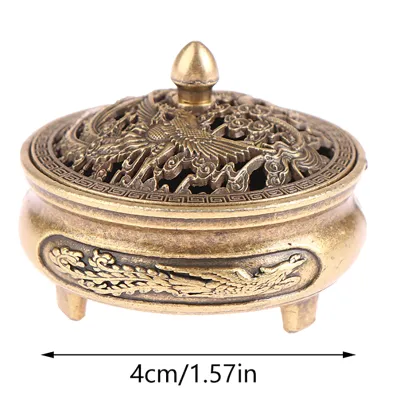
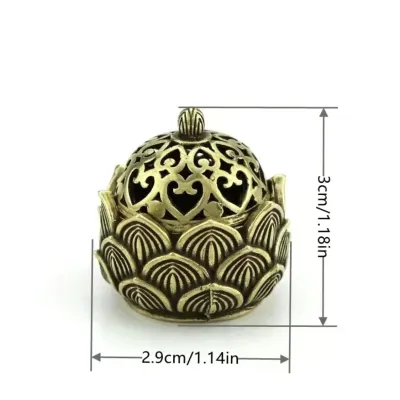
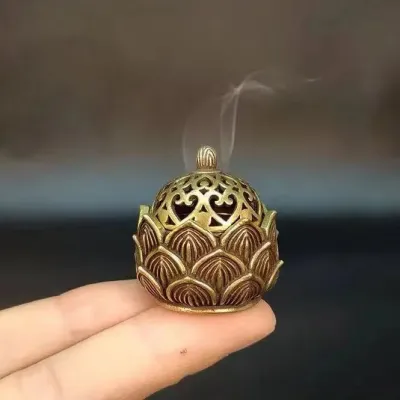
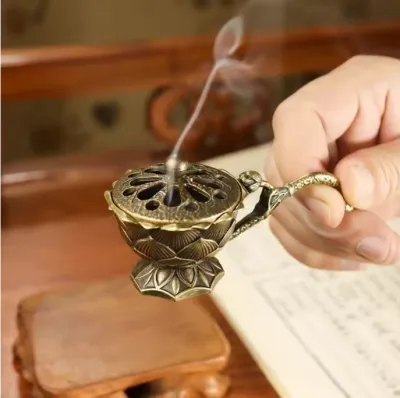
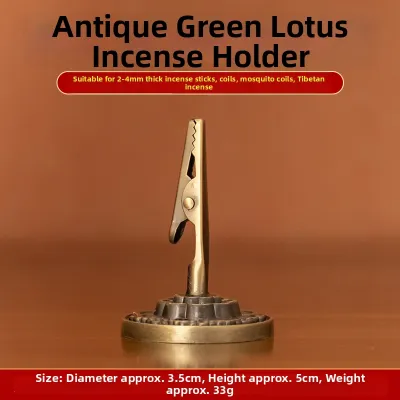
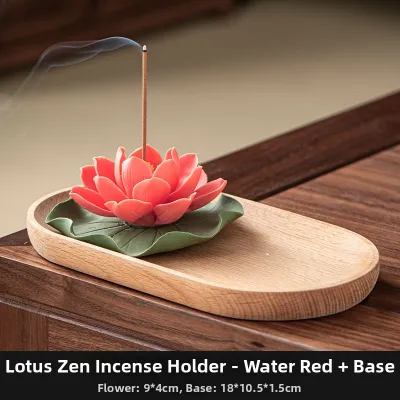
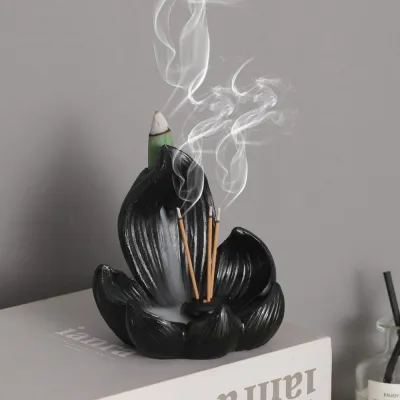
Prices are valid at publication and may change. Please refer to the product page for the latest price.
Structural durability is another critical factor, especially in active households with pets or young children where items might be knocked off shelves. A burner that shatters easily presents a safety hazard from both sharp pieces and scattered hot ash.
Maintenance routines also vary significantly by material; some surfaces absorb oils and ash residue, leading to permanent discoloration, while others require specialized polishing to maintain their luster.
Finally, baseline safety features, such as built-in heat-resistant pads or removable inner liners, should guide your evaluation to ensure the burner remains safe to operate over years of use.
Ceramic Lotus Incense Burners: Heat Resistance and Aesthetic Care
Ceramic lotus incense burners are highly favored for their classic aesthetic and excellent thermal properties. When you burn incense in a ceramic vessel, the material naturally absorbs and retains heat, preventing sudden temperature spikes on the outer surface. However, the exterior can still become warm to the touch during extended burning sessions, meaning you should let it cool before moving it.

Rapid temperature changes can cause ceramic to crack. For instance, placing a hot ceramic burner directly onto a cold marble countertop or washing it with cold water immediately after use can induce thermal shock. To prevent this, always allow the burner to cool down naturally to room temperature before cleaning.
The primary drawback of ceramic is its inherent fragility. An accidental drop onto a hard tile floor, common in many Singapore homes, will likely result in chipping, cracking, or complete breakage. This makes ceramic less suitable for high-traffic areas or low shelves accessible to pets.
Cleaning a ceramic burner depends heavily on its finish. Glazed ceramic surfaces are highly resistant to staining and can be easily wiped clean with a damp cloth to remove oily residue left by backflow incense cones. Unglazed or porous ceramic, on the other hand, can absorb these oils, leading to dark, permanent spots that alter the burner’s appearance over time.
When purchasing a ceramic burner, always inspect the base. High-quality ceramic burners often feature protective felt pads, cork layers, or unglazed, smoothed feet to prevent the rough ceramic material from scratching your wooden tables or glass shelves.
Brass Lotus Incense Burners: Longevity and Maintenance Requirements
Brass lotus incense burners offer unmatched structural durability and a timeless, metallic weight. Unlike ceramic or resin, solid brass is virtually indestructible; it will not crack, chip, or shatter if dropped, making it an excellent heirloom-quality investment for long-term use.
The weight of solid brass also provides excellent physical stability. Unlike lighter materials, a heavy brass burner is highly unlikely to tip over if accidentally bumped, reducing the risk of hot ash spilling onto your tablecloth or carpet. This makes it a highly reliable choice for busy households.
However, brass is an excellent conductor of heat. When you burn incense inside a brass burner, the metal heats up rapidly and can reach high temperatures that make it unsafe to touch with bare hands. It is crucial to place brass burners on a dedicated heat-resistant trivet and allow them to cool completely before attempting to clean or reposition them.
Over time, brass reacts with oxygen and moisture in the air, developing a natural dark patina. In Singapore’s highly humid tropical climate, this oxidation process occurs more rapidly. Some users appreciate this aged, antique look, while others prefer a bright, polished gold finish. Maintaining the original shine requires periodic polishing with a specialized brass cleaner, following the manufacturer’s instructions carefully to avoid stripping any protective lacquer.
When shopping, verify whether the burner is made of solid brass or is simply brass-plated. Plated burners have a thin layer of brass over a cheaper base metal; over time, aggressive polishing or heat can wear away this plating, exposing the underlying metal and permanently ruining the finish.
Resin Lotus Incense Burners: Design Flexibility and Safety Limits
Resin lotus incense burners are popular for their incredible design flexibility, allowing for highly detailed, three-dimensional lotus petals and colorful finishes that are difficult to achieve in clay or metal. Resin is lightweight and highly shatter-resistant, making it a practical choice for busy households where fragile items are at risk of being knocked over.
Despite these advantages, resin has strict safety limits due to its low heat tolerance. Direct contact with burning incense embers, hot ash, or the intense heat of a backflow cone can easily melt, warp, or scorch resin, releasing unpleasant chemical fumes. Therefore, it is absolutely critical to verify that a resin burner includes a protective inner metal liner or a dedicated heatproof insert to isolate the hot incense from the resin body.
When cleaning resin, avoid using harsh chemical solvents, alcohol, or abrasive cleaners, as these can dissolve the surface layer or strip away the painted details. A gentle wipe with a dry or slightly damp microfiber cloth is usually sufficient to keep the exterior clean.
The vibrant colors and painted finishes on resin burners can also fade or peel over time, especially when exposed to direct sunlight near windows or when subjected to frequent washing.
Always read the manufacturer’s safety labels and instructions regarding maximum temperature limits, and ensure you use resin burners only in well-ventilated areas to prevent any buildup of heat or smoke.
Matching the Material to Your Usage and Environment
To choose the right material, consider your daily habits and the specific room where the burner will sit. If you prefer a traditional, meditative atmosphere and have a stable, draft-free shelf away from children and pets, a ceramic lotus burner offers the perfect balance of classic beauty and reliable heat resistance.
For those who want a durable, low-stress option that can last a lifetime, a solid brass burner is the superior choice, provided you are comfortable with its high heat conductivity and the natural patina that develops in humid environments.
If you are looking for an intricate, budget-friendly design and prioritize shatter-resistance, a resin burner is highly suitable, but you must remain vigilant about using its protective metal liner and keeping it away from direct heat sources.
Regardless of the material you select, always place your lotus incense burner on a dedicated heat-resistant mat or tray to safeguard your furniture from stray ash and thermal damage.
Frequently Asked Questions (FAQ)
Can I use a resin incense burner without a metal liner?
No, it is highly unsafe to burn incense directly on an unprotected resin surface. Direct contact with hot ash, glowing embers, or the base of a burning cone can melt, warp, or scorch the resin, which may release toxic chemical fumes into your home. Always check the product specifications to ensure a metal insert or protective heat barrier is included and properly positioned before lighting your incense.
How do I remove stubborn ash stains from a ceramic burner?
To clean ash stains from a glazed ceramic burner, use a soft, damp microfiber cloth and a small amount of mild dish soap, avoiding abrasive scrubbing pads that can scratch the glaze. For unglazed or porous ceramic, avoid soaking the piece in water; instead, consult the manufacturer’s care guidelines, as porous surfaces can permanently absorb oils and require specialized dry-cleaning methods.
Is it safe to leave a brass incense burner in a humid room?
Yes, it is structurally safe, but high humidity will accelerate the natural oxidation and tarnishing of the brass surface. In humid climates like Singapore, a brass burner left in a damp area will quickly develop a dark patina or greenish spots. To manage this, keep the burner in a well-ventilated space, dry it immediately if it comes into contact with water, and polish it regularly if you prefer to maintain its original golden shine.

Community discussion
Share your experience or ask a question. Comments are reviewed before publication.