
Quick Answer: Which Ceramic Diffuser Profile Fits Your Home?
Selecting the perfect ceramic diffuser for a Singapore home requires aligning the device’s technology with your specific spatial and safety needs. The ideal brand depends on your primary requirement: active room-filling mist to combat dry air-conditioned spaces, silent passive evaporation for localized personal areas, or ambient heat-based diffusion for traditional aromatic warming.
Before evaluating aesthetic glazes or mist volumes, buyers in Singapore must prioritize electrical compatibility. Any active electrical model must natively support Singapore’s 230V/50Hz grid and feature a power adapter bearing the mandatory Safety Mark issued by Enterprise Singapore.
Premium wellness brands typically justify their higher price points by using high-fired, chemically resistant ceramic glazes and robust ultrasonic transducer plates that withstand acidic essential oils over years of daily use. Conversely, artisan or passive brands focus on the raw, porous craftsmanship of unglazed clay, offering zero-electricity operation that eliminates electrical safety concerns entirely.
Products mentioned in this guide
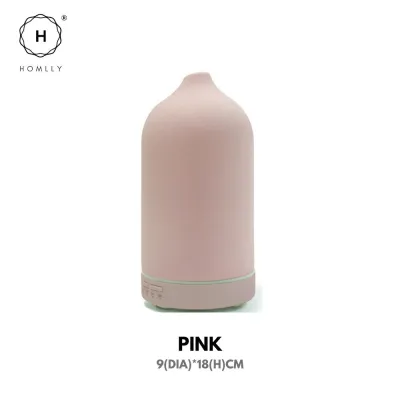
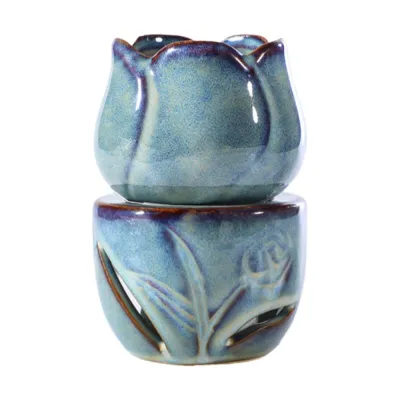
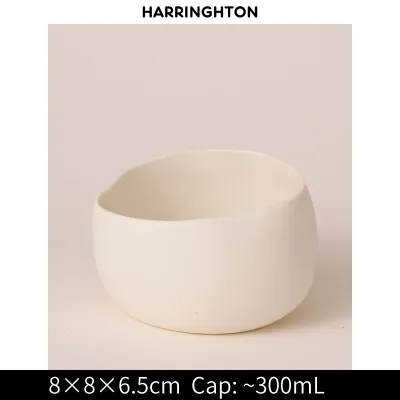
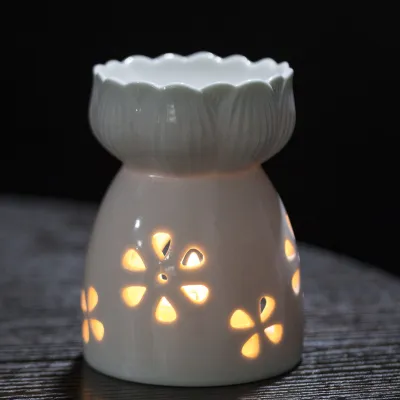
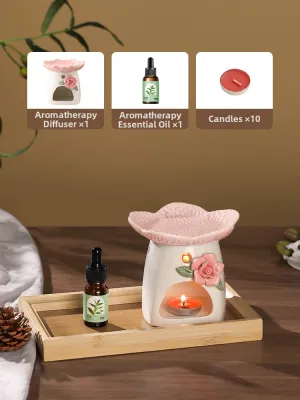
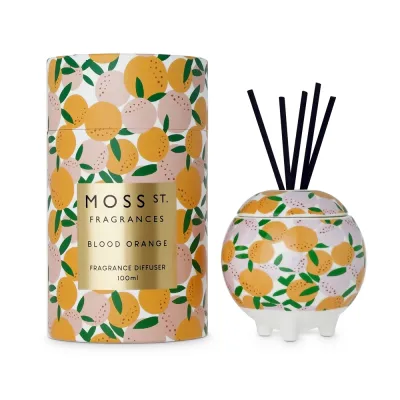
Prices are valid at publication and may change. Please refer to the product page for the latest price.
Diffusion Technologies: How Ceramic Models Actually Perform
Active Ultrasonic Ceramic Diffusers
Active ultrasonic ceramic diffusers utilize an internal transducer plate vibrating at ultrasonic frequencies (typically 1.7 to 2.4 MHz) to break down a mixture of water and essential oils into a microscopic cool mist. A small internal fan then disperses this mist into the room. In Singapore’s tropical climate, many households run air-conditioning units for extended hours, which strips moisture from indoor spaces. An ultrasonic diffuser acts as a micro-humidifier, introducing gentle moisture back into the immediate environment while dispersing fragrance.

When comparing brands, look at the mist output, which typically ranges from 15 to 30 milliliters per hour, and coverage areas spanning 15 to 40 square meters. Noise is another factor: while ultrasonic models are generally quiet, they produce a soft, rhythmic water-dripping sound and a low motor hum (usually between 25 and 35 decibels). Ensure any active model you choose features an automatic shutoff mechanism that immediately cuts power to the transducer plate when the water reservoir is depleted, preventing overheating and mechanical failure.
Passive and Evaporative Ceramic Diffusers
Passive and evaporative ceramic diffusers operate without water or electricity, relying instead on the natural properties of unglazed, porous clay, terracotta, or specialized gypsum-ceramic blends. Once a few drops of essential oil are applied directly to the unglazed surface, the liquid slowly migrates through the microscopic pores of the clay and evaporates naturally into the surrounding air.
The primary performance trade-off of this technology is its highly localized scent throw. Because there is no fan or mist to project the fragrance, passive ceramic diffusers are only effective within a small radius, typically 1 to 2 meters. This makes them ideal for personal desks, bedside tables, or enclosed wardrobes where a subtle, non-intrusive aroma is desired. Additionally, the scent profile tends to evolve and fade over several hours; lighter, highly volatile top notes (such as citrus) evaporate rapidly, leaving behind the heavier base notes (such as patchouli or cedarwood) to linger on the ceramic body.
Heat-Based Ceramic Diffusers
Heat-based ceramic diffusers, often referred to as oil burners or warming dishes, utilize thermal energy to accelerate the evaporation of essential oils. Traditional models rely on a small tealight candle placed beneath a suspended ceramic dish, while modern electric variants utilize a low-wattage internal heating element. The gentle heat warms the oil—often mixed with a small amount of water—to promote rapid volatilization, creating a warm, comforting scent throw that can easily fill a medium-sized room.
However, thermal diffusion introduces specific performance and safety trade-offs. Excessive heat (temperatures exceeding 60°C) can thermally degrade the delicate chemical compounds in pure essential oils, altering their therapeutic properties and sometimes producing a slightly scorched aroma. From a safety perspective, candle-lit ceramic diffusers present an open-flame hazard and must never be left unattended. Even electric warming models can reach high surface temperatures, making it essential to place them on heat-resistant surfaces and strictly out of reach of children or curious pets.
Build Quality and Features: What to Compare Across Brands
The longevity of a ceramic diffuser is heavily dictated by the quality of its clay and surface treatment. Premium brands utilize high-fired stoneware or porcelain that has been vitrified at high temperatures, making the body structurally dense and resistant to water absorption. The glaze applied to the exterior and interior surfaces must be non-toxic, lead-free, and chemically inert. Highly acidic essential oils, particularly citrus varieties like lemon, sweet orange, and bergamot, are naturally corrosive. Low-quality glazes or cheap painted finishes can degrade, bubble, or peel when exposed to these oils over time, potentially releasing synthetic chemicals into the mist. Unglazed interiors, while aesthetically pleasing, are highly prone to permanent oil staining and can absorb residual scents, making it difficult to switch fragrance profiles without cross-contamination.
For ultrasonic models, the internal water tank is almost always constructed from plastic, as raw ceramic cannot be easily molded to house the precise ultrasonic transducer and water-level sensors. Compare brands based on the quality of this plastic liner; it should be made of high-grade, BPA-free polypropylene (PP), which is highly resistant to chemical corrosion from essential oils. The physical design of the tank should facilitate effortless maintenance. Look for wide-mouth openings that allow your hand to reach inside easily to wipe down the walls, as narrow or convoluted tanks quickly accumulate bacterial slime and mineral scale. Anti-spill mechanisms, such as a secure inner lid or a splash guard, are also vital to prevent water from splashing into the air intake vents or leaking onto your furniture.
Ceramic diffusers are as much home decor as they are functional appliances. Brands offer a diverse array of form factors, ranging from minimalist matte white domes to textured, organic wabi-sabi vessels and sleek, glossy modern cylinders. When selecting a design, remember that visual styles and perceived color temperatures of integrated lights are highly subjective, conditional preferences. A matte, textured ceramic finish may beautifully complement a Scandinavian or minimalist home interior, but it may require more frequent external cleaning to prevent dust and finger oils from staining the porous exterior.
The utility of an active ceramic diffuser is greatly enhanced by its control interface. Compare the programming options offered by different brands. Basic models feature a simple on/off switch, while more sophisticated units offer programmable timers (such as 1, 3, or 8 hours) and intermittent misting modes. An intermittent mode—which cycles the mist on and off at set intervals (e.g., 30 seconds on, 30 seconds off)—is highly effective at preventing olfactory fatigue, allowing your nose to continue registering the scent over a longer period while conserving water and oil. Furthermore, evaluate the ambient LED lighting features; look for models that offer independent light controls, allowing you to run the misting function in complete darkness for overnight sleep, or adjust the light brightness to act as a gentle bedside nightlight.
Electrical Safety and Singapore Compliance Checks
Singapore’s national electrical grid operates at a standard voltage of 230V AC with a frequency of 50Hz. When shopping for electrical ceramic diffusers, especially online, you will frequently encounter parallel imports or models designed for foreign markets. Devices manufactured for North America (110V/60Hz) or Japan (100V/50-60Hz) cannot be plugged directly into Singaporean wall sockets without a step-down transformer. Attempting to do so will instantly destroy the internal circuitry of the diffuser and poses a severe fire hazard. Always verify that the brand explicitly states compatibility with 220V–240V. Furthermore, the appliance should come equipped with a standard UK-style Type G 3-pin plug, eliminating the need for loose, poorly fitting travel adapters that can spark or overheat under load.
In Singapore, power adapters and AC adapters for household electrical appliances are classified as Controlled Goods under the Consumer Protection (Safety Requirements) Registration Scheme. This means they must be safety-tested and registered with Enterprise Singapore to carry the distinctive blue Safety Mark. This mark is your assurance that the adapter has been rigorously tested against electrical short circuits, overheating, and insulation breakdown. When purchasing a ceramic diffuser from a brand, physically inspect the power brick or adapter for the Safety Mark logo and its accompanying unique 8-digit registration number. You can verify this registration number on the official Enterprise Singapore database to ensure the certification is authentic and active.
Because active ultrasonic diffusers combine water and high-voltage electricity in a compact housing, internal moisture isolation is a critical safety consideration. High-quality brands design their bases with isolated, sealed compartments that completely separate the electronic control board and power inlet from the wet water reservoir. Cheaper, unbranded models often feature poorly sealed seams where water can easily seep into the electrical components during refilling or accidental tipping. To maintain absolute safety, always isolate the power supply by completely unplugging the adapter from the wall before refilling the water tank, pouring out excess water, or performing routine cleaning. Never submerge the base of an active diffuser in water or allow water to enter the bottom air intake vents.
Feature Verification Matrix: Comparing Your Shortlist
To help you systematically evaluate and compare different ceramic diffuser brands available in Singapore, use the structured verification matrix below. When browsing retail showrooms or online product listings, record the technical specifications of each shortlisted model. If a brand fails to provide clear, transparent data for any of these critical columns, treat the missing information as a red flag regarding their manufacturing standards and product quality.
| Brand/Model Category | Diffusion Type | Tank Capacity (ml) | Est. Coverage (sqm) | Safety Mark Status | Key Differentiating Features |
|---|---|---|---|---|---|
| Premium Wellness Brand | Active Ultrasonic | 100 – 150 ml | 20 – 30 sqm | Verified (Adapter) | High-fired porcelain cover, intermittent misting, warm ambient light, 12-month local warranty. |
| Artisan Ceramic Studio | Passive / Evaporative | N/A (Waterless) | 1 – 2 sqm | Exempt (No Power) | Hand-thrown unglazed stoneware, zero electricity, zero noise, highly localized scent throw. |
| Traditional / Electric Warmers | Heat-Based (Electric Plate) | N/A (Dish Only) | 10 – 15 sqm | Verified (Adapter) | Low-wattage heating element, removable ceramic dish for easy washing, constant low heat. |
| Budget E-Commerce Model | Active Ultrasonic | 80 – 100 ml | Unspecified | Unspecified / None | Cheap plastic inner tank, basic on/off control, generic power adapter without local certification. |
When utilizing this matrix, physically inspect the physical unit if possible. Pay close attention to the weight and tactile feel of the ceramic cover; high-quality vitrified stoneware feels solid and heavy, whereas cheap ceramic covers often feel thin, brittle, and exhibit uneven glaze applications or rough, unfinished bottom edges that can scratch delicate tabletop surfaces.
Decision Framework: Matching Brands to Your Space
To translate these technical specifications into an actionable purchase, match your specific living conditions and spatial requirements to the appropriate category of ceramic diffuser.
- Choose an Active Ultrasonic Brand if: You intend to scent a medium to large communal space, such as a living room or open-plan dining area. This option is highly recommended if you spend significant time in air-conditioned rooms and want to introduce subtle, localized humidification to soothe dry skin and nasal passages. It is also the ideal choice if you prefer automated, worry-free operation, as the programmable timers and automatic shutoff sensors allow you to safely run the device overnight or while sleeping.
- Choose a Passive/Evaporative Brand if: You require a completely silent, zero-maintenance scent solution for a very small, intimate space, such as a study desk, a bedside nightstand, or a walk-in wardrobe. This is the safest option if you want to completely avoid electrical cords, water refills, and the risk of water damage to sensitive wooden furniture or nearby electronics. It is also highly portable, allowing you to move it easily without worrying about power outlets.
- Choose a Heat-Based Brand if: You prioritize a warm, traditional aesthetic and the cozy ambiance of a glowing tealight or a low-heat warming dish. This is suitable for supervised, well-ventilated spaces where you can enjoy the visual appeal of a flickering flame or a beautifully crafted warming vessel. However, you must be prepared to actively monitor the device, manage open flames or hot surfaces, and accept that the heat may slightly alter the delicate therapeutic profiles of certain premium essential oils.
- Verify First if: The brand lacks a dedicated local distributor or physical service center in Singapore, as obtaining replacement parts—such as a proprietary power adapter, a replacement ceramic cover, or a damaged silicone gasket—can be exceptionally difficult and costly. Furthermore, if a brand does not provide clear electrical safety certifications or lacks a valid local warranty (typically 12 months), the risk of premature device failure or electrical hazards increases significantly.
Where to Buy and How to Verify Authenticity
To ensure you are purchasing an authentic, safe, and high-quality ceramic diffuser, always buy directly from official brand boutiques located in reputable Singapore shopping malls, authorized home goods department stores, or verified flagship stores on major e-commerce platforms. Avoid purchasing from unverified third-party sellers or grey-market importers offering unusually low prices. These cheap listings frequently bypass local electrical safety inspections, meaning they often supply non-compliant power adapters that lack the mandatory Safety Mark and pose severe electrical risks. Additionally, buying through authorized local channels ensures you receive a physical warranty card and access to a reliable return policy, protecting you against manufacturing defects, hairline cracks in the ceramic body, or faulty ultrasonic transducers.
Frequently Asked Questions (FAQ)
Can I use tap water in my ceramic ultrasonic diffuser?
While tap water is readily available, it is highly recommended to use distilled, purified, or filtered water in your ceramic ultrasonic diffuser. Tap water in Singapore, though perfectly safe for drinking, contains dissolved minerals like calcium and magnesium. Over time, these minerals accumulate on the delicate ultrasonic transducer plate, forming a hard scale that reduces the device’s misting efficiency and can eventually cause the transducer to burn out. Furthermore, these minerals can be atomized into the air and settle as a fine, white mineral dust on the exterior of your ceramic cover and surrounding furniture. Using distilled or filtered water prevents mineral buildup, extends the lifespan of your diffuser, and ensures a clean, pure mist.
How do I clean essential oil residue from unglazed ceramic?
Unglazed, porous ceramic requires gentle, chemical-free maintenance to preserve its absorption properties and prevent damage. Because porous clay absorbs whatever liquids are applied to it, you must never use harsh chemical cleaners, bleach, or abrasive dishwashing detergents, as these chemicals will sink into the ceramic pores and be released into the air when you next apply essential oils. To clean residue, gently wash the ceramic piece in warm water mixed with a few drops of mild, fragrance-free dish soap. Use a soft cloth or a soft-bristled toothbrush to gently scrub away any oily buildup. Rinse the ceramic thoroughly with clean, warm water to remove all soap residue, and allow it to air-dry completely in a well-ventilated area for at least 24 hours before adding new essential oils.
Community discussion
Share your experience or ask a question. Comments are reviewed before publication.