
Selecting the right decorative ash tray with lid involves balancing visual appeal with practical daily use. There is no single “best” material; the right choice depends on whether you prioritize artistic integration, drop resistance, or specific cleaning routines. This guide compares ceramic, glass, and metal options across key decision-making dimensions to help you select a piece that complements your space while effectively containing ash and odor.
An ashtray with a lid serves a dual purpose: it acts as a functional receptacle and a decorative accent. When the lid is closed, the object should blend seamlessly into your interior design, masking its primary function. The material you choose dictates not only how the piece looks on a tabletop but also how it handles heat, how easy it is to clean, and how long it will last under regular use.
Understanding the physical properties of ceramic, glass, and metal allows you to make an informed decision. Each material interacts differently with ambient light, surface finishes, and physical impacts. By evaluating these traits, you can find a balance between aesthetic preferences and the practical realities of maintenance.
Products mentioned in this guide
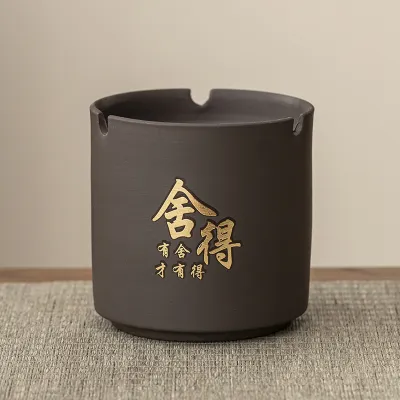
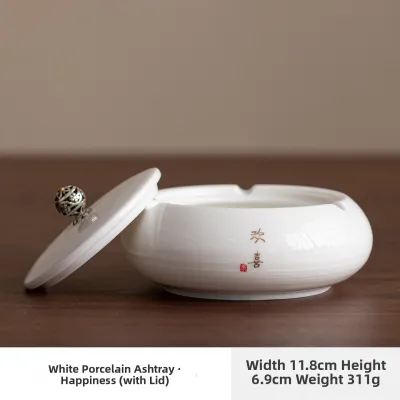
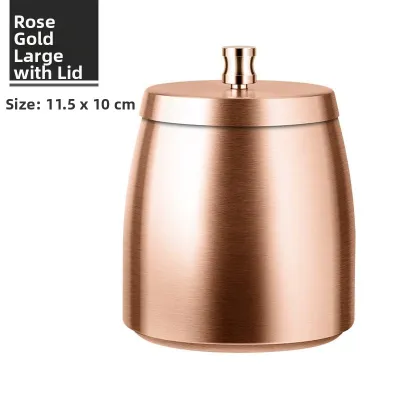
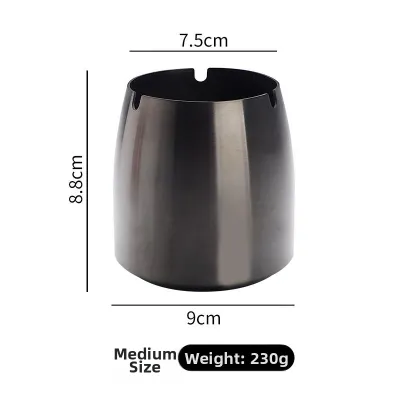
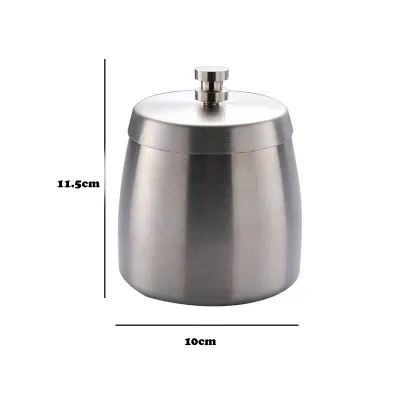
![[SG] Ashtray with cover 🔥 Ash Tray with lid Indoor Ashtray](https://img.lazcdn.com/g/p/a6dfeedb8ada181fc8673471ea34cea2.jpg_400x400q80.jpg_.webp)
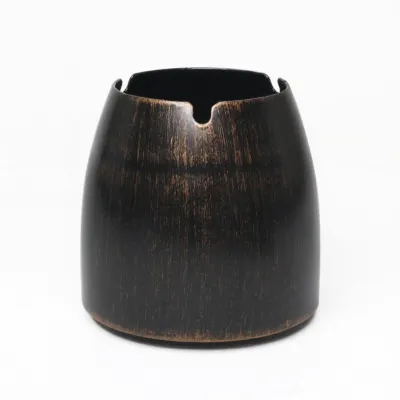
Prices are valid at publication and may change. Please refer to the product page for the latest price.
Material Basics: Ceramic, Glass, and Metal Traits
Ceramic ashtrays are crafted from clay that is shaped, fired at high temperatures, and typically finished with a glaze. This process results in an opaque, substantial object with a reassuring weight. The glaze can range from high-gloss to matte, offering a wide variety of tactile experiences. However, ceramic remains inherently brittle; a hard impact or a fall onto a tiled floor can easily cause chipping, cracking, or complete breakage.
Glass ashtrays offer a distinct visual lightness due to their transparent or translucent qualities. They can be molded into precise geometric shapes or thick, heavy blocks that catch and refract light. While glass is non-porous and highly resistant to chemical staining, it is vulnerable to thermal shock—sudden, extreme temperature changes can cause the material to fracture. Additionally, glass surfaces can show fine scratches over time if subjected to abrasive cleaning agents or rough handling.
Metal ashtrays, commonly made from stainless steel, brass, aluminum, or copper, are prized for their exceptional durability and impact resistance. They can withstand drops and rough handling without risk of shattering. Metal surfaces can be finished in numerous ways, including brushed, polished, or powder-coated colors. However, metal is a highly efficient heat conductor, meaning the body of the ashtray can become warm during use, and polished finishes are highly susceptible to visible fingerprints, water spots, and surface marring.
Aesthetics: Matching Materials to Your Decor Style
Ceramic ashtrays are exceptionally versatile, making them an excellent fit for traditional, rustic, bohemian, or highly customized artistic spaces. The organic nature of clay allows artisans to create unique shapes, hand-carved details, and rich glaze effects like crackle or reactive glazes. A ceramic piece can easily mimic stone, wood, or antique pottery, allowing it to serve as a subtle sculptural element when the lid is in place.

Glass ashtrays complement modern, minimalist, or mid-century modern interiors. The transparency of glass prevents the object from feeling visually heavy on a tabletop, allowing the beauty of the underlying wood or stone surface to show through. Colored glass, such as amber, emerald, or smoked grey, can add a sophisticated pop of retro color that interacts beautifully with ambient room lighting and candlelight.
Metal ashtrays align naturally with industrial, contemporary, or masculine decor themes. A brushed stainless steel or matte black aluminum tray offers a clean, utilitarian aesthetic that emphasizes function and precision. For a more luxurious or vintage feel, polished brass, copper, or bronze options introduce warmth and a classic metallic luster that patinas over time, adding character to the space.
Durability and Maintenance: Heat, Stains, and Cleaning
Managing heat is a primary consideration for any ash tray with lid. Glass requires the most caution regarding thermal tolerance; placing a hot ember directly onto a cold glass surface can induce localized thermal stress, leading to sudden cracking. Metal handles high temperatures without structural risk, but because it conducts heat rapidly, the exterior of the tray can become hot to the touch, requiring care when handling or placing it on delicate wood surfaces. Thick ceramic retains heat well and generally tolerates normal usage temperatures, though rapid cooling—such as rinsing a hot ceramic tray under cold water—should always be avoided to prevent structural cracking.
Stain and odor resistance vary significantly across these materials. Glazed ceramic and smooth glass feature non-porous surfaces that do not absorb oils, tars, or odors, making them highly resistant to permanent staining and easy to restore to a clean state. In contrast, unglazed or matte ceramic can absorb residues over time, leading to discoloration. Metal is also non-porous, but its surface can develop micro-scratches from abrasive ash particles or cleaning tools; these tiny crevices can trap fine ash residue and retain stubborn odors if the tray is not cleaned thoroughly and regularly.
Establishing a safe cleaning routine preserves the appearance and longevity of your decorative ashtray. For glazed ceramic and glass, hand-washing with warm, soapy water and a soft sponge is the safest approach. Avoid using abrasive scouring pads, which can dull glazes and scratch glass. For metal ashtrays, particularly those with polished or brushed finishes, avoid steel wool or harsh chemical cleaners that can strip protective coatings or scratch the surface. Instead, use a soft microfiber cloth and mild dish soap, and ensure the metal is dried completely after washing to prevent water spots, tarnishing, or oxidation.
Lid Functionality: Weight, Seals, and Moving Parts
The physical weight and stability of the ashtray base play a crucial role in how effectively you can operate the lid. A heavy base, typical of thick ceramic or solid glass, ensures that the ashtray remains firmly in place when you lift, slide, or rotate the lid. Lightweight metal ashtrays, while durable, can easily slide or tip over during use if they lack a weighted bottom or non-slip rubber feet to anchor them to the table.
The precision of the lid’s fit directly impacts its ability to contain odors and prevent ash from blowing out in drafty environments. Because ceramic and glass shrink during the firing and cooling processes, achieving an airtight seal can be challenging without the addition of a silicone or rubber gasket. Metal lids can be manufactured to much tighter tolerances, allowing for snug slip-fits, threaded closures, or precisely aligned hinges that provide a more reliable barrier against escaping odors and drafts.
Hinges and moving hardware introduce mechanical wear points that require consideration. Metal-on-metal hinges are highly durable but can suffer from friction wear, squeaking, or loose screws over time, requiring occasional adjustment or lubrication. Glass and ceramic ashtrays rarely feature integrated hinges due to the fragility of the materials; they typically rely on simple lift-off lids. When a glass or ceramic piece does incorporate metal hinges, the attachment points represent high-stress areas where overtightening or accidental leverage can easily crack the main body.
Decision Framework: Choosing the Right Material for You
To select the ideal material for your decorative ash tray with lid, evaluate your daily habits, household environment, and aesthetic priorities.
Choose Ceramic if: You prioritize unique, artistic designs and want a heavy, stable piece that functions as a sculptural decor item. This material is best suited for indoor environments where the risk of drops is minimal, and you prefer a smooth, glazed surface that is easy to wipe clean without worrying about thermal shock.
Choose Glass if: You want a sleek, modern look that visually integrates with your tabletop and catches ambient light. This option is ideal for minimalist spaces, provided you are committed to gentle hand-washing routines and mindful of avoiding sudden temperature fluctuations.
Choose Metal if: You require maximum durability, drop resistance, and high heat tolerance. Metal is the most practical choice for high-traffic areas, households with pets, or outdoor patios, provided you are comfortable managing heat conduction and avoiding abrasive cleaning methods that could scratch the finish.
Verify first if: Before making a final decision, inspect the specific product’s lid mechanism to ensure it operates smoothly and securely. Check the manufacturer’s care instructions to confirm that the recommended cleaning and maintenance routines align with your lifestyle and preferences.
Frequently Asked Questions (FAQ)
Can I put a glass ashtray in the dishwasher?
While some glass ashtrays are labeled as dishwasher safe, hand-washing is highly recommended to ensure longevity. The rapid temperature changes during a dishwasher cycle can subject the glass to thermal shock, risking cracks. Additionally, harsh dishwasher detergents and abrasive water sprays can etch or cloud the glass surface over time, permanently dulling its clarity.
How do I remove stubborn ash stains from a metal ashtray?
To remove stubborn stains from a metal ashtray without scratching the finish, apply a paste made of baking soda and water, then gently rub the area with a soft microfiber cloth. Avoid using steel wool, abrasive scouring pads, or harsh acidic chemicals, as these can permanently scratch or strip the metal’s polished or brushed finish. Always check the manufacturer’s guidelines before applying any cleaning agents.
Are ceramic ashtrays with lids safe for outdoor use?
Ceramic ashtrays can be used outdoors, but they require careful protection from extreme weather. Moisture can seep into minor cracks in the glaze or unglazed portions of the ceramic; if this moisture freezes, it can expand and cause the ceramic to crack or shatter. To prevent damage, verify if the piece is rated for outdoor use, and store it indoors during freezing temperatures or heavy rain.
Community discussion
Share your experience or ask a question. Comments are reviewed before publication.