
Quick Guide to Matching Ceramic Vases to Your Decor
Matching a ceramic vase to your home aesthetic requires balancing its silhouette, surface texture, and color palette with the existing design elements of your room. A well-chosen ceramic vase can serve as a striking focal point or a quiet, complementary accent that ties a space together. In modern homes, where space is often carefully curated, these vessels bridge the gap between functional utility and sculptural art. By understanding how different ceramic styles interact with light, furniture, and surrounding decor, you can make an intentional choice that elevates your living space.
Rather than viewing a vase as a mere container for flowers, consider it an independent design element. The right piece can echo the architectural lines of your home, soften hard angles, or introduce a much-needed pop of color. Whether you prefer the clean lines of contemporary design or the warm imperfections of rustic styling, selecting the perfect ceramic vase starts with analyzing its physical characteristics.
Key Dimensions for Evaluating Ceramic Vases
Before selecting a ceramic vase, it is essential to evaluate its physical and visual traits to ensure it harmonizes with your interior.
Products mentioned in this guide
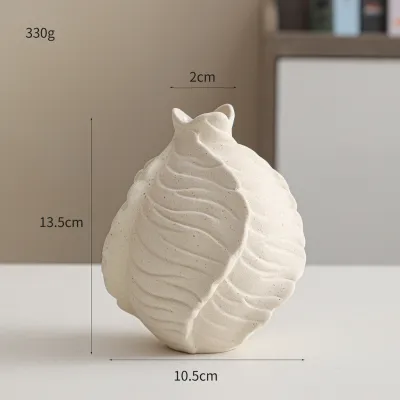
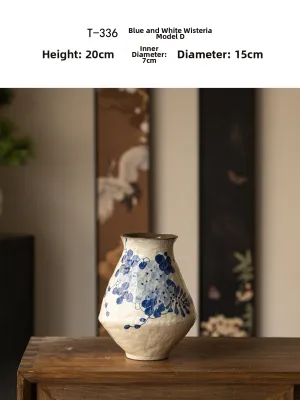
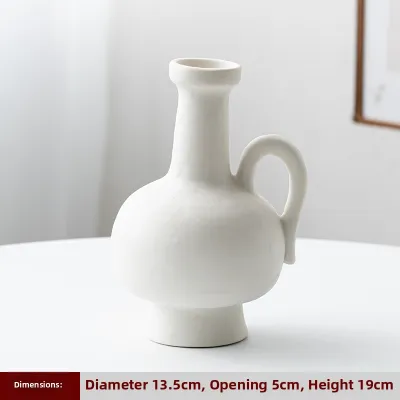
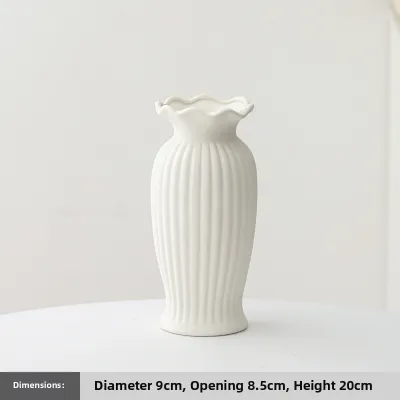
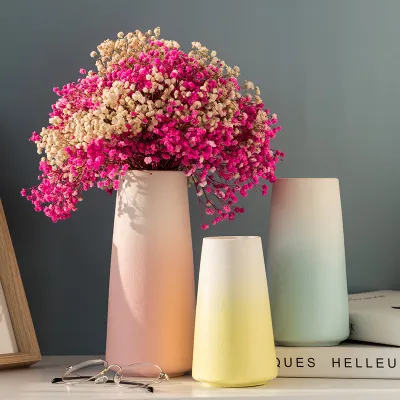
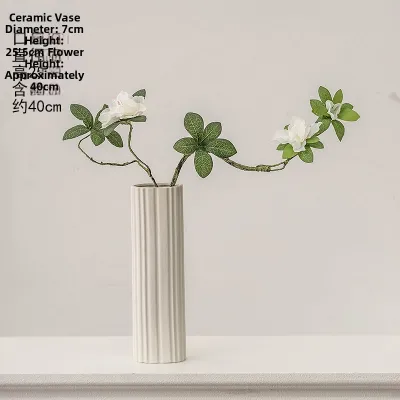
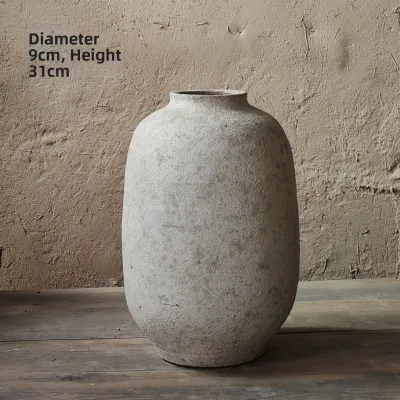
Prices are valid at publication and may change. Please refer to the product page for the latest price.

Silhouette and Proportions: The outline of a vase dictates its visual weight. Tall, slender cylinders draw the eye upward, making them excellent for rooms with high ceilings or narrow console tables. Bulbous, low-slung vessels offer a grounded, stable presence that anchors wide dining tables or low coffee tables. The neck shape also plays a critical role; a narrow neck restricts stems for a structured look, while a wide mouth allows for a sprawling, natural arrangement.
Glaze and Finish: How a vase reflects or absorbs light dramatically alters the mood of a room. Glossy glazes reflect light sharply, adding a touch of polish and formality that works well in traditional or high-end contemporary settings. Matte finishes absorb light, offering a soft, understated texture that complements minimalist and organic spaces. Reactive glazes, which feature variegated colors and patterns from the firing process, introduce unique, organic movement, while raw, unglazed clay provides a tactile, earthy connection to nature.
Color Palettes: The color of your ceramic vase should either blend seamlessly with your existing palette or provide a deliberate pop of contrast. Neutral tones like cream, beige, charcoal, and terracotta act as versatile foundations that let the form of the vase or the beauty of the flowers take center stage. Bold statement colors, such as deep cobalt, emerald green, or mustard yellow, turn the vase into an independent art piece.
Scale and Placement: A common design mistake is choosing a vase that is dwarfed by its surroundings or, conversely, overwhelms a delicate shelf. Consider the scale of the furniture it will sit upon. A large floor vase requires open space to breathe, while a small bud vase is best suited for a bedside table or a compact study desk.
Matching Ceramic Vase Styles to Home Aesthetics
Selecting the right ceramic vase is an opportunity to either reinforce your room’s established theme or introduce an intentional, refreshing contrast. For instance, placing a highly textured, rustic vase in an otherwise sleek, modern room can break up visual monotony and add a layer of warmth. Conversely, a clean-lined, geometric vase can bring structure to a relaxed, bohemian space. Use the following style categories as a guide to identify the specific ceramic characteristics that will best complement your home’s unique design language.
Modern Minimalist and Contemporary Spaces
Modern minimalist and contemporary interiors thrive on clean lines, open spaces, and a lack of unnecessary clutter. In these environments, a ceramic vase should be treated as a piece of architectural sculpture.
Geometric Silhouettes: Look for vases with sharp, defined angles, perfect spheres, or clean cylindrical forms. These shapes echo the structured lines of modern furniture and architectural features.
Smooth and Matte Finishes: A smooth, matte, or satin finish is ideal for contemporary spaces. It prevents distracting reflections and emphasizes the pure form of the vessel. Monochromatic color schemes—such as stark white, deep black, or cool grey—maintain the clean, serene atmosphere of minimalist design.
The Power of Negative Space: In minimalist styling, what you leave out is just as important as what you include. A single, sculptural ceramic vase placed on a sideboard with no flowers at all can make a powerful design statement. If you do choose to add botanicals, a single structural branch or a few minimalist stems will complement the vase without cluttering its clean profile. Avoid overly ornate patterns, hand-painted floral motifs, or highly irregular shapes that can disrupt the clean, orderly feel of a contemporary room.
Rustic, Farmhouse, and Wabi-Sabi Interiors
For homes that embrace warmth, organic textures, and the beauty of imperfection, ceramic vases with a raw, tactile quality are the perfect match. These styles celebrate the natural characteristics of clay and the hand of the maker.
Textured and Unglazed Finishes: Look for vases that feature rough, sandy textures, exposed raw clay, or coarse slip-trailed details. Wabi-sabi aesthetics, in particular, celebrate the weathered and the incomplete. Vases with crackle glazes, uneven coloring, or visible throwing lines from the potter’s wheel bring an authentic, grounded feel to the home.
Asymmetrical and Organic Shapes: Instead of perfect symmetry, opt for gently warped silhouettes, hand-pinched forms, or vessels with irregular openings. These organic shapes mimic the natural world, making them feel right at home alongside wooden beams, linen textiles, and stone surfaces.
Earthy Color Palettes: Choose colors derived from nature, such as warm terracotta, soft ochre, sage green, sandy beige, and deep charcoal. These tones harmonize beautifully with dried botanicals, such as pampas grass, eucalyptus, or bare, twisted branches. This approach is particularly effective in creating a cozy, inviting sanctuary away from the bustling urban environment of Singapore.
Traditional, Classic, and Vintage Rooms
Traditional and classic interiors are characterized by symmetry, refined details, and a sense of history. Ceramic vases for these spaces should exude elegance and timeless craftsmanship.
Classic Silhouettes: Look for time-honored shapes such as urns, amphoras, ginger jars, and baluster vases. These forms have a balanced, symmetrical presence that aligns perfectly with formal furniture arrangements and classic architectural moldings.
Rich Glazes and Intricate Details: High-gloss glazes, delicate hand-painted patterns, and subtle relief carvings are hallmarks of traditional ceramics. Blue and white porcelain ginger jars, for example, are timeless classics that add sophisticated color and pattern to a room. Vases with fluted details or scalloped rims also add a layer of historical charm.
Styling and Placement: These elegant vessels are best displayed in pairs to create formal symmetry on a fireplace mantel, a dining room sideboard, or an entryway console table. Fill them with lush, abundant floral arrangements—such as roses, hydrangeas, or lilies—to enhance the sense of classic luxury and refinement.
Eclectic, Bohemian, and Maximalist Decor
If your home is a vibrant tapestry of colors, patterns, and global influences, your ceramic vases should reflect that same playful, expressive energy. In eclectic and maximalist spaces, there are no strict rules, only opportunities for self-expression.
Bold Colors and Sculptural Shapes: Do not shy away from vibrant hues like cobalt blue, mustard yellow, terracotta, or rich plum. Look for unconventional, whimsical, or highly sculptural shapes—such as abstract human forms, multi-necked bud vases, or playful animal motifs.
The Art of Grouping: Maximalist decor thrives on layers and collections. Instead of displaying a single vase, create a curated cluster of multiple ceramic pieces. Mix different heights, shapes, and glaze finishes to create a dynamic, collected-over-time look. A grouping of three or five contrasting vases on a shelf or coffee table instantly becomes an engaging conversation starter.
Artisanal and Global Influence: Seek out handmade ceramics, studio pottery, or pieces inspired by global design traditions. These unique items add personality and a sense of storytelling to your home, fitting seamlessly into the layered, worldly vibe of bohemian decor.
Practical Tips for Selecting and Styling Your Vase
Once you have identified the style that matches your aesthetic, practical styling techniques will help you integrate the vase seamlessly into your living space.
Rules of Proportion: To ensure your vase looks balanced, follow the rule of thirds. Ideally, the height of your floral arrangement should be roughly one-and-a-half to two times the height of the vase. When placing a vase on a piece of furniture, ensure its height is proportional to the surrounding space. A tall vase on a low console table can create a striking vertical line, while a small vase on a massive dining table will look lost.
Grouping Techniques: When styling multiple vases together, always work in odd numbers, such as groups of three or five. This arrangement is naturally more pleasing to the eye than even numbers. Vary the heights and widths of the vases within the group to create a sense of rhythm. For instance, pair a tall, slender cylinder with a medium-sized bulbous vase and a small, low bowl. Ensure there is a common thread—such as a shared color palette or material—to keep the grouping cohesive.
Functional vs. Decorative Use: Consider how you plan to use the vase. If you intend to display fresh flowers regularly, choose a vase with a glazed interior to prevent water leakage, and opt for a neck width that supports your preferred floral style. A narrow neck is perfect for holding a few delicate stems upright, while a wide-mouthed vase is necessary for dense, heavy bouquets. If the vase is purely decorative, you can prioritize sculptural form and unique textures over practical considerations like water capacity.
What to Check Before Buying a Ceramic Vase
To ensure your ceramic vase is both beautiful and practical for daily use, keep these essential checks in mind before making a purchase.
Waterproofing Verification: Not all ceramic vases are designed to hold water. Unglazed clay, low-fired earthenware, and certain textured or crackle glazes are naturally porous and can slowly seep moisture. This can ruin wooden tabletops or leave water rings on delicate surfaces. Always check the manufacturer’s specifications to confirm if a vase is fully glazed inside and rated as waterproof. If you fall in love with an unglazed piece, plan to use it solely for dried botanicals, or place a plastic or glass liner inside to hold water.
Base Weight and Stability: A beautiful vase is of little use if it easily tips over. Check the weight of the base, especially if you plan to display tall branches or heavy, top-heavy floral arrangements. Vases with a wide, flared base or those made from heavy stoneware offer the best stability. If a lightweight vase is placed in a high-traffic area, consider adding decorative stones or sand to the bottom to lower its center of gravity.
Surface Protection: The bottom of ceramic vases can sometimes be rough or abrasive, particularly if they are unglazed or handmade. To protect your furniture from scratches, inspect the base of the vase. If it feels rough, apply small adhesive felt pads or a cork coaster to the bottom before placing it on polished wood, glass, or lacquered surfaces.
Dimension Verification: Always measure your intended display space before buying. Check the height clearance of shelves and the depth of mantels or windowsills. A vase that is too wide may overhang a narrow shelf, creating a safety hazard, while a vase that is too tall will not fit beneath upper cabinetry. Whether you are investing in a premium artisanal piece or a budget-friendly find under S$50 from an online marketplace, verifying these physical dimensions ensures a perfect fit.
Frequently Asked Questions (FAQ)
Can I put water in any ceramic vase?
No, you cannot put water in every ceramic vase. While fully glazed stoneware and porcelain are generally waterproof, unglazed ceramics, earthenware, and pieces with decorative crackle glazes are often porous. Over time, water can seep through these materials, potentially damaging your wooden tables, shelves, or stone countertops. Always check the manufacturer’s product details for waterproofing guarantees. If you want to use a porous or unglazed ceramic vase for fresh flowers, insert a watertight glass or plastic container inside the vessel to hold the water and protect the ceramic exterior.
How do I clean a textured or unglazed ceramic vase?
Cleaning textured or unglazed ceramic vases requires a gentle touch to avoid damaging the delicate surface or staining the porous clay. For regular maintenance, use a soft-bristled brush, a dry microfiber cloth, or a gentle feather duster to remove accumulated dust from crevices. Avoid using harsh chemical cleaners, abrasive scrubbing pads, or soaking the vase in water, as porous ceramics can absorb liquids and develop discoloration or mold. If a spot clean is necessary, use a damp cloth with mild, diluted dish soap, gently wipe the area, and allow the vase to air dry completely in a well-ventilated space.
Community discussion
Share your experience or ask a question. Comments are reviewed before publication.