
Selecting the ideal candle burner involves balancing safety, heat management, and visual harmony with your living space. The material you choose directly dictates how efficiently the burner diffuses fragrance, how safely it handles heat, and how easily it integrates into your home decor. While ceramic offers exceptional heat retention and a rustic, artisanal charm, glass provides unmatched visual transparency that amplifies ambient light, and metal delivers rugged durability suited for high-traffic or outdoor settings.
To make an informed decision, you must evaluate how these materials behave under constant thermal exposure and physical handling. Each material presents distinct trade-offs in terms of thermal shock resistance, cleaning maintenance, and structural stability. By understanding these physical properties, you can select a candle burner that not only enhances your aromatherapy experience but also ensures a safe and durable addition to your home.
Key Evaluation Criteria for Candle Burner Materials
Before comparing individual materials, it is essential to establish the core metrics that define a high-performing candle burner. These criteria help you look past surface aesthetics to evaluate how a burner will perform over hours of continuous heat exposure.
Products mentioned in this guide
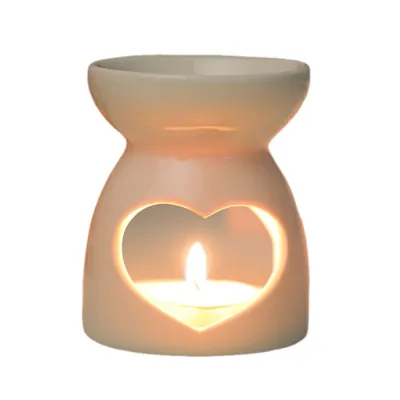
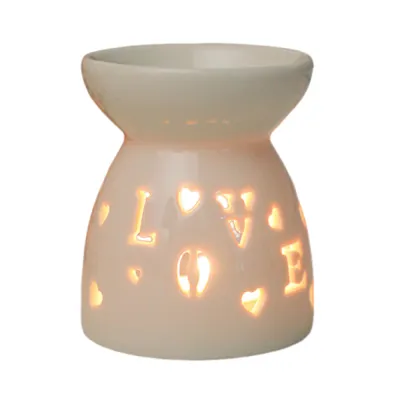
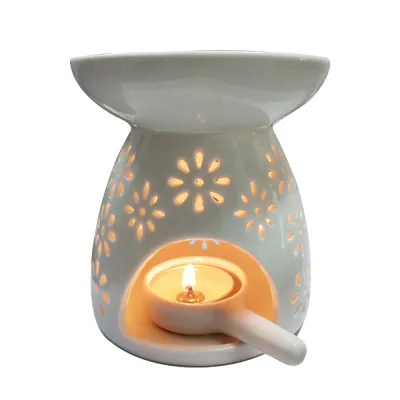
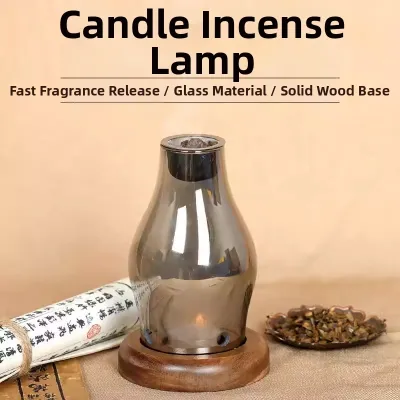
Prices are valid at publication and may change. Please refer to the product page for the latest price.
Heat Distribution and Retention
Heat distribution refers to how evenly thermal energy spreads across the burner’s surface, which is critical for melting wax uniformly and releasing fragrance efficiently. Heat retention, on the other hand, is the material’s ability to store and slowly radiate heat even after the candle flame is extinguished. Denser, thicker materials typically retain heat longer, providing a sustained, gentle warmth, whereas thinner materials heat up rapidly but cool down almost immediately once the heat source is removed.
Durability and Thermal Shock Resistance
A candle burner must withstand both physical impacts and thermal shock—the structural stress caused by rapid temperature fluctuations. For instance, placing a cold wax melt onto a hot burner or washing a warm burner with cool water can cause fragile materials to crack or shatter. Evaluating physical durability involves assessing how well the material resists chipping from accidental drops, scratches from cleaning tools, and structural degradation over time.
Aesthetic Integration and Ambient Light Interaction
The visual impact of a candle burner depends heavily on how its surface finish interacts with light. Matte, glazed, polished, or textured surfaces reflect and diffuse the flickering flame differently, altering the perceived color temperature and mood of a room. Choosing a material that complements your existing interior design—whether traditional, minimalist, or industrial—ensures the burner serves as an attractive decorative accent even when not in use.
Ceramic Candle Burners: Heat Retention and Aesthetic Warmth
Ceramic candle burners are highly favored for their classic appeal and excellent thermal properties. Made from clay fired at high temperatures, these burners are naturally dense, allowing them to absorb heat slowly and distribute it evenly across the wax pool.

Thermal Performance and Radiant Warmth
The thick walls characteristic of ceramic burners act as an effective thermal buffer. They prevent the intense, localized heat of a tealight flame from creating hot spots, which can scorch the wax or degrade delicate fragrance oils too quickly. Instead, ceramic absorbs the heat and slowly radiates a steady, gentle warmth. This slow-release mechanism ensures a consistent and long-lasting scent throw, making ceramic an excellent choice for prolonged aromatherapy sessions.
Durability Limits and Vulnerabilities
While ceramic is structurally rigid, it is susceptible to physical damage and thermal shock. Dropping a ceramic burner on a hard surface like tile or stone will almost certainly cause it to chip, crack, or break entirely. Furthermore, sudden temperature shifts—such as rinsing a hot ceramic dish under cold tap water—can compromise the structural integrity of the clay, leading to hairline fractures that may eventually cause the burner to leak melted wax.
Aesthetic Appeal and Finishes
Ceramic offers incredible stylistic versatility through various finishing techniques. Unglazed, matte ceramic burners provide a raw, earthy, and organic look that fits perfectly into rustic, bohemian, or Scandinavian-inspired spaces. Glazed ceramics, featuring glossy or crackled finishes, offer a more polished appearance and are much easier to wipe clean. Handcrafted ceramic pieces often exhibit unique variations in color and texture, adding an artisanal, cozy warmth to your living space.
Glass Candle Burners: Visual Appeal and Even Heat Distribution
Glass candle burners are celebrated for their modern elegance and the unique way they interact with light. They offer a clean, minimalist aesthetic that showcases the melting wax and maximizes the glow of the candle flame.
Heat Distribution and Material Specifications
Glass heats up relatively quickly and distributes warmth evenly across its surface, facilitating a rapid wax melt and quick fragrance release. However, because glass does not possess the same density as ceramic, it does not retain heat for long once the flame is put out. When purchasing a glass burner, it is critical to verify that the product is made from high-quality, heat-resistant glass, such as borosilicate or tempered glass, which is specifically engineered to withstand elevated temperatures without cracking.
Fragility and Thermal Shock Risks
Fragility is the primary drawback of glass burners. They require stable, level placement on heat-resistant surfaces to prevent tipping, as even a minor fall can result in dangerous shards of shattered glass and spilled hot wax. Glass is also highly sensitive to thermal shock; adding cold wax or water to a hot glass burner, or placing it on a cold stone countertop while hot, can cause immediate cracking.
Visual Benefits and Ambient Light
The standout feature of glass is its transparency. A glass burner allows you to observe the entire melting process, turning the shifting colors of the liquid wax into a visual display. Furthermore, the clear material amplifies and diffuses the flickering light of the candle flame, casting soft, dancing shadows across the room. This makes glass burners exceptionally well-suited for contemporary, elegant, or minimalist interiors where ambient lighting is a key design element.
Metal Candle Burners: Durability and Modern Styling
For those prioritizing longevity and a sleek, contemporary aesthetic, metal candle burners offer unmatched physical resilience. Typically constructed from brass, copper, iron, or stainless steel, these burners bring an industrial edge to home decor.
High Heat Conductivity and Safety Risks
Metal is an excellent conductor of heat, meaning it warms up almost instantly when exposed to a flame. While this leads to a very fast wax melt, it also means the exterior of a metal burner becomes extremely hot to the touch during use. This high heat conductivity poses a burn hazard, requiring users to exercise extreme caution. You must never attempt to move or touch a metal burner while the candle is lit or immediately after extinguishing it, and it must always be placed on a highly heat-resistant trivet or surface.
Physical Durability and Maintenance
In terms of physical resilience, metal is virtually indestructible compared to ceramic and glass. It will not shatter if dropped, making it highly suitable for busy households with pets or children, as well as for outdoor use on patios or balconies. However, depending on the specific alloy and protective coating, metal burners can be prone to tarnishing, oxidation, or rusting over time, especially when exposed to high humidity. Regular polishing or dry wiping is necessary to maintain their metallic luster.
Aesthetic Fit and Outdoor Versatility
Metal burners fit seamlessly into minimalist, industrial, or modern loft-style decors. Their clean lines, metallic sheen, and structural weight provide a sophisticated, architectural presence. Because they are heavy and shatterproof, metal burners are also the preferred choice for outdoor settings where wind resistance and rugged durability are essential to withstand the elements.
Side-by-Side Material Comparison
To help you quickly weigh the trade-offs of each material, the following comparison matrix summarizes how ceramic, glass, and metal perform across key operational and aesthetic categories.
| Material | Heat Retention | Impact Durability | Thermal Shock Resistance | Maintenance Ease | Best Decor Style |
|---|---|---|---|---|---|
| Ceramic | High | Low | Moderate | Moderate to High | Rustic, Traditional, Scandinavian |
| Glass | Low | Very Low | Low to Moderate | High (Glazed/Smooth) | Modern, Minimalist, Elegant |
| Metal | Very Low | Very High | High | Moderate (Tarnish Risk) | Industrial, Contemporary, Outdoor |
Note: Specific performance thresholds, heat limits, and durability ratings depend heavily on individual manufacturer specifications, material thickness, and the presence of protective glazes or coatings.
Decision Framework: Which Material Should You Choose?
Selecting the right candle burner requires matching the material’s physical properties to your specific household environment, safety requirements, and aesthetic preferences.
When to Choose Ceramic
Opt for a ceramic candle burner if your primary goal is a steady, long-lasting fragrance release and a cozy, inviting atmosphere. Ceramic is ideal for low-traffic indoor areas, such as a study, bedroom, or reading nook, where the burner can sit undisturbed. Its superior heat retention ensures that your wax melts continue to diffuse scent gently even after you blow out the tealight, making it a highly efficient choice for daily aromatherapy.
When to Choose Glass
Select a glass candle burner if you want to elevate the visual ambiance of your space and enjoy the clean, modern look of transparent design. Glass is perfect for dining tables, living room mantels, or spa-like bathrooms where the flickering flame can be fully appreciated. Ensure you place it on a stable, draft-free surface well away from room edges, and always verify that the glass is rated as heat-resistant or tempered before use.
When to Choose Metal
Choose a metal candle burner if physical durability is your top priority. Metal is the safest option for high-traffic areas, households with active pets, or outdoor spaces like balconies and patios where wind or accidental bumps could knock a burner over. While you must remain mindful of its hot exterior, metal’s shatterproof nature provides peace of mind.
Critical Verification Steps Before Purchasing
Before finalizing your purchase on any online marketplace or local retail store, always verify the product’s technical specifications. Check if the manufacturer explicitly lists thermal shock resistance, maximum candle size limits, or indoor/outdoor ratings.
If you are opting for an electric candle burner rather than a traditional tealight model, you must also verify electrical specifications. Check the voltage compatibility with your home outlets, the maximum wattage limit of the heating element or bulb, and ensure the device carries recognized electrical safety certifications. Additionally, confirm the dimming method if the burner features adjustable heat or light settings.
Essential Safety and Maintenance Checks
Operating any candle burner safely requires adhering to basic fire safety principles and proper material maintenance.
Verifying Manufacturer Specifications
Always read the manufacturer’s label for specific clearance requirements, maximum candle height, and weight limits. Never use a candle or tealight that is taller or produces a larger flame than what the burner is designed to accommodate, as excessive heat can damage the burner or create a fire hazard. Ensure there is adequate vertical clearance between the flame and the wax dish.
Safe Placement Rules
Place your candle burner on a flat, stable, and heat-resistant surface away from drafts, open windows, ceiling fans, and air conditioning vents. Drafts can cause the flame to flicker violently, leading to uneven heating, soot buildup, or accidental flare-ups. Keep the burner at least 30 centimeters away from flammable materials such as curtains, books, and loose papers, and ensure it is kept completely out of reach of children and pets.
For electric candle burners, safety boundaries are particularly important. Always isolate the power source by unplugging the device before cleaning or changing the bulb. Avoid placing electric burners in damp areas such as bathrooms near open water basins to prevent electrical hazards. If you are installing any suspended or wall-mounted lighting fixtures that double as candle holders, always follow the manufacturer’s installation instructions carefully or consult a qualified professional to ensure secure mounting.
Cleaning and Maintenance Guidelines
To clean your burner safely, allow it to cool completely before handling. For glass burners, avoid using abrasive scrubbers or harsh chemical cleaners, which can scratch the surface and weaken the glass structure over time. For unglazed ceramic burners, avoid soaking them in water for extended periods, as moisture trapped within the porous clay can expand when heated, causing the burner to crack during its next use. Instead, wipe unglazed surfaces with a damp cloth and allow them to air-dry completely before lighting a candle. For metal burners, use a dry microfiber cloth to remove soot and wax residue, and apply specialized metal polish occasionally if needed to prevent tarnishing.
Community discussion
Share your experience or ask a question. Comments are reviewed before publication.