
Selecting the right incense coil holder depends on balancing your household’s safety constraints, durability needs, and aesthetic preferences. If your primary concern is absolute heat isolation and effortless cleaning, ceramic is typically the most reliable choice. For high-traffic spaces where drops are likely, metal offers unmatched structural durability. If you prioritize a warm, organic aesthetic that blends seamlessly with minimalist or rustic decor, wood is highly appealing, provided it features proper heat shielding.
To make an informed decision, you must evaluate four key criteria: heat resistance, ash containment, structural durability, and aesthetic compatibility. Regardless of the material you choose, the baseline safety requirement remains the same: the holder must securely support the burning coil, prevent it from tipping, and isolate high temperatures from your underlying furniture or countertops.
Ceramic Holders: Evaluating Heat Safety and Ash Containment
Ceramic incense coil holders, typically crafted from fired clay, stoneware, or porcelain, are widely favored for their exceptional natural heat resistance. Because ceramic is non-combustible, it acts as an excellent thermal barrier. When an incense coil burns down completely, the residual heat is safely contained within the ceramic structure, preventing heat transfer to delicate wooden tables or stone countertops. This inherent safety profile makes ceramic a staple for long-burning coils that require sustained thermal isolation.
Products mentioned in this guide
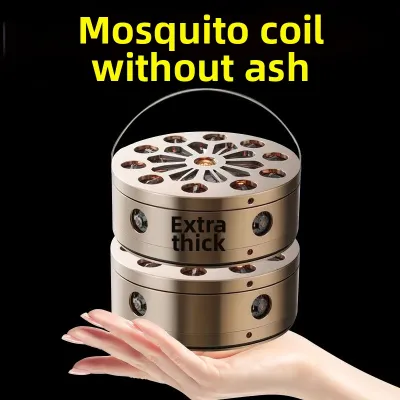
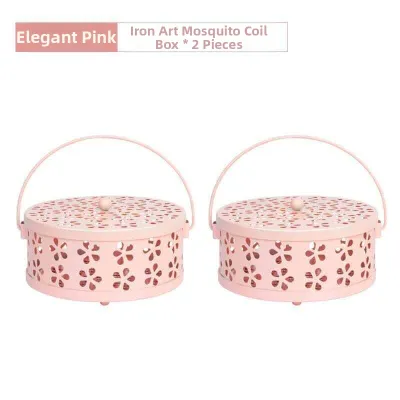
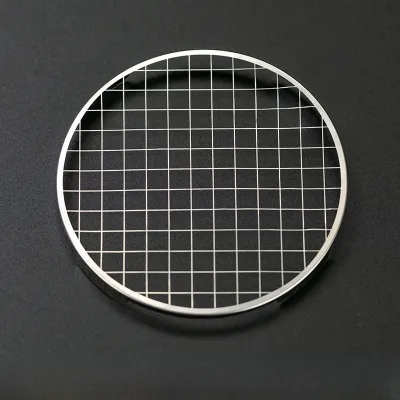
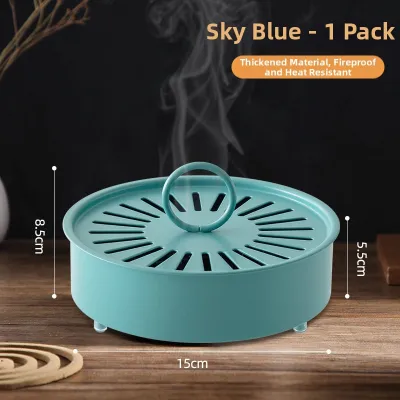
Prices are valid at publication and may change. Please refer to the product page for the latest price.
However, the primary trade-off with ceramic is its physical fragility. A ceramic holder can easily crack or shatter if dropped onto hard flooring, such as terrazzo or ceramic tiles. To mitigate this risk, these holders require stable, flat placement on low-traffic surfaces. When selecting a ceramic holder, look for designs with a wide, heavy base that lowers the center of gravity, reducing the likelihood of accidental tipping by pets, children, or sudden drafts.
From an aesthetic and maintenance standpoint, ceramic offers immense versatility. Glazed ceramic surfaces are non-porous, meaning they do not absorb the oils, tars, and resins released during incense combustion. This makes cleanup remarkably straightforward; a simple wipe with a damp cloth or a quick wash with mild soap is usually sufficient to remove yellowing resin buildup and loose ash. Unglazed or matte ceramic options provide a rustic, earthy texture but may require more diligent cleaning to prevent permanent staining from volatile oils.
Metal Holders: Assessing Durability and Surface Protection
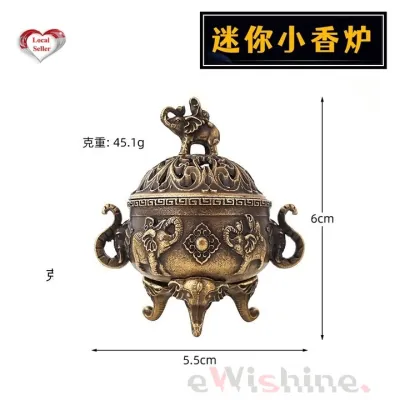
For active households, high-traffic living areas, or outdoor spaces like balconies and patios, metal incense coil holders provide unmatched structural durability. Typically constructed from brass, bronze, aluminum, or stainless steel, these holders are virtually indestructible under normal household conditions. They will not shatter if knocked off a shelf by a curious pet or dropped during routine cleaning, making them an exceptionally long-lasting investment.

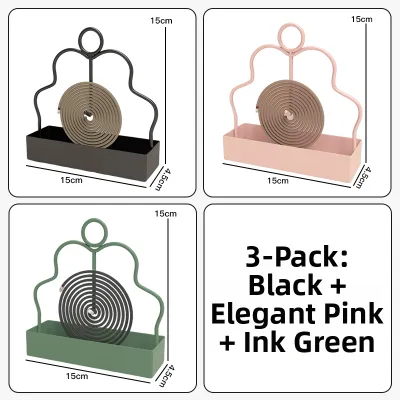
Despite their durability, metal holders present a distinct physical challenge: high thermal conductivity. Metal absorbs and transfers heat rapidly. As an incense coil burns close to a metal support pin or base, the metal itself can become hot enough to scorch varnished wood, melt plastic surfaces, or cause minor burns if touched. To address this risk, it is essential to inspect metal holders for built-in safety features. Look for designs that incorporate raised feet, insulated silicone or felt pads on the underside, or double-walled construction that creates an insulating air gap between the hot chamber and the tabletop.
Over time, exposure to heat, moisture, and acidic incense resins can cause metal surfaces to tarnish, oxidize, or discolor. Brass and copper holders will naturally develop a darker patina, which many users appreciate for its antique character. However, if you prefer a polished, pristine look, metal holders require periodic maintenance. This involves polishing with material-specific cleaners and ensuring the holder is dried thoroughly after washing to prevent rust or corrosion, particularly in humid environments.
Wood Holders: Balancing Aesthetics with Heat Boundaries
Wood incense coil holders are highly sought after for their organic warmth, natural grain patterns, and ability to complement Scandinavian, Japanese, or rustic interior styles. Crafted from materials like bamboo, rosewood, or walnut, these holders bring a tactile, grounding element to a room’s decor. They blend quietly into living spaces, serving as understated decorative accents even when not in use.
However, because wood is an organic, combustible material, using it to hold a burning incense coil requires strict adherence to safety boundaries. A bare wooden surface should never come into direct contact with a burning incense coil or its glowing embers. When shopping for a wooden holder, you must verify the manufacturer’s specifications to ensure it includes a reliable heat barrier. This typically takes the form of a non-combustible metal insert, a fire-resistant felt lining, or a suspended metal hanger that keeps the burning coil elevated and completely isolated from the wooden frame.
Maintenance for wooden holders is also more demanding than for ceramic or metal. Wood is sensitive to environmental changes; high humidity can cause it to warp, while excessive dryness can lead to cracking. You must avoid washing wooden holders with water or exposing them to harsh liquid cleaners. Instead, routine care should be limited to dry-dusting or wiping with a slightly damp, well-wrung cloth. Additionally, you should regularly inspect the interior of the holder for any signs of wood charring, scorching, or heavy resin buildup, which can compromise both the safety and the structural integrity of the piece over time.
Material Comparison Matrix and Final Selection Rules
To help you finalize your decision, the following matrix compares ceramic, metal, and wood across key performance and maintenance dimensions. Note that specific product designs can vary, so always verify unverified parameters against the manufacturer’s specifications before purchasing.
| Material | Heat Isolation | Drop Resistance | Maintenance Effort | Style Versatility |
|---|---|---|---|---|
| Ceramic | Excellent (Non-combustible) | Low (Fragile/Shatters) | Low (Easy to wash/wipe) | High (Various glazes & shapes) |
| Metal | Moderate (Conducts heat; check for insulated feet) | High (Shatterproof) | Moderate (Requires polishing/rust checks) | Moderate (Industrial, antique, or modern) |
| Wood | Low (Combustible; requires metal insert/shield) | High (Will not shatter) | Moderate to High (Sensitive to moisture/warping) | High (Natural, rustic, minimalist) |
Actionable Selection Rules
- Choose Ceramic if: Your primary goal is effortless cleanup, complete heat isolation, and you have a secure, low-traffic spot (such as a mantelpiece or dedicated altar) where the holder is safe from accidental drops.
- Choose Metal if: You have a busy household with pets or children, require a highly durable holder that can withstand drops, or intend to burn incense in semi-outdoor spaces like covered patios.
- Choose Wood if: You prioritize a warm, natural aesthetic that matches your wooden furniture, and you are diligent about verifying safety features like metal inserts and conducting regular safety inspections.
- Verify first if: You plan to use the holder outdoors, in high-humidity areas (like bathrooms), or near open windows with strong drafts. High humidity can warp wood and rust low-grade metals, while drafts require deep-walled holders to prevent ash from scattering onto flammable textiles.
Safe Placement and Routine Maintenance
Regardless of the material you select, safe placement is paramount to preventing household accidents. Always position your incense coil holder on a flat, stable, and heat-resistant surface. Maintain a safe clearance distance of at least one meter from flammable materials, including curtains, upholstery, paper, and loose clothing. Avoid placing the holder in drafty areas, such as directly under air conditioning vents, near open windows, or in high-traffic walkways where people or pets might brush past and knock it over.
Routine maintenance preserves both the appearance and safety of your holder. For glazed ceramic, wash periodically with warm water and mild dish soap to dissolve sticky oils. For metal, use a soft, dry microfiber cloth to wipe away ash, and apply specialized metal polish occasionally if you wish to prevent natural oxidation. For wood, stick to dry-dusting and immediately wipe away any moisture to prevent warping.
Finally, establish clear stop conditions for your holder’s lifespan. Discard and replace any ceramic holder that develops structural cracks, as heat can cause these cracks to expand and lead to sudden breakage. Stop using metal holders if the base warps or if the protective feet degrade, exposing your furniture to direct heat. Most importantly, immediately retire any wooden holder that shows signs of charring, scorching, or deep discoloration near the burning zone.
Frequently Asked Questions (FAQ)
Can I use a wood incense coil holder without a metal insert?
No, you should avoid using a wood incense coil holder without a metal insert or an equivalent non-combustible heat shield unless the manufacturer explicitly specifies that the wood has been treated to withstand direct contact with burning embers. Without a protective barrier, the intense heat from a burning incense coil can easily scorch, char, or ignite the wood, posing a severe fire hazard. Always verify the product specifications to ensure a safe physical barrier exists between the coil and the wooden frame.
How do I remove stubborn ash stains from a ceramic holder?
To remove stubborn ash stains and sticky resin buildup from a glazed ceramic holder, wipe the surface gently with a soft cloth dipped in warm water and mild dish soap. For persistent residue, allow the soapy water to sit on the glaze for a few minutes to loosen the oils before wiping. Avoid using abrasive scrubbers, steel wool, or harsh chemical solvents, as these can permanently scratch the glaze or dull the ceramic finish.

Community discussion
Share your experience or ask a question. Comments are reviewed before publication.