
Choosing the right diffuser stone involves understanding how different materials interact with essential oils. While many appreciate these stones as minimalist, heat-free alternatives to traditional burners, their performance varies significantly based on their physical composition. There is no single universal option that outperforms the rest in every scenario; instead, the ideal choice depends on whether you prioritize a strong initial scent burst, a long-lasting subtle diffusion, or a specific visual aesthetic that complements your interior decor.
The performance of ceramic, plaster, and terracotta stones is primarily dictated by their porosity and density. These physical characteristics determine how quickly a stone absorbs essential oils, how deeply the fragrance penetrates, and how steadily the scent evaporates into the surrounding air. By comparing these three common materials, you can easily match a diffuser stone to your specific fragrance preferences, lifestyle habits, and space requirements.
How Material Porosity Affects Scent Throw
To understand how diffuser stones work, it is helpful to look at the physical mechanism of passive diffusion. When you drop essential oil onto a stone, capillary action draws the liquid into the microscopic spaces and channels within the material. This process holds the oil within the stone’s structure, preventing it from pooling on the surface or evaporating instantly. Once absorbed, the oil gradually moves toward the outer surface where it comes into contact with the air, slowly evaporating and releasing its fragrance into the room. This passive method requires no heat or electricity, making it a safe and subtle way to scent a space.
Products mentioned in this guide
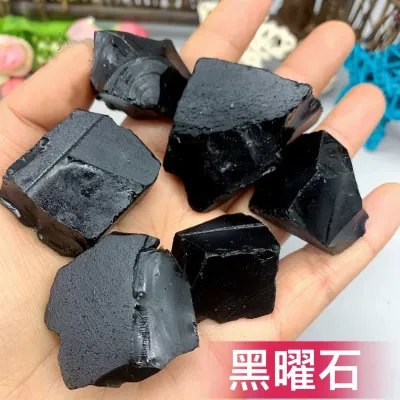
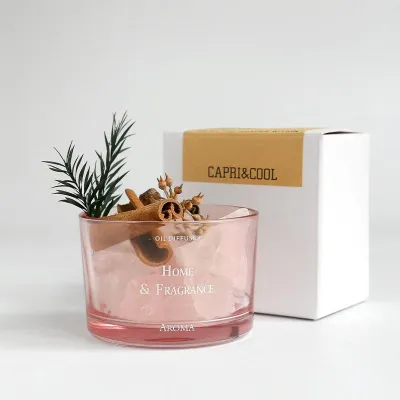
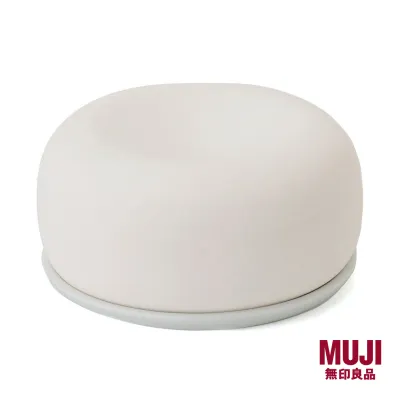
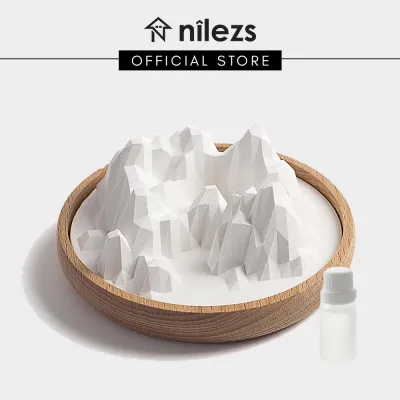
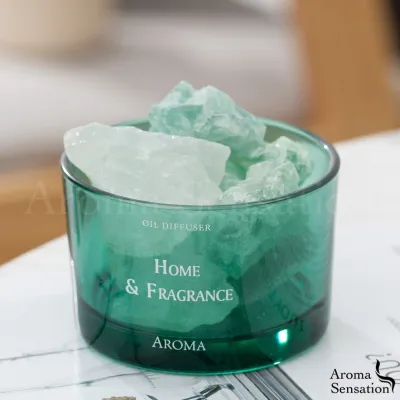
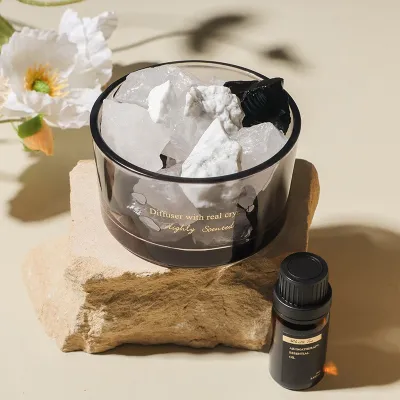

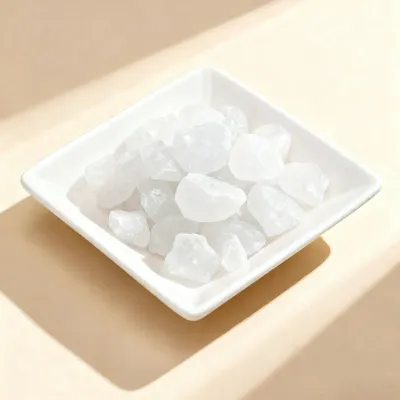
Prices are valid at publication and may change. Please refer to the product page for the latest price.
The rate of this evaporation is heavily influenced by the relationship between material density and pore size. Materials with larger, more open pores absorb essential oils almost instantly, but they also release the fragrance rapidly, resulting in a shorter, more intense scent throw. Conversely, denser materials with smaller, tighter pores absorb oils much more slowly, holding onto the fragrance molecules and releasing them at a gradual, highly controlled pace over a longer period. This fundamental trade-off between immediate intensity and long-term longevity is the key factor to consider when choosing your material.
External environmental factors also play a significant role in how these materials perform. Ambient temperature, local airflow, and relative humidity can all accelerate or decelerate the evaporation process. In a warm, highly humid environment like Singapore, the moisture in the air can slow down the evaporation of water-based elements but may cause certain volatile oil compounds to disperse differently. High humidity can also affect how quickly a highly porous stone dries out, meaning that the same stone might perform differently in an air-conditioned bedroom compared to a naturally ventilated bathroom. Understanding these environmental variables helps you place your diffuser stone where it can perform at its absolute best.
Ceramic Diffuser Stones: Dense and Long-Lasting
Ceramic diffuser stones are typically crafted from clay that undergoes a high-temperature firing process in a kiln. This intense heat vitrifies the clay to a certain degree, fusing the particles closely together and creating a highly dense structure with very low porosity compared to unfired materials. Some ceramic diffusers are left completely unglazed, while others feature partially glazed designs where only specific decorative sections are sealed, leaving designated unglazed areas to absorb the oils. This combination of glazed and unglazed surfaces allows for beautiful artistic designs that still function effectively as passive diffusers.

Because of this dense structure, ceramic stones exhibit a much slower absorption rate. When you apply essential oils to a ceramic stone, you will notice that the liquid sits on the surface for a short moment before gradually sinking into the material. This slow absorption translates directly into a gradual, long-lasting, and highly subtle scent throw. Instead of an overwhelming burst of fragrance, ceramic stones release a steady, faint background aroma that can persist for several days, making them excellent for continuous, low-intensity scenting in spaces where you want a constant, welcoming atmosphere without it becoming overpowering.
In addition to their steady performance, ceramic stones offer excellent durability and ease of maintenance. The high-temperature firing makes them physically robust and highly resistant to chipping or cracking if handled regularly. Furthermore, their dense structure prevents dark or thick essential oils from penetrating too deeply into the core, making the surface much easier to clean and highly resistant to permanent staining. This makes ceramic an ideal choice for those who prefer a low-maintenance accessory that retains its clean, pristine appearance over time, even when using a variety of different essential oils.
Plaster Diffuser Stones: Highly Porous and Fast-Acting
Plaster diffuser stones, often made from cast plaster or gypsum-based compounds, represent the opposite end of the density spectrum. These stones are created by mixing mineral powder with water and pouring it into molds, where it cures at room temperature without firing. This process leaves the finished stone incredibly porous, filled with a vast network of microscopic air pockets that are highly receptive to liquids. Because they do not require kiln firing, plaster stones can be cast into incredibly intricate shapes, from delicate floral patterns to complex geometric designs, making them highly popular as decorative accents.
This extreme porosity allows plaster stones to absorb essential oils almost instantly upon contact. The oil disappears into the stone within seconds, spreading rapidly through the internal structure. Because the pores are large and open, the oil evaporates quickly, delivering a powerful and immediate burst of fragrance. This fast-acting nature makes plaster stones highly effective for rapidly scenting a small, localized area, such as a workspace desk, a bedside table, or a small closet where you want an immediate sensory lift.
However, this rapid evaporation means that the fragrance dissipates much faster, requiring more frequent oil reapplications to maintain the scent. Additionally, plaster is a relatively fragile material; it is soft, prone to chipping if dropped, and can easily scratch. The highly porous surface also acts like a sponge for pigments, meaning that darker or thicker essential oils—such as patchouli, vetiver, or citrus oils—can leave permanent, unsightly stains on the light-colored plaster. Users must handle these stones with care, place them away from high-traffic areas, and accept that cosmetic wear and staining are natural parts of their lifespan.
Terracotta Diffuser Stones: Earthy and Moderate Diffusion
Terracotta diffuser stones are made from natural, iron-rich clay that is fired at relatively low temperatures. Unlike refined ceramic, terracotta is kept completely unglazed to preserve its natural, open-pored structure. The low-firing process bakes the clay to make it structurally sound while retaining a moderate, slightly uneven porosity that is highly characteristic of natural earthenware. This traditional material has been used for centuries in various functional roles, and its thermal and physical properties make it uniquely suited for passive scent diffusion.
This unique physical makeup allows terracotta to offer a balanced, medium-intensity scent throw. It absorbs essential oils faster than dense ceramic but slower than highly porous plaster. Consequently, the fragrance release is steady and moderate, sitting comfortably between the rapid, intense burst of plaster and the extremely slow, subtle diffusion of ceramic. This makes terracotta a highly versatile option for medium-sized spaces, such as bedrooms, study rooms, or reading nooks, where you want a noticeable but non-overwhelming aroma that lingers comfortably.
Beyond performance, terracotta is highly valued for its warm, rustic aesthetic and its natural aging process. The earthy, reddish-brown hue of the clay complements natural, bohemian, or minimalist decor styles beautifully. Over time, as you apply different oils, the stone will naturally absorb the oils’ pigments and develop a unique, darker patina. Rather than looking dirty, this natural staining often enhances the rustic character of the stone, making it a favorite for those who appreciate materials that show character and age gracefully over years of use. It connects the user to a more traditional, organic form of aromatherapy.
Comparing Ceramic, Plaster, and Terracotta Diffuser Stones
To help you evaluate the trade-offs between these three materials, the table below summarizes their key performance characteristics, physical properties, and ideal placement scenarios.
| Material | Scent Throw Intensity | Longevity of Scent | Absorption Speed | Durability | Stain Resistance | Ideal Use Cases |
|---|---|---|---|---|---|---|
| Ceramic | Low to Moderate | High (Several Days) | Slow | High | High | Large open living areas, office desks, humid bathrooms |
| Plaster | High | Low (Hours to 1 Day) | Fast | Low | Low | Small enclosed desks, closets, bedside tables |
| Terracotta | Moderate | Moderate (1 to 2 Days) | Moderate | Moderate | Moderate (Patina) | Medium bedrooms, reading nooks, sheltered outdoor spaces |
When selecting a stone, consider how the physical environment of your room will interact with these properties. For instance, a highly humid bathroom might benefit from a durable, stain-resistant ceramic stone that won’t degrade when exposed to moisture, whereas a dry, air-conditioned study is perfect for a plaster stone that can quickly fill the immediate air with a refreshing scent.
Which Diffuser Stone Material Should You Choose?
To make your final decision, consider your daily routine, your aesthetic preferences, and the specific types of fragrances you enjoy.
You should choose a ceramic diffuser stone if you prefer a subtle, long-lasting background scent that requires minimal attention. Ceramic is also the best option if you want a highly durable accessory that is easy to clean, resistant to staining, and capable of handling a wide variety of essential oils without losing its clean, modern appearance. It fits seamlessly into busy households or high-humidity spaces where durability is a priority.
You should choose a plaster diffuser stone if you want a strong, immediate fragrance burst in a concentrated area and do not mind reapplying your oils frequently. Plaster is ideal for personal workspaces or bedside tables where you want a quick sensory shift, provided you are willing to handle the delicate stone gently and accept the natural staining that comes with highly porous materials.
You should choose a terracotta diffuser stone if you desire a balanced, moderate scent throw paired with a warm, earthy aesthetic. Terracotta is perfect for those who appreciate natural materials that age over time, developing a rich patina from the oils applied to them. It offers a reliable middle ground in both performance and durability, making it a versatile addition to most living spaces.
Before purchasing any stone, verify the types of oils you plan to use. If you frequently use thick carrier oils, complex resinous blends, or highly pigmented dark essential oils, keep in mind that these can permanently clog or stain highly porous materials like plaster and unglazed terracotta. For these heavier oils, a denser ceramic stone or a dedicated, easily replaceable plaster stone is often the most practical choice.
Frequently Asked Questions (FAQ)
Can I mix different essential oils on the same diffuser stone?
Yes, you can mix different essential oils on the same stone, but you should do so mindfully to avoid creating muddled or unpleasant fragrance profiles. Because diffuser stones rely on absorption, residual oils will linger deep within the pores long after the top notes have evaporated. This is especially true for highly porous materials like plaster and terracotta, which hold onto heavier base notes for an extended period.
To prevent clashing scents, it is best to dedicate specific stones to specific fragrance families, such as keeping one stone for bright citrus scents and another for deep, woody aromas. Alternatively, you should allow the current fragrance to fully dissipate over several days before applying a new oil. If you want to switch scents frequently, denser ceramic stones are more forgiving, as they do not absorb oils as deeply and can be cleaned more thoroughly between uses.
How do I clean a stained or clogged diffuser stone?
Cleaning a diffuser stone requires a gentle touch to avoid damaging the material or stripping its natural properties. For routine maintenance, a soft, dry brush or a slightly damp microfiber cloth can be used to wipe away surface dust and debris. Avoid using harsh chemical cleaners or dish soaps, as these can leave chemical residues inside the pores that will alter the scent of your essential oils.
If a highly porous stone like plaster or terracotta becomes deeply clogged with old oil, the damage may be irreversible, as the oils penetrate deep into the mineral structure. However, denser ceramic stones can often tolerate a mild wash. You can gently rinse unglazed ceramic with warm water and a tiny drop of mild, unscented soap, ensuring it dries completely in a well-ventilated area for at least twenty-four hours before adding new oils. Always check the manufacturer’s specific instructions before applying water or any cleaning solvents to your diffuser stone.
Community discussion
Share your experience or ask a question. Comments are reviewed before publication.