
Selecting the perfect cat figurine to adorn your living space involves balancing aesthetic appeal, physical durability, and budget. While a figurine might seem like a simple decorative accent, the material from which it is crafted dictates how it reflects light, how easily it breaks, and how well it withstands environmental conditions. Whether you are looking to place a charming feline sculpture on a sunlit windowsill in a Singapore condominium or seeking a durable piece for a busy household with curious pets, understanding the distinct properties of ceramic, resin, and porcelain is essential.
To make an immediate decision, you can guide your choice with a straightforward framework. Choose porcelain if you want an elegant, high-detail, heirloom-quality indoor display with a translucent, glass-like finish that elevates formal shelving or glass cabinets. Choose standard ceramic if you prefer a classic, slightly more substantial aesthetic featuring traditional glazes, rich colors, and a warmer, more artisanal feel. Choose resin if you prioritize micro-detailed textures—such as realistic fur patterns—or if you require a lighter, more impact-resistant piece that is less likely to shatter if accidentally bumped. Ultimately, your final selection must rely on the specific product’s build quality, base stability, and the manufacturer’s stated environmental ratings rather than the material name alone.
Material Profiles: Ceramic, Porcelain, and Resin Explained
To appreciate the practical differences between these materials, it helps to understand how they are composed and manufactured. Each material undergoes a completely different production process, resulting in unique physical characteristics.
Products mentioned in this guide
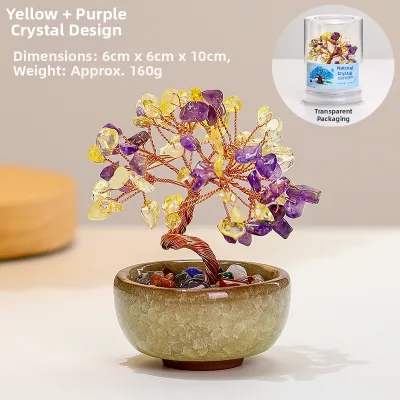
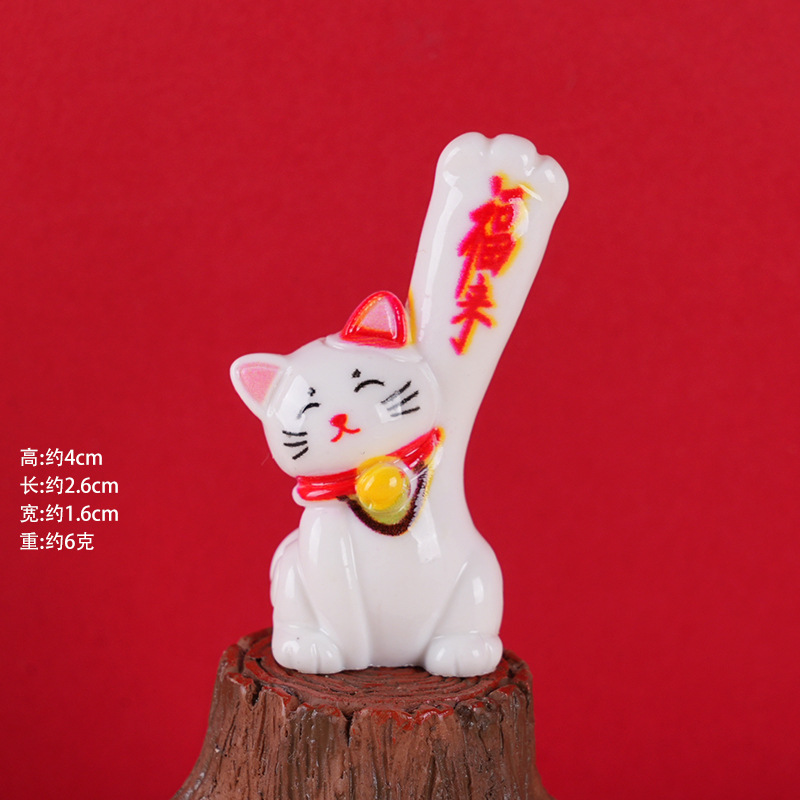
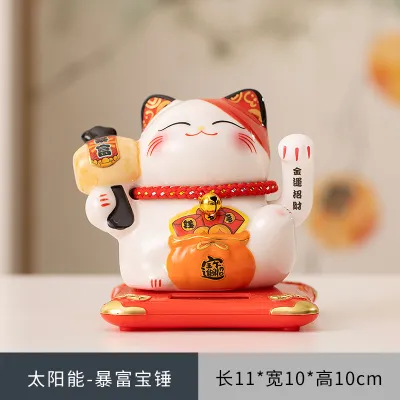
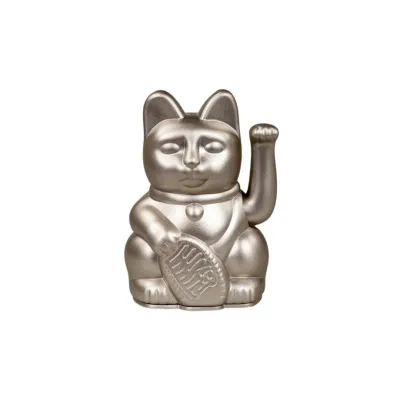
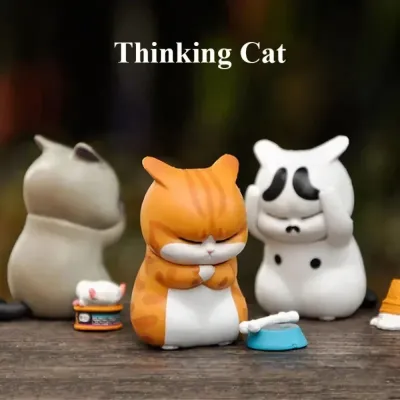
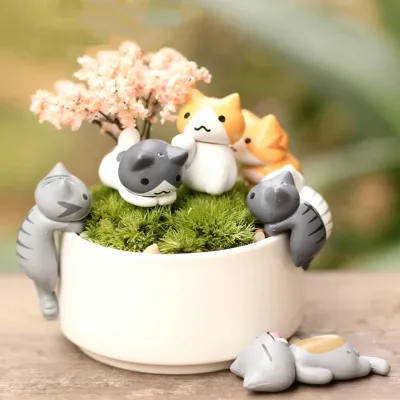
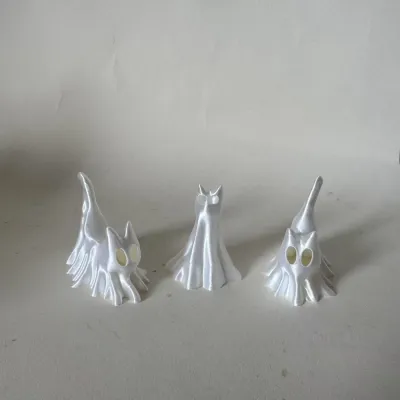
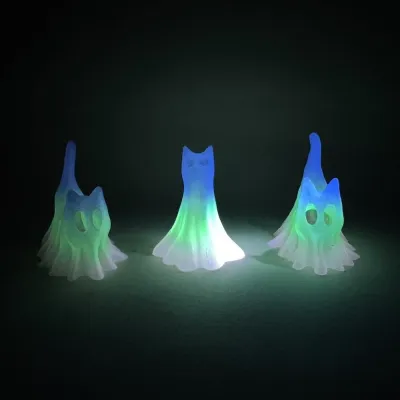
Prices are valid at publication and may change. Please refer to the product page for the latest price.
Ceramic and Porcelain: The Clay-Based Options
The terms “ceramic” and “porcelain” are often used interchangeably, but they represent distinct categories of clay-based decor. Ceramic is a broad family that includes earthenware and stoneware. These items are crafted from natural clays fired in a kiln at relatively low to moderate temperatures, typically between 1,000°C and 1,150°C. Because the clay particles do not fully melt together, unglazed ceramic remains slightly porous and opaque, offering a warm, earthy, and rustic appearance.
Porcelain is a highly refined subset of ceramic. It is formulated from a specific mixture of fine white clay (primarily kaolin), feldspar, and silica. Porcelain figurines are fired at extremely high temperatures, often exceeding 1,200°C to 1,400°C. This intense heat causes the raw materials to vitrify, turning the clay into a dense, non-porous, and glass-like substance. This vitrification process gives porcelain its signature strength, pure white base color, and delicate translucency when held up to a light source.
Resin: The Synthetic Alternative
In contrast to clay-based options, resin figurines are made from synthetic polymers. Most decorative cat figurines utilize polyresin or cold-cast resin, which are compounds of liquid plastic resin mixed with powdered stone additives. This liquid mixture is poured into flexible silicone or rubber molds, allowing manufacturers to replicate intricate shapes and complex poses with high precision.
Because resin is a molded synthetic material, it does not undergo kiln firing. This eliminates the risk of warping or cracking that can occur with clay as it dries and heats. However, being labeled as “resin” does not automatically guarantee that a figurine is indestructible or weather-resistant. Standard resins can be highly sensitive to environmental factors, and buyers must always check the product packaging or manufacturer specifications to verify if a piece has been treated for specific environments.
Appearance and Finish: Achieving the Right Aesthetic
The visual impact of a cat figurine is heavily influenced by how its material interacts with light and how paint or glaze is applied to its surface.

Resin is highly favored for realistic, lifelike cat sculptures. Because the liquid resin flows easily into the finest crevices of a mold, it can capture micro-details that are incredibly difficult to achieve in clay. If you are looking for a figurine that depicts individual strands of fur, the delicate texture of a cat’s paw pads, or highly detailed accessories like collars and bells, resin is often the most effective material. The finish is typically hand-painted with acrylics, allowing for realistic color gradients and lifelike eyes, though the surface remains opaque and matte unless a glossy topcoat is applied.
Porcelain offers a completely different aesthetic, characterized by elegance and refinement. Due to its smooth, fine-grained surface, porcelain is ideal for stylized, minimalist, or classic representations of cats. When coated with a liquid glaze and fired, the glaze fuses permanently with the porcelain body. This creates a brilliant, glass-like finish that reflects light beautifully, giving the figurine a luminous quality. The colors on porcelain are often applied using specialized overglaze or underglaze paints, resulting in vibrant, permanent hues that will not fade over time.
Standard ceramic sits comfortably between the two, offering the greatest variety of artistic finishes. Ceramic cat figurines can feature everything from high-gloss, colorful glazes to rough, unglazed, matte textures. Studio potters often use ceramic to create unique, hand-crafted pieces where the natural texture of the clay is allowed to show through. This gives ceramic figurines a tactile, artisanal charm that feels personal and grounded. When choosing any figurine, it is wise to evaluate high-resolution photos or physical samples to judge the paint precision, glaze evenness, and the presence of any unsightly mold seam lines.
Durability and Placement: Where Will Your Figurine Live?
Where you plan to display your cat figurine should play a major role in your material selection. Fragility, weight, and climate resistance vary significantly among these three options.
Indoor Display and Fragility
If you plan to display your figurine indoors, consider the stability of your shelving and the level of activity in your home. Porcelain and ceramic figurines are heavy and feel substantial in the hand, which helps them stay in place on a stable shelf. However, they are highly brittle. If a clay-based figurine is knocked off a mantelpiece onto a hard floor—such as the marble, parquet, or polished tiles common in Singapore homes—it will almost certainly shatter into sharp, dangerous shards.
Resin figurines are much lighter and offer superior impact resistance. If a resin cat is accidentally tipped over, it is highly unlikely to shatter. Instead, it might bounce or suffer a minor chip. However, resin is not entirely immune to damage. It can still crack, and thin, protruding elements—such as a cat’s raised tail, pointed ears, or delicate whiskers—can snap off if subjected to direct force. To minimize the risk of tipping, always inspect the bottom of the figurine. Ensure the base is perfectly flat and wide enough to support the cat’s pose, especially for dynamic designs like a cat mid-stretch or pouncing.
Environmental Factors and Outdoor Use
The climate of your display location is another critical factor, particularly in tropical regions like Singapore, where high relative humidity and intense sunlight are constant.
Unglazed or poorly glazed ceramic figurines can absorb moisture from the humid air. Over time, this trapped moisture can weaken the structural integrity of the clay, cause the glaze to develop fine hairline cracks (crazing), or promote the growth of mold and mildew in the porous material. Porcelain, being completely vitrified and non-porous, is highly resistant to moisture absorption, making it a safer option for humid indoor environments, though it should still be kept away from direct physical hazards.
If you intend to place a cat figurine on an outdoor balcony, patio, or garden, resin is often considered, but caution is required. Standard synthetic resin will degrade, fade, and become extremely brittle when exposed to direct sunlight and high temperatures. UV radiation breaks down the chemical bonds in untreated plastic polymers, causing vibrant paint to chalk and peel. Before placing any figurine outdoors or in a high-humidity zone like a bathroom, you must strictly verify the manufacturer’s indoor/outdoor rating and weather-resistance claims on the product packaging.
Budget and Pricing Factors: What Drives the Cost?
Understanding what drives the retail price of cat figurines can help you find a piece that offers genuine value for your budget. Price variations are rarely based on the raw material costs alone; instead, they reflect the complexity of the manufacturing process, the level of hand-craftsmanship, and the reputation of the manufacturer or artist.
Porcelain figurines generally sit at the premium end of the pricing spectrum. The high cost of refined kaolin clay, the significant energy required to run high-temperature kilns, and the high rejection rate during firing all contribute to this premium. Because porcelain shrinks and warps easily in the kiln, many pieces are discarded before they ever reach the painting stage. Consequently, a high-quality porcelain cat figurine is often treated as a collectible or heirloom, with prices reflecting this status, often starting from S$50 to several hundred Singapore dollars.
Resin figurines occupy a very broad price range, making them highly accessible. Mass-produced resin pieces cast in large quantities are highly affordable and widely available on online marketplaces, often priced under S$20. However, the resin category also includes high-end, limited-edition collectibles. These premium resin pieces are often hand-painted by skilled artisans, featuring complex, multi-layered paint applications that mimic realistic textures, which justifies a higher price point ranging from S$100 to over S$300.
Ceramic pricing is highly variable. Mass-market ceramic figurines are generally budget-friendly (typically between S$15 and S$40), while studio-grade, hand-crafted ceramic pieces can be expensive. When evaluating price, it is best to avoid assuming that one material is universally superior to another. Instead, compare the retail price against the visible finish quality, the structural stability of the base, and how well the material aligns with your intended display environment.
Inspection and Care: Maintaining Your Decor Piece
To ensure your cat figurine remains a beautiful part of your home decor for years to come, proper initial inspection and ongoing maintenance are essential.
Unboxing and Inspection Checks
When you first receive your figurine, perform a thorough physical inspection. Run your fingers gently along the edges, ears, and tail to check for any hairline cracks or chips that may have occurred during shipping. Place the figurine on a completely flat, level surface and press gently on its sides to verify that the base does not wobble. An uneven base is a major hazard, as it makes the figurine highly susceptible to falling. Finally, examine the piece under bright, direct light to ensure the paintwork is consistent and there are no bubbles or thin spots in the glaze.
Safe Cleaning Practices
Regular maintenance will keep your figurine looking pristine without risking damage to its surface.
- Routine Dusting: For daily or weekly cleaning, use a dry, clean microfiber cloth to gently wipe away dust. For intricate resin figurines with deep textures or hard-to-reach crevices, a soft-bristled makeup brush or a clean paintbrush is highly effective at lifting dust without scratching the surface.
- Deep Cleaning: If a glazed ceramic or porcelain figurine requires a deeper clean, wipe it with a soft cloth slightly dampened with lukewarm water and a single drop of mild, pH-neutral dish soap. Dry the piece thoroughly with a clean towel immediately afterward.
- Precautions: Never submerge unglazed ceramic or resin figurines in water, as porous materials can absorb moisture and synthetic binders can weaken. Avoid using harsh chemical cleaners, bleach, window sprays, or abrasive scrubbing pads. These products can strip protective glazes, dissolve resin surfaces, or fade delicate hand-painted details. Always defer to the manufacturer's specific care instructions, particularly for antique or mixed-media pieces.
Frequently Asked Questions (FAQ)
Is resin safer than ceramic for homes with active pets or children?
Resin is generally a safer option because it does not shatter into sharp, glass-like shards if knocked over, reducing the risk of cuts or injuries. However, a falling resin figurine can still cause bruising or damage other items, and small chipped parts can present a choking hazard. To secure your figurines in a lively household, consider applying a small amount of removable museum wax to the base to anchor it to the shelf, or display your valued collection inside a closed glass cabinet.
How can I tell if a figurine is porcelain or standard ceramic?
You can distinguish between the two using two simple, non-destructive tests. The first is the light test: hold the figurine up to a strong light source, such as a flashlight; porcelain is often thin and refined enough to allow light to pass through its body, whereas standard ceramic is completely opaque. The second is the sound test: gently tap the edge of the figurine with your fingernail or a wooden spoon; porcelain will produce a clear, high-pitched, bell-like ring, while standard ceramic will produce a duller, lower-pitched thud. For absolute certainty, always refer to the manufacturer’s product description.
Community discussion
Share your experience or ask a question. Comments are reviewed before publication.