
Choosing the right material for an incense stick holder is essential for creating a safe, clean, and relaxing aromatherapy experience in your home. While aesthetics play a major role in your decision, the ideal material must also balance practical factors like heat resistance, durability, and ease of cleaning. Ceramic, wood, metal, and stone each offer distinct advantages and drawbacks depending on your daily routine and household environment.
By understanding how these materials perform under heat and daily handling, you can select a holder that protects your furniture while complementing your decor. Whether you prioritize the effortless maintenance of glazed ceramic, the rugged durability of metal, the organic warmth of wood, or the heavy stability of stone, each option serves a specific lifestyle.
Understanding What Matters Most in an Incense Holder
Safety is the most critical factor when burning incense. A high-quality holder must be completely non-combustible or designed to keep the burning tip of the incense stick far away from any flammable surfaces. It must also feature a wide enough tray to catch falling ash, preventing hot embers from scorching your tabletops or shelves.
Products mentioned in this guide
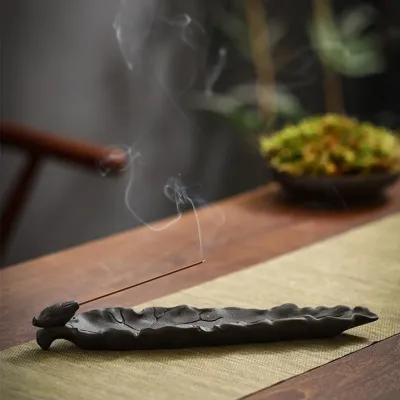
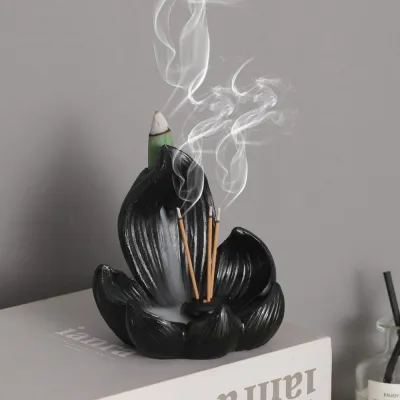
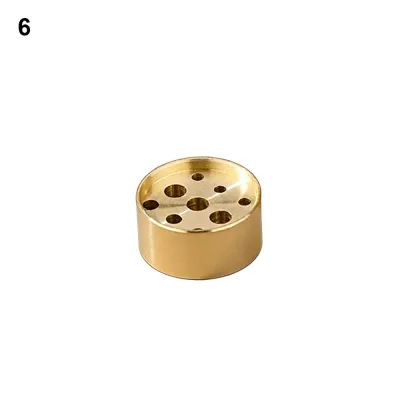
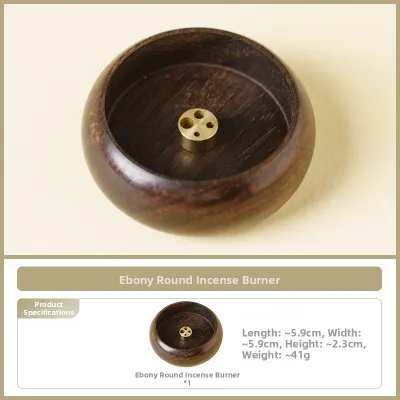
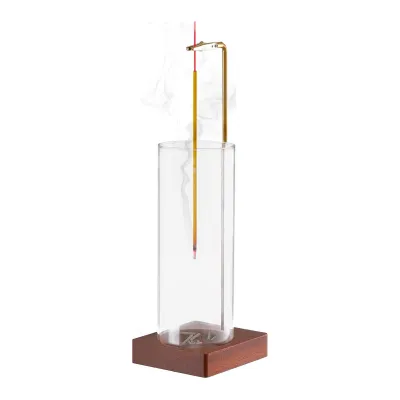
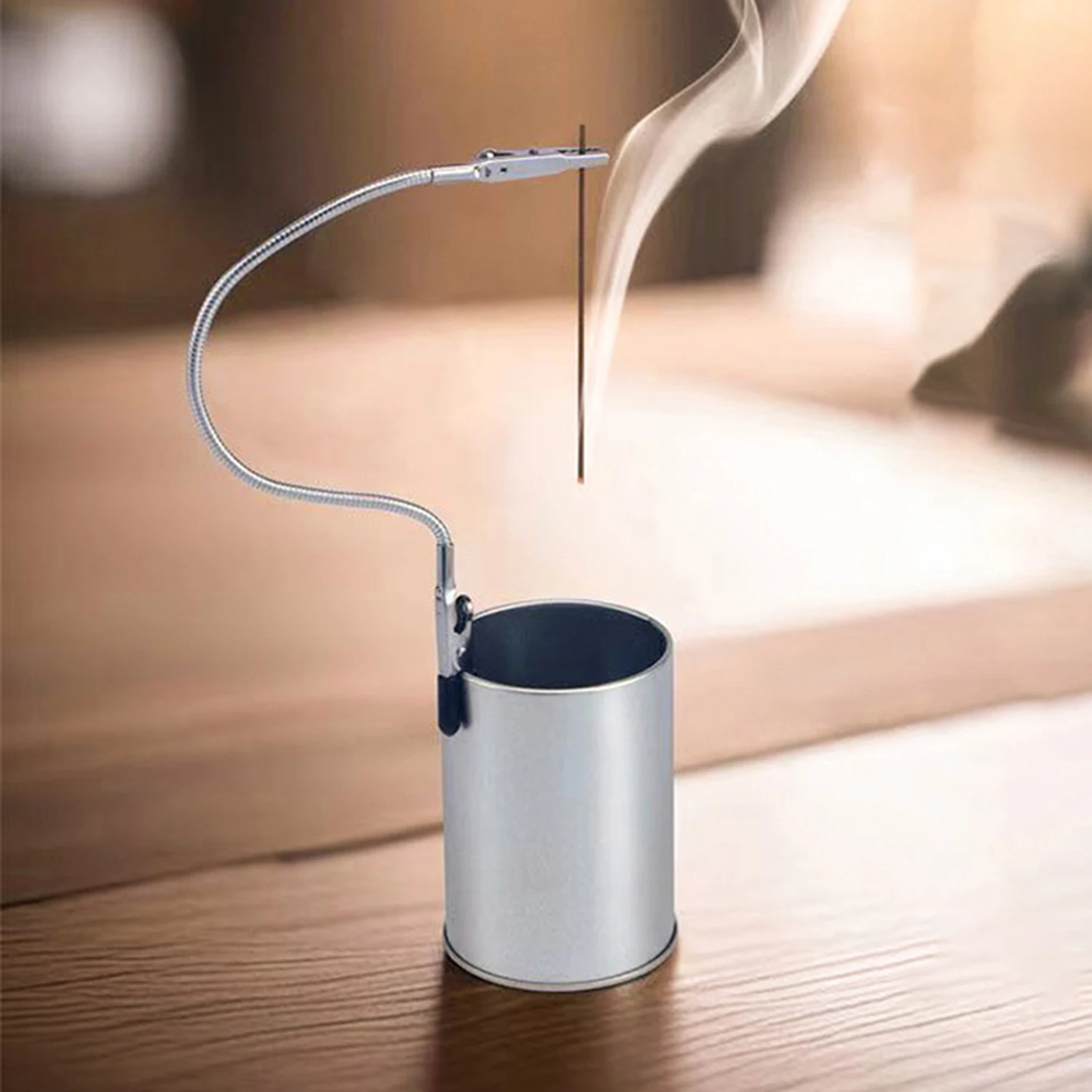
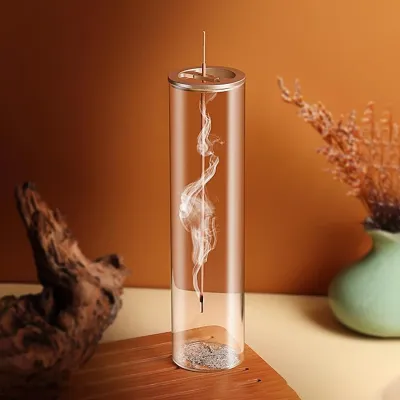
Prices are valid at publication and may change. Please refer to the product page for the latest price.
Durability is another key consideration, especially in active households. Think about where you plan to place your holder and whether it is likely to be bumped, knocked over, or dropped during cleaning. Fragile materials require careful placement, while shatterproof options offer peace of mind in busy spaces.
Cleaning ease varies dramatically depending on the surface texture and porosity of the material. Incense smoke releases natural oils and sticky resins that settle on the holder over time. A material that allows you to easily wipe away these residues will remain beautiful and hygienic with minimal effort.
Finally, the holder should integrate seamlessly with your interior design. The material you choose contributes to the overall atmosphere of your space, whether you want to achieve a modern minimalist look, a rustic sanctuary, or an industrial aesthetic.
Ceramic Holders: Design Variety and Easy Maintenance
Ceramic incense holders are highly favored for their incredible design versatility and straightforward maintenance. Because ceramic can be molded into almost any shape and finished with various glazes, you can find options ranging from simple minimalist trays to intricate, artistic sculptures.

The primary practical benefit of ceramic is its glazed surface, which is completely non-porous. This protective barrier prevents sticky incense resins and fine ash from staining the holder, allowing you to clean it easily with a quick wipe or a gentle wash.
However, ceramic is inherently fragile and prone to chipping or shattering if dropped. To prevent accidents, place ceramic holders on stable, flat surfaces well away from table edges, active pets, or curious children.
Additionally, ceramic retains heat during use. It is important to choose a ceramic holder with a flat, slightly elevated base or to place a heat-resistant pad underneath to protect delicate wooden furniture from heat transfer.
Wooden Holders: Natural Warmth and Fire Safety Boundaries
Wooden holders bring a rustic, organic warmth to a room, making them a popular choice for minimalist, bohemian, or nature-inspired decor. They are lightweight, comfortable to handle, and will not shatter if they accidentally slip from your hands.
Despite their visual appeal, wooden holders require strict fire safety boundaries because wood is a combustible material. You must ensure that the burning incense stick is securely positioned so that the glowing tip remains suspended directly over the designated groove or tray.
It is also essential to inspect your wooden holder regularly for any signs of scorching or discoloration. If you notice deep burn marks near the stick insertion point, the wood may have degraded, and the holder should be replaced immediately to avoid a fire hazard.
Cleaning wood can also be challenging because unsealed or porous wood easily absorbs the natural oils and resins released by incense. Over time, these oils can leave dark, permanent stains and trap fine ash, which can be difficult to clean without warping the wood with excess moisture.
Metal Holders: Shatterproof Durability and Heat Precautions
For households seeking maximum longevity, metal incense holders offer an virtually indestructible option. Typically crafted from brass, copper, iron, or stainless steel, these holders are completely shatterproof and highly resistant to wear and tear.
The main drawback of metal is its high thermal conductivity. Metal transfers heat rapidly, meaning the tray or holder can become extremely hot to the touch while the incense is burning and for several minutes afterward.
To prevent accidental burns, always allow the metal holder to cool completely before attempting to move it, empty the ash, or clean the surface.
Depending on the specific metal and finish, your holder may also develop a natural patina or tarnish over time due to exposure to air and oils. While many enjoy this antique look, keeping the metal bright and shiny requires occasional polishing with a specialized metal cleaner.
Stone Holders: Maximum Stability and Natural Heat Resistance
Stone incense holders, often carved from marble, soapstone, or slate, provide exceptional stability and natural heat resistance. Their high thermal mass allows them to absorb heat efficiently, preventing warmth from transferring to the delicate surfaces underneath.
The substantial weight of stone makes these holders highly resistant to tipping over. This makes them an excellent choice for drafty rooms near open windows, or for homes where pets might accidentally nudge the furniture.
However, different types of stone have varying levels of porosity. While polished marble resists staining relatively well, more porous stones like soapstone or unsealed slate can easily absorb incense oils, leading to dark spots that are difficult to remove.
To keep a stone holder looking its best, look for options with a sealed finish, or accept the natural weathering and color changes as part of the material’s unique character.
Matching the Right Material to Your Space and Routine
Selecting the perfect incense holder comes down to matching the material’s properties to your daily routine and household environment. If you have a busy home with pets or children, prioritizing safety and durability by choosing heavy stone or shatterproof metal is often the wisest path.
For those who burn incense frequently and want a quick, hassle-free cleanup, glazed ceramic is the most practical option. Its slick, non-porous surface ensures you can wash away sticky residue in seconds, keeping your aromatherapy setup pristine.
If your priority is creating a calm, natural sanctuary, wood and stone offer unmatched aesthetic appeal. Just ensure you maintain proper safety clearances, keeping combustible wooden holders on flat, stable surfaces far away from drafts and flammable household fabrics.
Frequently Asked Questions (FAQ)
Can I use a wooden incense holder safely on a fabric surface?
No, you should never place a wooden incense holder directly on a fabric surface like a tablecloth, bed runner, or carpet. Because wood is combustible and lightweight, any accidental tip-over or stray ember could easily ignite the fabric. Always place a non-combustible barrier, such as a ceramic tile or a heat-resistant metal tray, underneath the holder to ensure complete safety.
How do I remove stubborn resin stains from a ceramic holder?
To remove sticky resin buildup from a glazed ceramic holder, gently wipe the surface with a damp cloth and a small amount of mild dish soap. Avoid using abrasive scrubbing pads, steel wool, or harsh chemical cleaners, as these can scratch or strip away the protective glaze, making the ceramic more susceptible to future staining.

Community discussion
Share your experience or ask a question. Comments are reviewed before publication.