
Finding the right chair pillow in Singapore is a highly personal decision, especially for office professionals, remote workers, and gamers who spend long hours seated in front of screens. With the local market offering a vast array of options—ranging from budget-friendly cushions found in neighborhood home stores to high-end ergonomic supports in specialty showrooms—understanding what sets these products apart is essential. The true value of a chair pillow lies not in its brand name or aesthetic appeal, but in how its material quality and construction align with your specific physical needs and seating environment.
There is no single “best” chair pillow that works universally for everyone. A cushion that provides excellent relief for one person might feel overly stiff or uncomfortably warm to another. Your ideal choice depends entirely on your individual comfort preferences, the design of your existing chair, and how many hours you spend sitting each day. By focusing on objective material properties and structural details, you can make an informed decision that enhances your daily comfort and stands up to long-term use.
Key Material Choices and Their Impact on Comfort
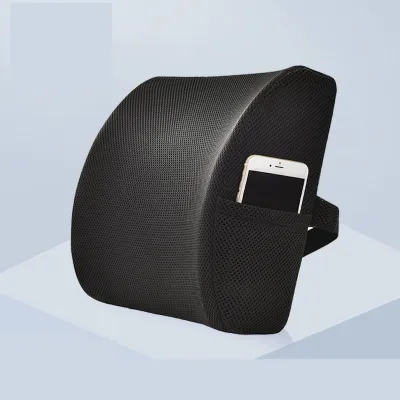
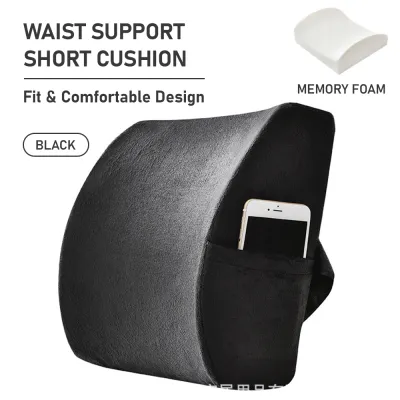
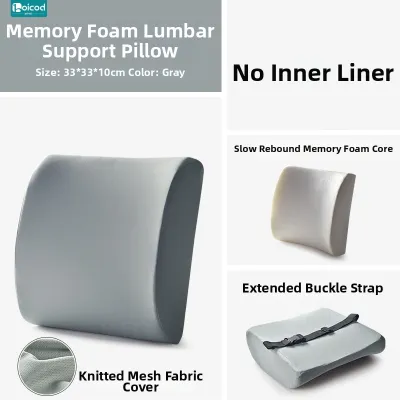
The core filling of a chair pillow determines how it responds to your body weight and how well it maintains its shape over time. Memory foam is one of the most popular materials in the Singapore market, known for its ability to contour closely to the shape of your lower back or seat. This material reacts to body heat and pressure, distributing weight evenly and reducing localized pressure points. However, standard memory foam is naturally dense and can retain heat, which is a significant consideration in Singapore’s warm and humid climate.
Products mentioned in this guide
![[Sweet Home] 2pcs Seat Cushion Soft Chair Pad for Home Office Sofa Bar Floor Pillow](https://img.lazcdn.com/g/p/5806d6ec418101a3108f1aef3495d6d2.jpg_400x400q80.jpg_.webp)
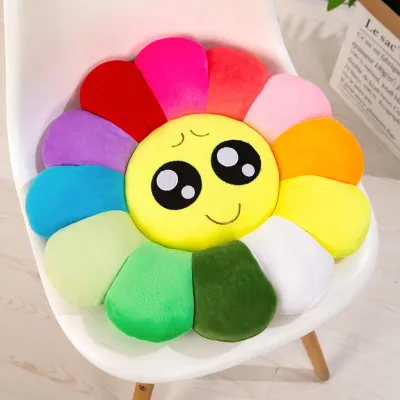
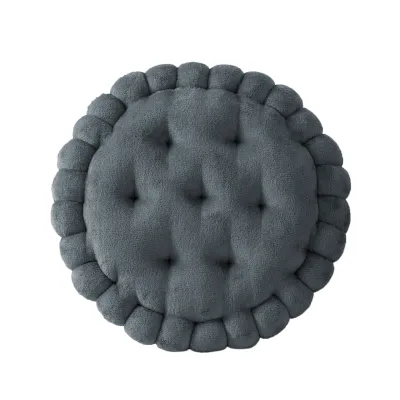
Prices are valid at publication and may change. Please refer to the product page for the latest price.
To counter heat retention, many manufacturers incorporate cooling technologies into their memory foam pillows. When browsing options, look for product labels that specify cooling gel infusions, open-cell structures, or ventilated channels designed to promote airflow. These features help dissipate body heat, making the cushion more comfortable during extended use in non-air-conditioned rooms.
Polyurethane foam, often referred to as traditional comfort foam, is another common option. It generally offers a faster rebound than memory foam, meaning it springs back to its original shape immediately when you stand up. While polyurethane foam is often more affordable, its density can vary widely. Lower-density polyurethane foams tend to flatten quickly under continuous pressure, so it is wise to verify the manufacturer’s density specifications rather than relying on vague marketing terms like “high-density support.”
Polyester fiberfill and down alternatives represent a softer, more traditional cushion feel. These materials consist of loose fibers packed inside a casing, providing a plush, cloud-like sensation when you first sit down. Fiberfill pillows are highly breathable because air can circulate easily between the loose fibers, making them a cool option for humid environments. However, they lack the structured, contouring support of memory foam and typically require regular fluffing to prevent the filling from shifting and clumping over time.
Construction and Build Quality Indicators
Beyond the internal filling, the physical construction of a chair pillow determines how well it survives daily wear and tear. High-quality stitching is the first line of defense against structural failure. When inspecting a pillow, examine the seams closely to ensure the stitching density is high and even, with no loose threads or uneven tension. Double-stitched seams or reinforced piping along the edges are excellent indicators of a durable build that can withstand the constant compression and shifting of daily seating.

The design of the cover and its closure system also plays a critical role in long-term usability. A removable cover is essential for maintaining hygiene, but the zipper must be robust enough to handle repeated removal and washing. Look for recessed or hidden zippers with durable metal or high-grade plastic teeth that will not snag on your clothing or scratch your chair’s upholstery. Inside the cover, premium pillows often feature an inner protective liner or internal baffles that keep the filling securely in place, preventing it from migrating to the edges of the cushion.
A chair pillow is only effective if it stays in the correct position on your seat. Without proper anchoring, cushions tend to slide down or shift sideways every time you move, forcing you to constantly readjust them. To prevent this, look for pillows equipped with robust, adjustable straps featuring high-quality buckles that can wrap securely around various chair backrests. For seat cushions, a non-slip rubberized or silicone-dotted base is crucial for keeping the pillow firmly anchored to smooth wooden, plastic, or leather chair surfaces.
Evaluating Value Across Different Price Tiers
Navigating the pricing of chair pillows in Singapore requires looking past marketing claims to evaluate the actual materials used. Entry-level pillows, typically priced under S$20, are widely available at local home decor shops and online marketplaces. These products usually feature polyester fiberfill or low-density polyurethane foam with basic polyester covers. While they offer immediate softness and are highly accessible, they often lose their shape within a few months of heavy use and rarely feature adjustable straps or removable covers.
Mid-range options, generally falling between S$20 and S$60, represent the most diverse segment of the market. In this tier, you will find molded memory foam cushions, often with contoured ergonomic shapes designed to support the lumbar spine or coccyx. These pillows frequently include removable, machine-washable covers made of breathable mesh or soft velour, along with adjustable straps. To verify the quality in this price range, check the physical weight of the product; a heavier memory foam cushion typically indicates a higher density, which translates to better durability and support.
Premium chair pillows, which can cost S$60 or more, are usually sold by specialized ergonomic brands and high-end bedding retailers. These products often feature proprietary memory foam formulations, advanced cooling gel layers, and highly durable, hypoallergenic covers. At this level, you are paying for extensive ergonomic design testing, superior material longevity, and robust warranties. However, it is important to assess whether the premium price is driven by genuine material advancements or simply brand positioning and luxury packaging. If a premium pillow lacks clear density specifications or detailed care instructions, its high cost may not be fully justified.
How to Choose the Right Chair Pillow for Your Setup
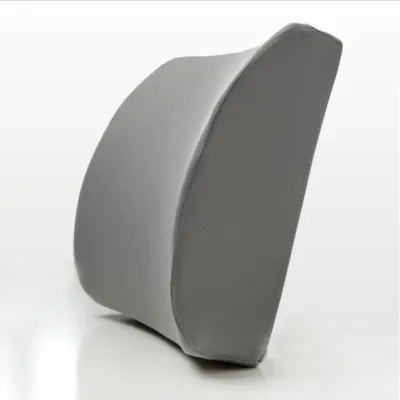
Selecting the right chair pillow requires a clear understanding of your daily routine and your existing furniture. If your work involves sitting at a desk for six to eight hours a day and you experience lower back fatigue, a molded memory foam lumbar support pillow is often the most suitable choice. The firm, contouring nature of memory foam helps maintain the natural curve of your spine, though you should ensure your workspace is well-ventilated or air-conditioned to mitigate any heat retention.
For those who prefer a softer, more cushioned feel or only use their home office chair occasionally, a polyester fiberfill or down-alternative cushion is an excellent alternative. These pillows provide immediate, plush comfort and superior breathability, making them highly comfortable for short study sessions or casual reading. They are also easier to pack and move if you frequently transition between different seating areas in your home.
Before making a purchase, always measure your chair’s dimensions and compare them to the pillow’s specifications. A lumbar support cushion that is too thick can push your entire body too far forward, leaving your thighs unsupported and reducing the effectiveness of your chair’s built-in armrests. Conversely, a seat cushion that is too wide may not fit between the armrests of a compact office chair, causing the sides to bunch up and distort the intended ergonomic shape.
Care and Maintenance to Preserve Shape and Hygiene
Proper maintenance is essential to extend the lifespan of your chair pillow and keep it free from dust, sweat, and allergens. Always begin by reading the care label attached to the product, as cleaning methods vary significantly depending on the materials used. Attempting to wash a memory foam core in a washing machine can permanently damage its cellular structure, causing it to tear, lose its supportive properties, or trap water inside, which leads to mold growth.
For pillows with removable covers, unzip the cover and wash it according to the manufacturer’s instructions, typically on a gentle cycle with mild detergent. If the inner foam core requires cleaning, limit your efforts to spot cleaning with a damp cloth and a very small amount of mild soap, taking care not to saturate the material. If the pillow does not have a removable cover, regular vacuuming with an upholstery attachment can help remove surface dust and debris.
Drying your chair pillow thoroughly is critical, especially in Singapore’s humid environment. Never place memory foam in a clothes dryer or expose it to direct sunlight, as high heat can degrade the foam and cause it to crumble. Instead, allow the foam core to air dry completely in a well-ventilated, shaded indoor area. If you are ever unsure about the correct cleaning procedure for a specific material, contact the manufacturer directly to avoid accidentally voiding your warranty or ruining the cushion.
Frequently Asked Questions (FAQ)
Do ergonomic chair pillows actually improve posture?
Ergonomic chair pillows are designed to provide physical alignment cues and targeted pressure relief, helping you maintain a more comfortable and upright sitting position. They do not actively correct underlying medical conditions or structural spinal issues. Instead, they act as a supportive aid to reduce muscle strain during long periods of sitting. If you experience persistent or severe back, tailbone, or pelvic pain, it is important to consult a qualified healthcare professional for a proper diagnosis and treatment plan.
How can I tell when it is time to replace my chair pillow?
The most reliable sign that your chair pillow needs replacing is a permanent loss of support. If you press down on a memory foam cushion and it fails to rebound, or if a fiberfill pillow remains flat and lumpy even after thorough fluffing, the material has degraded. Physical signs of wear, such as torn seams, broken zippers, or a cover that has worn thin, also indicate that the pillow can no longer function as intended and should be replaced to maintain proper seating comfort.

Community discussion
Share your experience or ask a question. Comments are reviewed before publication.