
Hanging a chandelier in a standard Housing & Development Board (HDB) flat requires a careful balance between aesthetic ambition and physical reality. With a standard ceiling height of 2.6 meters, choosing a fixture that is too tall or hangs too low can make a room feel cramped and create safety hazards for taller occupants. Fortunately, you do not have to abandon the elegance of a chandelier; instead, the key lies in selecting specific profiles, calculating precise drop lengths, and positioning the fixture strategically to maintain open sightlines. By focusing on low-profile designs and horizontal expansion, you can introduce a striking focal point that complements the compact proportions of modern Singapore homes.
Understanding Clearance and Proportions for 2.6m Ceilings
To ensure safety and comfort, establishing a baseline clearance is the first step in your lighting plan. In standard residential spaces, maintaining a minimum clearance of 2.1 meters from the floor to the bottom of the light fixture is highly recommended. This ensures that family members and guests can walk underneath without any risk of head collision. With a 2.6-meter ceiling, this leaves a maximum allowable drop length of 50 centimeters for the entire fixture, including the canopy, hanging chain, and the body of the chandelier itself.
This calculation becomes more restrictive if your flat features modifications. For instance, if you have installed a false ceiling to conceal wiring or air conditioning ducts, your actual ceiling height might drop to 2.4 meters or lower, reducing your maximum fixture drop to 30 centimeters or less. Similarly, if you plan to install a ceiling fan in the same room, you must maintain a safe lateral distance between the fan blades and the chandelier to prevent strobing light patterns or physical contact.
Products mentioned in this guide
![[SG Stock] Nordic Glass & Iron Chandelier Ceiling Light Modern Pendant Light Dining Light LED Dimmable 10-14 Inch](https://img.lazcdn.com/g/p/d8df39f7c886cb188cf8caccec219082.jpg_400x400q80.jpg_.webp)
Prices are valid at publication and may change. Please refer to the product page for the latest price.
Visual proportion is equally critical to prevent a heavy fixture from visually overwhelming a compact room. A helpful guideline for determining the appropriate fixture diameter is to add the length and width of the room in meters, then multiply by ten to get a starting diameter in centimeters. For example, a living room measuring 3 meters by 4 meters would comfortably accommodate a chandelier with a diameter of approximately 70 centimeters. Keeping the fixture’s physical volume light and airy ensures the room feels spacious rather than cluttered.
Chandelier Profiles That Suit Low Ceilings
When shopping for a chandelier ceiling fixture, the silhouette of the light plays a decisive role in how it interacts with a 2.6-meter ceiling. Semi-flush mount chandeliers are an excellent starting point because they bridge the gap between flat utility lights and dramatic hanging fixtures. These designs feature a small stem that suspends the decorative body just slightly below the ceiling canopy, offering the layered elegance of a traditional chandelier while keeping the overall drop well within the 30-to-40-centimeter range.

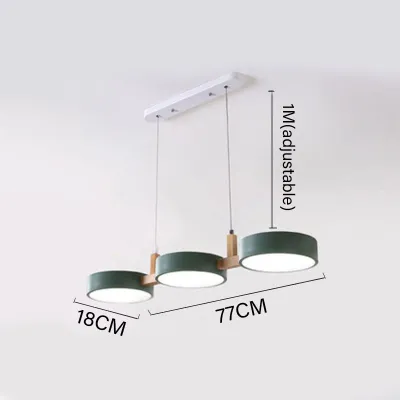
For dining areas and kitchen islands, linear and rectangular chandeliers offer a highly functional alternative. Instead of dropping vertically into the room’s walking paths, these fixtures extend horizontally along the length of a table or counter. This horizontal orientation provides generous illumination across a wide surface area while keeping the vertical profile slim, allowing you to enjoy a multi-bulb statement piece without sacrificing headroom.
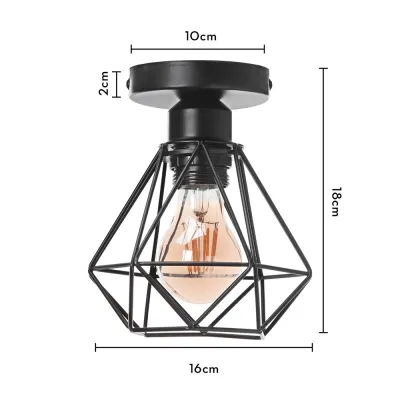
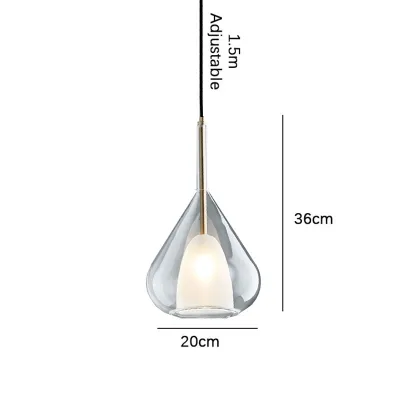
Another effective design strategy is opting for cage and geometric chandeliers that utilize open frameworks. Fixtures made of thin metal frames, exposed bulbs, or clear glass panels do not block sightlines, allowing the eye to travel through the fixture to the walls and ceiling beyond. This transparency reduces the visual weight of the light, making the entire room feel larger and more open than it would with a solid, opaque fixture.
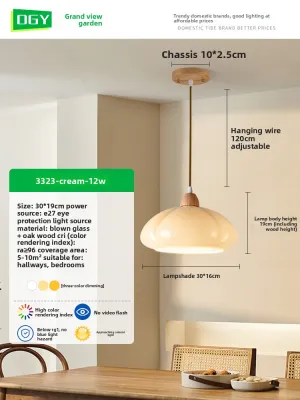
Finally, drum and bowl-shaped chandeliers provide a wide, shallow profile that distributes light evenly across the ceiling and floor. By utilizing a broad diameter rather than a deep vertical drop, these fixtures deliver ample ambient light while hugging the ceiling closely. Many drum designs feature fabric or textured glass shades that soften the light, creating a warm, inviting atmosphere without encroaching on the physical space of your HDB flat.
Key Specifications to Check Before Buying
Before purchasing any chandelier ceiling fixture, verifying the physical and electrical specifications is essential to ensure a safe and successful installation. Always check the manufacturer’s specification sheet for the minimum adjustable hanging length. Many chandeliers come with adjustable chains, rods, or cords, but some have a minimum drop that cannot be shortened past a certain point; ensure this minimum limit fits within your calculated clearance.
Electrical compatibility is another critical factor for Singapore homes. Ensure the fixture is rated for the standard domestic voltage of 230V and carries recognized safety certifications. Check the bulb socket types—common options include E27 or E14 bases—and verify the maximum wattage limit per socket to prevent overheating and potential damage to the wiring. If you plan to use dimmable LED bulbs to adjust the mood, confirm that both the fixture and your wall switch are compatible with LED dimming technology.
The structural integrity of your ceiling determines how a fixture must be mounted. Standard HDB concrete ceilings are highly robust and can support heavier fixtures when secured with appropriate masonry expansion anchors. However, if you are mounting to a gypsum false ceiling, the plasterboard alone cannot support a heavy load; the fixture must be anchored directly to the metal framing channels or through to the concrete slab above using threaded rods. For any installation involving fixed wiring, work at height, or heavy suspended loads, always isolate the mains power at the distribution board and engage a qualified licensed electrician to carry out the work safely.
Placement Strategies for HDB Living and Dining Areas
Strategic placement allows you to use more dramatic lighting designs by placing them where people do not walk. In the dining area, centering a chandelier directly over the dining table is a highly effective strategy. Because the table acts as a physical barrier, family members will not walk directly beneath the light, allowing you to lower the fixture slightly below the standard 2.1-meter clearance—typically to about 75 to 90 centimeters above the tabletop—to create an intimate dining atmosphere.
In the living room, avoid hanging low-drop chandeliers directly over primary walkways or high-traffic zones. If you wish to place a chandelier in the center of the living area, opt for a semi-flush design that maintains maximum headroom. Alternatively, you can position the fixture directly over a coffee table, using the furniture to anchor the light visually and physically, while supplementing the corners of the room with wall sconces or floor lamps to ensure balanced illumination.
For bedrooms and corridors, prioritize close-to-ceiling designs and strictly limit the drop length. In a bedroom, ensure the chandelier is positioned away from wardrobe doors to allow them to swing open fully without obstruction. In narrow corridors, a low-hanging fixture can create a claustrophobic tunnel effect; choosing a compact semi-flush mount ensures that daily movement remains completely unobstructed and safe.
Frequently Asked Questions (FAQ)
Can I install a chandelier if my HDB has a false ceiling?
Yes, but you must not mount a heavy chandelier directly onto the gypsum board of a false ceiling, as it lacks the structural strength to support suspended loads. Instead, the installer must use specialized heavy-duty toggle bolts attached to the internal metal support frames, or run an extension rod through the false ceiling to anchor it directly into the original concrete slab. For lightweight semi-flush fixtures, standard plasterboard anchors may suffice, but you should always verify the weight limits specified by both the fixture manufacturer and your contractor.
How do I clean a chandelier in a low-ceiling HDB?
Cleaning a chandelier in a room with a 2.6-meter ceiling is relatively straightforward due to the lower height, but safety must always come first. Before starting, isolate the electrical power to the fixture at the wall switch or main breaker and allow the bulbs to cool completely. Use a sturdy, slip-resistant step stool rather than a tall ladder to reach the fixture comfortably. For regular maintenance, gently sweep the fixture with an electrostatic duster to prevent buildup; for deeper cleaning, wipe individual glass or metal elements with a microfiber cloth slightly dampened with water, avoiding harsh chemical sprays that could damage the protective finishes.

Community discussion
Share your experience or ask a question. Comments are reviewed before publication.