
Selecting a Chinese art painting for your home is more than a decorative choice; it is an intentional pairing of historical philosophy and modern spatial design. Whether you are drawn to the quiet contemplation of monochrome ink landscapes or the vivid, structured detail of meticulous brushwork, the right piece anchors a room’s visual narrative. By understanding the core artistic styles and how their visual weights interact with contemporary furniture, lighting, and architectural lines, you can seamlessly integrate these heritage art forms into any modern living space.
Understanding the Core Chinese Art Painting Styles
Ink wash painting, or shuimohua, relies on varying gradations of black ink and water on raw paper. The beauty of this style lies in its mastery of negative space, where unpainted areas represent mist, water, or infinite distance. Landscape motifs dominate this category, offering a serene, meditative quality that invites quiet contemplation. The absence of vibrant color allows the viewer to focus entirely on the tonal depth and the fluid movement of the brush.
In stark contrast to the spontaneous strokes of ink wash, meticulous brushwork, known as gongbi, is characterized by highly detailed, precise lines and rich, layered pigments. Artists use fine-tipped brushes to outline subjects—often birds, flowers, or courtly figures—before building up color with mineral-based paints on sized paper or silk. This style delivers a highly structured, decorative aesthetic with vibrant, jewel-like tones that capture the physical reality of the subject with exquisite clarity.
Products mentioned in this guide
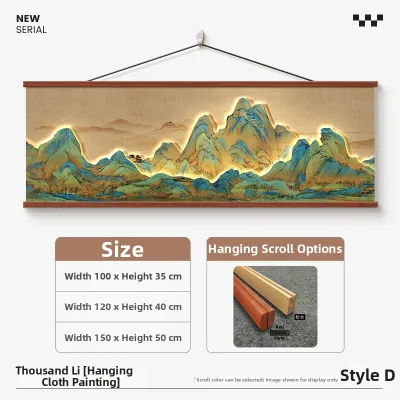
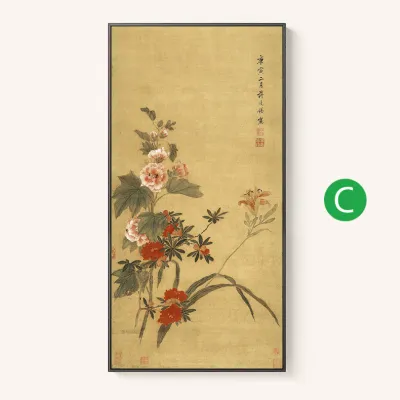
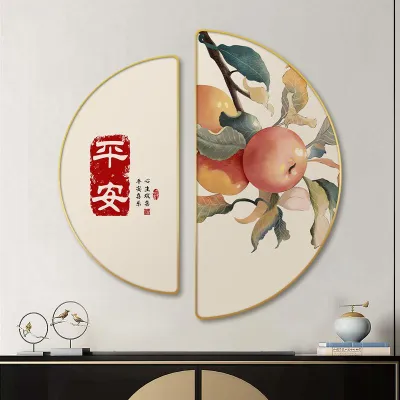
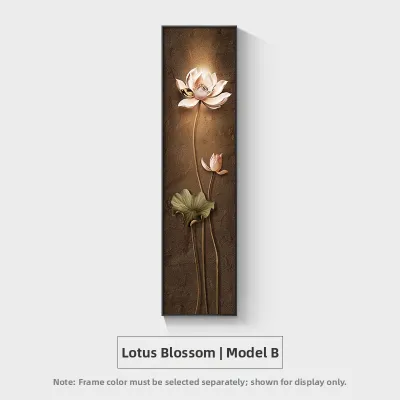
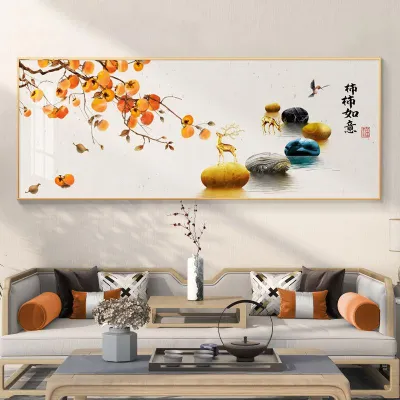
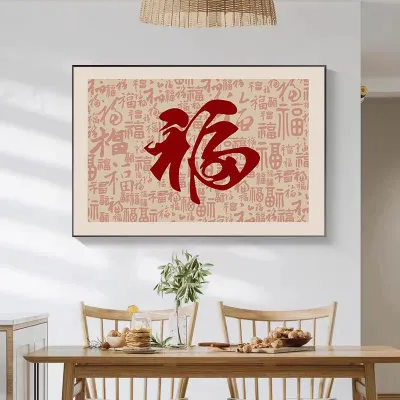
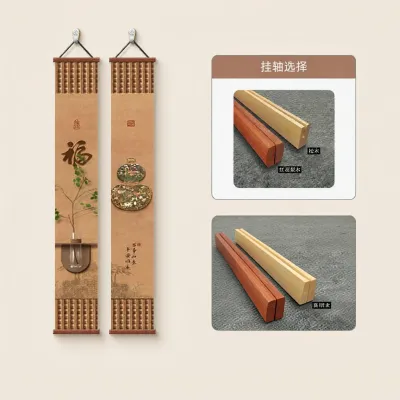
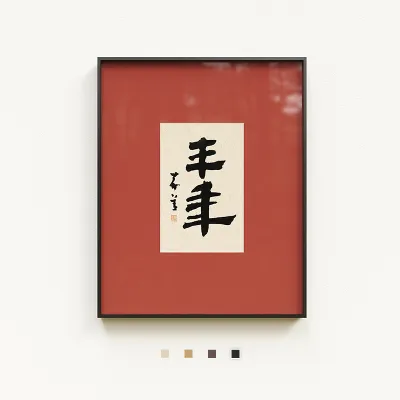
Prices are valid at publication and may change. Please refer to the product page for the latest price.
Freehand brushwork, or xieyi, prioritizes the expression of the artist’s inner spirit over literal representation. Using broad, rapid, and often wet brushstrokes, the artist captures the essential character of a subject with minimal detail. This style is highly dynamic and abstract, making it an excellent bridge between traditional Eastern philosophy and modern Western expressionism. The bold strokes and spontaneous splatters of ink create a powerful sense of movement on the wall.
Calligraphy is revered as a sister art to painting, sharing the same tools of brush, ink, paper, and inkstone. The visual rhythm of Chinese characters—ranging from the structured regular script to the fluid, expressive cursive script—functions as a powerful form of abstract graphic design. As wall decor, calligraphy brings a literary elegance and a strong linear focus to a room, emphasizing the beauty of form, balance, and kinetic energy.
Matching Chinese Art Styles to Your Interior Design
The clean lines and neutral palettes of modern minimalist homes pair exceptionally well with ink wash painting and abstract freehand art. The generous use of negative space in these paintings mirrors the uncluttered philosophy of minimalist interior design. A large, single-panel ink landscape or a bold piece of cursive calligraphy can serve as a striking focal point without overwhelming the room. Stick to simple, thin frames in black, white, or natural light wood to maintain a sleek, contemporary look.

For homes featuring rich wood furniture, such as classic teak, rosewood, or mahogany, meticulous brushwork provides a harmonious complement. The detailed patterns and warm, mineral-toned pigments of these paintings echo the intricate carvings and deep hues of traditional cabinetry. To enhance this classic aesthetic, pair the artwork with warm ambient lighting that highlights the gold, ochre, and deep red tones often found in these detailed compositions.
Transitional spaces, which blend traditional elements with modern sensibilities, offer the perfect canvas for creative contrast. Hanging a piece of bold calligraphy or a contemporary interpretation of a classic landscape in an otherwise Western-style room creates an engaging visual dialogue. The key is to balance the visual weight; for instance, a highly expressive freehand painting can be balanced by placing it above a structured, symmetrical console table, bridging the gap between classic heritage and modern living.
Selecting the Right Size, Frame, and Placement
To ensure your artwork enhances the room rather than cluttering it, carefully calculate its dimensions relative to your furniture. As a general guideline, a painting hung above a sofa, console, or bed headboard should span approximately two-thirds to three-quarters of the furniture’s total width. Hanging a piece that is too small can make it look lost, while an oversized piece can make the ceiling feel lower. Leave ample breathing room on either side of the frame to let the artwork breathe on the wall.
Traditional Chinese paintings are often mounted as hanging scrolls or handscrolls, which offer a soft, organic drape but are highly sensitive to environmental changes. For modern home integration and long-term protection, gallery-style framing is highly recommended. Using a wide, acid-free mat board around the painting creates a clean border that separates the art from the frame, drawing the eye inward. Choose solid wood frames with clean profiles to bridge the gap between traditional art and modern architecture.
Proper lighting is essential to appreciate the delicate brushwork and color gradations of Chinese art, but it must be balanced with preservation needs. Avoid hanging original paper or silk paintings in direct sunlight, as ultraviolet rays will rapidly fade pigments and embrittle the fibers. When installing dedicated picture lights or accent spotlights, select low-heat LED fixtures with high Color Rendering Index values to reveal true colors. Ensure any fixed-wiring lighting installations are handled by a qualified professional, and verify that the fixtures carry appropriate electrical safety certifications, matching the voltage and wattage limits of your home’s electrical system.
Sourcing and Evaluating Chinese Wall Art
Finding the right piece involves exploring a mix of specialized art galleries, local cultural exhibitions, and reputable online art marketplaces. Galleries specializing in Asian art offer curated selections and expert guidance, making them ideal for sourcing original works. For high-quality reproductions or contemporary prints, online marketplaces provide a wide range of sizes and framing options. Visiting local cultural exhibitions can also connect you directly with independent artists working in traditional mediums.
When purchasing a reproduction or print, inspect the texture of the substrate; high-quality prints are often executed on actual paper, canvas, or heavy archival cotton paper rather than standard glossy poster paper. Look for giclée prints that use pigment-based inks, which offer superior color depth, smooth gradients, and resistance to fading. For original works, examine the precision of the brush strokes, the depth of the ink layers, and the quality of the artist’s seal, which should be crisp and stamped with high-quality cinnabar paste.
Establish a clear budget in S$ before shopping, as prices can range from under a hundred dollars for high-quality digital prints to several thousand for original contemporary works. When investing in an original painting, always request a certificate of authenticity from the gallery or artist to verify its provenance. Additionally, carefully review the seller’s return and shipping policies, especially when ordering framed pieces online, to ensure the artwork is protected against transit damage and can be returned if the colors do not match your interior lighting.
Frequently Asked Questions (FAQ)
Can I mix Chinese art painting with Western decor styles?
Yes, mixing Chinese art with Western decor styles can create a highly sophisticated, curated aesthetic. The key is to focus on color coordination and visual balance. For example, an ink wash painting with cool grey tones can easily tie into a Scandinavian or industrial interior. Ensure the visual weight of the painting is balanced by other elements in the room, such as a structured armchair or a minimalist floor lamp, to prevent the artwork from feeling out of place.
How do I protect Chinese paintings from humidity and fading?
In humid climates like Singapore’s, protecting delicate paper and silk paintings requires careful environmental control. Frame your artwork using UV-protective glass or acrylic to shield it from harmful light rays. Ensure the framer uses acid-free backing materials and leaves a small air gap between the artwork and the glass to prevent moisture condensation. Avoid hanging valuable paintings in areas prone to high humidity, such as directly opposite open bathroom doors or in poorly ventilated corridors.
Is it better to buy original Chinese paintings or high-quality prints?
The choice depends on your budget, appreciation for original brushwork, and long-term decor goals. Original paintings possess a unique texture, where the physical interaction of ink, water, and paper creates subtle variations and raised textures that prints cannot fully replicate. However, high-quality giclée prints offer an accessible, durable, and highly detailed alternative for everyday home decor, allowing you to enjoy classic masterpieces or contemporary designs without the premium cost and preservation worries of original works.
Community discussion
Share your experience or ask a question. Comments are reviewed before publication.