
Selecting the right Chinese wall art involves balancing rich cultural heritage with the practical realities of your home’s interior design. Whether you are drawn to the quiet minimalism of ink wash paintings or the vibrant energy of traditional paper-cuts, the key is to evaluate how the artwork’s visual weight, color palette, and material composition interact with your existing decor. By understanding the distinct characteristics of each style and checking critical physical factors like framing, weight, and environmental resistance, you can select a piece that elevates your space while remaining durable over time.
Understanding the Core Styles of Chinese Wall Art
Chinese wall art encompasses thousands of years of artistic evolution, ranging from highly disciplined classical techniques to expressive folk traditions and innovative modern adaptations. Identifying which style aligns with your personal taste requires looking closely at the visual elements, textures, and spatial dynamics of each category. Rather than searching for a single “correct” style, focus on how these different aesthetics complement your home’s architectural lines and lighting. For practical home decoration, it is helpful to focus on high-quality reproductions, modern prints, and original contemporary works, as authentic antique pieces require specialized professional appraisal and highly controlled museum-grade environments to prevent rapid deterioration.
Traditional Ink Wash and Calligraphy
Traditional ink wash painting and classical calligraphy offer a serene, scholarly aesthetic that emphasizes spiritual depth over literal representation. Characterized by its masterful use of negative space, this style relies on dynamic brushstrokes and subtle monochrome or soft color gradients to depict landscapes, bamboo, birds, and flowers. The intentional empty areas in these compositions allow the room to “breathe,” making them excellent choices for creating a calm, Zen-inspired atmosphere. Calligraphy adds another layer of sophistication, introducing rhythmic structural balance and literary meaning through beautifully executed characters. When selecting reproductions of these styles, it is essential to inspect the quality of the paper or silk backing. Look for high-resolution giclée prints on acid-free archival paper or fine canvas to ensure the delicate ink gradients do not appear pixelated or muddy. Verify that the inks used are rated for lightfastness to prevent the subtle grey tones from fading into a dull yellow or blue over time.
Products mentioned in this guide
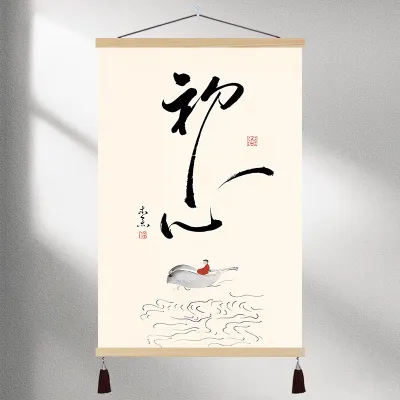
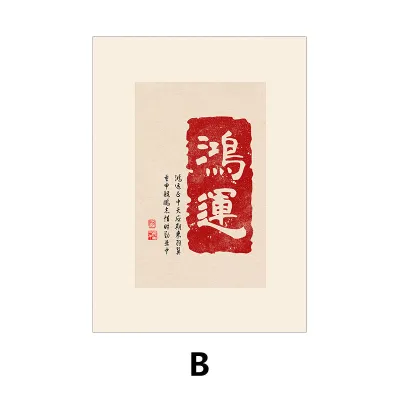
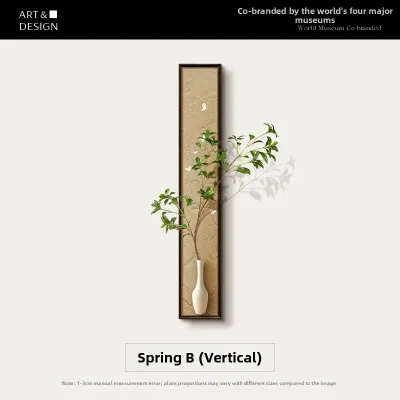
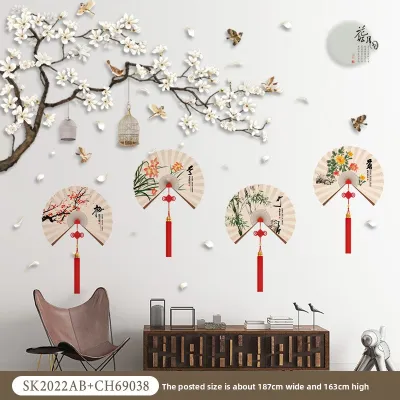
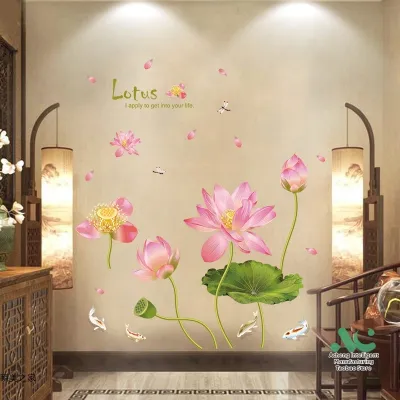
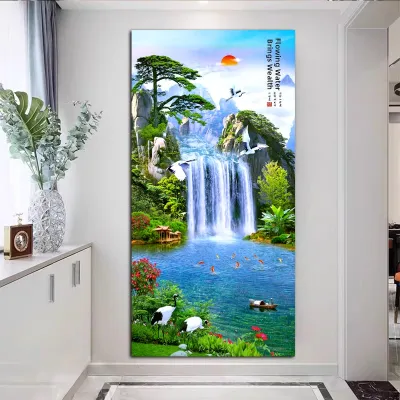
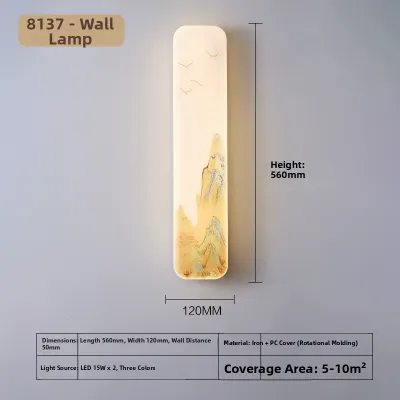
Prices are valid at publication and may change. Please refer to the product page for the latest price.
Folk Art and Paper-Cutting
For spaces that require warmth, high-contrast accents, and festive energy, Chinese folk art and traditional paper-cutting provide a vibrant alternative. These styles are celebrated for their intricate patterns, bold primary colors—particularly rich reds, deep blues, and warm yellows—and highly symbolic motifs representing prosperity, longevity, and harmony. Woodblock prints, embroidered textiles, and delicate paper-cuts feature dense compositions that naturally draw the eye, making them excellent focal points for lively, communal areas. Because these pieces are often crafted from delicate materials like fine paper or silk threads, they require careful physical protection. When purchasing folk art, verify that the framing includes protective UV-filtering glass or acrylic to shield the bright pigments from sun damage. Additionally, ensure the frame is properly sealed at the back to protect the delicate fibers from dust and ambient moisture, which can cause paper to buckle or colors to bleed.
Modern Fusion and Contemporary Interpretations
Modern fusion and contemporary Chinese art bridge the gap between historical heritage and modern design sensibilities, making them highly versatile for eclectic, transitional, or minimalist interiors. Contemporary artists often rephrase classical motifs—such as mountain silhouettes, koi fish, or traditional calligraphy strokes—using abstract forms, mixed media, acrylic paints, and unconventional color palettes. You might find a traditional landscape rendered in bold neon accents, or a classic ink motif applied to a textured, heavy-duty canvas. These pieces are particularly effective at connecting heritage art with modern industrial, mid-century modern, or Scandinavian decor, as they share a clean, structured geometry. Before purchasing a contemporary canvas or mixed-media piece, review the manufacturer’s specifications regarding canvas tension and frame stability. Ensure the canvas is stretched tightly over a warp-resistant wooden stretcher bar and check that the surface has been treated with a protective varnish to guard against dust and light exposure.
How to Match Chinese Wall Art with Your Interior Design
Integrating Chinese wall art into your home requires a thoughtful approach to color, scale, and room function to avoid visual clutter or thematic clash. Begin by assessing your room’s dominant color palette. If your space features neutral, earthy tones, a traditional ink wash painting can seamlessly harmonize with the environment, reinforcing a quiet, cohesive atmosphere. Conversely, if you want to introduce a deliberate point of contrast, a vibrant red paper-cut or a bold modern fusion piece can serve as an intentional accent, provided the surrounding decor remains relatively understated to let the artwork stand out.

The scale of the wall and the surrounding furniture must also dictate your choice. A large, single statement piece—such as a horizontal landscape print or a tall vertical scroll—works beautifully above a low-profile sofa or a sideboard, anchoring the room’s layout. If you have a wider wall but prefer smaller artworks, consider a curated gallery wall featuring a series of related calligraphy panels or small, matching folk art prints. Ensure that the spacing between the frames is consistent to maintain a clean, organized look.
Consider the primary function of the room when selecting your art. Bedrooms, home offices, and reading corners benefit from the soothing, meditative qualities of minimalist ink wash and soft calligraphy, which promote relaxation and focus. In contrast, dining rooms, entryways, and living areas can easily support the lively, conversational energy of colorful folk art or large-scale modern fusion pieces. Avoid forcing highly traditional, ornate pieces into ultra-modern, high-tech spaces unless you are intentionally using a modern fusion piece or a carefully selected frame to bridge the stylistic gap. Eclectic juxtaposition can work, but it requires keeping the rest of the room’s accessories minimal to prevent the space from feeling like a crowded antique shop.
Practical Selection Criteria and Buying Checks
Before finalizing your purchase, it is crucial to evaluate the physical construction, framing, and installation requirements of the artwork to ensure safety and longevity. First, inspect the framing materials and matting. The frame should complement both the artwork and your room’s existing finishes; for instance, a simple black or natural wood frame works well with minimalist ink wash, while a rich, dark wood frame can enhance traditional folk art. Ensure the matting is acid-free to prevent chemical staining on the edges of the print over time.
Environmental factors are particularly critical in tropical climates like Singapore’s, where high humidity and intense sunlight can rapidly degrade unprotected art. Look for frames equipped with moisture-resistant backing boards and UV-protective glazing. Avoid hanging delicate paper or silk pieces directly opposite large windows where they will receive direct sunlight, and keep them away from areas prone to high humidity, such as directly adjacent to open kitchens or bathrooms.
Verify the hanging hardware and wall anchor requirements before installation. Heavy woodblock prints, thick wooden frames, or multi-panel decorative screens can carry significant weight. For safety, especially when hanging art in high-traffic areas or above seating, always use appropriate wall anchors suited to your wall type (such as drywall anchors or concrete screws) rather than relying on simple adhesive hooks. If you are installing large, heavy, or suspended pieces at height, consider consulting a qualified professional installer to ensure the mounting is secure.
Finally, when purchasing from online marketplaces, independent galleries, or direct-from-artist platforms, carefully review the seller’s return policy, shipping protection measures, and condition reports. Ensure the artwork is shipped in sturdy, moisture-proof packaging—such as heavy-duty cardboard tubes for unframed prints or reinforced crates for framed pieces—to prevent bending, scratching, or water damage during transit.
Frequently Asked Questions (FAQ)
How do I clean and maintain framed Chinese paper art?
To clean framed Chinese paper art safely, use a soft, dry microfiber cloth or a static duster to gently wipe the exterior of the frame and the glass. Strictly avoid using liquid chemical sprays, glass cleaners, or damp cloths directly on the frame, as moisture can seep through the edges of the glass and cause irreversible water stains, mold growth, or paper warping on the artwork inside. Never attempt to open the frame yourself to clean the paper or silk directly. If you notice internal dust, yellowing, foxing, or moisture spots, take the piece to a professional framing conservator who can safely disassemble and treat the materials in a controlled environment. Additionally, ensure the artwork is positioned away from direct air conditioning drafts, humidifiers, and heat sources to maintain a stable microclimate around the frame.
Can I mix different Chinese art styles in the same room?
Yes, you can successfully mix different Chinese art styles in the same room by establishing a clear visual anchor and maintaining consistent design principles. To prevent the space from feeling chaotic, use a unifying element across the different pieces, such as matching frame colors, identical matting widths, or a shared accent color that appears in both a modern fusion painting and a traditional folk print. Balance is key: if you display a highly detailed, vibrant folk art piece as your main focal point, surround it with simpler, minimalist ink wash paintings or clean calligraphy to give the eyes a place to rest. This approach respects the traditional Chinese aesthetic concept of leaving purposeful negative space, which ensures that each artwork has room to breathe and can be appreciated individually without competing for attention.

Community discussion
Share your experience or ask a question. Comments are reviewed before publication.