
Integrating traditional Chinese calligraphy and painting into modern Singaporean apartments offers a sophisticated way to bridge cultural heritage with contemporary design. Whether you live in a streamlined HDB flat, a light-filled condominium, or a spacious landed home, these classic art forms—collectively known as zhongguo zihua—can bring texture, soul, and a sense of quiet contemplation to your living space. The key to making traditional art work in a modern setting lies in selecting the right artistic styles, understanding how they interact with contemporary color palettes, and applying thoughtful framing and lighting techniques.
By focusing on the balance of negative space, line quality, and minimalist presentation, you can transform traditional ink and brushwork into striking focal points. Rather than overwhelming a room with heavy, ornate antiques, modern interior design favors a curated approach where a single, well-chosen piece of Chinese art anchors the entire space. Understanding the core styles of Chinese art and how to adapt them to your home’s layout is the first step in creating a harmonious, culturally rich interior.
Core Chinese Art Styles for Modern Aesthetics
To successfully integrate Chinese art into a contemporary home, it helps to understand the primary styles and how their visual characteristics align with modern design principles. Minimalist ink wash painting, or xieyi (freehand style), is perhaps the most natural fit for modern interiors. This style prioritizes spirit and essence over literal representation, utilizing sweeping brushstrokes and vast areas of untouched paper. This deliberate use of negative space, known traditionally as liubai, mirrors the clean, uncluttered philosophy of minimalist and Scandinavian design, allowing small rooms to feel more open and breathable.
Products mentioned in this guide
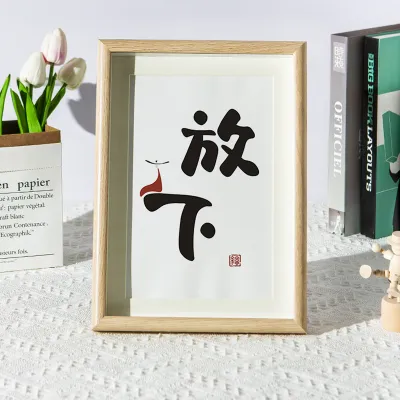
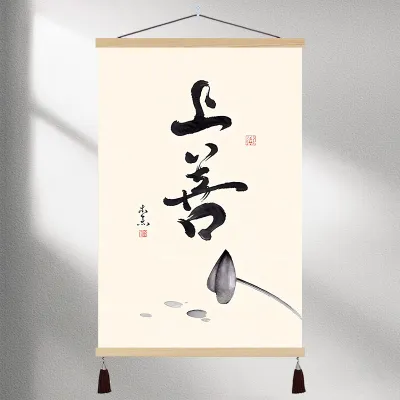
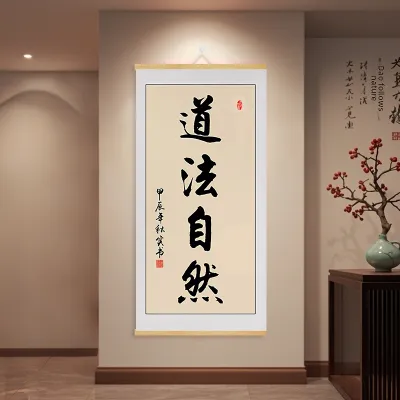
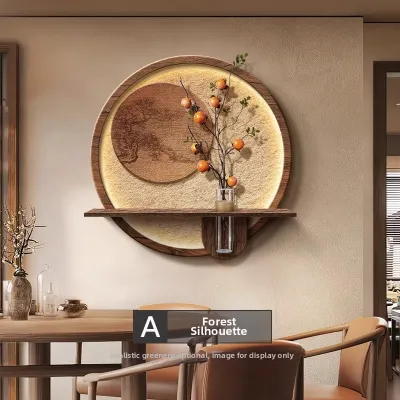
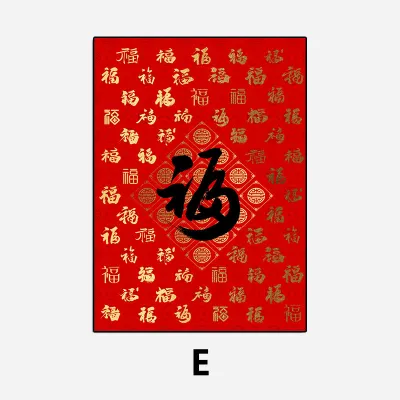
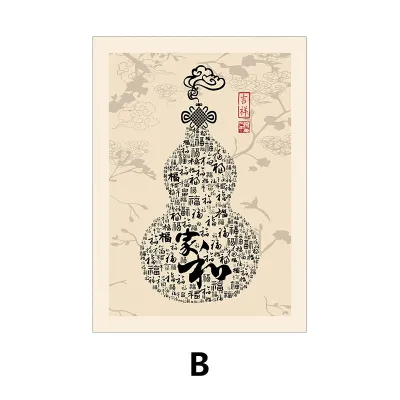
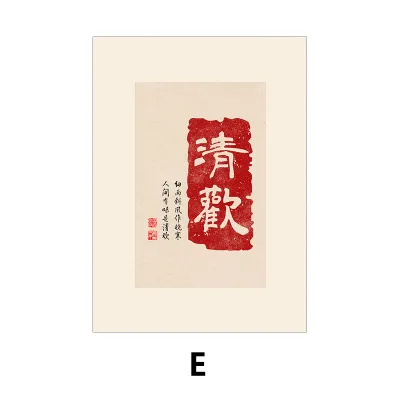
Prices are valid at publication and may change. Please refer to the product page for the latest price.
Bold calligraphy serves as an exceptional high-contrast statement piece in contemporary settings. The graphic power of black ink on a pale background behaves much like Western abstract expressionism, making it highly compatible with industrial, mid-century modern, or monochrome interior themes. A single large-scale character or a poetic couplet written in a dynamic script can instantly draw the eye, serving as a powerful visual anchor on a prominent feature wall.
Traditional landscape paintings (shanshui) and bird-and-flower motifs (huaniao) can also be adapted for modern homes, provided you pay close attention to color and composition. While older, antique paintings often feature heavy mineral pigments or darkened silk backgrounds that can feel somber in a bright apartment, contemporary adaptations utilize lighter, desaturated color schemes. Muted earth tones, soft greys, and subtle metallic accents allow these classic nature scenes to complement modern pastel or neutral color palettes without clashing with your furniture.
For eclectic or transitional home styles, neo-traditional and abstract interpretations of Chinese art offer an exciting middle ground. Many contemporary artists blend traditional ink wash techniques with modern geometric structures, vibrant color blocks, or non-traditional materials. These pieces maintain a clear connection to Chinese artistic heritage while feeling thoroughly fresh, making them ideal for homeowners who want to express their cultural identity in a highly individualistic, modern way.
Matching Styles to Room Functions and Lighting
Every room in a Singaporean home serves a distinct functional and emotional purpose, and the artwork you choose should reflect and enhance that atmosphere. In spacious living areas, where family and guests gather, large-scale landscape paintings or bold calligraphy works are ideal for anchoring seating arrangements. Placing a substantial, horizontally oriented landscape behind the main sofa creates a sense of depth and stability, drawing the eye across the room and establishing a clear focal point for the entire living space.

For private sanctuaries like bedrooms and study rooms, the priority shifts toward promoting relaxation, focus, and tranquility. In these spaces, opt for calming ink wash paintings with gentle subjects, such as misty mountains, soft bamboo stalks, or subtle floral designs. When selecting calligraphy for a study or bedroom, choose structured, orderly scripts like regular script (kaishu) or clerical script (lishu), which convey a sense of calm and discipline, rather than wild, chaotic cursive styles that can introduce unwanted visual tension.
Dining spaces benefit from art that fosters warmth, conversation, and a sense of abundance. Vibrant bird-and-flower paintings featuring symbolic elements like pomegranates for prosperity or elegant lotus flowers work beautifully here. Alternatively, auspicious calligraphy pieces expressing themes of harmony, gathering, or gratitude can enhance the social atmosphere of the dining area, creating an inviting backdrop for shared meals.
Lighting plays a critical role in how ink and pigments are perceived on delicate paper or silk. When planning your lighting setup, consider how warm versus cool light sources affect the artwork. Warm lighting (2700K to 3000K) enhances the natural, organic tones of traditional rice paper and brings out the warmth in mineral pigments, whereas cool lighting (4000K and above) can make traditional paper look clinical or unnaturally yellow. Direct sunlight must be avoided at all costs to prevent fading, making ambient, indirect light or dedicated picture lights the preferred choice.
If you decide to install dedicated picture lights or track lighting to highlight your art, always verify the fixture’s voltage, base interface, wattage limits, and electrical certification (such as local safety marks) before purchase. For any fixed wiring installations, such as running new electrical lines behind the drywall or concrete to power a picture light, ensure you isolate the power at the main distribution board and engage a qualified licensed electrician to complete the work safely.
Sizing, Framing, and Placement Strategies
Achieving visual balance with Chinese art in a modern apartment requires careful attention to proportion, framing, and environmental conditions. When determining the correct size for a piece of art, apply the two-thirds rule: the width of the artwork (or the combined width of a multi-panel set) should ideally measure about two-thirds to three-quarters the width of the furniture piece it sits above, such as a sofa, sideboard, or bed frame. This prevents the art from looking dwarfed by the furniture or, conversely, overwhelming the wall space.
Traditional Chinese paintings are often mounted as hanging scrolls, which offer a rustic, classical charm but can look out of place in a highly streamlined modern interior. For a contemporary aesthetic, framing your art in modern minimalist frames is highly recommended. Thin, low-profile frames made of matte black aluminum, light oak, or brushed metal provide a clean border that bridges the gap between traditional art and modern architecture. Using generous, acid-free mat boards around the artwork also helps isolate the piece, giving it room to breathe and elevating its visual importance.
When hanging your art, aim for standard gallery height, where the center of the artwork sits approximately 140cm to 150cm from the floor, aligning with the average human eye level. If you are displaying a collection of smaller calligraphy pieces or ink sketches, consider a structured gallery wall arrangement. Keep the spacing between frames tight and consistent—typically 5cm to 8cm apart—and use matching frame styles to unify the diverse pieces into a single, cohesive visual statement.
Because Singapore’s tropical climate is characterized by high humidity, protecting delicate paper and silk art requires strict environmental checks. Avoid hanging valuable original works on exterior-facing walls, which tend to transfer moisture and heat from the outdoors, increasing the risk of mold growth. Keep art away from direct air-conditioning draft lines, humidifiers, and cooking zones where kitchen grease and steam can settle on the frame. For heavy, glass-framed pieces, ensure you use robust wall anchors suited to your wall type (such as concrete plugs for structural walls) and consider professional installation services to manage the risks associated with suspended loads.
Sourcing and Evaluating Chinese Art
Navigating the market for Chinese calligraphy and painting requires a clear understanding of price tiers and quality indicators to ensure you make an informed investment. In Singapore, the price of Chinese art varies widely based on authenticity, medium, and the artist’s reputation. High-quality digital replicas or licensed prints of famous museum masterpieces are highly accessible, typically starting under S$150, making them excellent entry-level options for casual decor. Original hand-painted works by contemporary or emerging local artists generally range from S$300 to several thousand dollars, offering unique character and long-term value.
When inspecting physical pieces in person at a gallery or studio, pay close attention to the quality of the paper, the depth of the ink, and the placement of the artist’s seals. High-quality rice paper (xuan) should have a consistent texture without water spots or uneven thinning. The ink should exhibit rich, multi-layered depth—ranging from deep, velvety blacks to subtle, translucent greys—rather than appearing flat, dull, or faded. Additionally, the red artist seals should be crisp, clear, and positioned in a way that balances the overall composition rather than crowding the brushwork.
Singapore offers several excellent avenues for sourcing authentic Chinese art, ranging from traditional cultural enclaves to modern art spaces. Exploring specialized art dealers and galleries in historic districts like Chinatown or the Bras Basah complex allows you to view pieces in person and speak with knowledgeable curators. Attending local cultural exhibitions, graduation shows at local arts institutions, and specialized art fairs can also connect you directly with contemporary artists who specialize in modern interpretations of traditional ink wash and calligraphy.
When purchasing a piece, especially an original work, do not hesitate to ask the seller detailed questions regarding its preservation and history. Inquire about the mounting process—whether the piece has been wet-mounted traditionally or dry-mounted using modern archival adhesives. Ask if the framing materials used are conservation-grade, including acid-free backing boards and UV-protective glass or acrylic. Securing this information upfront will help you understand the long-term maintenance requirements and ensure your artwork remains a beautiful, preserved centerpiece in your home for years to come.
Frequently Asked Questions (FAQ)
How do I prevent humidity damage to Chinese paper art in Singapore? (FAQ)
To protect delicate paper and silk art from Singapore’s high humidity, always opt for sealed, conservation-grade framing rather than traditional open scrolls. Ensure the framer uses acid-free backing materials and seals the back of the frame completely to block ambient moisture. Avoid hanging artwork on damp exterior-facing walls, near bathrooms, or directly under air-conditioning vents. Placing small, hidden silica gel packets inside the back cavity of the frame can also help absorb residual moisture, and running a home dehumidifier during particularly wet seasons will further safeguard your collection.
Can I mix Chinese calligraphy with Western abstract art on the same wall? (FAQ)
Yes, mixing Chinese calligraphy with Western abstract art can create a dynamic and culturally rich gallery wall. To ensure the display looks intentional rather than chaotic, unify the different pieces using consistent framing materials, matching mat board colors, or identical spacing. Balance the visual weight across the wall by distributing bold, dark calligraphy strokes evenly alongside the colorful or textured elements of your abstract pieces. Keeping a cohesive color palette across both styles of art will help tie the disparate traditions together beautifully.
What is the practical difference between mounted scrolls and glass-framed pieces? (FAQ)
Traditional mounted scrolls are lightweight, easy to store, and offer an authentic, fluid aesthetic, but they leave the delicate paper completely exposed to dust, insects, and tropical humidity. Glass or acrylic-framed pieces provide superior physical protection and environmental sealing, making them far better suited for long-term preservation in Singapore homes. However, framed pieces are significantly heavier, require secure wall mounting to manage the suspended load, and can suffer from light glare unless non-reflective or museum-grade glass is used.
Community discussion
Share your experience or ask a question. Comments are reviewed before publication.