
Selecting the perfect Chinese calligraphy wall art involves matching the visual energy of historical brushstrokes with the architectural lines and emotional tone of your living space. Far more than mere written words, Chinese calligraphy functions as a form of abstract landscape, where the weight, speed, and direction of the ink convey a distinct atmosphere. By understanding how different scripts communicate visually, you can choose a piece that complements your home’s layout, lighting, and existing decor.
The Five Major Chinese Calligraphy Scripts Decoded
To find the right artwork, you must first recognize the spectrum of movement across the five primary calligraphy styles. These scripts evolved over thousands of years, transitioning from highly structured, geometric forms used for official state records to fluid, expressive strokes written in moments of personal inspiration.
You do not need to read the characters to appreciate their visual impact. Instead, focus on the balance between negative space and ink. Structured scripts offer symmetry, clean lines, and a sense of permanent order. Expressive scripts prioritize rhythm, continuous movement, and the visible energy of the brush leaving the paper.
Products mentioned in this guide
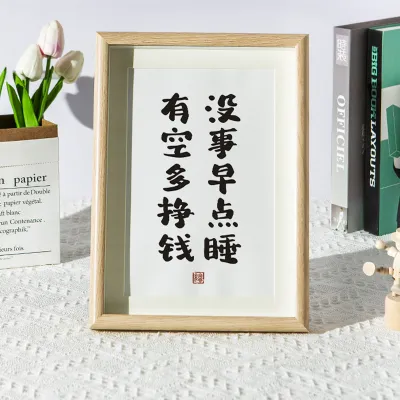
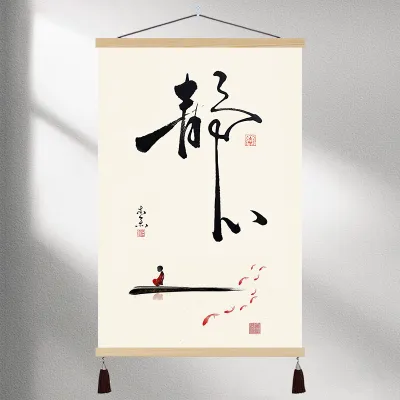
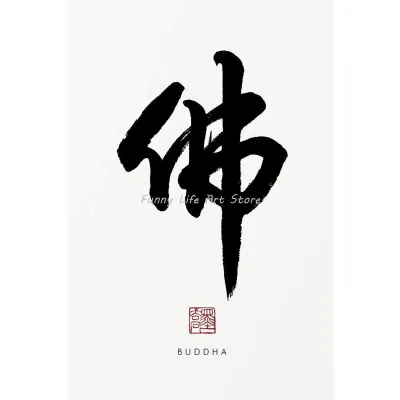
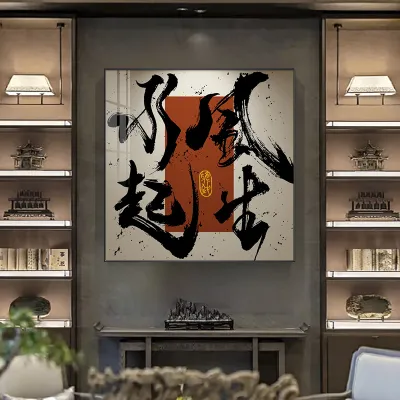
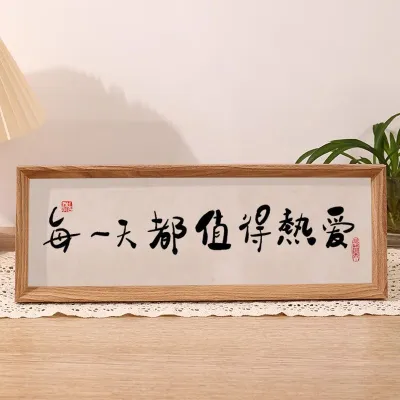
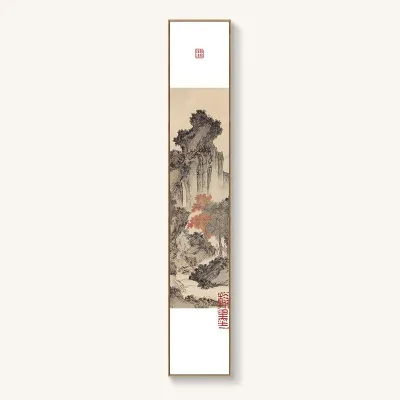
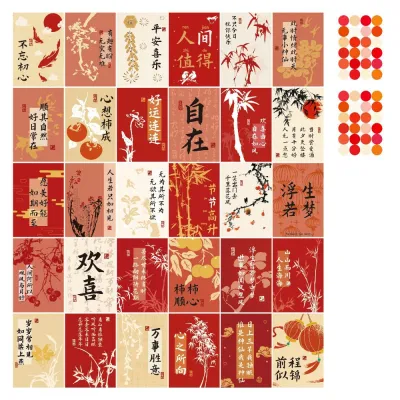
Prices are valid at publication and may change. Please refer to the product page for the latest price.
Structured and Formal Scripts
Seal script represents the oldest form of Chinese writing, characterized by its highly symmetrical, elongated characters and uniform stroke thickness. Because it originated as carvings on stone and bronze, it lacks the sharp flares of later brush styles. This archaic, graphic quality makes Seal script highly decorative, fitting seamlessly into minimalist or heritage-focused spaces that appreciate clean, historic lines.
Clerical script introduces a grounded, architectural stability to a room. This style is easily recognized by its wide, flat proportions and dramatic, flared horizontal strokes. The deliberate, heavy strokes convey a sense of historical elegance and quiet dignity, making it an excellent choice for formal dining rooms or entryways.
Regular script is the epitome of balance, precision, and legibility. Every stroke is clearly defined, sitting within a neat, invisible square. Because of its structured and orderly nature, Regular script brings a calm, academic, and disciplined atmosphere to a room. It is highly suited for spaces where focus and tranquility are desired, such as home offices or study areas.
Fluid and Expressive Scripts
Running script offers a beautiful bridge between strict order and free expression. In this semi-cursive style, the brush rarely leaves the paper between strokes, creating natural, flowing connections within each character while remaining highly legible. The visual rhythm is active yet controlled, making Running script incredibly versatile for modern living rooms where you want to introduce movement without overwhelming the eye.
Cursive script represents the ultimate expression of artistic freedom and abstract energy. Characters are highly simplified, often merging into continuous, sweeping lines executed with rapid, passionate brushwork. Readability is sacrificed for emotional rhythm, turning the text into a dynamic composition of ink and space. This script functions beautifully as a bold focal point in contemporary or eclectic interiors, acting much like modern abstract expressionist paintings.
Matching Calligraphy Scripts to Your Interior Aesthetic
Integrating calligraphy into your home requires a thoughtful alignment with your existing interior design theme. Formal and structured scripts, such as Seal and Regular scripts, naturally complement traditional Asian, Zen, or modern minimalist aesthetics. Their clean lines and geometric balance mirror the straight edges of minimalist furniture, low-profile platform beds, and neutral color palettes, reinforcing a sense of quiet order.

Conversely, expressive scripts like Running and Cursive styles are ideal for contemporary, eclectic, or bohemian spaces. The sweeping, organic curves of these scripts break up the rigid, hard angles of modern architecture and metallic fixtures. A large Cursive script scroll can serve as a powerful visual anchor, adding warmth and human touch to an otherwise sterile, high-tech room.
Room function should also guide your selection. In private sanctuaries like bedrooms or meditation corners, the steady, predictable rhythm of Regular or Clerical script promotes relaxation and mental clarity. In high-energy, social spaces like living rooms, dining areas, or creative studios, the lively, dancing strokes of Running or Cursive script stimulate conversation and inspire creative thinking.
Practical Considerations for Displaying Calligraphy Wall Art
Before hanging your selected piece, evaluate the physical proportions of your wall and the viewing distance. A large vertical hanging scroll requires high ceilings and open floor space to be fully appreciated from a distance. For standard apartment walls or spaces above low-backed sofas and sideboards, a horizontally framed piece provides a more balanced, modern look.
Framing materials should bridge the gap between the artwork and your room’s hardware. Traditional silk-mounted scrolls offer an organic, soft texture that softens hard plaster walls. If you prefer a contemporary presentation, framing the calligraphy behind glass with a slim, matte black or dark wood frame protects the delicate paper while matching modern light fixtures and furniture legs.
Protecting your art from environmental damage is essential, especially when dealing with authentic ink and paper. Traditional rice paper is highly sensitive to light and moisture. Avoid hanging valuable pieces in direct sunlight, which causes the paper to yellow and the ink to fade. In humid tropical environments, such as Singapore, maintaining stable indoor conditions is vital; consider framing the artwork with acid-free matting and a sealed backing to prevent moisture buildup and mold growth.
Frequently Asked Questions (FAQ)
Does the meaning of the characters matter if I cannot read them?
While the visual rhythm and stroke dynamics of Chinese calligraphy can be appreciated purely as abstract art, the literal meaning of the characters still shapes the room’s atmosphere. Calligraphy pieces often feature classical poetry, philosophical idioms, or single characters representing concepts like harmony, peace, or resilience. It is highly recommended to verify the translation and context before purchasing to ensure the underlying message aligns with the purpose and energy of your space.
How do I care for authentic ink and paper calligraphy pieces?
Authentic calligraphy on traditional rice paper is delicate and highly susceptible to environmental wear. Keep these pieces away from areas with high humidity or temperature fluctuations, such as kitchens, bathrooms, or walls directly beneath air conditioning units. In humid climates like Singapore, framing the artwork with a sealed backing and using moisture-absorbing silica gel packets inside the frame can help prevent foxing and mold. For routine maintenance, gently dust the frame with a dry microfiber cloth, and consult a professional conservator for any deep cleaning or restoration needs.

Community discussion
Share your experience or ask a question. Comments are reviewed before publication.