
Integrating cultural heritage into modern residential spaces requires a thoughtful balance between traditional symbolism and contemporary design principles. For homeowners in Singapore, selecting the right chinese art wall deco is not merely about displaying heritage; it is about finding pieces that respect the clean lines, compact proportions, and functional aesthetics of modern HDB flats and condominiums. The challenge often lies in avoiding a look that feels overly dated, heavy, or mismatched with contemporary furniture. By understanding the visual weight of different traditional styles and how they interact with modern interior design, you can curate a space that feels both culturally rich and sophisticated.
Modern Singaporean interiors—often characterized by minimalist, Scandinavian, Japandi, or Muji aesthetics—benefit from the understated elegance of Chinese art. The key lies in selecting styles that employ negative space, neutral color palettes, or modern framing techniques to complement, rather than overwhelm, the living space. Whether you are decorating a compact three-room HDB flat or a spacious private condominium, the right piece of wall art can serve as a serene focal point that ties your entire design scheme together.
How to Choose Chinese Wall Art for Singapore Interiors
Selecting art for modern urban homes requires a clear understanding of spatial scale and architectural context. Modern HDB flats and condominiums in Singapore typically feature standard ceiling heights ranging from 2.6 to 2.8 metres, alongside compact floor plans. Large, traditional hanging scrolls that stretch from ceiling to floor can easily overwhelm these proportions, making a room feel shorter and more confined. Instead, contemporary interiors benefit from framed horizontal landscapes or medium-sized square pieces that preserve vertical wall space and maintain a balanced sense of openness.
Products mentioned in this guide
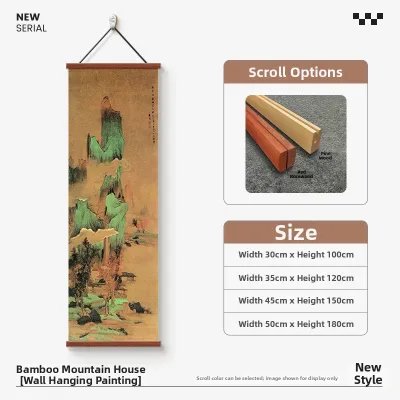
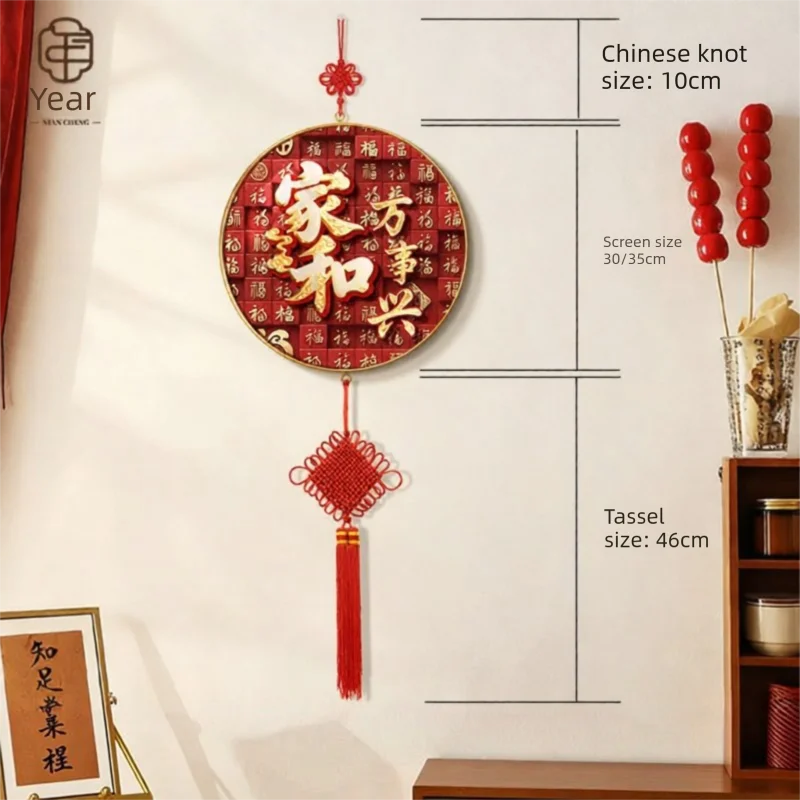
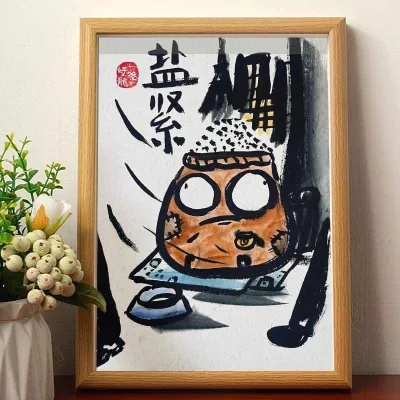
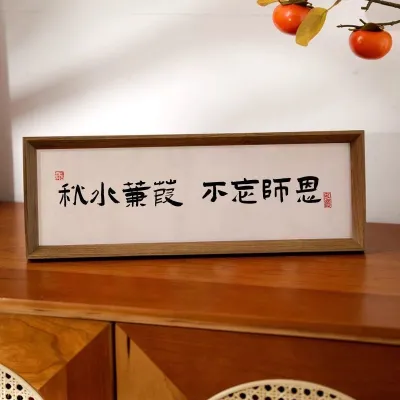
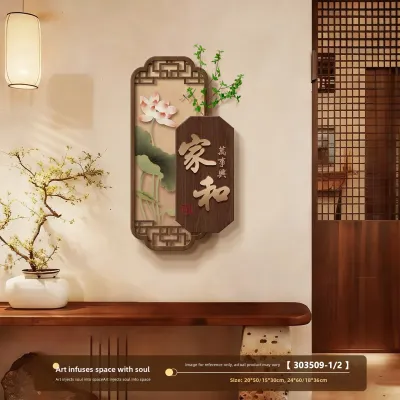
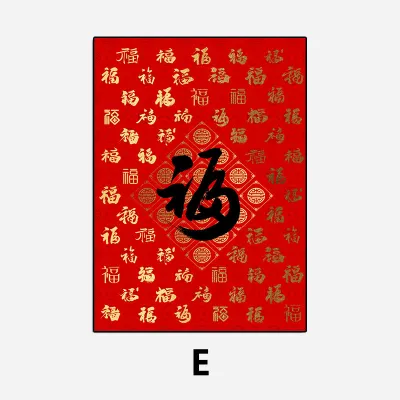
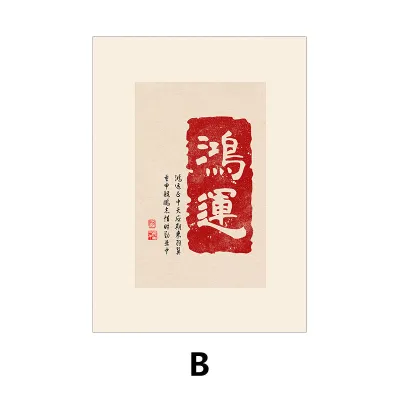
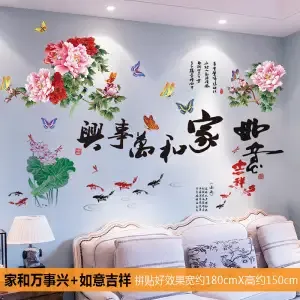
Prices are valid at publication and may change. Please refer to the product page for the latest price.
Color harmony is equally critical when integrating traditional elements into a modern home. Many contemporary Singaporean homes utilize neutral color palettes dominated by warm beiges, soft greys, off-whites, and natural wood tones. Traditional Chinese art, however, often relies on deep black inks, intense vermilion reds, or rich mineral pigments like malachite and azurite. To ensure a cohesive look, look for artwork that either uses muted, diluted tones or features a background paper color that matches the undertone of your wall paint. This creates a seamless visual transition, allowing the artwork to feel like an organic extension of the room rather than an abrupt interruption.
Balancing traditional motifs with modern furniture requires a deliberate contrast of forms. The clean, geometric lines of low-profile Scandinavian sofas, handleless cabinets, and minimalist dining tables pair exceptionally well with the fluid, organic curves found in Chinese brushwork. To prevent a jarring stylistic clash, avoid pairing highly ornate, dark-carved rosewood frames with ultra-modern furniture. Instead, opt for slim, modern frames that bridge the gap between the historic art style and the contemporary surroundings.
Finally, natural light availability and wall orientation must guide your placement decisions. Singapore’s tropical climate brings intense, direct sunlight through large living room windows and balcony doors. Direct UV exposure is highly damaging to paper-based art, causing delicate rice paper to yellow, become brittle, and lose ink definition over time. Before finalizing your purchase, observe how light moves through your space during the day. Position delicate paper-based art on walls that receive indirect, diffused light, or invest in museum-grade, UV-protective glass to safeguard your collection.
Recommended Chinese Art Styles for Contemporary Homes
To help you navigate the diverse landscape of Chinese art, let us explore four major styles that translate beautifully into modern Singaporean homes. Each style offers unique visual properties, spatial benefits, and styling requirements.

Ink Wash Painting (Shui-mo)
Ink wash painting, or shui-mo, is perhaps the most natural fit for modern minimalist and Muji-inspired interiors due to its focus on simplicity and mood. This style relies on varying concentrations of black ink on paper or silk to depict landscapes, flora, and fauna. A defining characteristic of ink wash painting is the deliberate use of liubai, or negative space. In Chinese art philosophy, this empty space is not merely blank paper; it represents mist, water, sky, or unexpressed thought, allowing the viewer’s mind to complete the landscape.
In compact HDB living rooms or bedrooms, the generous negative space in ink wash paintings acts as a visual breather. By leaving large portions of the canvas empty, these pieces create an illusion of depth and airiness, making small rooms feel significantly larger and more serene. To maximize this effect, pair ink wash paintings with light wood finishes such as white oak, ash, or beech. Incorporate soft linen textures, cotton upholstery, and a neutral color palette to create a cohesive, calming sanctuary.
The ideal placements for ink wash paintings are areas dedicated to relaxation and focus. Consider hanging a horizontal landscape behind your living room sofa, above your bed’s headboard, or within a quiet study nook. However, keep in mind that ink wash paintings can look washed out or flat in poorly lit rooms or spaces dominated by heavy, dark industrial furniture. To prevent this, ensure the artwork is illuminated by warm, focused accent lighting—such as a ceiling-mounted spotlight with a high Color Rendering Index (CRI)—to bring out the subtle gradations and delicate textures of the ink work.
Modern Calligraphy
Modern calligraphy reinterprets traditional Chinese script as a form of bold, abstract graphic art. Rather than displaying long, dense passages of classical poetry on vertical scrolls, contemporary calligraphy often focuses on framed single characters, deconstructed brushstrokes, or minimalist typographic layouts. This shift highlights the raw energy, movement, and structural beauty of the ink strokes, making it highly compatible with modern graphic design principles.
This style pairs exceptionally well with industrial, Scandinavian, or contemporary decor. The bold, black strokes of calligraphy create a striking contrast against exposed concrete walls, matte plaster finishes, or clean white brickwork. To enhance this graphic quality, house the calligraphy in slim, matte black metal frames or thin metallic frames in brushed brass or copper. This framing choice provides a clean, architectural border that anchors the fluid brushwork within a modern space.
Ideal placements for modern calligraphy include home offices, where a single character representing focus or resilience can inspire daily work, as well as transitional spaces like entryways, long hallways, and dining areas. The primary limitation of modern calligraphy is its framing requirements. Because the artwork is inherently minimalist, it requires professional framing with a thick, acid-free mat board. Hanging a simple calligraphic print without a mat board can make it look like a cheap, generic commercial print, stripping it of its artistic depth and sophistication.
Contemporary Paper-Cut Art
Traditional paper-cutting (jianzhi) is a vibrant folk art historically associated with festive celebrations and bright red window decorations. However, contemporary paper-cut art has undergone a modern evolution, transforming into sophisticated, multi-layered shadow boxes, laser-cut wood panels, and metallic foil designs. This modern adaptation retains the intricate, delicate patterns of traditional designs while introducing a refined, sculptural quality.
The primary benefit of contemporary paper-cut art is its ability to add physical texture, depth, and three-dimensional shadow play to flat HDB or condo walls. When light hits a multi-layered paper-cut piece, it casts delicate shadows within the frame, creating a dynamic visual effect that changes throughout the day. Modern artists have also moved away from the exclusive use of festive red, opting instead for monochrome palettes (black, white, charcoal), soft pastels, or metallic papers like gold, bronze, and copper.
These textured pieces are perfect for entryways, dining rooms, and dedicated cultural display corners where guests can appreciate the intricate details up close. However, unsealed three-dimensional paper layers are highly susceptible to dust accumulation and are incredibly difficult to clean without causing irreversible damage to the delicate paper fibers. Therefore, it is essential to purchase paper-cut art that is properly sealed within a deep shadow-box frame. This protective barrier keeps dust out and preserves the structural integrity of the delicate cutouts.
Fusion and Abstract Chinese Art
Fusion and abstract Chinese art represents a bridge between East and West, combining traditional Chinese motifs, landscape outlines, or philosophical concepts with Western mediums like oil, acrylic, or mixed media textures. These pieces often feature bold brushwork, textured canvases, and a more expansive color palette than traditional ink paintings, offering a highly contemporary take on heritage themes.
This style is ideal for making a bold, sophisticated statement on large, open-plan HDB feature walls or spacious condominium living areas. An abstract interpretation of a traditional mountain landscape (shanshui) using textured acrylics and gold leaf accents can serve as a stunning conversation piece that anchors the entire room. The rich textures and layered colors of fusion art provide a sense of luxury and depth that works well in upscale, contemporary interiors.
The main limitation of fusion and abstract Chinese art is the investment required, as original mixed-media canvases command a higher price than prints. Additionally, because these pieces often feature vibrant colors and heavy textures, they require careful color coordination with your existing soft furnishings—such as cushions, rugs, and curtains—to prevent the room from feeling visually chaotic or clashing.
Comparing Chinese Art Styles by Room and Vibe
To help you quickly identify the best fit for your home, the table below compares these four distinct Chinese art styles based on their visual weight, ideal interior themes, room placements, and lighting requirements.
| Art Style | Visual Weight | Best Interior Theme | Ideal Room | Lighting Requirements |
|---|---|---|---|---|
| Ink Wash Painting | Light to Medium | Minimalist, Muji, Japandi | Living Room, Bedroom, Study | Soft, warm accent lighting (high CRI) |
| Modern Calligraphy | Strong (Graphic) | Industrial, Scandinavian, Modern | Home Office, Hallway, Dining Area | Bright, direct or ambient light |
| Contemporary Paper-Cut | Medium (Textured) | Transitional, Eclectic, Modern | Entryway, Dining Room, Niche | Angled directional light (for shadow play) |
| Fusion & Abstract | Heavy (Textured) | Contemporary, Luxury, Eclectic | Feature Wall, Large Living Room | Balanced ambient and spotlighting |
By analyzing these characteristics, you can select a style that matches both the physical conditions of your room and the specific atmosphere you wish to cultivate.
Sourcing, Framing, and Humidity Care in Singapore
Acquiring and maintaining high-quality chinese art wall deco in Singapore requires practical planning, particularly due to the island’s tropical climate. When sourcing artwork, it is advisable to avoid generic, mass-produced e-commerce marketplaces, which often sell low-resolution prints on cheap synthetic canvas that lack depth and longevity. Instead, explore local art galleries around Bras Basah, Chinatown, or Gillman Barracks, which offer curated selections of original works and limited-edition prints. Alternatively, look for specialized online art platforms that represent independent Asian artists, or utilize custom print services that guarantee the use of archival-grade papers and pigment inks.
Framing is your primary line of defense against both environmental damage and aesthetic mismatch. For Singapore’s bright apartments, always opt for anti-glare glass or museum-grade acrylic to minimize distracting reflections from windows and light fixtures. Ensure your framer uses acid-free mat boards and moisture-resistant backing boards, such as high-density foam board, rather than cheap cardboard which absorbs moisture. For scroll-style pieces, consider a modern floating frame where the scroll is mounted flat against a backing board inside a glass frame; this preserves the organic look of the scroll while protecting it from dust and humidity.
Singapore’s relative humidity frequently exceeds 80%, creating an environment highly conducive to mold growth and paper warping. Mold spores feed on the organic starch glues traditionally used to mount Chinese paintings and scrolls. To protect your investment, never hang valuable paper-based art on exterior-facing concrete walls, which can transfer moisture from heavy tropical downpours. Avoid hanging art near bathrooms, kitchens, or directly above indoor water features. Ensure the room has consistent air circulation, use air conditioning or a dehumidifier regularly, and place small rubber bumpers on the bottom corners of your frames to create a small air gap between the frame and the wall, preventing moisture traps.
Finally, prioritize safety and structural integrity during installation. Modern HDB flats and condominiums often utilize drywall partitions to separate bedrooms, studies, or walk-in wardrobes. Drywall has significantly lower weight-bearing limits than solid concrete walls. Before hanging any framed piece—especially heavy shadow boxes or glass-fronted frames—verify the wall type. For drywall, always use appropriate toggle bolts or heavy-duty drywall anchors rather than standard nails or adhesive hooks. For solid concrete walls, use a masonry drill to install plastic wall plugs and screws. If you are mounting exceptionally heavy, oversized, or valuable pieces, always consult or hire a qualified professional handyman to ensure the artwork is securely and safely anchored to the wall.
Frequently Asked Questions (FAQ)
Can I hang traditional red paper-cuts in a modern minimalist HDB?
Yes, you can successfully integrate traditional red paper-cuts into a modern minimalist HDB by treating the red artwork as a deliberate, isolated accent piece. To balance the intense visual weight of the red color, frame the paper-cut with a wide, neutral mat board (such as off-white or light grey) inside a simple, slim frame. This isolates the bold color and surrounds it with ample negative space, preventing it from overwhelming your minimalist design. Limit this setup to one or two focal pieces in the room to maintain a clean, uncluttered aesthetic.
How do I prevent mold on paper-based Chinese art in Singapore?
To prevent mold, have your paper-based art professionally framed with a moisture-resistant backing board and a fully sealed back. Avoid hanging the artwork on exterior-facing walls, near bathrooms, kitchens, or close to indoor water features. Ensure the room has good air circulation by using ceiling fans or air conditioning, and run a dehumidifier during particularly wet seasons. Additionally, place small adhesive rubber bumpers on the back corners of the frame to create a small gap between the frame and the wall, preventing moisture from becoming trapped behind the artwork.
Is it better to buy original art or high-quality prints for Chinese wall decor?
The choice depends on your budget, aesthetic goals, and long-term expectations. Original art offers unique brushwork, rich textures, and potential investment value, making it ideal for prominent feature walls where you want maximum visual depth. High-quality giclée prints offer an affordable, consistent, and easily replaceable alternative that works well for high-traffic areas or secondary rooms. If you choose prints, always verify that they are produced using archival-grade pigment inks and heavy, acid-free paper to ensure they do not yellow or fade under Singapore’s intense light and humidity.
Community discussion
Share your experience or ask a question. Comments are reviewed before publication.