
Selecting the ideal piece of Chinese wall art involves understanding the distinct artistic traditions that have shaped this heritage, from the minimalist sweeps of ink wash paintings to the highly detailed strokes of meticulous brushwork. Whether you are decorating a contemporary apartment or a classic heritage home, these artworks offer more than just visual appeal; they introduce a sense of balance, history, and depth to your living spaces. By identifying the core styles and learning how to evaluate materials, framing, and spatial compatibility, you can find a piece that complements your interior design while preserving its cultural essence.
Chinese paintings are traditionally categorized by their techniques, tools, and philosophies. Modern reproductions and contemporary fusion pieces have expanded these options, making it easier to find art that bridges classical Asian aesthetics with minimalist, Scandinavian, or industrial home decor. Understanding these styles allows you to narrow down your preferences and make an informed purchase that enhances your home’s atmosphere.
Understanding the Core Styles of Chinese Wall Art
Chinese wall art is not a singular aesthetic but a rich spectrum of styles developed over thousands of years. Each style carries its own historical context, emotional weight, and visual language, influencing how a room feels. When choosing art for your home, recognizing these differences helps you select a piece that aligns with the mood you want to establish, whether that is a serene, meditative sanctuary or a vibrant, detailed gallery space.
Products mentioned in this guide
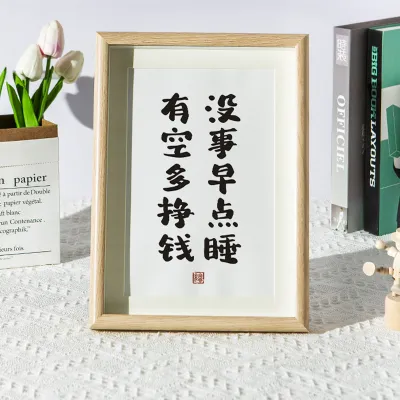
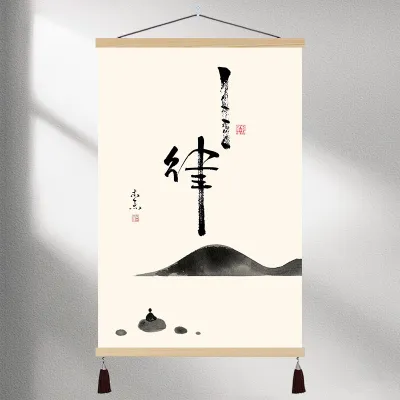
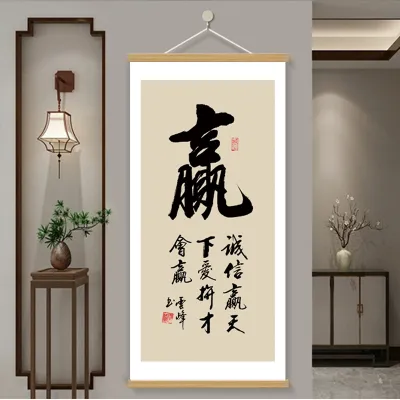
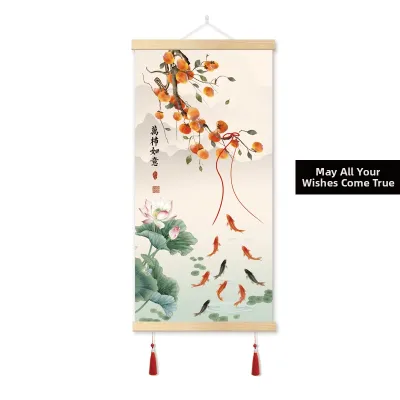
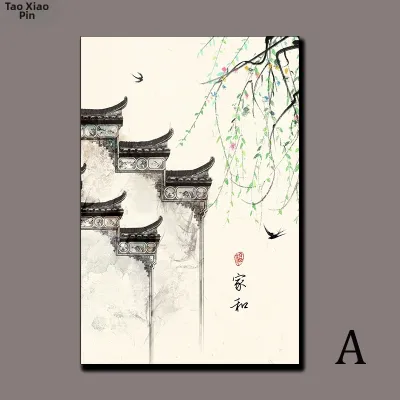
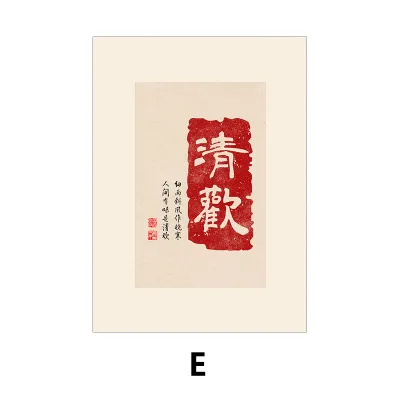
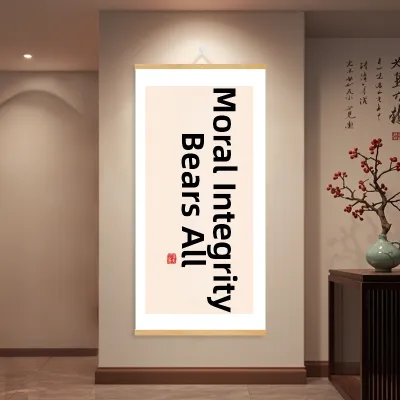
Prices are valid at publication and may change. Please refer to the product page for the latest price.
While classical art history separates these techniques strictly, modern wall art often blends them. Many contemporary prints and paintings use traditional brushwork to depict modern subjects, or apply modern color palettes to ancient compositions. Recognizing the foundational styles—ink wash, Gongbi, and modern fusion—is the first step in finding the right artwork for your walls.
Traditional Ink Wash (Shuimo)
Traditional ink wash painting, known as shuimo, is a defining style of classical Chinese art. Utilizing black ink in various concentrations, artists paint on highly absorbent rice paper or silk. The technique relies on the mastery of brush control and water dilution, allowing a single color to express a full spectrum of tones, depth, and texture. This style is deeply rooted in philosophical traditions that emphasize the spirit and essence of a subject rather than its literal, photographic representation.
The subject matter of ink wash paintings typically revolves around the natural world. You will frequently encounter sweeping mountain landscapes, delicate bamboo stalks, plum blossoms, wild orchids, and rushing water. These elements are not merely decorative; they carry symbolic meanings of resilience, purity, and harmony with nature. The deliberate use of negative space, or liubai, is a defining feature, leaving large areas of the canvas blank to represent mist, sky, or water, which invites the viewer’s mind to wander and complete the scene.
In home decor, ink wash paintings excel at creating a tranquil, meditative atmosphere. Their minimalist color palette and soft, flowing lines make them highly suited for bedrooms, study rooms, or dedicated relaxation spaces. Because these paintings rely heavily on subtle gradients and negative space, they pair beautifully with soft, diffused lighting. When hanging an ink wash piece, avoid harsh, direct spotlights that can wash out the delicate grey tones, and instead opt for warm, indirect illumination that respects the painting’s quiet character.
Meticulous Brushwork (Gongbi)
In stark contrast to the expressive freedom of ink wash, Gongbi is a highly disciplined, meticulous style characterized by precise, fine-line brushwork and vibrant, layered colors. Historically favored by the imperial courts, Gongbi paintings require great patience and technical mastery. The artist first outlines the subjects with extremely thin, uniform ink lines using a specialized fine brush, then gradually builds up color by applying multiple thin washes of mineral pigments, resulting in a rich, luminous, and highly detailed finish.
Typical motifs in Gongbi art include elegant court figures, detailed birds among flowering branches, koi fish swimming in clear ponds, and intricate botanical studies. Every feather, petal, and fold of fabric is rendered with high accuracy, making these paintings a feast for the eyes. The colors used are often rich and saturated, derived from natural minerals and plants, which gives the artwork a distinct classical elegance and a sense of luxury.
Gongbi wall art is ideal for homeowners who appreciate intricate craftsmanship and want to make a sophisticated, classical statement. These pieces work wonderfully in formal dining rooms, entryways, or living rooms where guests can appreciate the fine details up close. Because of the intense detail and color, Gongbi paintings benefit from precise framing. A rigid frame with a clean, neutral mat board helps contain the busy composition, while UV-protective glass is highly recommended to prevent the delicate mineral pigments from fading under ambient light.
Modern Fusion and Contemporary Interpretations
For homes with highly modern, minimalist, or eclectic interiors, contemporary Chinese art offers an exciting bridge between heritage and modern design. Modern fusion pieces reinterpret classical motifs—such as calligraphy, traditional landscapes, or symbolic animals—using contemporary techniques, bold color palettes, and mixed media. This style allows you to honor cultural roots while maintaining a sleek, up-to-date aesthetic that matches modern furniture and architectural lines.
Contemporary artists often experiment with scale, abstraction, and materials. You might find a traditional landscape rendered in neon acrylics, a classic ink wash composition printed on textured canvas, or calligraphic strokes integrated into abstract geometric patterns. Some artists use mixed media, combining gold leaf, digital printing, and hand-painted details to create textured, multi-dimensional wall art that interacts dynamically with the room’s lighting.
These modern interpretations are highly versatile and serve as excellent focal points in living rooms, open-plan spaces, or modern offices. They can tie together disparate design elements, such as pairing a sleek mid-century modern sofa with a bold, abstract Chinese landscape. When styling contemporary Chinese art, you have more freedom with framing; minimalist black, white, or metallic frames work exceptionally well, allowing the artwork’s bold colors and innovative compositions to stand out without being overshadowed by heavy, traditional wooden frames.
How to Match Chinese Paintings with Your Interior Design
Integrating Chinese wall art into your home requires a thoughtful approach to balance, color, and scale. A common misconception is that traditional Chinese art only belongs in homes with classical, dark-wood Chinese furniture. In reality, these artworks can create compelling visual dialogues when paired with various interior design styles, provided you pay attention to how the piece interacts with the surrounding furniture and architectural elements.

If your home features classical Chinese furniture—such as rosewood chairs, console tables, or lattice screens—traditional ink wash or Gongbi paintings will naturally complement the space. To avoid a heavy or dated look, balance the dark, dense wood of the furniture with the light, airy negative space of an ink wash painting. Conversely, if your home is styled in a modern minimalist, Scandinavian, or Japandi aesthetic, a single, large-scale ink wash painting or a modern fusion piece can serve as a strong anchor, reinforcing the clean lines and natural materials of the room without cluttering the visual field.
Color coordination is another critical factor. Traditional Chinese paintings often use muted, earthy tones, mineral blues and greens, or simple black and white. When selecting a piece, look for accent colors within the artwork that can connect with your room’s existing textiles, such as cushions, rugs, or curtains. For instance, a Gongbi painting featuring soft pink lotus blossoms can be echoed by subtle pink accents in your living room decor, creating a cohesive, curated feel throughout the space.
Scale and proportion dictate how the artwork sits within the room. A painting that is too small will look lost on a large wall, while an oversized piece can overwhelm a compact space. When hanging art above a major furniture piece, such as a sofa or a bed, aim for the artwork to span approximately two-thirds to three-quarters of the furniture’s width. For narrow spaces like hallways or entryways, vertical hanging scrolls or a series of smaller, coordinated framed prints can guide the eye upward, making the space feel taller and more inviting.
Key Factors to Check Before Buying Chinese Wall Art
Purchasing Chinese wall art requires careful evaluation to ensure you receive a piece that matches your expectations, budget, and environmental conditions. Because the market ranges from high-end original paintings to mass-produced digital prints, knowing what to look for will help you make a confident investment. Here is a practical checklist of key factors to verify before making your purchase.
First, determine the production method of the artwork. Original hand-painted works carry the unique texture of the brushstrokes, the natural absorption of the ink, and the artist’s personal touch, making them highly valuable but also more delicate and expensive. Limited edition prints, often produced using high-quality giclée printing on fine art paper or canvas, offer a great balance of detail, color accuracy, and affordability. Mass-produced prints are widely available on online marketplaces, but they may lack the depth, texture, and longevity of professional prints, so it is essential to check the seller’s specifications regarding print resolution and ink quality.
Second, examine the substrate material, which is the surface on which the art is created. Traditional Chinese paintings are typically executed on rice paper, known as xuan paper, or silk. While these materials offer an authentic texture and beautiful ink absorption, they are highly sensitive to environmental factors, particularly humidity. If you live in a tropical climate like Singapore, raw paper and silk can warp, mold, or discolor if not properly protected. For high-humidity environments, high-grade canvas prints or framed works sealed behind protective barriers are often more durable and easier to maintain over time.
Third, evaluate the mounting and framing options. Traditional Chinese paintings are often mounted as hanging scrolls, which are backed with silk and weighted at the bottom with a wooden rod. While scrolls offer a classic, flexible display method, they are exposed to the air and are susceptible to dust, moisture, and physical creasing. Rigid framing, on the other hand, provides superior protection. When opting for a framed piece, check if the frame uses acid-free matting to prevent the paper from yellowing, and verify if the glass or acrylic panel offers UV protection to shield the pigments from sunlight damage.
Additionally, consider the physical installation requirements of your chosen piece. Hanging heavy, large-format frames or long scroll paintings requires secure wall anchors and appropriate load-rated hardware. If you are mounting art at height or installing integrated picture lighting that requires fixed electrical wiring, always isolate the power source before beginning work, follow the manufacturer’s installation instructions, and consult a qualified professional to ensure safety and compliance with local building standards.
Finally, verify seller transparency and documentation. If you are purchasing an original painting or a vintage piece, ask the seller for information regarding the artist’s background, the creation period, and a detailed condition report. Reputable galleries and specialized art dealers should be able to provide details about the materials used and instructions for care. For contemporary prints, ensure the seller clearly states the printing technology, paper weight, and whether the piece comes ready to hang, helping you avoid unexpected framing costs later.
Frequently Asked Questions (FAQ)
How do I protect Chinese paintings from humidity and sunlight?
To preserve the delicate paper, silk, and pigments of Chinese wall art, environmental control is essential. Avoid hanging original paintings or unmounted scrolls in high-humidity areas such as bathrooms, kitchens, or directly opposite air conditioning vents where rapid temperature fluctuations occur. Direct sunlight is another major hazard, as ultraviolet rays will quickly fade traditional mineral pigments and cause rice paper to become brittle and yellow.
For framed artworks, always use UV-filtering glass or acrylic to block harmful light rays, and ensure the artwork is mounted using acid-free, archival-quality mat boards. This prevents harmful acids from leaching into the painting over time. If you display unmounted scroll paintings, it is wise to rotate them seasonally, storing them rolled up in dry, airtight wooden boxes when not in use, which protects them from dust, insects, and prolonged exposure to ambient moisture.
What is the difference between a mounted scroll and a framed Chinese painting?
The primary difference lies in their structure, presentation, and level of protection. A traditional hanging scroll is a flexible, rollable format where the painting is mounted onto a backing of paper and decorative silk borders. This allows the artwork to be easily stored, transported, and rotated. Scrolls have a distinct, flowing aesthetic that adds movement and classical charm to a room, but they remain completely exposed to dust, humidity, and physical contact, requiring careful handling and a stable indoor climate.
A framed Chinese painting, by contrast, secures the artwork within a rigid wooden or metal frame behind a protective sheet of glass or acrylic. This modern presentation style offers robust protection against environmental hazards and physical damage, making it highly practical for busy households or humid climates. Framed pieces provide a clean, structured look that integrates seamlessly with contemporary interior designs, though they lack the traditional portability and soft, textile-like drape of a hanging scroll.

Community discussion
Share your experience or ask a question. Comments are reviewed before publication.