
Finding the perfect lighting for a Japandi-style home in Singapore requires balancing functional brightness with a calm, minimalist aesthetic. The Japandi design philosophy—a harmonious blend of Japanese wabi-sabi and Scandinavian hygge—emphasizes natural textures, clean lines, and a warm, uncluttered atmosphere. A 48W LED pendant light is an excellent choice for this style, offering substantial illumination that can easily serve as the primary light source for a dining area, kitchen island, or living room. However, because 48 watts of LED power produces a high volume of light, selecting the wrong fixture can easily result in a space that feels sterile or overly bright, disrupting the very tranquility you want to create.
To successfully integrate a 48W LED pendant light into your home, you must look beyond basic aesthetics. You need to evaluate how the light is diffused, how the materials interact with Singapore’s humid climate, and how the fixture complies with local electrical safety standards. This guide provides a comprehensive framework to help you identify authentic design elements, verify technical specifications, plan correct proportions, and ensure a safe, professional installation.
Identifying Authentic Japandi Design Elements
The core of Japandi style lies in its appreciation for organic textures, simplicity, and functional craftsmanship. When shopping for a pendant light, the materials used in the fixture’s construction will dictate how well it fits into your interior. Look for natural, tactile materials that bring warmth to the space. Light-toned woods such as white oak, ash, beech, or maple are staple elements that echo Scandinavian design. Woven materials like rattan, bamboo, and seagrass introduce a rustic, artisanal quality that aligns with Japanese wabi-sabi. Washi paper or high-quality textured fabric shades are also excellent choices, as they naturally soften the light and add a delicate, organic layer to the room.
Products mentioned in this guide
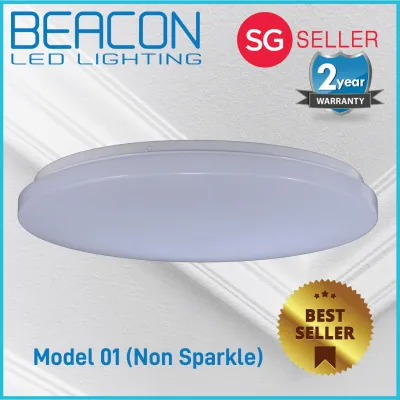
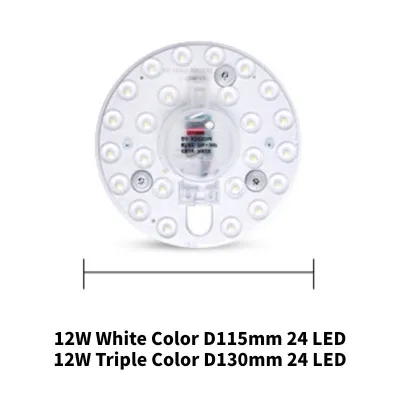
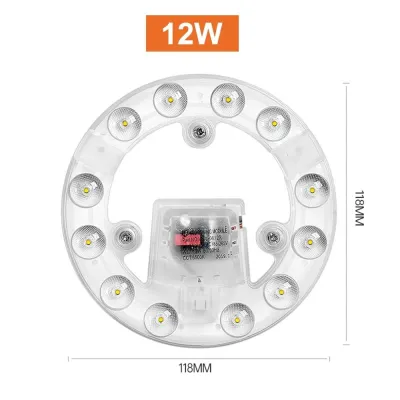
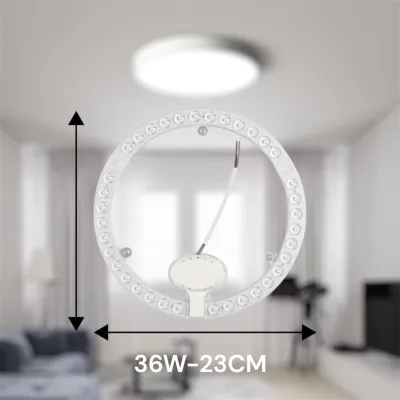
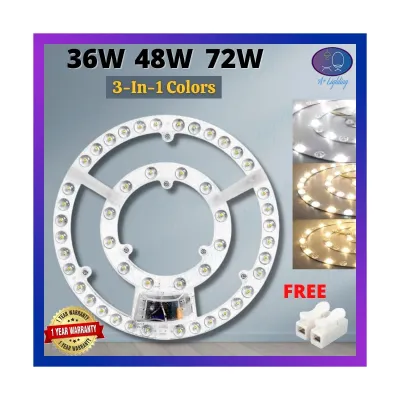
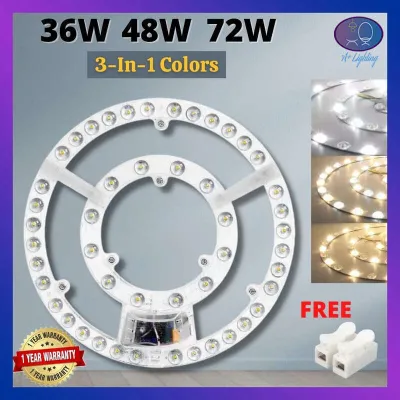
Prices are valid at publication and may change. Please refer to the product page for the latest price.
In addition to natural materials, the form and silhouette of the pendant light must maintain visual calmness. Avoid overly complex shapes, intricate metalwork, or industrial fixtures with exposed pipes and heavy chains. Instead, prioritize clean geometric lines, soft organic curves, and low-profile designs. A wide, shallow dome, a simple linear bar, or a soft spherical pendant can anchor a room without creating visual clutter. The goal is to find a fixture that feels grounded and balanced, serving as a quiet focal point rather than a loud statement piece.
The color palette and finishes of the fixture should remain understated and earthy. Muted neutrals such as beige, sand, cream, charcoal, and soft off-white are ideal. If the fixture incorporates metal elements, opt for matte or brushed finishes—such as matte black, brushed brass, or satin nickel—rather than high-gloss chrome or polished gold. These non-reflective surfaces absorb and diffuse light gently, preventing harsh reflections that can disrupt the serene, cozy atmosphere of a Japandi home.
Matching 48W LED Specifications to Japandi Ambience
A 48W LED light is highly efficient and capable of producing substantial brightness, which is equivalent to the output of multiple traditional incandescent bulbs. Because this is a significant amount of light, you must carefully manage the optical specifications to ensure the output remains warm and inviting. The first parameter to verify is the color temperature. For a Japandi interior, warm white light is essential. Aim for a color temperature between 2700K and 3000K. This warm spectrum enhances the natural tones of wooden furniture, highlights the texture of woven fabrics, and creates a relaxing, sunset-like glow. Avoid cool white (4000K) or daylight (6000K) spectrums, as they can make natural wood look grey and strip the space of its cozy, organic feel.

Another critical specification is the Color Rendering Index (CRI). The CRI measures how accurately a light source reveals the true colors of objects compared to natural sunlight. For a Japandi home, where subtle wood grains, earthy paint tones, and textured fabrics define the space, a high CRI is vital. Look for a pendant light with a CRI rating of 90 or higher. A high CRI ensures that your carefully selected interior finishes look rich, natural, and true to life under artificial light.
Given the high brightness of a 48W LED, glare control is paramount. Direct exposure to bare LED chips can cause eye strain and ruin the peaceful ambiance of your room. Choose fixtures that feature integrated frosted acrylic diffusers, deep-set LED modules, or shades that completely enclose the light source. These design features scatter the light rays, transforming a powerful 48W output into a soft, even glow that fills the room without casting harsh shadows or creating uncomfortable glare.
Finally, you must verify the electrical compatibility and safety of the fixture. Singapore’s electrical grid operates at a standard voltage of 230V and a frequency of 50Hz. Ensure that the integrated LED driver of your chosen pendant light is rated for this voltage range. Additionally, look for the Safety Mark on the product packaging or the driver itself. The Safety Mark, registered under the Consumer Protection Scheme in Singapore, indicates that the electrical components have been tested and certified safe for local use, reducing the risk of short circuits, electrical fires, or premature driver failure.
Planning Proportions and Hanging Heights
Achieving visual harmony in a Japandi interior requires careful attention to spatial proportions. A pendant light that is too large can overwhelm a room, while one that is too small will look lost and fail to provide adequate localized light. If you are hanging the 48W pendant light over a dining table or a kitchen island, a reliable rule of thumb is to choose a fixture with a diameter that is approximately one-half to two-thirds the width of the table. For example, if your dining table is 90 centimeters wide, a pendant light with a diameter of 45 to 60 centimeters will look beautifully balanced.
The height at which you suspend the pendant light is equally important. For dining tables and kitchen counters, the bottom of the fixture should typically hang between 75 and 90 centimeters above the tabletop. This height is low enough to create an intimate, focused pool of light over your meals or prep area, yet high enough to keep the fixture out of your direct line of sight when sitting across from someone. If you are installing a linear 48W pendant light over a long island, ensure it is centered perfectly and hung at a consistent height to maintain clean, symmetrical lines.
In living rooms or bedrooms, where people walk underneath the fixture, you must prioritize head clearance. In Singapore, standard HDB flat ceilings are typically around 2.6 meters high, while some condominiums and landed properties may have higher ceilings. For high-traffic areas, ensure there is a minimum clearance of 2.1 meters from the floor to the bottom of the pendant light. If your ceiling is on the lower side, look for low-profile or semi-flush pendant designs that offer the aesthetic of a hanging light without encroaching on your physical space. Always measure your ceiling height and furniture dimensions before purchasing to avoid a cramped or awkward layout.
Verifying Dimming, Wiring, and Installation Safety
Because a 48W LED pendant light delivers a substantial amount of light, having the ability to adjust the brightness is highly beneficial. Dimming allows you to transition your space from a bright, functional workspace during the day to a soft, relaxing sanctuary in the evening. However, dimming LEDs is more complex than dimming traditional bulbs. You must confirm whether the integrated LED driver in the pendant light is dimmable and what type of dimming protocol it supports. Common residential dimming methods in Singapore include TRIAC (phase-cut) dimming and smart dimming systems. If you plan to connect the light to a smart home system or an existing wall dimmer, verify compatibility with the retailer to prevent issues like flickering, buzzing, or a limited dimming range.
The physical installation of a pendant light also requires careful structural assessment. A 48W pendant light, especially one constructed with solid wood, metal frames, or heavy glass diffusers, can carry significant weight. Before installation, evaluate your ceiling structure. Concrete ceilings, which are standard in most Singapore HDB flats, offer robust support but require high-quality masonry wall plugs and screws to secure the mounting bracket. If you have a false ceiling, you must never mount a heavy pendant light directly to the plasterboard. Instead, the fixture must be anchored to the concrete slab above using threaded rods, or the false ceiling must be structurally reinforced with a timber or metal support frame.
Electrical safety should always be your top priority. Before beginning any installation or maintenance work, ensure that the main power supply is switched off at your home’s distribution board (DB box). While simple bulb replacements can be done safely by homeowners, installing a new fixed-wire pendant light, modifying junction boxes, or working on complex wiring systems requires professional expertise. In Singapore, it is highly recommended to hire a Licensed Electrical Worker (LEW) registered with the Energy Market Authority (EMA). A professional electrician will ensure that the wiring is safely connected, the fixture is properly grounded, and the installation complies with local electrical codes.
Building a Reliable Shortlist with Retailers
When you are ready to shop for your Japandi-style pendant light, visiting physical showrooms or browsing reputable online lighting retailers in Singapore is the next step. To make an informed decision, do not rely solely on attractive product photos or generic marketing descriptions. Prepare a list of specific questions to ask the retailer to verify the quality and suitability of the fixture.
First, request the detailed technical specification sheet for the pendant light. This document should clearly state the exact lumen output, the Color Rendering Index (CRI), the beam angle, and the brand of the integrated LED driver. High-quality fixtures often use reliable driver brands, which are known for their longevity and stable performance. Knowing these technical details ensures you are paying for a durable product rather than just a stylish exterior.
Second, inquire about the durability of the materials in relation to Singapore’s tropical climate. High humidity can cause untreated wood to warp or mold, and can lead to rust on poorly coated metal components. Ask the retailer if the wooden elements have been treated with protective, moisture-resistant sealants and if the metal parts feature rust-resistant matte powder coatings. For shades made of natural fibers like rattan or paper, ask about the recommended cleaning methods to keep them free of dust and moisture buildup over time.
Finally, clarify the warranty terms and after-sales support. Because integrated LED pendant lights do not use standard screw-in bulbs, replacing a failed LED module or driver requires specific parts. A reputable retailer should offer a clear warranty—ideally between 1 and 3 years—covering both the LED light engine and the driver. Confirm whether they stock replacement drivers and if they offer repair services after the warranty period expires, ensuring your beautiful Japandi fixture remains a functional part of your home for years to come.
Frequently Asked Questions (FAQ)
Can I use a 48W LED pendant light as the main light source in a large room?
While a 48W LED pendant light provides an impressive amount of brightness—often sufficient to illuminate a medium-sized dining or living area—relying on a single overhead light source is not recommended for a true Japandi interior. A single powerful light can create harsh shadows and a sterile atmosphere. To achieve the warm, layered look characteristic of Japandi design, combine your pendant light with secondary light sources. Use warm recessed spotlights to highlight specific walls, a minimalist floor lamp next to your sofa, or a soft table lamp on a sideboard. This layering of light allows you to adjust the mood and ensures the room is evenly illuminated without relying on a single, overly bright fixture.
Are natural materials like rattan or paper safe for LED pendant lights?
Yes, natural materials like rattan, bamboo, and paper are highly safe when paired with LED technology. Unlike traditional incandescent or halogen bulbs, which generate a significant amount of heat, LEDs are highly efficient and emit very little forward heat. This low operating temperature drastically reduces the risk of scorching or igniting delicate natural shades. However, it is still essential to ensure that the fixture is designed with proper ventilation to allow heat from the LED driver to dissipate safely. Always verify that the fixture has passed local safety certifications and follow the manufacturer’s instructions regarding maximum wattage limits and safe clearance distances between the light source and the shade.
Community discussion
Share your experience or ask a question. Comments are reviewed before publication.