
Selecting a brass lion statue for your home involves navigating a rich tapestry of global history, artistic expression, and symbolic meaning. From the stylized, protective gaze of Chinese guardian lions to the proud, realistic posture of European heraldic figures, these metal sculptures serve as powerful focal points in any interior design. Finding the right piece for your living space requires balancing spatial harmony, your willingness to maintain the metal’s finish, and your personal cultural resonance with the statue’s historical background.
Identifying the Major Cultural Styles of Brass Lions
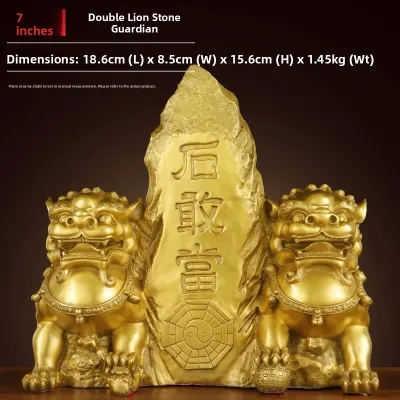
To choose the right brass lion for your home, it is essential to understand the distinct visual characteristics and historical contexts of the major cultural traditions. The most prominent style found in decorative arts is the Chinese guardian lion, historically referred to as “Shi” and often known colloquially in Western contexts as Foo Dogs. These statues are traditionally displayed in pairs to represent yin and yang. The male lion is depicted resting his paw on an ornamental ball, which symbolizes structural authority and protection of the external environment. The female lion is shown cradling a single cub under her paw, representing nurture, growth, and the protection of the household’s interior. Visually, Chinese guardian lions feature highly stylized, tightly curled manes, wide-open or partially closed mouths, and ornate collars adorned with bells or tassels.
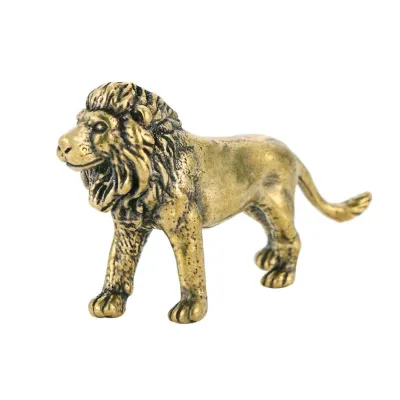
In contrast, European heraldic lions emphasize anatomical realism and dynamic movement. Drawing inspiration from medieval coats of arms and classical Roman sculpture, these brass figures showcase defined musculature, flowing, lifelike manes, and expressive facial features. They are typically cast in specific symbolic postures, such as rampant (rearing on the hind legs to signify strength), passant (walking forward with one front paw raised to denote courage), or couchant (lying down with the head raised, representing watchful guardianship). European-style brass lions often incorporate architectural elements, such as integrated stone-look plinths, shields, or royal crests, making them highly suited for formal, classical, or academic decor themes.
Products mentioned in this guide
Prices are valid at publication and may change. Please refer to the product page for the latest price.
Beyond these two dominant traditions, South Asian and Southeast Asian brass lions offer a distinct aesthetic rooted in spiritual and religious motifs. In Indian art, the lion (Simha) is closely associated with divinity, strength, and royalty, often depicted with an elongated body, highly decorative jewelry-like carvings around the neck, and a seated, upright posture. Similarly, Southeast Asian variations, such as those inspired by Cambodian or Thai temple guardians, feature elaborate, flame-like ornamental details along the spine and limbs. These statues carry deep spiritual significance and are designed to harmonize with traditional Eastern architecture and meditative spaces.
Because modern reproductions can sometimes blend these distinct styles, you should always verify the cultural origin and casting method of a statue through manufacturer descriptions, artisan labels, or importer documentation. Relying solely on visual assumptions can lead to purchasing hybrid pieces that may lack the specific symbolic authenticity you desire for your collection.
Assessing Your Space and Decor Compatibility
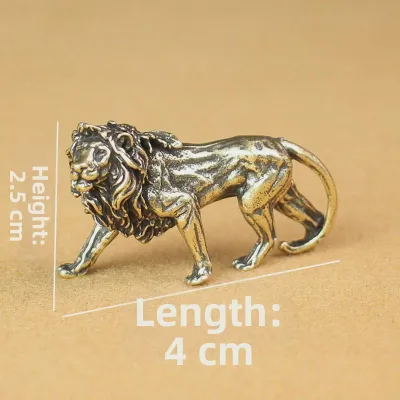
Integrating a brass lion statue into your home requires a careful evaluation of your physical environment to ensure the piece complements, rather than cluttering, your existing decor. Spatial proportion is the first critical factor to consider. A large, heavy brass statue can easily overwhelm a compact entryway console or a delicate glass shelf. In urban living environments, such as apartments in Singapore, space must be managed thoughtfully. A smaller tabletop brass lion, measuring between 15 and 20 centimeters in height, can serve as a sophisticated accent on a study desk or bookshelf without dominating the room. Conversely, for spacious landed properties or homes with grand foyers, a pair of substantial, floor-standing guardian lions can frame an entrance beautifully, establishing a sense of balance and presence.

The style of the statue should also align with your interior design theme. Traditional, highly detailed brass lions pair naturally with classic, colonial, or eclectic interiors, where their warm metallic tones complement dark wood furniture, rich textiles, and antique accessories. If your home features a sleek, modern, or minimalist aesthetic, a highly ornate traditional statue might create visual friction. Instead, look for stylized or abstract interpretations of the lion motif. These contemporary designs simplify the form of the lion into clean lines and geometric planes while retaining the reflective warmth of the brass metal, allowing the piece to integrate smoothly into a modern space.
Environmental factors must also guide your placement decisions. Brass is an alloy of copper and zinc, which reacts naturally to moisture and oxygen in the air. In tropical climates with high humidity, such as Singapore, brass items placed outdoors, on open balconies, or near frequently opened windows will oxidize rapidly. This process leads to the development of a dark brown or greenish patina over time. If you prefer the bright, reflective, gold-like appearance of polished brass, keep the statue in an air-conditioned, low-humidity indoor environment. If you appreciate the weathered, antique look of aged metal, outdoor placement on a patio or garden pedestal will accelerate this natural transformation.
Decision Checklist: Is a Brass Lion Right for Your Home?
Before purchasing a brass lion statue, reviewing a practical checklist can help you confirm that the piece aligns with your lifestyle, maintenance preferences, and structural setup.
- Patina Preference: Decide whether you are willing to perform regular maintenance to keep the brass shiny, or if you prefer to let it age naturally. Maintaining a bright, mirror-like finish requires periodic polishing with specialized brass cleaners and soft cloths. If you prefer a low-maintenance option, choosing a lacquered brass statue or allowing a natural, dark patina to develop over time is a more practical path.
- Weight and Structural Limits: Solid brass is exceptionally dense and heavy. Before placing a medium-to-large statue on a floating shelf, glass-topped table, or wooden mantelpiece, verify the load-bearing capacity of the surface. Placing a heavy metal object on an unstable or weak support poses a significant safety risk to your furniture and household members.
- Cultural Resonance: Ensure that the symbolic meaning of the specific lion style you choose aligns with your personal values and household traditions. For example, if you choose Chinese guardian lions, you should be prepared to follow traditional placement guidelines—such as placing the male on the right and the female on the left as you look outward from the entrance—to respect the cultural heritage associated with the art form.
- Budget and Authenticity: Handcrafted, sand-cast brass statues carry unique character, subtle surface variations, and a substantial weight that mass-produced, brass-plated resin or zinc alloy alternatives cannot replicate. Review the product specifications carefully to confirm whether the item is solid brass or a plated material, as this directly impacts the long-term durability, weight, and value of the piece.
Care, Placement, and Safety Guidelines
Proper handling and maintenance are essential to preserve the beauty of your brass lion statue and ensure it remains a safe addition to your home. For routine cleaning, rely on gentle dusting with a dry, soft microfiber cloth to remove dust from the intricate crevices of the lion’s mane and paws. Avoid using harsh chemical household cleaners, abrasive scrubbing pads, or acidic solutions like vinegar or lemon juice, as these can permanently strip away protective factory lacquers or scratch the metal surface. Always refer to the manufacturer’s specific care instructions before applying any cleaning agents.
To secure heavy brass statues on smooth surfaces—such as polished marble, glass, or varnished wood—apply museum wax or high-quality non-slip silicone pads to the underside of the base. This simple precaution prevents the statue from sliding, scratching your furniture, or tipping over if accidentally bumped, which is especially important in households with active pets or young children.
If you plan to display your brass lion outdoors in a garden or on a patio, ensure it is placed on a stable, level concrete, stone, or tiled base. Placing a heavy metal statue directly on soil or grass can cause it to sink unevenly over time. This direct contact with wet ground traps moisture underneath the base, accelerating uneven corrosion and potentially damaging the structural integrity of the statue’s foundation.
Frequently Asked Questions (FAQ)
Do brass lion statues require special maintenance?
Brass lion statues do not require intensive maintenance unless you wish to maintain a highly polished, bright gold-like finish. For general upkeep, regular dusting with a soft, dry cloth is sufficient to prevent dirt buildup. If the statue develops a natural patina, this is simply a harmless layer of surface oxidation that actually protects the underlying metal from deep corrosion. If you own a valuable antique or a highly detailed handcrafted piece, consult the manufacturer or a professional art conservator before applying any commercial metal polishes, as improper chemical treatments can permanently alter the finish and reduce the value of the artifact.
Can I mix different cultural styles of lion statues in one room?
You can successfully mix different cultural styles of lion statues in a single room by establishing a sense of visual cohesion. To prevent the space from feeling cluttered or disjointed, use unifying design elements to tie the pieces together. For instance, choose statues that share a similar brass finish, maintain a consistent scale, or place them symmetrically on opposite sides of the room. This deliberate arrangement creates a curated, gallery-like atmosphere that celebrates diverse cultural traditions while maintaining a balanced and harmonious home aesthetic.
Community discussion
Share your experience or ask a question. Comments are reviewed before publication.