
Selecting a Buddha altar cabinet is a deeply personal and practical decision. In Singapore, where modern high-rise living meets cherished spiritual traditions, finding the ideal cabinet requires balancing sacred requirements with physical constraints. To make an informed choice, you must evaluate several core dimensions: material durability under high tropical humidity, spatial footprint and structural weight limits, ventilation and fire safety for incense burning, door styles for dust control, and electrical safety for integrated lighting.
By carefully assessing these factors, you can establish a serene, safe, and enduring space for daily devotion that harmonizes with your home’s layout. A well-chosen altar not only respects traditional practices but also integrates seamlessly into your modern living environment. Taking the time to understand these specifications prevents future maintenance issues and ensures your sacred space remains beautiful and secure for years to come.
Evaluating Materials for Durability and Aesthetics
The choice of material determines not only the visual dignity of your altar but also its longevity in Singapore’s tropical environment, where relative humidity often exceeds 80%. Solid hardwoods, such as teak and rosewood, are highly favored for traditional altars. Teak contains natural oils that repel moisture and resist termites, making it exceptionally stable and less prone to warping, cracking, or rotting over decades of service. Rosewood offers high density and a rich, dark grain that projects a solemn aesthetic, though it is heavier and generally requires a larger budget.
Products mentioned in this guide
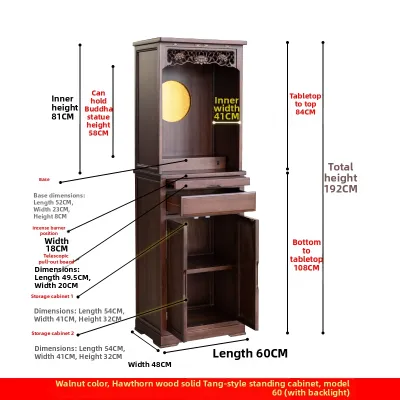
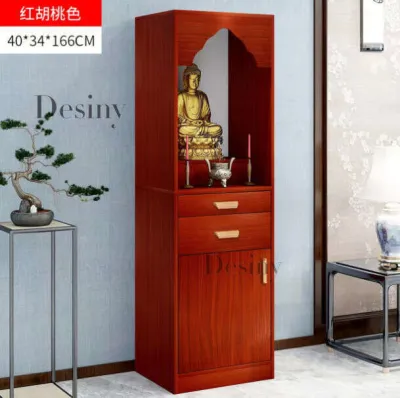
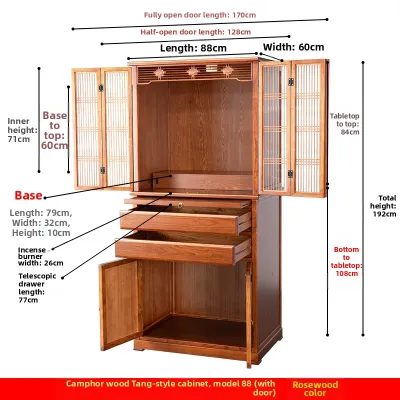
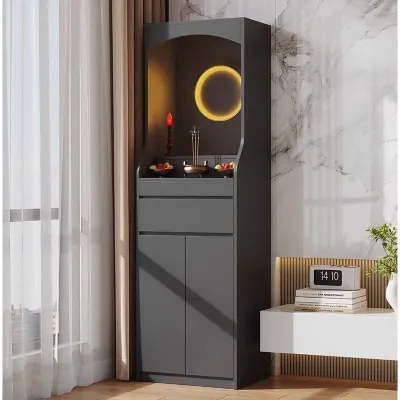
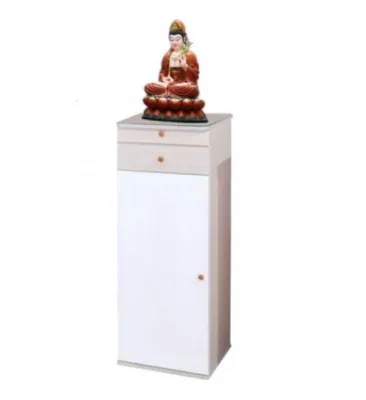
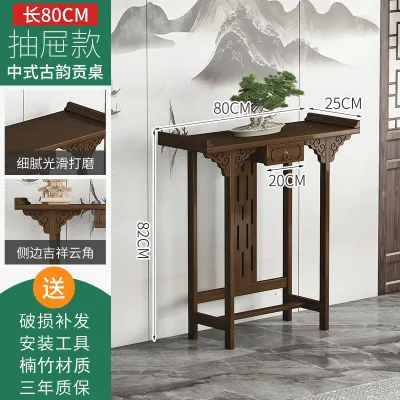
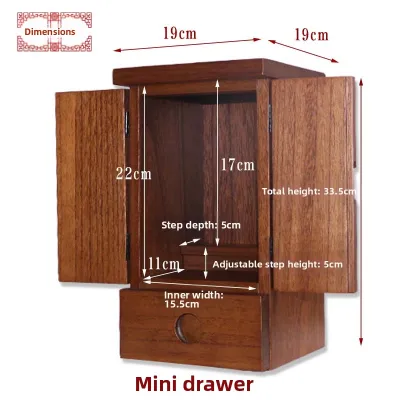
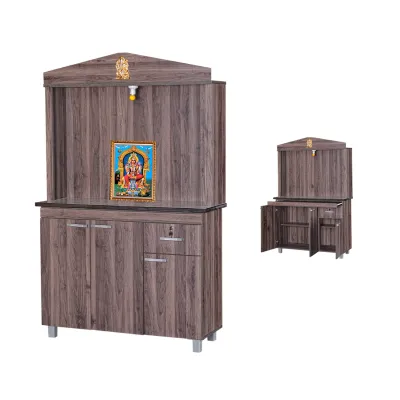
Prices are valid at publication and may change. Please refer to the product page for the latest price.
Conversely, engineered woods like Medium-Density Fibreboard (MDF) and plywood are common in modern, budget-friendly, or minimalist wall-mounted altars. Plywood, particularly marine-grade or high-quality multi-layered veneers, offers decent structural stability and resistance to sagging. MDF allows for clean, seamless paint finishes and modern geometric cuts, but it is highly susceptible to moisture absorption. In humid climates, untreated or poorly sealed MDF can swell, blister, and lose structural integrity over time. If you opt for an engineered wood altar cabinet, verify with the manufacturer that all edges are fully sealed and edge-banded to prevent moisture ingress.
Beyond the core material, the surface finish is critical, especially since the cabinet will be exposed to heat and soot from incense or candles. Always check the product labels or consult the manufacturer to ensure the cabinet is treated with heat-resistant, non-toxic lacquers or flame-retardant coatings. Standard chemical varnishes may emit volatile organic compounds (VOCs) when heated by nearby flames or hot ash, which compromises indoor air quality. A high-quality, heat-resistant finish prevents the wood from scorching, discoloration, or bubbling, ensuring the surface remains easy to wipe clean.
Your material choice also dictates the aesthetic integration of the altar within your home. Intricately carved solid wood cabinets evoke a classic, temple-like atmosphere that suits traditional interior themes. Modern finishes, such as matte laminates, fluted wood panels, or neutral-toned veneers, allow the altar to blend seamlessly with contemporary Scandinavian, minimalist, or industrial home designs.
Sizing and Design for HDB and Condo Spaces
With the compact floor plans of modern HDB flats and executive condominiums, spatial planning is a vital step before purchasing an altar cabinet. You must measure your allocated space with precision, accounting for not only the cabinet’s static footprint but also the clearance required for doors to open fully and for you to stand or kneel comfortably during prayers. For tight hallways or multi-functional living areas, wall-mounted altars are excellent space-savers, keeping the floor clear. Floor-standing cabinets, on the other hand, offer dedicated storage drawers for prayer supplies, but they require a permanent, unobstructed floor area.

Height is a crucial traditional consideration when placing a Buddha statue. Culturally, the main deity should be positioned at a respectful, elevated level—typically above waist height, with the Buddha’s eyes ideally resting higher than chest level when you are standing. When evaluating a cabinet, measure the height of the internal altar shelf rather than just the external cabinet height. Ensure that once the statue is placed on its pedestal, there is sufficient vertical clearance from the top of the statue to the cabinet ceiling to allow for comfortable viewing, cleaning, and safe placement of offering cups.
Weight capacity is another safety-critical factor that is frequently overlooked. Buddha statues crafted from heavy materials like solid brass, bronze, marble, jade, or dense solid wood can weigh anywhere from 5 kg to over 30 kg. Before purchasing, verify the manufacturer’s maximum shelf load limits. If you plan to mount the altar on a wall, you must determine the wall’s construction.
In Singapore, HDB internal walls can be solid concrete (structural walls) or hollow drywall partitions (often found in newer BTO flats). Wall-mounted altars must be anchored directly into concrete or solid masonry using heavy-duty expansion wall plugs. Never mount a heavy altar cabinet onto hollow drywall without locating the internal metal studs or using specialized heavy-duty toggle bolts, and always consult a qualified professional installer to ensure the structural load is safely supported.
Ventilation and Incense Smoke Management
Daily devotion often involves burning incense sticks, coils, or candles, which introduces heat, ash, and smoke into an enclosed indoor environment. Proper ventilation and smoke management are essential to maintain indoor air quality and prevent soot from staining your walls and ceilings. Altar cabinets with fully enclosed designs must have built-in ventilation gaps, slatted back panels, or open tops to allow heat and smoke to escape freely. Without adequate ventilation, trapped heat can damage the cabinet’s interior finish, and concentrated smoke will rapidly discolor the ceiling of the cabinet.
To protect your home’s walls and the cabinet itself from heat damage, look for models equipped with heat-resistant back panels or integrated metal heat shields. Stainless steel or tempered glass backings behind the incense burner area act as effective thermal barriers, preventing localized scorching and making it simple to wipe away oily soot deposits. If the cabinet does not come with a built-in shield, you can install an aftermarket tempered glass panel or a heat-resistant silicone mat on the pull-out tray where the incense burner sits.
Strategic placement of the cabinet within your room is key to managing airflow. Position the altar cabinet in a well-ventilated area, ideally near a window, to encourage natural air exchange. However, avoid placing it directly in a strong cross-draft or directly under an air conditioning vent, as sudden gusts of wind can blow hot incense ash onto nearby fabrics or cause the incense to burn unevenly. If natural ventilation is limited, placing a compact air purifier equipped with a True HEPA and activated carbon filter near the altar can significantly reduce airborne particulates and odors.
Fire safety boundaries must be strictly maintained. Ensure there is a minimum clearance of at least 1 meter between the top of active incense flames and any overhead structures, including curtains, suspended light fixtures, or plaster ceilings. Keep all flammable decorative items, such as artificial flowers, paper scrolls, and fabric table runners, well away from the open flame zone.
Door Styles and Daily Accessibility
The door configuration of your Buddha altar cabinet directly affects your daily ritual flow, maintenance schedule, and the preservation of the sacred space. Choosing the right style involves balancing ease of access with protection from the surrounding environment.
- Open-shelf designs: These provide immediate, unobstructed access to the altar, making daily offerings of water, fruit, and flowers incredibly convenient. They also offer the best natural airflow, preventing any heat or smoke buildup during incense burning. The primary trade-off is dust accumulation. Without a protective barrier, dust, pet dander, and airborne grease from nearby kitchens will settle on the statues and offering vessels, requiring frequent, delicate cleaning.
- Hinged glass doors: These offer excellent dust protection while keeping the sacred statues visible at all times. This setup is ideal for households with pets or young children, as it prevents accidental disturbance of the altar. However, hinged doors require significant outward swing clearance. Before choosing this style, ensure that when the doors are fully swung open, they do not block walkways or collide with adjacent furniture. Additionally, you must open the doors fully during incense burning to prevent smoke from clouding the glass and trapping intense heat inside.
- Sliding doors: These are highly efficient space-savers for narrow corridors or compact HDB living rooms, as they slide parallel to the cabinet frame without requiring external clearance. They provide clean aesthetics and reliable dust protection. The limitation of sliding doors is that they typically cover half of the cabinet opening at any given time. This can make deep cleaning, rearranging large statues, or placing wide offering trays somewhat restrictive.
- Folding or bi-fold doors: These represent a versatile compromise. They fold back compactly against the sides of the cabinet, offering a wide, unobstructed opening for prayers and maintenance while requiring much less front clearance than standard hinged doors. When closed, they completely seal the altar from dust and maintain a neat, uncluttered look in multi-purpose living spaces.
Recommended Buddha Altar Cabinet Types by Lifestyle
To narrow down your choices, match the cabinet type to your specific living arrangements, daily routines, and maintenance preferences.
Traditional Solid Wood Cabinets
This classic type is best suited for spacious homes, dedicated prayer rooms, or larger living areas where the altar serves as a prominent focal point. These cabinets are built from robust hardwoods like teak or rosewood, offering exceptional durability and the structural strength required to support large, heavy stone or brass statues. They often feature built-in pull-out trays for offerings and spacious lower drawers for storing prayer books and ritual accessories.
- Best for: Spacious homes, traditional aesthetics, and heavy statues.
- Limitations & Checks: Heavy footprint; requires monitoring of indoor humidity to prevent wood warping or cracking. Avoid placing these cabinets in direct sunlight or directly beneath air conditioning vents, as extreme temperature and humidity fluctuations can cause the wood to warp or develop hairline cracks over time.
Modern Minimalist Wall-Mounted Altars
Designed specifically for compact modern living, such as smaller HDB flats and studio condominiums, wall-mounted altars maximize floor space. These units feature clean lines, light wood veneers, or neutral paint finishes that blend effortlessly with contemporary interior design. They provide an elevated, respectful platform for smaller, lighter statues or sacred tablets without dominating the room.
- Best for: Compact condos, small HDB bedrooms, and blending with contemporary interior design.
- Limitations & Checks: Strict weight limits. Installation requires secure wall-anchoring into structural concrete walls or solid masonry studs using appropriate heavy-duty anchor bolts. Do not attempt to mount these units onto hollow gypsum board or drywall partitions without professional structural reinforcement, as they pose a severe falling hazard.
Glass-Enclosed Dust-Proof Cabinets
These cabinets are ideal for busy households, homes with active pets, or high-traffic living areas where dust and physical disturbance are constant concerns. The fully enclosed glass panels protect the delicate details of your statues from dust, grease, and pet hair, keeping the altar pristine with minimal daily dusting.
- Best for: High-traffic areas, homes with pets, and users seeking low-maintenance dust protection.
- Limitations & Checks: Requires frequent glass cleaning to remove fingerprints and suction marks. Because enclosed glass traps heat and smoke, these cabinets are not suitable for heavy, continuous incense burning inside the enclosure. If you burn incense daily, you must keep the doors fully open during the ritual or opt for flameless, electronic LED incense burners to prevent heat fracture of the glass panels.
Installation, Lighting, and Safety Checks
Setting up your Buddha altar cabinet safely involves careful attention to electrical systems, structural stability, and fire prevention. If your cabinet features integrated lighting, such as LED downlights or backlighting to illuminate the deity, electrical safety must be your top priority. In Singapore, ensure that any power adapters, LED drivers, and electrical plugs carry the Enterprise Singapore Safety Mark, which certifies they have been tested to meet local safety standards. Avoid daisy-chaining multiple extension outlets or overloading a single power strip with electronic incense burners, LED lights, and air purifiers. Ensure all wiring is neatly routed, secured, and kept away from hot surfaces or potential water spills from offering cups.
To prevent tipping hazards, particularly for tall, narrow floor-standing cabinets or top-heavy units, it is highly recommended to anchor the cabinet to the wall. Use heavy-duty L-brackets or anti-tip safety straps secured into the wall studs or concrete. This structural precaution is essential in households with children, elderly family members, or pets who might accidentally pull or bump against the cabinet.
Before finalizing the installation, complete a comprehensive pre-installation checklist:
- Voltage and Power: Verify that any integrated electrical components are compatible with Singapore's standard 230V voltage and 50Hz frequency.
- Power Isolation: Ensure the main wall outlet is easily accessible so you can isolate the power quickly in an emergency or when cleaning.
- Heat Clearances: Confirm there is a safe distance between the top of the cabinet and any ceiling fans, light fixtures, or air conditioning units.
- Manufacturer Instructions: Always check the applied product's label and the treated item's manufacturer instructions before applying any mounting brackets, adhesive LED strips, or protective coatings. If instructions conflict, the item is unidentified, or the use is not covered, stop and consult the manufacturer or a qualified professional installer.
Frequently Asked Questions (FAQ)
Can I place a Buddha altar cabinet in the bedroom?
Yes, you can place a Buddha altar cabinet in a bedroom if space constraints leave you with no other option, but you must follow respectful placement guidelines. Avoid positioning the altar directly facing the bed, and ensure it does not face bathroom doors or share a wall with a toilet. If the altar must share your sleeping space, choose a cabinet with closing doors (such as folding or sliding doors) or use a decorative screen or curtain to partition the altar during sleeping hours, maintaining a respectful boundary between sacred and personal spaces.
How do I clean and maintain a wooden Buddha altar?
To clean a wooden Buddha altar cabinet, use a soft, dry microfiber cloth to gently dust the surfaces and intricate carvings. Avoid using harsh chemical cleaners, abrasive polishes, or excessive water, as these can strip the protective lacquer, damage the wood grain, or cause the wood to swell. For stubborn soot or grease buildup near the incense area, check the manufacturer’s care instructions first; if permitted, use a slightly damp cloth with a mild, diluted pH-neutral soap, wipe the area gently, and immediately dry the surface with a clean towel to prevent moisture damage.
Community discussion
Share your experience or ask a question. Comments are reviewed before publication.