
Selecting the ideal buddha flower vase is an essential step in establishing a serene, respectful home altar. In Buddhist practice, offering fresh flowers symbolizes the beauty of life and the profound truth of impermanence. Because this daily ritual involves handling water, stems, and delicate vessels, the vase you choose must balance spiritual reverence with everyday practicality. The right vessel remains stable on your shelf, resists water damage in humid climates, matches the aesthetic of your sacred space, and simplifies your daily cleaning routine.
By focusing on key physical proportions, durable materials, respectful designs, and functional features, you can select a vessel that elevates your daily offerings and endures for years to come.
Assessing Your Altar Space for the Right Buddha Flower Vase Proportions
Before purchasing a buddha flower vase, you must carefully evaluate the physical dimensions of your altar. In many modern homes, particularly compact HDB apartments in Singapore, altar space is highly valuable and often limited. An oversized vase can crowd the shelf, while an undersized one may look insignificant next to a large Buddha statue.
Products mentioned in this guide
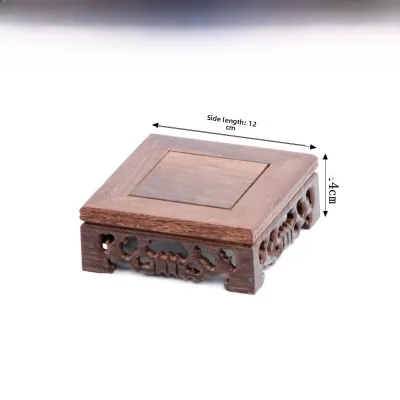
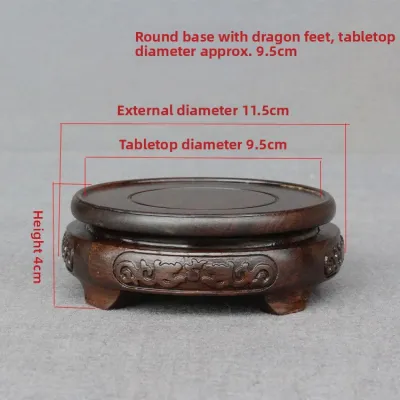
Prices are valid at publication and may change. Please refer to the product page for the latest price.
Start by measuring the height clearance and shelf depth of your altar. Ensure there is ample vertical space not just for the vase itself, but also for the fully arranged flowers. The blossoms and stems should never block the face or the ushnisha (the crown protuberance) of the Buddha statue, as keeping the depiction of the Buddha unobstructed is a fundamental sign of respect.
Stability is another critical factor when assessing proportions. A vase must have a broad, adequately weighted base to prevent accidental tipping. In busy households with children, pets, or nearby windows that let in strong tropical breezes, a top-heavy vase filled with water poses a constant spill risk. Look for designs where the base diameter is wide enough to support the height of both the vessel and the planned floral arrangements.
To help maintain a harmonious and uncluttered shrine, use this quick self-check framework to evaluate your altar’s visual balance:
- Statue-to-Vase Ratio: The height of the empty vase should generally stand between one-third and one-half the height of your central Buddha statue.
- Clearance Check: Ensure a minimum of 10 to 15 centimeters of open space remains between the top of your arranged flowers and any shelving or ceiling above.
- Edge Margin: The base of the vase should sit at least 3 centimeters away from the edge of the altar shelf to prevent accidental bumps.
- Item spacing: Leave enough horizontal clearance so the vase does not touch adjacent offering items, such as water cups, incense burners, or fruit plates.
Evaluating Materials for Reverence and Daily Durability
The material of your offering vessel plays a major role in both its symbolic value and its ability to withstand daily use. Because flower water must be refreshed every day, the material must resist moisture, staining, and bacterial growth while maintaining an appearance of solemnity and respect.

Ceramic and porcelain are highly recommended and traditionally favored choices. When selecting ceramic, verify that the interior of the vase is fully glazed. A high-quality glaze creates a non-porous barrier that prevents water from seeping into the clay. In warm, humid environments, unglazed or poorly glazed ceramics can quickly absorb water, leading to persistent dampness, mold growth, stubborn mineral stains, and unpleasant odors that are difficult to wash out.
Metal vases, such as those made of solid brass, bronze, or copper, offer exceptional durability and a reassuring, substantial weight. They bring a traditional, timeless aesthetic to any shrine. However, metal vessels require regular maintenance to prevent tarnishing, oxidation, or corrosion from constant contact with water. If you choose a metal vase, check if the interior is treated with a protective, water-resistant lacquer or liner to simplify your cleaning routine.
Glass vases provide a clean, modern aesthetic and allow you to monitor water levels at a glance. However, clear glass also exposes cloudy water, decaying stems, and floating debris, which can detract from the pristine appearance of your altar. If you prefer glass, consider frosted, colored, or opaque varieties that obscure the interior while retaining a light, elegant look.
Avoid highly fragile, thin-walled materials that chip at the slightest impact, as well as lightweight plastics that feel flimsy. Offering items should reflect your deepest respect; choosing substantial, well-crafted materials reinforces the sincerity of your daily practice.
Reviewing Designs and Colors for Symbolic Respect
An altar is a visual representation of inner peace and mindfulness. Therefore, the colors and designs of your offering vessels should foster quiet contemplation rather than draw distracting attention to themselves.
Traditional color palettes for Buddhist offering vessels favor soft, natural, and dignified tones. Pure white and cream symbolize mental purity and clarity. Earthy tones, such as warm terracotta, soft browns, and deep charcoal, ground the visual space of the altar. Celadon green—a classic pale glaze—blends beautifully with the natural green of flower foliage. Gold and soft yellow tones are also highly auspicious, representing the radiant light of the Buddha’s teachings. Avoid neon shades, overly bright clashing patterns, or high-gloss metallic finishes that create distracting glares under your altar lighting.
When evaluating decorative motifs, look for subtle, nature-inspired patterns or traditional Buddhist symbols. The lotus flower is the most common and beloved motif, representing spiritual awakening and purity rising above worldly mud. Other appropriate designs include bamboo (symbolizing resilience and humility), stylized clouds, or simple geometric borders. Completely plain, minimalist vases are also excellent choices, as their unadorned surfaces promote a calm, uncluttered mind.
Be sure to inspect the vase for any inappropriate imagery. Avoid secular pop-culture patterns, cartoon illustrations, or text that is unrelated to Dharma teachings. Additionally, ensure the style of the vase matches your overall altar setup. A highly ornate, hand-painted porcelain vase pairs beautifully with a traditional carved wooden shrine, while a sleek, matte-finish monochrome ceramic vase is ideal for a modern, built-in minimalist altar.
Checking Practical Features for Daily Water Changes
While aesthetic and symbolic qualities are vital, the practical usability of your vase determines how smoothly you can carry out your daily offering routine. If a vase is difficult to clean or prone to spilling, the daily chore can become a source of frustration rather than a mindful ritual.
Look for a vase with a wide-mouth opening or a gently flared rim. Narrow-necked vases can look elegant, but they make it incredibly difficult to insert multiple flower stems without bruising or breaking them. More importantly, a narrow opening prevents you from reaching inside to clean the interior walls. Over time, organic matter from flower stems leaves a slimy residue that harbors bacteria, shortening the lifespan of your fresh flowers and causing odors.
Ensure the interior of the vessel has a smooth, even finish. Any rough patches, deep crevices, or sharp internal corners can trap decaying plant matter and resist basic scrubbing. A completely smooth, rounded interior allows you to quickly wipe the inside clean with a soft sponge during your daily water change.
Pay close attention to the design of the rim and lip. When you carry the vase to and from the sink, or when you tilt it to pour out old water, a well-designed lip should prevent water from dripping down the outer sides of the vessel. This prevents moisture from pooling underneath the vase, which can warp delicate altar wood or stain decorative fabric runners over time.
For larger, heavier ceramic or metal vases, consider using models that accommodate a removable inner liner or insert. A lightweight plastic or glass insert allows you to lift the flowers and water out effortlessly for cleaning and refilling, leaving the heavy, decorative outer vase undisturbed on the altar. This simple feature minimizes the risk of dropping a valuable ceramic piece during daily handling.
Frequently Asked Questions (FAQ)
Can I use a regular decorative vase for Buddha offerings?
Yes, but with one important condition: once a vase is chosen for your altar, it should be dedicated exclusively to that sacred purpose. It is highly disrespectful to rotate a vase between your altar and secular home decor, such as using it as a party centerpiece or a general living room decoration. Dedicating the vessel solely to the Buddha cultivates a pure, focused intention and maintains the sacred boundary of your shrine.
How many flower vases should be placed on the altar?
The number of vases depends on your altar’s layout and available space. For smaller, modern home altars, a single vase placed to the side of the Buddha statue is perfectly appropriate and prevents the shelf from looking overcrowded. For larger, traditional altars, a symmetrical pair of identical vases flanking the central statue is standard practice, creating a balanced and formal visual presentation.
What type of flowers are most appropriate to use in the vase?
Fresh, clean, and vibrant flowers are ideal for altar offerings. Popular choices include orchids (which are highly durable in tropical climates), lotus flowers, chrysanthemums, lilies, and carnations. Avoid flowers with strong, offensive odors or those with prominent thorns, such as roses, unless the thorns have been carefully removed beforehand. Always remove wilted or decaying flowers promptly, as keeping dead plants on the altar contradicts the mindful, life-affirming nature of the offering practice.
Community discussion
Share your experience or ask a question. Comments are reviewed before publication.