
Choosing between a Ganesha statue for daily worship and one for decorative display depends on whether your primary goal is spiritual ritual or aesthetic enhancement. For daily worship, you must prioritize traditional iconographic guidelines, sacred materials, and specific dimensions that fit your home altar. For decorative display, the focus shifts to design cohesion, visual texture, and how the statue complements your interior styling. Understanding these differences ensures your choice respects cultural traditions while beautifully fitting your living space.
Clarifying Your Goal: Religious Practice vs. Interior Styling
Before purchasing a Ganesha statue, clarify whether its primary role is to anchor a dedicated puja space or to serve as a design accent in your home. A statue intended for a home altar, or mandir, carries deep spiritual significance and requires a setup that accommodates daily rituals, offerings, and prayers. This environment demands a focus on traditional rules and ritual readiness rather than purely visual appeal.
Conversely, a decorative statue is chosen to enhance the aesthetic harmony of spaces like an entryway, living room console, or study bookshelf. Here, the statue acts as a visual focal point, where its color, texture, and form must complement your existing interior design theme. The emotional connection remains, but the practical requirements shift toward styling and spatial balance.
Products mentioned in this guide
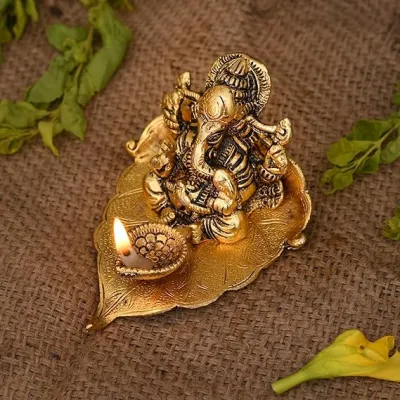
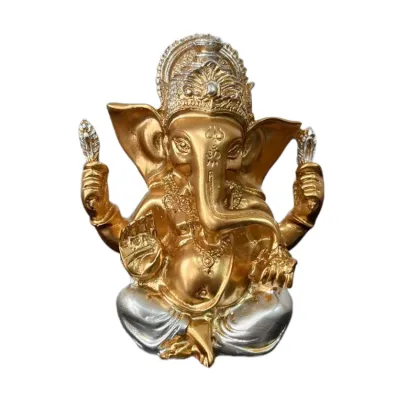
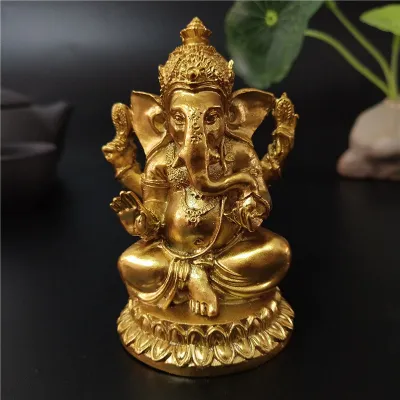
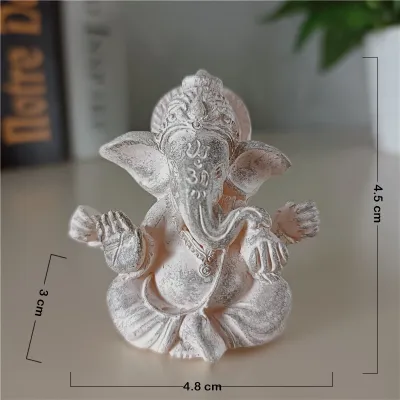
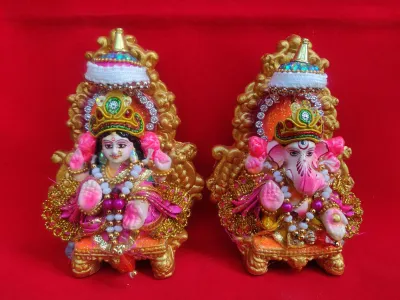
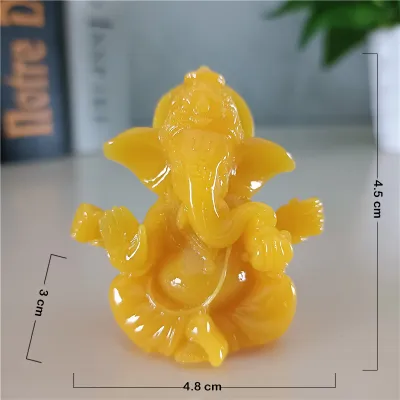
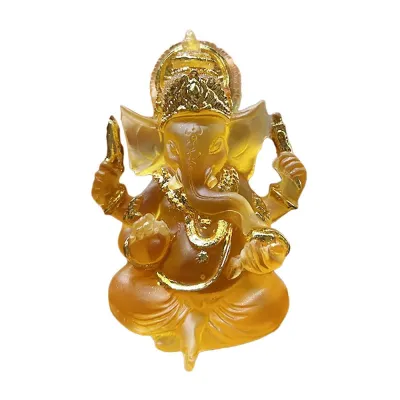
Prices are valid at publication and may change. Please refer to the product page for the latest price.
You must also evaluate the physical environment of the intended location. Consider the ambient lighting, as a dimly lit corner might require a lighter-colored material or dedicated accent lighting to stand out. Assess household traffic as well; high-traffic areas like entryways require stable, durable statues that will not easily tip over if bumped by family members or guests.
What to Look for in a Ganesha Statue for Daily Worship
When selecting a Ganesha statue for daily worship, traditional iconography and ritual compatibility are paramount. Many practitioners look for specific postures, such as a seated Ganesha (Lalitasana), which symbolises peace and calmness. The direction of the trunk is also highly significant; a trunk curved to the left is traditionally associated with domestic bliss and peaceful energy, making it a popular choice for household altars. You should consult a spiritual guide or refer to traditional texts to ensure the mudras (hand gestures) and symbols align with your family’s practices.

The material of the statue plays a vital role in daily rituals, especially if you perform abhishekam (ritual bathing). Traditional worship often favors durable, non-porous materials such as brass, bronze, copper, or natural stones like marble. These materials can withstand regular contact with water, milk, honey, and oils without degrading. Always verify the purity and suitability of the material with your community practices before making a final selection.
Finally, measure your altar space carefully to ensure proper compatibility. The statue must fit securely on your puja shelf or mandir platform without crowding. You need to leave ample clearance around the statue for daily ritual items, including oil lamps, incense holders, and offering bowls. Ensure the weight of the statue does not exceed the load capacity of your wall-mounted shelves or delicate wooden altars.
Choosing a Ganesha Statue for Decorative Display
For decorative display, the primary objective is to achieve design cohesion within your living space. A Ganesha statue can serve as a stunning artistic statement, provided its finish and style align with your room’s decor. For modern or minimalist interiors, a sleek, abstract stone or matte ceramic statue works beautifully. If your home features a more traditional or rustic theme, a weathered terracotta, carved wood, or antique-finished metal statue can add warmth and character.
Decorative statues offer much greater material versatility since they do not undergo ritual washing. You can explore lightweight and highly detailed materials such as resin, porcelain, or mixed media. These materials allow for intricate textures, varied color palettes, and unique artistic interpretations that might not be suitable for traditional worship. They are also easier to move and reposition when you want to refresh your decor.
Scale and placement are critical to making the statue look intentional rather than cluttered. A large, heavy statue works best as a grounding element on a sturdy entryway console or a low sideboard. For bookshelves or side tables, a smaller, delicate figurine is more appropriate. Ensure the statue’s proportions match the surrounding furniture so it commands attention without overwhelming the rest of your decor.
Material Care and Placement Safety
Maintaining the beauty and integrity of your Ganesha statue requires care tailored to its material and function. Decorative pieces generally need only regular, gentle dusting with a soft microfiber cloth or a soft-bristled brush to clear intricate crevices. In contrast, worship statues that come into contact with oils, vermilion, or water require specialized cleaning. For brass or copper idols, periodic polishing with traditional cleaning pastes or mild tamarind water helps maintain their shine, while stone statues may need a gentle rinse and thorough drying to prevent moisture buildup.
Environmental factors can significantly impact the longevity of your statue. In tropical climates with high humidity, metal statues may tarnish more quickly, and wooden pieces can warp if exposed to dampness. Keep your statue away from direct sunlight to prevent colors from fading, especially if it is made of resin or painted clay. If you place a decorative statue on a balcony or near a kitchen, ensure it is shielded from grease, cooking fumes, and direct exposure to rain.
Safety should always guide your placement decisions. Before positioning any statue, check its base stability and weight distribution. A top-heavy statue placed on a narrow shelf poses a falling hazard, particularly in households with active pets or young children. If you are placing a heavy stone or metal statue on a glass-topped table or a floating shelf, verify the surface’s weight limit first. For added security, you can use museum wax or non-slip pads on the base to prevent accidental sliding.
Can One Ganesha Statue Serve Both Purposes?
It is entirely possible for a single Ganesha statue to serve both spiritual and decorative purposes, provided you balance respect with design. To achieve this, select a statue with a universally respected posture, such as the traditional seated pose, made from a classic material like brass or polished stone. These materials possess a timeless elegance that blends seamlessly with modern home decor while fully honoring traditional worship standards.
If you live in a compact apartment where space is limited, you can adapt your setup to serve dual roles. During daily life, the statue can sit elegantly on a living room shelf as a decorative focal point. During festivals or prayer times, you can transition the space by placing a dedicated, clean cloth or a brass tray beneath the statue, transforming the shelf into a temporary, respectful altar. This allows you to perform prayers without needing a permanent, dedicated room.
Regardless of whether the statue is used for worship, decor, or both, certain rules of respectful placement must always be observed. A Ganesha statue should never be placed directly on the floor, in a bathroom, or in a bedroom. Avoid placing it under staircases or facing walls that share plumbing with a bathroom. Ensuring the statue is elevated on a clean, stable surface maintains its sacred dignity while enhancing its visual presence in your home.
Frequently Asked Questions (FAQ)
Is it disrespectful to use a Ganesha statue purely for decoration?
Using a Ganesha statue for decorative purposes is generally accepted and appreciated as a celebration of art and culture, provided it is treated with respect. To maintain cultural sensitivity, avoid placing the statue in inappropriate locations such as bathrooms, bedrooms, or directly on the floor. Elevating the statue on a clean shelf, console, or mantelpiece demonstrates respect for its cultural and spiritual significance while allowing you to enjoy its aesthetic beauty.
How do I choose the right size for my home altar?
To choose the right size, measure the height, width, and depth of your altar shelf before shopping. Ensure there is at least 5 to 10 centimeters of clearance above the statue’s crown to allow for comfortable handling and cleaning. You should also leave sufficient space in front of and around the statue for essential ritual items, such as oil lamps, incense holders, and daily offerings, without crowding the altar.
Community discussion
Share your experience or ask a question. Comments are reviewed before publication.