
Choosing a suitable Karlsson table clock requires matching the brand’s distinct Dutch design language with your specific spatial, functional, and aesthetic needs. Whether you are looking for a silent companion for a bedside table, a bold statement piece for a living room mantel, or a highly readable digital display for a home office, the decision hinges on evaluating movement types, material finishes, and physical dimensions. By understanding how different collections balance form and function, you can select a timepiece that serves as both a reliable instrument and a cohesive design element in your home.
Core Criteria for Choosing Your Table Clock
Before diving into specific aesthetic styles, it is essential to evaluate the practical requirements of your space. Dial readability is a primary consideration that directly impacts daily usability. High-contrast clock faces featuring bold numerals or distinct hands allow for quick time checks from across a room. Conversely, minimalist dials with tonal hands or no markers require closer inspection, making them better suited for personal desks or well-lit bedside tables where you are always in close proximity to the face.
The type of clock movement is another critical factor, influencing both maintenance needs and the acoustic environment of your room. Quartz movements are reliable and energy-efficient, typically running for a year or more on a single standard battery. Digital displays offer precise, multi-functional readouts—often including temperature or date—but may require constant backlighting or a connection to a power outlet, which limits placement flexibility. Ticking noise is also a key differentiator; traditional step-quartz movements produce an audible click, whereas sweep-quartz movements glide silently, making them ideal for quiet zones.
Products mentioned in this guide
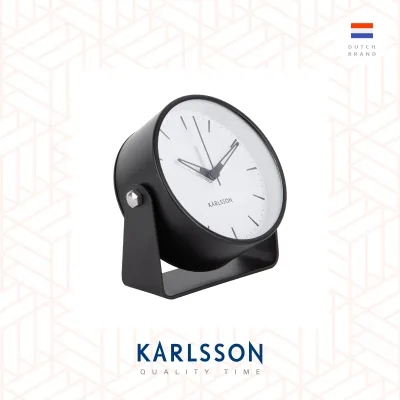
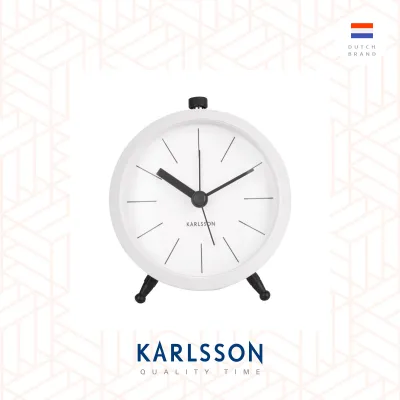
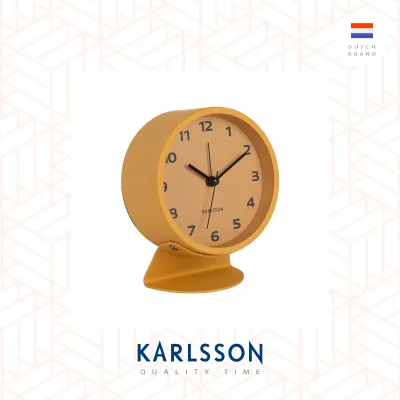
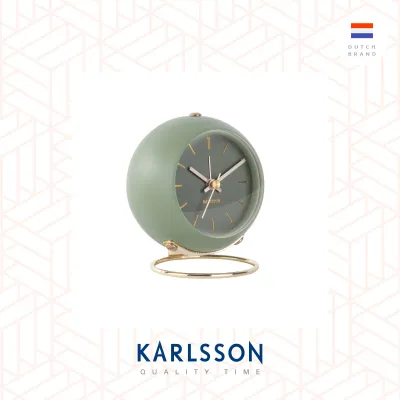
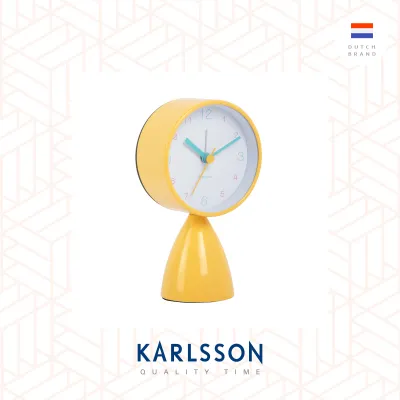
Prices are valid at publication and may change. Please refer to the product page for the latest price.
Physical footprint, weight, and stability must also be assessed to ensure the clock sits securely on its designated surface. A clock placed on a busy entryway console or a high-traffic shelf needs a sturdy base and sufficient weight to resist accidental tipping from vibrations or light contact. Conversely, a delicate shelf clock must fit within the depth limits of your shelving unit without overhanging. Measuring the designated surface area and checking the clock’s physical dimensions before purchasing will prevent placement issues and ensure a secure, stable setup.
Exploring Minimalist and Scandinavian Designs
Karlsson is widely recognized for its clean, Scandinavian-inspired aesthetics that emphasize simplicity and form. These models often feature monochromatic color palettes, soft pastel tones, and clean geometric shapes like precise circles or soft-edged squares. The absence of traditional numerals or the use of simple debossed lines creates an uncluttered look that integrates seamlessly into modern interiors, allowing the clock to function as a subtle design accent rather than a loud focal point.

Matte finishes, rubberized coatings, and tactile materials like ceramic or concrete are common in this design category. These non-reflective surfaces absorb light, making them excellent choices for bright, sunlit workspaces or living areas where glare from glass covers could be distracting. The subtle textures add depth to the minimalist design, ensuring the clock remains visually interesting despite its lack of ornate detailing.
While minimalist designs are visually soothing, they present practical trade-offs that you must consider. A clock lacking hour markers or high-contrast hands can be difficult to read in dim evening light or from a distance. If you choose a very minimalist model, place it in a well-lit area where it is easily accessible for close-up viewing, such as on a writing desk, a low coffee table, or a bedside stand equipped with a dedicated reading lamp.
Evaluating Retro and Mid-Century Modern Styles
For spaces that embrace vintage, eclectic, or mid-century modern decor, Karlsson offers timepieces that evoke nostalgia through classic design elements. These models frequently incorporate domed glass lenses, polished brass or copper-plated bezels, and warm wood-grain finishes. These materials add warmth and character to a room, making the clock feel like a curated antique or a mid-century heirloom rather than a modern accessory.
Flip-clock mechanisms are a classic retro option within this category, utilizing rotating physical cards to display the hours and minutes. The mechanical action of the cards flipping over provides a tactile, kinetic element that serves as an instant visual anchor in any room. However, the physical movement of the cards does produce a soft, rhythmic clicking sound that may not suit ultra-quiet environments like bedrooms or study rooms where complete silence is preferred.
Retro and mechanical displays, particularly flip clocks, have different power requirements than standard quartz models. The physical work of turning gears or flipping cards requires more energy, which can deplete batteries faster than a simple hand movement. It is important to check the manufacturer’s specifications regarding battery type and expected lifespan, as some mechanical models may require high-quality alkaline batteries or more frequent replacements to maintain accurate timekeeping.
Considering Quirky and Statement Pieces
If your goal is to inject personality or a sense of playfulness into your decor, Karlsson’s quirky and statement collections offer unconventional options. These pieces often play with optical illusions, oversized proportions, unusual materials, or humorous conceptual art. A clock shaped like a stack of books, featuring abstract moving parts, or utilizing unexpected color combinations can instantly draw the eye and serve as a unique focal point.
When integrating a bold statement clock, balancing its visual impact against your existing decor is crucial. An oversized or highly colorful timepiece can easily overwhelm a small room or clash with busy wallpaper and complex patterns. To make the clock stand out effectively without creating visual clutter, place it against a neutral background with ample breathing room, allowing its unique design to be appreciated without competing with nearby decorations.
While novelty designs are exciting initially, consider their long-term aesthetic appeal before making an investment. A very eccentric clock might feel out of place if you decide to redecorate your space or move to a home with a different style. If you prefer versatility, look for statement pieces that combine a unique shape with a neutral color palette, ensuring the clock remains relevant and adaptable even as your personal style and interior decor evolve.
Matching the Clock to Your Space and Lifestyle
The acoustic environment of a room dictates the type of clock movement you should choose. For bedrooms, nurseries, and quiet study areas, a silent sweep-quartz movement is recommended. This technology eliminates the repetitive ticking sound that can disrupt sleep or break concentration, ensuring a peaceful atmosphere. Always verify the movement type in the product specifications to confirm it is labeled as silent before placing it in a sleeping area.
Consider the physical environment and household dynamics when selecting materials. In high-traffic areas like kitchens, hallways, or homes with active pets and children, durability is paramount. Clocks made from robust materials like metal, high-grade plastics, or those with protective glass covers are easier to dust and wipe clean. In humid tropical climates, such as Singapore, choosing materials resistant to moisture, such as sealed metals or treated plastics, helps prevent premature wear and corrosion.
A clock should also harmonize with the scale of the furniture it rests upon. A tiny desk clock will look lost on a grand fireplace mantel, while an oversized statement clock can crowd a compact bedside table. Aim for a balanced proportion where the clock occupies a natural portion of the surface, leaving enough negative space around it to look intentional, uncluttered, and integrated into the overall room design.
Purchasing, Care, and Maintenance Guidelines
To verify you receive a genuine Karlsson timepiece with valid warranty coverage, purchase directly from authorized online retailers, official brand stores, or reputable department stores. Be cautious of unusually low prices on unverified online marketplaces, as counterfeit products may lack the build quality, silent movement technology, and reliable warranty support of authentic models. Checking seller credentials and reading customer return policies can help protect your purchase.
Proper battery maintenance is crucial for protecting the clock’s internal movement from damage. Always follow the manufacturer’s guidelines regarding battery types, generally opting for high-quality, brand-name alkaline batteries rather than heavy-duty or rechargeable alternatives, which can provide inconsistent voltage. Remove the battery immediately if the clock stops running to prevent acid leakage and irreversible corrosion of the terminal contacts, which can ruin the movement.
Karlsson clocks feature a variety of delicate finishes, from brushed metals and painted wood to rubberized plastics. To clean these surfaces safely, use a dry, soft microfiber cloth to gently remove dust and fingerprints. Avoid harsh chemical cleaners, abrasive pads, or excessive moisture, which can strip protective coatings, discolor wood grains, or damage sensitive electronic components. For glass covers, a slightly damp microfiber cloth followed by a dry wipe is usually sufficient to restore clarity.
Frequently Asked Questions (FAQ)
Do Karlsson table clocks require special batteries?
Most standard Karlsson quartz table clocks operate efficiently on standard AA or AAA alkaline batteries. However, specialized models like digital LED clocks or mechanical flip clocks may have specific voltage or power requirements, sometimes requiring specialized batteries or external power adapters. Always consult the product manual to verify the correct battery type and avoid using rechargeable batteries unless explicitly recommended, as they often provide a lower voltage that can cause timekeeping inaccuracies.
How can I fix a Karlsson clock that is running slow or fast?
If your clock begins to lose or gain time, the most common culprit is a depleting battery. Even if the hands are still moving, low voltage can cause the quartz crystal or mechanical gears to lag; replacing the battery with a fresh, high-quality alkaline cell should be your first troubleshooting step. If the inaccuracy persists after a battery change, avoid attempting to disassemble or repair the internal movement yourself, as this can void the warranty. Instead, contact the authorized retailer or a professional clock repair service for assistance.

Community discussion
Share your experience or ask a question. Comments are reviewed before publication.