
Selecting the right praying oil lamp for outdoor worship during the Hungry Ghost Festival requires balancing traditional practices with the practical challenges of open-air environments. When setting up at a public housing void deck, the primary concerns are wind resistance, structural stability, and fire safety. The most suitable lamps feature weighted bases, enclosed or semi-enclosed wind guards, and durable materials that withstand outdoor elements. This guide outlines the essential design features, safety protocols, and maintenance routines needed to ensure a secure and respectful worship experience throughout the 7th lunar month.
Void decks in Singapore are unique communal spaces characterized by open layouts that frequently channel strong, unpredictable drafts. Standard indoor oil lamps with open flames or lightweight structures are highly susceptible to tipping over or being extinguished instantly by sudden gusts. To maintain a continuous flame—which holds deep symbolic significance during the festival—worshippers must prioritize specialized outdoor designs. By understanding the physical mechanics of wind resistance and fuel management, you can select a lamp that honors the occasion while keeping the shared community environment safe.
Essential Design Features for Wind Resistance
A stable praying oil lamp begins with a low center of gravity and a substantial base. When browsing online marketplaces or local religious goods shops, look for lamps that feature wide, flared bases made of heavy materials such as solid brass, cast iron, or thick-walled glass. Avoid lightweight plastic or thin tin bases, as these can easily slide or tip over when subjected to sudden wind tunnels under HDB blocks. A heavy base ensures that even if the lamp is accidentally nudged or exposed to a strong breeze, it will self-right or resist tipping.
Products mentioned in this guide

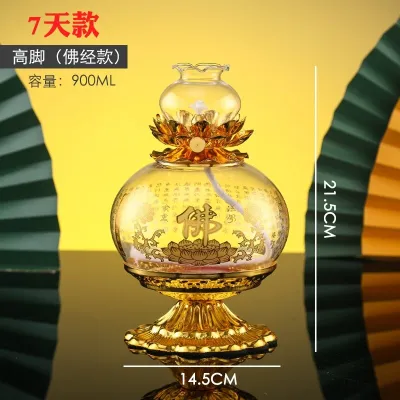

Prices are valid at publication and may change. Please refer to the product page for the latest price.
The glass chimney, or wind guard, is the most critical component for keeping the flame alive outdoors. Fully enclosed or deep semi-enclosed glass chimneys shield the delicate flame from direct drafts. However, a completely sealed unit would suffocate the flame by cutting off the oxygen supply. High-quality wind-resistant lamps utilize engineered ventilation paths—usually small, baffled air intake holes at the metal collar base and an open top with a curved rim. This design allows air to circulate gently to feed the fire while deflecting high-velocity gusts away from the wick.
Material durability is another key factor when selecting an outdoor lamp. High-temperature borosilicate glass is highly recommended for the chimney because it resists thermal shock and is less likely to crack when exposed to cool outdoor breezes while hot. For the metal components, solid brass and stainless steel are superior to cheap plated alloys. These metals do not rust easily when exposed to Singapore’s high humidity and occasional rain splashes, ensuring the structural integrity of the lamp over many years of seasonal use.
Finally, pay close attention to the wick holder mechanism. The wick holder should screw securely into the oil reservoir rather than simply resting on top of it. A threaded connection prevents the burning wick and hot oil from separating from the reservoir if the lamp is bumped. Additionally, an adjustable wick dial allows you to fine-tune the flame height, keeping it low and stable during particularly windy evenings.
Safety and Placement Guidelines for Void Deck Worship
Operating an open flame in a public, shared space requires strict adherence to safety protocols to prevent accidents and maintain community harmony. Always establish a clear safety perimeter around your temporary altar or prayer setup. Keep the praying oil lamp at least one meter away from highly flammable materials, including stacks of joss paper, paper offerings, dry leaves, and decorative paper lanterns. A sudden gust of wind can easily blow loose paper into an open flame, creating an immediate fire hazard.

Position the lamp on a flat, non-combustible surface. Concrete offering tables provided by town councils or sturdy metal folding tables are ideal. Avoid placing lamps on plastic stools, cardboard boxes, or uneven grassy patches near the void deck. If you are using a temporary table, ensure it is placed away from high-traffic walkways, children’s play areas, and common paths where residents or pets might accidentally bump into the setup.
It is essential to comply with local town council regulations regarding religious activities in common areas. Many estates designate specific zones for burning offerings and placing altars during the 7th lunar month. Always utilize these designated areas rather than setting up near lift lobbies, stairwells, or directly under residential windows where smoke and heat can cause discomfort to neighbors. Keeping your setup within approved zones ensures a respectful and compliant worship practice.
Under no circumstances should a burning oil lamp be left unattended in a public outdoor space. If you must leave the altar area, even for a short duration, extinguish the flame safely. Wind conditions can change in an instant, and an unattended flame poses a significant risk to the property and safety of others. Designate a family member to watch over the altar until the prayers are completed and the lamp is safely extinguished.
Selecting the Right Size and Fuel Capacity
When choosing a praying oil lamp, bigger is not always better. A massive oil reservoir holds more fuel but also increases the severity of a spill if an accident occurs. For typical outdoor prayer sessions at a void deck, which generally last between one and two hours, a small to medium reservoir capacity is highly sufficient. A smaller reservoir limits the amount of flammable liquid present on the altar and makes the lamp easier to transport back and forth from your apartment.
Wick size directly influences both the stability of the flame and the amount of smoke produced. A wick that is too thick will create a large, dancing flame that is highly sensitive to wind and produces excessive black soot. This soot can stain the glass chimney and release unpleasant smoke that may drift into lower-floor apartments. Opt for a medium-sized cotton or fiberglass wick, and trim it to show only a few millimeters above the holder to maintain a clean, efficient, and steady burn.
The physical footprint of the lamp must match your temporary altar space. Ensure the base fits entirely within the flat surface of your table with ample clearance from the edges. A lamp that sits too close to the edge of a table is easily knocked down by passing sleeves or sudden movements. If you plan to use multiple lamps, space them out clearly so that heat does not build up excessively between them.
Lastly, consider how easy the reservoir is to refill. Models with a dedicated, threaded fill port allow you to add oil using a small funnel without dismantling the entire burner assembly. This minimizes the risk of spilling oil on the altar surface or your hands. Spilled oil on a hot lamp can ignite or create a slippery hazard, so clean up any drips immediately with a dry cloth before lighting the wick.
Cleaning and Storing the Lamp After the Festival
Once the Hungry Ghost Festival concludes, proper maintenance and storage will preserve your praying oil lamp for future use. Always extinguish the flame using a metal candle snuffer or by gently turning down the wick dial until the flame goes out. Avoid blowing forcefully on the flame, as this can splash hot oil onto your face or the surrounding area. Allow the lamp to cool completely for at least thirty minutes before attempting to touch, clean, or move it.
To clean the lamp, carefully disassemble the glass chimney and the burner assembly. Wipe away soot and carbon buildup from the glass using a soft microfiber cloth dipped in warm, soapy water or a mild glass cleaner. Avoid using abrasive scrubbing pads or harsh chemical solvents, which can scratch the glass or strip the protective lacquer off brass components. For the oil reservoir, empty any remaining fuel into a safe disposal container—never pour lamp oil down household drains, as it can clog pipes and damage the environment.
Store the dry, clean components in a temperature-stable environment away from direct sunlight and moisture. High humidity can cause metal parts to tarnish or rust over the off-season. Wrap the glass chimney securely in bubble wrap or a thick cloth to protect it from accidental chips or cracks while in storage. Keep spare wicks in a sealed plastic bag to prevent them from absorbing ambient moisture, which makes them difficult to light later.
Before packing the lamp away, perform a quick structural inspection. Check the glass chimney for micro-cracks, especially around the rim, as these can expand and shatter under heat during the next use. Inspect the metal threads on the burner and reservoir to ensure they still tighten securely. Taking these preventive steps ensures that your lamp will be safe, clean, and ready for a respectful worship service when the next 7th lunar month arrives.
Frequently Asked Questions (FAQ)
Can I use standard cooking oil instead of traditional lamp oil?
No, you should not use standard cooking oil in a praying oil lamp. Cooking oils, such as canola or palm oil, have a much higher viscosity and a different flash point compared to dedicated lamp oils. They will quickly clog standard cotton wicks, resulting in a weak, sputtering flame that produces excessive smoke and a strong cooking odor. Always check the manufacturer’s instructions and use approved fuels, such as high-purity paraffin oil or specialized mineral-based praying oils, which are formulated to burn cleanly and safely.
What should I do if the wind blows out the flame repeatedly?
If the wind repeatedly extinguishes the flame, first try trimming the wick slightly shorter to see if a smaller, more concentrated flame resists the draft better. You can also adjust the position of the glass chimney to ensure it is seated flush against the burner base, preventing air leaks. If the drafts at the void deck remain too strong, relocate your temporary altar to a more sheltered spot within the designated town council worship zone, such as closer to a structural pillar or wall. Never use makeshift, highly flammable windbreaks like cardboard boxes or plastic sheets, as these present an extreme fire hazard.
Community discussion
Share your experience or ask a question. Comments are reviewed before publication.