
When a sudden power outage hits a high-density residential area like a Housing & Development Board (HDB) estate, the immediate environment changes dramatically. Unlike landed properties with natural perimeter light, HDB flats often feature deep internal layouts, windowless household shelters, and long, narrow corridors that quickly become pitch-black. To navigate these spaces safely, having a reliable secondary light source is a critical safety measure.
The layout of a typical HDB flat, whether it is a 3-room, 4-room, or 5-room unit, presents specific spatial challenges. Multiple partitioned rooms, heavy concrete walls, and narrow structural corridors mean that light cannot easily travel from one end of the flat to the other. In these environments, a flashlight with a wide flood beam is significantly more practical than one with a narrow, highly focused throw beam. A flood beam disperses light across a wide angle, illuminating entire rooms, floors, and potential trip hazards simultaneously. In contrast, a throw beam projects a tight spotlight over long distances, which can cause intense glare off white HDB walls and limit your peripheral awareness.
In addition to beam profiles, Singaporean households must contend with limited storage space. Modern HDB flats are designed to maximize living areas, which often leaves residents with shallow kitchen drawers, compact utility cabinets, or a designated emergency shelf within the household shelter. Storing bulky, industrial-sized searchlights or heavy lanterns is rarely practical. Instead, emergency preparedness gear must be compact, lightweight, and easily stowable, ensuring it remains accessible without cluttering your daily living space.
Products mentioned in this guide
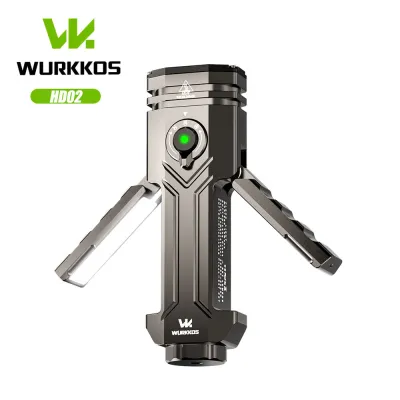
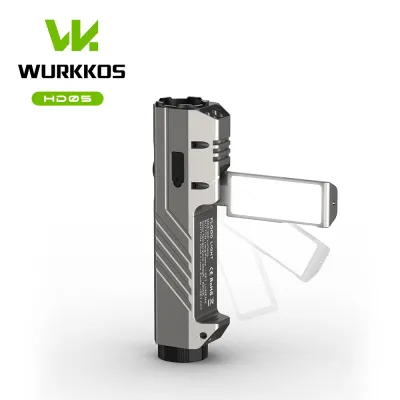
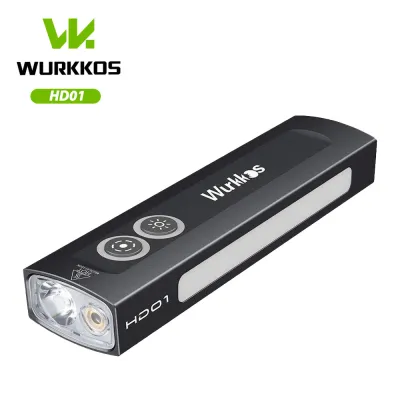
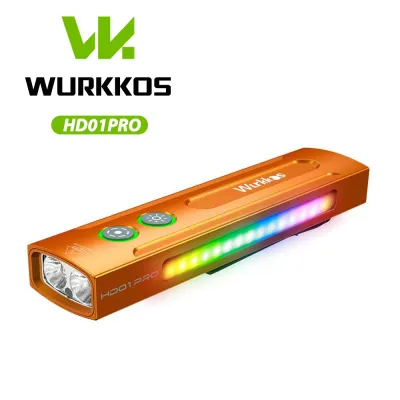
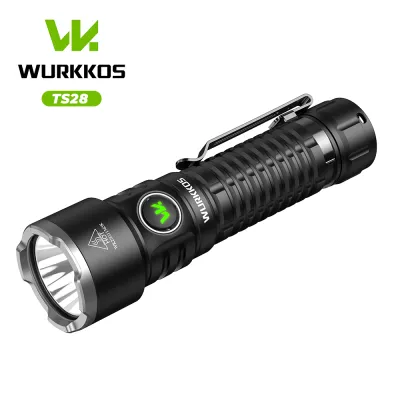
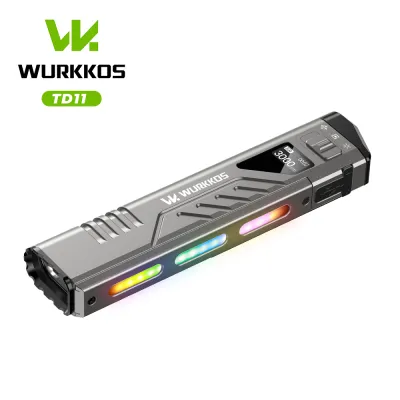
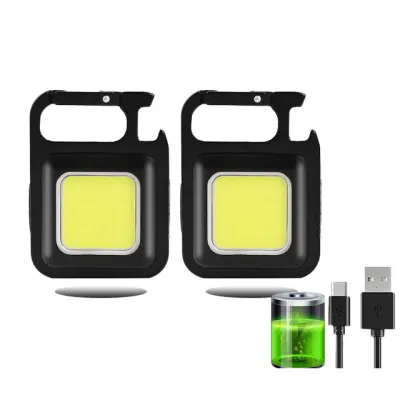
Prices are valid at publication and may change. Please refer to the product page for the latest price.
This is where Wurkkos has established a strong reputation within the everyday carry (EDC) and emergency lighting communities. As a brand, Wurkkos focuses on producing high-performance, compact illumination tools that bridge the gap between enthusiast-grade features and user-friendly operation. Their product lineup is characterized by modern USB Type-C charging ports, robust aluminum builds, and versatile battery options, making them highly suitable for household emergency kits. By understanding how to match these tools to your specific household layout, you can build a resilient emergency plan that keeps your family safe during unexpected power disruptions.
Essential Specifications: Brightness, Runtime, and Storage Constraints
Selecting the right flashlight requires a clear understanding of technical specifications. When reading product labels or manufacturer datasheets, several key metrics dictate how a flashlight will perform when the power goes out.
Brightness & Beam Profile The first metric most buyers look at is the lumen rating, which measures the total amount of visible light emitted by the source. While a high maximum lumen count sounds impressive, it is vital to understand that high-output flashlights generate significant heat. To prevent damage to the internal electronics and battery, modern LED flashlights utilize thermal regulation to automatically step down the brightness after a few minutes of continuous use. Therefore, when evaluating a Wurkkos flashlight, you should look beyond the peak “Turbo” lumen rating and focus on the sustainable “Medium” or “Low” outputs (typically between 100 and 500 lumens). For indoor HDB use, 150 to 300 lumens of floodlight is generally more than enough to illuminate a living room or kitchen comfortably without causing blinding reflections off walls and mirrors.
Battery Runtime & Power Source The battery chemistry and physical format directly influence both the runtime and the physical size of the flashlight. Wurkkos models primarily utilize rechargeable lithium-ion cells, with the 18650 and 21700 formats being the most common.
- 18650 Lithium-Ion Cells: These batteries offer an excellent balance of size and capacity. Flashlights utilizing 18650 cells are slim, easy to grip, and typically provide runtimes of several hours on medium settings.
- 21700 Lithium-Ion Cells: These are physically larger and heavier than 18650 cells but offer significantly higher energy density. A 21700-powered flashlight can often run for twice as long as an 18650 model at equivalent brightness levels, making them ideal if you prioritize extended runtime over absolute compactness.
- Built-In Batteries: Some smaller keychain or companion lights feature non-removable internal batteries. While highly convenient and compact, they cannot be swapped out in the dark if the battery drains completely, meaning you must wait for the unit to recharge via a power bank.
When planning your kit, always check the manufacturer’s runtime table. Ensure the model you choose can run for at least 6 to 8 hours on a usable low or medium mode, which is typically sufficient to last through an overnight power outage.
Charging Interfaces In an emergency, simplicity is key. Older high-performance flashlights often required users to remove the batteries and place them in a dedicated external charger. For an HDB household, this adds unnecessary clutter and complexity to your emergency kit. Modern Wurkkos flashlights feature integrated USB Type-C charging ports protected by rubber dust covers. This interface allows you to recharge the flashlight using the same cables and wall adapters you use for your smartphone, tablet, or laptop. Furthermore, during a prolonged blackout, you can easily plug the flashlight into a portable power bank to top up the battery, ensuring you are never left in the dark.
Physical Dimensions Before purchasing, take a moment to measure your intended storage location. If you plan to keep the flashlight in a shallow drawer near your distribution board (DB) box, check the flashlight’s length and diameter specifications. A flashlight that is too long or bulky may end up relegated to a distant storage box, defeating the purpose of quick accessibility. Ideally, an emergency flashlight should be compact enough to fit comfortably in the palm of your hand and light enough that any family member, including children or elderly relatives, can carry it without fatigue.
Matching Wurkkos Flashlight Categories to Your Emergency Plan
Rather than looking for a single “best” model, it is far more effective to categorize flashlights by their form factor and intended use. This allows you to match the tool to your family’s specific emergency response strategy.

Compact EDC Flashlights for Quick Blackouts
Compact everyday carry (EDC) flashlights are designed to be lightweight, unobtrusive, and instantly accessible. In an HDB context, these lights are perfect for storing in easily reachable spots, such as a bedside drawer, a hook near the front door, or right next to the DB box.
These models typically utilize a single 18650 battery or an even smaller 14500 cell. Because of their slim profiles, they can be carried in a pocket without discomfort if you need to move around the flat to check on family members or secure loose items. One of the most practical features to look for in this category is a magnetic tail cap. A magnetic tail cap allows you to stick the flashlight securely to any ferrous metal surface. In an HDB flat, you can snap the light onto the metal door of your DB box, the side of your refrigerator, or steel shelving units, instantly converting the flashlight into a stationary wall light that illuminates the surrounding area hands-free.
However, when selecting an ultra-compact model, you must verify the trade-offs on the product label. Smaller bodies have less surface area to dissipate heat, meaning they will step down from high brightness levels more quickly than larger models. Additionally, smaller batteries like the 14500 have a fraction of the capacity of an 18650 cell, resulting in shorter overall runtimes. For a primary emergency kit, an 18650-sized EDC flashlight is generally the minimum recommended size to ensure you have enough battery capacity to handle more than just a brief power trip.
High-Capacity Models for Extended Power Outages
If your emergency plan prioritizes illuminating large communal spaces—such as a combined living and dining area—for extended periods, a high-capacity model is the appropriate choice. These flashlights are built around larger 21700 lithium-ion batteries, which typically offer capacities ranging from 4,000mAh to 5,000mAh.
The primary advantage of these larger models is their ability to sustain higher brightness levels without overheating. Because the flashlight body has more mass, it can dissipate heat more efficiently, allowing the LED to run at a comfortable 300 to 500 lumens for hours on end. When placed tail-first on a flat surface (a technique known as “tail-standing”), a high-capacity flood flashlight can bounce light off a white HDB ceiling, effectively illuminating an entire 4-room or 5-room living area with soft, indirect light that mimics a standard ceiling fixture.
The trade-off here is physical size and weight. A 21700-powered flashlight is noticeably heavier and thicker than its 18650 counterpart. While still highly portable, it is less suited for carrying in a pajama pocket. When choosing a high-capacity model, verify that the physical dimensions and weight still fit comfortably within your designated emergency grab-bag or drawer. It is also wise to ensure the model features a simple, intuitive user interface so that any household member can operate it under stress without getting confused by advanced programming modes.
Hands-Free Headlamps for Active Emergency Response
During a more complex household emergency, you may need to use both of your hands to perform tasks. Whether you are resetting a tripped circuit breaker in a dark DB box, locating first-aid supplies, assembling emergency items, or navigating dark, narrow stairwells during a building evacuation, holding a traditional flashlight can limit your capability.
A rechargeable headlamp is an invaluable addition to any HDB emergency kit. By securing the light to your forehead with an adjustable elastic strap, the beam automatically follows your line of sight, keeping your hands completely free. When evaluating headlamps, pay close attention to the strap design and weight distribution. A headlamp that is too front-heavy can slip down your face or cause discomfort during prolonged use. Look for models with comfortable, breathable bands and secure tilt mechanisms that allow you to angle the beam downward toward your hands or feet.
Many high-quality headlamps also feature an auxiliary red-light mode. In an emergency, a red light is highly beneficial for several reasons. First, red light preserves your natural night vision, making it easier for your eyes to adjust to the dark when you turn the light off. Second, if you must evacuate down a shared HDB corridor or stairwell, using a soft red light prevents you from accidentally blinding your neighbors or emergency personnel walking toward you. Finally, verify the design of the headlamp’s battery compartment. In a blackout, you should be able to open the compartment and swap out the battery easily by feel alone, without needing specialized tools.
Safe Battery Storage and Maintenance in Singapore's Climate
Singapore’s tropical climate presents unique challenges for storing electronic equipment. High ambient temperatures and persistent relative humidity can accelerate the degradation of batteries and electronic components if proper precautions are not taken.
Temperature & Humidity Lithium-ion batteries are sensitive to extreme environmental conditions. Prolonged exposure to high temperatures can accelerate the chemical degradation inside the cell, reducing its overall lifespan and capacity. In severe cases, extreme heat can pose a safety risk. To protect your emergency kit, avoid storing it in areas prone to heat build-up. Do not place your flashlight kit near heat-emitting appliances like refrigerators, microwave ovens, or near windows where direct afternoon sunlight can strike the cabinet. Instead, choose a cool, dry, and well-ventilated location, such as a lower shelf in a hallway closet or a dedicated drawer inside your household shelter.
Preventing Accidental Activation One of the most common failures of emergency flashlights is finding the battery completely drained when you need it most. This often happens because the flashlight’s power button was accidentally pressed while jostling inside a crowded drawer or emergency grab-bag. Not only does this drain the battery, but high-powered LEDs can generate enough heat in a confined space to damage the flashlight or scorch nearby fabrics. To prevent this, check if your Wurkkos flashlight features an electronic lockout mode, which typically requires a specific sequence of rapid clicks to unlock the light. For long-term storage, however, a physical lockout is even more reliable. You can easily achieve a physical lockout by slightly loosening the flashlight’s tail cap (usually a quarter to a half turn). This small adjustment breaks the electrical path between the battery and the driver, ensuring the light cannot turn on under any circumstances. When you need the light, simply tighten the tail cap back down to restore power instantly.
Self-Discharge & Inspection Cycles All rechargeable batteries experience a phenomenon known as self-discharge, where they slowly lose charge over time even when not in use. High-quality lithium-ion cells have a relatively low self-discharge rate, but they will still lose a percentage of their capacity over several months. To ensure your emergency kit is always ready, establish a regular inspection schedule. Checking your gear every 3 to 6 months is highly recommended. A practical way to remember this is to align your checks with easily recognizable dates, such as the start and end of the monsoon seasons in Singapore, or during biannual household cleaning routines. During these inspections, check the battery’s voltage or charge level. Most modern Wurkkos flashlights have a built-in LED indicator on the power button that displays battery status when turned on. If the indicator shows a partial charge, top the battery up using a USB-C cable. For long-term storage, keeping the battery charged to around 50% to 70% is technically optimal for cell health, but for emergency kits, keeping them charged to 100% (or near it) is generally preferred so you have maximum runtime available when an actual emergency occurs.
Battery Safety Always prioritize battery safety to protect your household. Never mix batteries of different brands, capacities, or charge states within the same multi-cell flashlight, as this can cause dangerous imbalances. Regularly inspect the outer plastic wrapping (the wrap) of your lithium-ion cells. If you notice any tears, cuts, or exposed metal on the battery body, stop using the cell immediately, as damaged wraps can cause short circuits. When a battery reaches the end of its useful life, do not throw it into the standard household waste. Follow the National Environment Agency (NEA) guidelines in Singapore for proper e-waste disposal, utilizing designated battery recycling bins located across various community centers and retail outlets.
Final Verification: Interfaces, Build Quality, and Warranty
Before finalizing your purchase and adding a flashlight to your HDB emergency kit, perform a final verification of the product’s build quality, included accessories, and warranty terms.
Build & Sealing While you are unlikely to encounter extreme outdoor conditions inside an HDB flat, build quality remains a key factor in long-term reliability. Look for flashlights constructed from aerospace-grade aluminum alloy with an anodized finish, which provides excellent scratch and impact resistance if dropped on hard tiled floors. Additionally, check the product’s IP (Ingress Protection) rating. An IPX7 or IPX8 rating means the flashlight can withstand temporary submersion in water, while an IP65 or IP66 rating indicates strong resistance to dust and water splashes. For indoor emergency use, basic splash resistance is highly valuable. It ensures that high humidity, accidental spills, or operating the light with wet hands during a plumbing emergency will not cause the internal electronics to short-circuit.
Accessories A complete emergency kit should not require you to hunt for missing parts in the dark. Verify what accessories are included in the box when purchasing your Wurkkos flashlight. A standard package should ideally include:
- A compatible rechargeable lithium-ion battery.
- A USB Type-C charging cable.
- Spare rubber O-rings (which maintain the flashlight's water resistance over time).
- A lanyard or wrist strap to prevent accidental drops.
- A pocket clip or holster for convenient carrying.
If these items are not included, make sure to source high-quality equivalents to complete your setup.
Warranty & Support Electronic devices can occasionally experience manufacturing defects. To safeguard your investment, ensure you purchase your Wurkkos flashlight from authorized retail channels or official online brand stores. Purchasing from authorized sources guarantees that you receive an authentic product rather than a counterfeit copy, and it ensures access to valid warranty coverage. Keep your digital or physical proof of purchase stored in a safe, accessible location—such as a dedicated document folder within your emergency kit—so you can easily contact customer support if you ever experience technical issues with the flashlight’s driver, charging port, or LED emitter.
Frequently Asked Questions (FAQ)
Can I use standard AA batteries in Wurkkos flashlights for long-term storage?
Most high-performance Wurkkos flashlights are designed specifically for high-voltage lithium-ion cells (like the 18650 or 21700) and are not compatible with standard 1.5V AA or AAA alkaline batteries due to voltage differences and physical size constraints. However, certain compact models designed for 14500 lithium-ion batteries may support AA batteries as an alternative power source, though this often results in significantly lower maximum brightness and reduced performance. Always verify the battery compatibility on the specific product label or user manual before attempting to use alternative battery chemistries, and never force an incompatible battery into the flashlight tube.
How often should I check the flashlight in my HDB emergency kit?
It is highly recommended to inspect and maintain the flashlights in your HDB emergency kit at least once every 3 to 6 months. A simple routine involves turning the flashlight on to verify that the LED and switch operate smoothly, checking the built-in battery indicator to see if the charge has depleted, and topping up the battery via USB-C if necessary. Additionally, inspect the physical body for any signs of battery leakage, corrosion, or damage to the rubber O-rings, and apply a light coat of silicone grease to the threads if they feel dry to maintain a proper weather seal.
Community discussion
Share your experience or ask a question. Comments are reviewed before publication.