
To find a citronella reed diffuser in Singapore that delivers both a noticeable scent throw and reliable mosquito-repelling properties, you must look beyond brand names and focus on formulation, reed materials, and spatial dynamics. In Singapore’s humid, tropical climate, mosquitoes are a year-round concern, prompting many homeowners to seek natural, continuous deterrents. However, because reed diffusers rely on passive evaporation rather than active heat or pressurized spray, their effectiveness depends heavily on the concentration of pure essential oils, the type of reeds used, and where the diffuser is placed. By understanding how to evaluate these technical specifications, you can select a product that maintains a consistent fragrance barrier in your HDB flat or condominium.
Understanding How Citronella Reed Diffusers Work
Unlike active dispersal systems such as aerosol sprays, electric plug-ins, or ultrasonic humidifiers that force liquid into the air using pressure, heat, or vibration, a reed diffuser operates entirely on capillary action. The liquid mixture travels up the porous channels of the reeds and evaporates naturally when it reaches the exposed surface. This creates a continuous, subtle release of fragrance into the immediate surrounding air without requiring electricity or open flames.
It is crucial to distinguish between repelling insects and eliminating them. Citronella does not kill mosquitoes; instead, it works by masking the scent of carbon dioxide and lactic acid that humans naturally emit, making it difficult for mosquitoes to locate hosts. A reed diffuser establishes a localized zone where these sensory cues are disrupted, encouraging mosquitoes to avoid the immediate area rather than eradicating them from the home.
Products mentioned in this guide
![[Lemongrass House] Mosquito Repellent Reed Diffuser 120ml - Citronella Geranium Lavender and Orange Peel](https://img.lazcdn.com/g/p/666ccaf8c646f3421700157511f1c56f.jpg_400x400q80.jpg_.webp)
![[Ideal Gift]SHIORA Aromatherapy Series Home Scent Reed Diffuser | 50/100ml/200ml | Essential Oil | Room Perfume | Cedarwood Citronella Lavender Lemongrass Sandalwood Peppermint](https://img.lazcdn.com/g/p/1a642e36894f4469e11652ce3c852217.png_400x400q80.png_.webp)
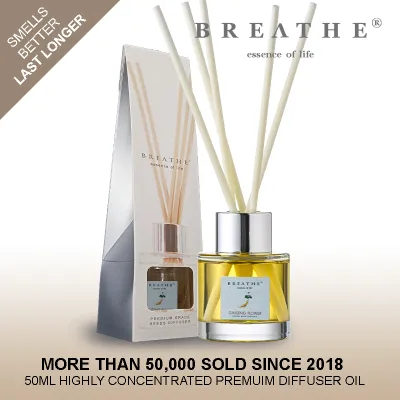
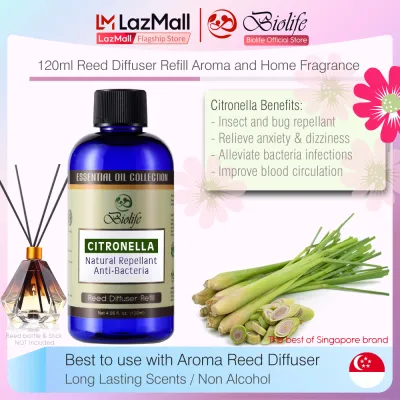
Prices are valid at publication and may change. Please refer to the product page for the latest price.
Because passive evaporation relies on natural air currents to distribute the scent, a reed diffuser cannot provide whole-home coverage. Its protective and aromatic zone is highly localized, typically extending only a few meters from the bottle. Understanding this limitation prevents unrealistic expectations and helps you plan the placement of multiple units if you need to cover larger living areas or multiple entry points.
Evaluating Scent Throw and Fragrance Longevity
The performance of a diffuser is dictated by its base formulation. High-quality diffusers use a high percentage of pure citronella essential oil blended with a compatible carrier solvent. Common carriers include dipropylene glycol (DPG) or specialized low-evaporation alcohol alternatives. If a product lists water or high-volatility alcohol as the primary ingredient, the mixture will evaporate too quickly, leading to a brief, intense burst of scent followed by an empty bottle within weeks. Look for formulations that prioritize slow-evaporating, non-toxic carriers to ensure a steady release over several months.

The choice of reed material directly influences both scent throw and longevity. Natural rattan reeds contain narrow, irregular vascular bundles that draw up oil slowly. While rattan is excellent for a slow, controlled release of heavier essential oils, it can easily clog over time, especially in humid environments. In contrast, synthetic fiber reeds are engineered with uniform, highly porous structures that absorb and release fragrance much more rapidly. Fiber reeds generally offer a stronger, more immediate scent throw, but they will exhaust the diffuser liquid faster than rattan.
The physical design of the diffuser vessel plays an understated role in how long the fragrance lasts. A bottle with a wide neck allows more air contact at the liquid surface, accelerating evaporation regardless of how many reeds are inserted. Conversely, a narrow-necked bottle restricts direct evaporation from the liquid surface, forcing the mixture to escape almost exclusively through the reeds. This design preserves the liquid and ensures that the scent throw remains regulated by the number of reeds you choose to insert.
Verifying Mosquito-Repelling Claims and Ingredients
To ensure a diffuser actually deters mosquitoes rather than just smelling pleasant, you must verify the presence of active chemical constituents. Natural citronella oil contains high concentrations of citronellal, geraniol, and citronellol. These organic compounds are the primary agents that interfere with a mosquito’s olfactory receptors. When reviewing product specifications, check if the brand specifies the use of pure, therapeutic-grade citronella essential oils, as these varieties contain the highest natural yields of these active compounds.
Many commercial products carry vague marketing claims such as “all-natural pest control” or “mosquito-shield.” To separate genuine functional products from purely decorative scents, look for brands that provide clear usage instructions, safety data sheets, or references to standardized testing. In Singapore, household pesticide products are regulated, and while essential oil diffusers often fall into a decorative category, reputable manufacturers will still provide transparency regarding their ingredient concentrations and safety profiles.
There is a significant difference between a “citronella-scented” diffuser and a functional repellent diffuser. Aromatic diffusers often use synthetic fragrance oils designed to mimic the smell of citronella without containing the actual botanical compounds required to deter insects. These products will make your room smell like citrus but will offer zero protection against mosquitoes. Always verify that the product contains genuine essential oil rather than “parfum” or “fragrance” on the ingredient list to ensure you are getting the functional benefits of the plant.
Matching Diffuser Size to Your Living Space
Selecting the right diffuser size is essential for achieving the desired scent intensity and repellent effect in typical Singaporean homes. For small, enclosed spaces like bathrooms, study rooms, or small HDB bedrooms, a standard 100ml to 150ml diffuser is usually sufficient. For larger areas such as open-plan living rooms, dining areas, or condominium balconies, you will need a larger vessel of 200ml to 250ml, or potentially multiple smaller diffusers placed strategically at opposite corners to create an effective olfactory barrier.
Singapore’s tropical climate presents unique challenges for scent diffusion. In naturally ventilated rooms with open windows and ceiling fans, air movement is high. While this helps disperse the scent across a wider area, it also dilutes the concentration of the active repellent compounds and accelerates evaporation. In contrast, air-conditioned rooms have dry, closed air systems. The lower humidity and reduced air exchange will preserve the diffuser liquid for longer, but the scent may pool in specific corners, requiring you to adjust the number of reeds to prevent the fragrance from becoming overpowering.
To maximize the localized repellent effect, place the diffuser near entry points where mosquitoes are likely to enter, such as open windows, balcony doors, or main entryways. However, avoid placing the bottle directly in high-traffic pathways where it can be easily knocked over, or directly under air-conditioning vents where the strong downward draft will push the scent straight to the floor. Positioning the diffuser at waist height on a stable side table or shelf allows the rising air currents to distribute the fragrance naturally at human breathing and activity levels.
Maintaining Consistent Performance Over Time
To maintain a consistent scent throw, you must periodically flip the reeds. This process brings the saturated bottom end of the reed to the top, providing an immediate boost in fragrance release. For most standard diffusers, flipping the reeds once every one to two weeks is sufficient. Avoid flipping them too frequently, such as daily, as this introduces excess oxygen to the reeds and accelerates the consumption of the liquid without significantly improving long-term performance.
Over time, reeds can become clogged with household dust, pet hair, and microscopic airborne particles, which blocks the capillary channels and stops the oil from traveling upward. If you notice that the liquid level in the bottle has stopped dropping but the scent has faded, it is a clear sign that the reeds are clogged. Simply flipping them will not resolve this issue. You should completely replace the old reeds with a fresh set of high-quality fiber or rattan reeds to restore the capillary action.
Essential oils are highly sensitive to ultraviolet (UV) light and heat, both of which can degrade the chemical structure of active compounds like citronellal. In Singapore, where sunlight can be intense, avoid placing your diffuser on window sills that receive direct afternoon sun. Exposure to heat and light will not only cause the carrier oils to spoil or change color but will also rapidly diminish the mosquito-repelling efficacy of the formulation. Keep the diffuser in a shaded, cool spot to preserve the integrity of the botanical ingredients.
Frequently Asked Questions (FAQ)
Can a reed diffuser completely replace mosquito coils or sprays?
No, a citronella reed diffuser cannot completely replace active mosquito control measures like coils, sprays, or professional pest control treatments. Reed diffusers are passive, continuous deterrents designed to discourage mosquitoes from entering small, localized zones. They do not kill mosquitoes or eliminate breeding grounds. For active infestations, high-risk dengue clusters, or outdoor areas like open patios, you should rely on proven active treatments such as knockdown sprays, spatial repellents, and regular checks to eliminate stagnant water around your home.
Are citronella reed diffusers safe for pets in Singapore homes?
Citronella and other essential oils can be toxic or highly irritating to pets, particularly cats and dogs, if they are inhaled in high concentrations, come into contact with their skin, or are accidentally ingested. Because pets have a much more sensitive sense of smell and different metabolic pathways, a scent that seems mild to you can be overwhelming or harmful to them. Always place diffusers completely out of reach of pets to prevent accidental spills or licking. If you have pets, ensure the room is well-ventilated, monitor them for signs of respiratory distress or lethargy, and consult a qualified veterinarian before introducing any concentrated essential oil products into your living space.

Community discussion
Share your experience or ask a question. Comments are reviewed before publication.