
Finding the right way to keep your home smelling fresh can be a challenge in Singapore’s tropical climate. While many homeowners look for a specific brand of essential oil diffuser to serve as an air freshener, no single brand holds a universal advantage. The effectiveness of any diffuser depends heavily on your room dimensions, home layout, ventilation, and how you manage indoor humidity.
Instead of focusing solely on brand names, achieving the best air freshening results requires understanding the underlying technology of these devices. Different diffusers disperse scent in distinct ways, making some highly suitable for closed, air-conditioned bedrooms and others better for large, open-concept living areas. By evaluating objective technical specifications and matching them to your living space, you can select a setup that consistently delivers a pleasant aroma.
When shopping for a diffuser in Singapore, you will encounter various options on ecommerce platforms and in local home decor stores. To make an informed decision, you must look past marketing claims and focus on measurable factors such as coverage area, run time, and maintenance requirements. This guide provides a practical framework to help you compare these features and choose the ideal system for your home.
Products mentioned in this guide
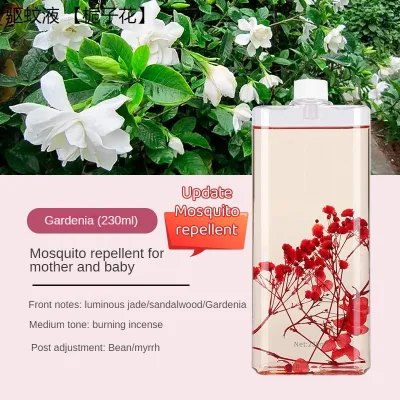
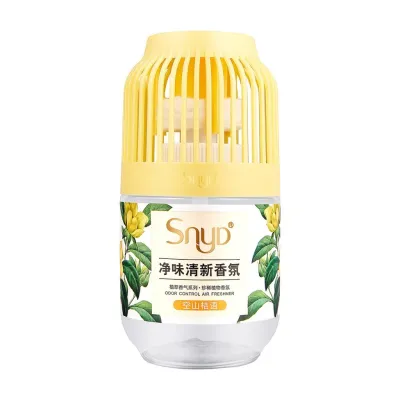
Prices are valid at publication and may change. Please refer to the product page for the latest price.
Understanding Diffuser Technologies for Effective Air Freshening
To use a diffuser effectively as an air freshener, you must first understand how different technologies disperse essential oils into the air. The two most common types found in the market are ultrasonic diffusers and nebulizing diffusers, each operating on entirely different principles.
Ultrasonic diffusers rely on a water-based mechanism. Inside the unit, a small ceramic disc vibrates at an extremely high frequency, creating ultrasonic waves that break down a mixture of water and essential oils into a fine, cool mist. Because they disperse water vapor along with the scent, these models add a small amount of moisture to the air. This makes them highly suitable for dry, air-conditioned rooms where they can help counteract the drying effects of the cooling system.
Nebulizing diffusers operate without water. They use Bernoulli’s principle, forcing pressurized air through a narrow tube to create a vacuum that pulls pure essential oil up and atomizes it into micro-particles. Because the scent is not diluted by water, nebulizers provide a much stronger and more immediate scent throw. This concentrated output makes them highly effective at masking odors and freshening larger, open spaces quickly.
Heat and evaporative models represent simpler, often more budget-friendly alternatives, but they come with notable limitations for air freshening. Heat-based diffusers use a small candle or electrical element to warm the oil, which can alter the chemical properties of the essential oils and diminish their aromatic quality. Evaporative models use a fan to blow air through a pad soaked in oil, which tends to have a limited scent projection distance and can result in uneven fragrance distribution over time.
Key Specifications to Compare When Evaluating Brands
When comparing different brands on online marketplaces or in local retail shops, you should look past aesthetic designs and focus on the technical specifications listed on the product packaging or user manual. These metrics provide an objective way to evaluate how well a device will perform in your home.

The first specification to check is the rated coverage area, usually measured in square meters. Manufacturers typically design diffusers for specific room sizes, ranging from small desktop units covering 10 square meters to heavy-duty models rated for 50 square meters or more. Always measure your room’s floor area before purchasing, and select a model with a coverage rating that matches or slightly exceeds your space to ensure the fragrance disperses adequately.
Tank capacity and continuous run time are equally important, particularly for ultrasonic models. A larger water tank, such as 300ml or 500ml, allows the unit to run for several hours without needing a refill. Many brands also offer intermittent misting schedules, which cycle the mist on and off at set intervals. This feature not only extends the total run time but also helps prevent olfactory fatigue, ensuring you continue to notice the fragrance throughout the day.
Noise levels, measured in decibels, can significantly impact your comfort, especially if you plan to use the diffuser in a bedroom or study. Ultrasonic diffusers are generally very quiet, often operating below 30 decibels, with only a gentle water-dripping sound. Nebulizing diffusers, because they contain an internal air pump, tend to produce a noticeable humming noise. If quietness is a priority, verify the decibel rating before making a purchase.
Finally, look for built-in safety features such as timers and automatic shutoff functions. An automatic shutoff feature is critical for ultrasonic models, as it cuts power to the vibrating plate when the water level runs dry, preventing overheating and potential electrical hazards. Timers allow you to program the device to run for a specific duration, giving you precise control over the scent intensity and energy consumption.
Matching Diffuser Output to Your Home Layout
The layout of your home and Singapore’s tropical climate play a major role in how effectively a diffuser functions as an air freshener. A setup that works perfectly in a small, enclosed room may struggle to perform in a spacious, open-concept living area.
In open-concept living and dining areas, air currents from ceiling fans, open windows, or air-conditioning units can quickly disperse and dilute the fragrance. To achieve an effective air freshening effect in these larger zones, you may need a diffuser with a high coverage rating, such as a nebulizer, or you might consider placing multiple smaller ultrasonic units in strategic locations. This helps distribute the scent more evenly without overwhelming a single spot.
For enclosed, air-conditioned bedrooms, the primary concern is maintaining a comfortable balance of humidity and scent. Because air conditioning removes moisture from the air, an ultrasonic diffuser can provide a pleasant, mild fragrance while gently humidifying the space. However, it is important to select a model with adjustable mist output or an intermittent timer. Running a high-output ultrasonic diffuser continuously in a small room can lead to excessive dampness, which may leave a wet residue on nearby wooden furniture, flooring, or electronics.
In non-air-conditioned rooms, Singapore’s naturally high humidity must be taken into account. Adding extra moisture to an already humid room can make the air feel heavy, warm, and uncomfortable. In these environments, a waterless nebulizing diffuser is often the superior choice for air freshening, as it delivers a pure, dry scent without increasing the indoor humidity levels.
Electrical Safety, Placement, and Routine Maintenance
Operating an essential oil diffuser safely and maintaining it properly are essential steps to ensure its longevity and consistent performance as an air freshener. Because these devices combine water and electricity, adhering to basic safety guidelines is paramount.
Before plugging in your new diffuser, verify that its voltage requirements are compatible with Singapore’s standard electrical supply of 230V and 50Hz. Ensure the power adapter features the appropriate plug type (Type G) and carries recognized safety certifications. If you are purchasing a model online from an overseas seller, double-check these electrical specifications to avoid damaging the unit or creating an electrical hazard.
Proper placement of the device is also crucial for safety and performance. Always place the diffuser on a flat, stable, and water-resistant surface, away from the edges of tables or countertops where it could be easily knocked over. Keep the unit away from direct sunlight, which can degrade the quality of the essential oils inside the tank, and position it at a safe distance from sensitive electronic appliances to prevent moisture ingress.
Routine cleaning is necessary to prevent the buildup of oil residues, which can clog the misting mechanisms and lead to mold growth. For ultrasonic models, empty any remaining water after every few uses, wipe the tank with a soft cloth, and gently clean the ultrasonic plate using a cotton swab dipped in rubbing alcohol. For nebulizing diffusers, running a small amount of rubbing alcohol through the glass nozzle periodically can help dissolve stubborn oil blockages and maintain a clear spray.
Always pay attention to the physical condition of your diffuser during operation. If you notice unusual noises, water leaking from the base, a burning smell, or flashing error lights, stop using the device immediately. Disconnect it from the power source and consult the manufacturer’s instruction manual or customer support team for troubleshooting advice.
Decision Framework: Which Setup Fits Your Home?
To choose the right essential oil diffuser to serve as an air freshener in your home, you can use a simple, condition-based decision framework. This approach ensures you select a device that aligns with your specific environment and personal preferences.
An ultrasonic model is highly suitable if you prefer a mild, continuous fragrance, plan to use the device in dry, air-conditioned rooms, and are looking for a budget-friendly option. This type of diffuser is also ideal if you enjoy the visual appeal of a gentle mist and do not mind refilling a water tank regularly.
A nebulizing model is the better choice if you require a strong, immediate scent throw to cover a large, open-concept living area or to mask persistent household odors. This option is also preferred if you want to avoid adding any moisture to the air, particularly in non-air-conditioned spaces, and do not mind a slightly higher rate of oil consumption and a mild operational hum.
Regardless of the technology you choose, always verify that the brand you select provides clear coverage metrics, readily available replacement parts, and local warranty support. Purchasing from brands with established local customer service ensures you can easily resolve any technical issues or source replacement components if needed.
Frequently Asked Questions (FAQ)
Can I use synthetic fragrance oils in an essential oil diffuser?
You should always check the manufacturer’s guidelines before using synthetic fragrance oils in your diffuser. Many synthetic oils contain heavy carrier oils or chemical additives that are much thicker than pure essential oils. These thick substances can quickly clog the delicate ultrasonic vibrating plates or the narrow glass nozzles of nebulizers, potentially causing permanent damage to the motor and voiding your product warranty.
How often should I clean the diffuser to maintain scent purity?
To maintain optimal performance and prevent scent cross-contamination, perform a quick wipe-down of the water tank or oil reservoir after every few uses, especially when switching to a different fragrance. A more thorough deep cleaning, using manufacturer-recommended cleaning solutions or rubbing alcohol, should be conducted weekly or bi-weekly depending on how frequently you use the device.
Community discussion
Share your experience or ask a question. Comments are reviewed before publication.