
Creating a custom room spray allows you to control the scent profile and ingredients in your living space, but finding the right aroma concentrate in Singapore requires a systematic approach. Because our tropical climate and high humidity can alter how scents disperse and settle, selecting a high-quality concentrate is the foundation of a successful DIY project. The most reliable brands are not necessarily those with the loudest marketing, but those that provide comprehensive technical documentation, clear safety certifications, and precise formulation guidelines. By focusing on ingredient transparency and chemical compatibility, you can craft a room spray that is both safe to inhale and highly effective at refreshing your home.
To achieve a professional-grade result, you must evaluate how different concentrates interact with carrier bases like water or alcohol. A common mistake is purchasing products labeled generically as “fragrance oils” without verifying if they are safe for aerosolized inhalation or if they will dissolve properly in your chosen medium. By learning how to read product labels, verify supplier credentials, and calculate correct mixing ratios, you can confidently source raw materials from local and international suppliers. This guide establishes a clear framework for evaluating aroma concentrates, sourcing them reliably within Singapore, and blending them safely for daily use.
Evaluating Aroma Concentrate Brands for Room Sprays
When assessing aroma concentrate brands, your first step should always be verifying compliance with the International Fragrance Association (IFRA) standards. The IFRA publishes strict guidelines and category-specific safety limits for fragrance ingredients, classifying room sprays under Category 10B (household aerosols and sprays). A reputable brand will readily provide an IFRA Certificate of Conformity, which specifies the maximum safe concentration of the oil in a room spray formulation. If a brand cannot or will not provide this certificate, it is best to avoid using their concentrates for products that will be sprayed into the air you breathe.
Products mentioned in this guide
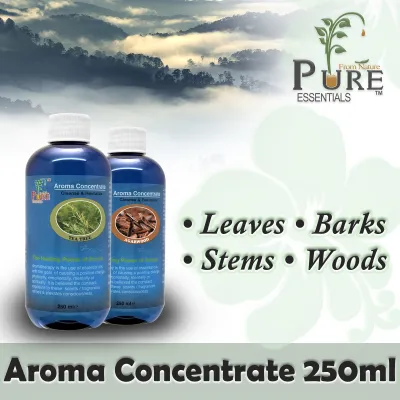
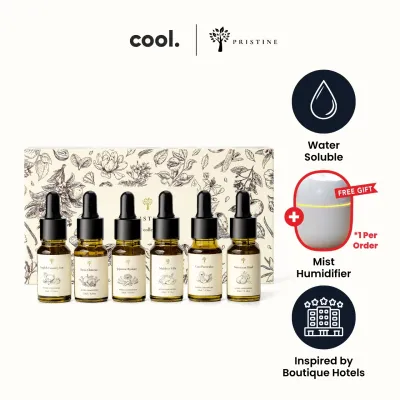
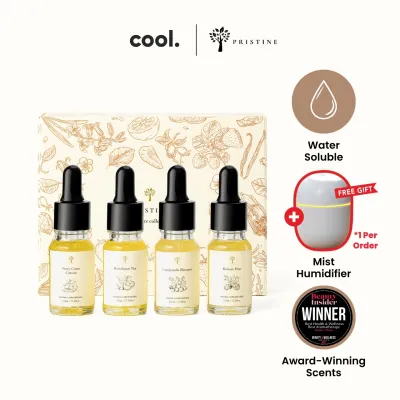

![[SG Seller] 10ml Mayci Premium Essential Oil Hotel Fragrance Concentrate Water Soluble for Humidifier and Diffuser](https://img.lazcdn.com/g/p/7e2f6aa1e89fcd26f7aff4b4f9349e1e.jpg_400x400q80.jpg_.webp)
Prices are valid at publication and may change. Please refer to the product page for the latest price.
Ingredient transparency is another critical indicator of a professional-grade aroma concentrate. While fragrance formulas are often protected as trade secrets, reliable manufacturers will provide a Safety Data Sheet (SDS) detailing potential allergens, hazards, and handling instructions. Look for labels that clearly state whether the product contains synthetic aroma chemicals, natural essential oils, or a blend of both. Additionally, check for flashpoint data on the product specification sheet, as this temperature threshold is crucial for determining how the concentrate behaves during mixing and storage, particularly when combined with flammable alcohol bases.
Understanding the solubility specifications of your chosen concentrate prevents formulation failures later in the process. Some aroma concentrates are oil-soluble, meaning they require an emulsifier or solubilizer to mix with water, while others are pre-formulated to be water-soluble or alcohol-compatible. You must also distinguish between pure essential oils, which are volatile plant extracts, and synthetic fragrance oils or aroma concentrates, which are engineered for stability and longevity. While essential oils offer natural scent profiles, synthetic concentrates often provide a more consistent scent throw and are less prone to rapid oxidation in Singapore’s warm environment.
Sourcing Reliable Suppliers in Singapore
Sourcing high-quality aroma concentrates in Singapore requires looking beyond generic online listings and identifying specialized local suppliers. Reputable fragrance and cosmetic ingredient suppliers operate as registered businesses with verifiable credentials, often catering to local hobbyists and small-scale cosmetic formulators. These suppliers typically maintain physical showrooms or dedicated warehouses where you can inspect the products, verify batch numbers, and speak with knowledgeable staff about formulation compatibility. Purchasing from a registered local business also ensures that the products have been imported and stored under climate-controlled conditions, preserving their chemical integrity.

If you prefer shopping on e-commerce platforms or online marketplaces, you must exercise extra diligence to filter out low-quality or counterfeit products. Examine the seller’s business profile to confirm they are a registered entity in Singapore rather than an unverified third-party reseller. Read through detailed customer feedback, paying close attention to reviews that mention the scent’s longevity, clarity, and mixing behavior. Avoid listings that use vague terminology like “perfume oil” without providing technical specifications, and prioritize sellers who offer clear return policies and responsive customer service for technical inquiries.
Before committing to bulk purchases of any aroma concentrate, it is highly recommended to request small samples or review the Technical Data Sheet (TDS) provided by the supplier. A TDS outlines the physical and chemical properties of the fragrance oil, including its specific gravity, refractive index, and appearance. Testing a small sample allows you to evaluate the scent throw—how well the fragrance disperses in a room— and observe how the oil reacts with your carrier base. This step is particularly important in Singapore, where air-conditioned interiors can cause certain heavy scent molecules to settle quickly, requiring a well-balanced concentrate to maintain an even distribution.
Formulating Your DIY Room Spray: Bases and Ratios
The performance of your DIY room spray depends heavily on the carrier base you choose to disperse the aroma concentrate. Alcohol-based formulations, typically utilizing high-proof perfumer’s alcohol or isopropyl alcohol, are highly effective because they evaporate rapidly, leaving only the scent behind without dampening surfaces. However, water-based formulations are often preferred by those seeking a gentler, non-flammable alternative. If you choose a water-based mix, you must include a solubilizer such as Polysorbate 20 or PEG-40 hydrogenated castor oil; without this additive, the hydrophobic aroma concentrate will float to the top, resulting in an uneven spray and potential skin irritation.
When establishing your mixing ratios, always start with a conservative dilution and perform small-batch testing before scaling up your production. A standard starting point for room sprays is a 1% to 5% concentration of aroma concentrate, with the remaining volume consisting of your carrier base and any necessary solubilizers or preservatives. For example, in a 100ml bottle, you might start with 2ml of aroma concentrate, 2ml of solubilizer (if using a water base), and 96ml of distilled water. Keep detailed records of your ratios, the specific batch numbers of your ingredients, and the ambient temperature during mixing to ensure you can replicate successful batches.
The following table outlines the key characteristics of different carrier bases to help you choose the right system for your DIY room spray:
| Carrier Base Type | Pros | Cons | Mixing Requirements | Drying Time |
|---|---|---|---|---|
| Alcohol-Based (e.g., Perfumer's Alcohol) | Rapid evaporation, excellent scent throw, self-preserving | Flammable, strong initial alcohol odor, drying to skin | Mixes directly with most oil-soluble concentrates | Extremely fast (seconds) |
| Water-Based with Solubilizer | Non-flammable, cost-effective, mild scent delivery | Requires solubilizer and preservative, slower drying | Must pre-mix concentrate with solubilizer at a 1:1 or 1:2 ratio | Moderate (depends on droplet size) |
| Hybrid (Water & Alcohol) | Balanced evaporation, reduced flammability, good throw | Requires careful ratio balancing to prevent cloudiness | May still require a solubilizer depending on water ratio | Fast to moderate |
Safety, Storage, and Handling Precautions
Working with concentrated fragrance ingredients and flammable carriers requires strict adherence to safety protocols in your home workspace. If you are formulating an alcohol-based room spray, ensure your mixing area is well-ventilated and completely free of open flames, sparks, or active heat sources like stoves or candles. Always wear protective gloves and safety eyewear when handling undiluted aroma concentrates, as direct contact can cause severe skin irritation or allergic reactions. In the event of an accidental spill, clean the area immediately with absorbent materials and wash your skin thoroughly with soap and water.
Proper storage is essential to preserve the chemical stability and scent profile of your finished room spray. Exposure to ultraviolet (UV) light and heat accelerates the oxidation of fragrance molecules, causing the scent to degrade, discolor, or develop off-notes. To prevent this, store your room sprays in UV-protective dark glass bottles, such as amber or cobalt blue glass, rather than clear plastic containers. Additionally, keep your stored bottles in a cool, dark cupboard away from direct sunlight and fluctuating temperatures, which are common in Singapore’s tropical climate.
When introducing a homemade room spray into your living environment, consider the safety of all household members, including children and pets. Avoid spraying the mixture directly onto delicate fabrics, polished wood surfaces, or leather, as the oils can leave permanent stains or damage finishes. Always spray upward into the center of the room, allowing the mist to disperse naturally through the air. Ensure the room has adequate ventilation during and after spraying, and never spray near pet bedding, food preparation areas, or individuals with known respiratory sensitivities or asthma.
Frequently Asked Questions (FAQ)
Why does my water-based room spray separate, and how can I fix it?
Water and oil do not naturally mix due to their differing chemical polarities. If your water-based room spray separates into distinct layers, it is because the formulation lacks a proper solubilizer, or the ratio of solubilizer to aroma concentrate is too low. To fix this issue in future batches, you must use a solubilizing agent like Polysorbate 20 or PEG-40 hydrogenated castor oil. A reliable rule of thumb is to pre-mix your aroma concentrate with the solubilizer at a 1:1 or 1:2 ratio in a separate container before slowly adding the distilled water while stirring continuously. This process creates a stable emulsion, preventing the oil from separating and ensuring a consistent scent with every spray.
Can I use DIY aroma concentrate sprays directly on fabrics and linens?
It is generally not recommended to spray DIY room sprays directly onto fabrics and linens unless the formulation has been specifically tested for textile compatibility. Because aroma concentrates contain concentrated oils, they can leave greasy, permanent stains on light-colored, delicate, or tightly woven fabrics like silk, satin, and polyester. If you wish to use your spray on linens, always perform a spot test on an inconspicuous, hidden area of the fabric first. To minimize the risk of staining, hold the spray bottle at least 30 centimeters away from the surface and spray a fine mist into the air above the fabric, allowing the scent to settle gently rather than saturating the material.
Community discussion
Share your experience or ask a question. Comments are reviewed before publication.