
Selecting the right bathroom light for a Housing & Development Board (HDB) flat requires balancing physical clearance with effective illumination. In a standard HDB bathroom with a ceiling height of 2.6 metres, bulky or low-hanging light fixtures can make the space feel cramped and present a physical hazard. The most effective solution is a slim-profile, flush-mount LED ceiling light or a well-planned recessed downlight system. These fixtures sit close to or flush with the ceiling, preserving precious headroom while distributing light evenly across a typically compact, high-humidity environment.
Assessing the 2.6m Ceiling Constraint in HDB Bathrooms
A ceiling height of 2.6 metres might seem standard, but once you account for the vertical space required for daily activities, the margin for error shrinks. In a bathroom, where users frequently raise their arms to dry their hair or reach for cabinets, a low-hanging fixture becomes an immediate physical obstacle. Maintaining a clear distance between the floor and the lowest point of the light fixture is essential for both safety and comfort. Ideally, the bottom of the light should sit at least 2.3 metres above the floor, leaving a maximum fixture depth of 30 centimetres, though a much slimmer profile is highly recommended.
Beyond physical clearance, the visual weight of a light fixture heavily influences how spacious a compact HDB bathroom feels. Large, ornate, or deeply suspended fixtures draw the eye downward, effectively lowering the perceived ceiling height and creating an oppressive, cave-like atmosphere. When a fixture protrudes too far into the room, it casts prominent shadows on the upper walls, which visually shrinks the boundaries of the space. Opting for a minimalist, low-profile design allows the ceiling plane to remain uninterrupted, making the entire bathroom feel taller and more open.
Products mentioned in this guide
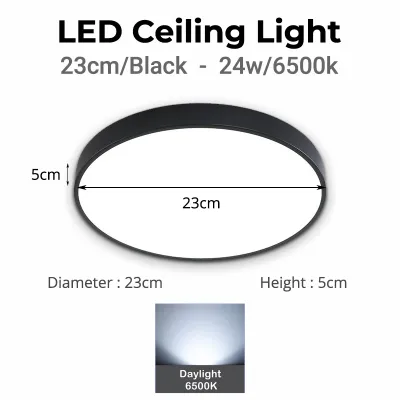
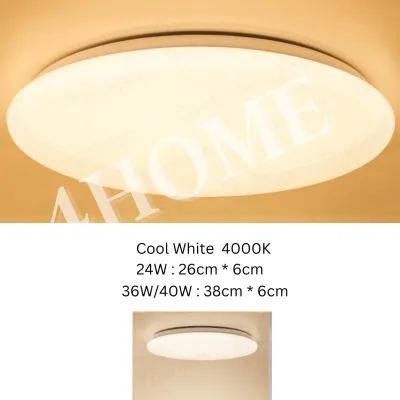
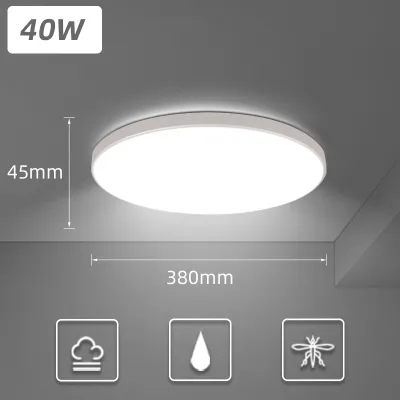
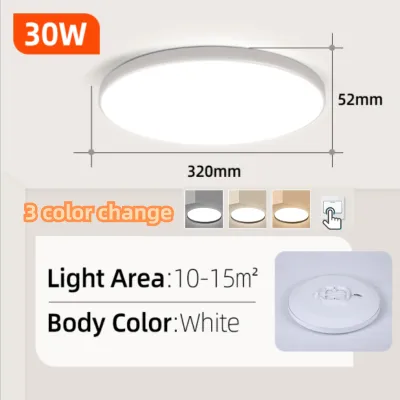
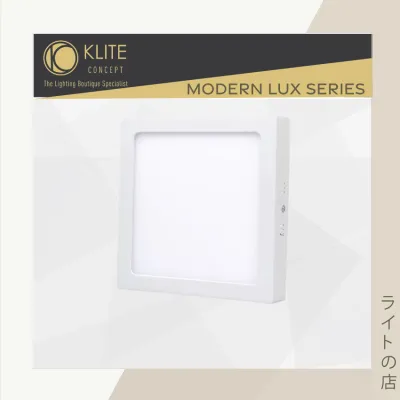
Prices are valid at publication and may change. Please refer to the product page for the latest price.
Choosing the Right Fixture Profile: Flush-Mount vs. Semi-Flush
When shopping for a bathroom light, you will primarily choose between flush-mount and semi-flush mount fixtures. Flush-mount lights install directly against the ceiling surface, leaving no gap between the fixture body and the plasterboard or concrete. This design is highly advantageous for 2.6-metre ceilings because it typically limits the fixture’s total depth to between 5 and 10 centimetres. By hugging the ceiling closely, flush-mounts maximize vertical clearance and blend seamlessly into the background, providing a clean, modern aesthetic.

Semi-flush mount lights, by contrast, hang from a short stem or collar, creating a small gap of several centimetres between the fixture and the ceiling. While semi-flush designs can direct some light upward to bounce off the ceiling—creating a soft, ambient glow—they also occupy more vertical space. In an HDB bathroom, even a modest 20-centimetre drop can make the fixture feel intrusive, particularly for taller household members. Furthermore, the gap above a semi-flush light can trap rising steam, dust, and insects, requiring more frequent maintenance.
Moisture resistance and ease of cleaning are critical factors when comparing these two profiles in a humid climate. Flush-mount fixtures designed for bathrooms often feature fully sealed enclosures that prevent steam and water droplets from entering the internal electrical components. This sealed design also means there are fewer crevices and flat upper surfaces where dust and grime can accumulate. Semi-flush fixtures, with their exposed upper surfaces and suspension hardware, are more difficult to wipe down and are more prone to accumulating unsightly water spots and dust layers over time.
Essential Specifications to Verify Before Purchase
Operating electrical fixtures in a wet, humid environment demands strict adherence to safety specifications. The first and most critical detail to verify is the Ingress Protection (IP) rating of the bathroom light. The IP rating consists of two digits: the first indicates protection against solid particles, and the second indicates protection against liquids. For general bathroom use, a minimum rating of IP44 is highly recommended, as it ensures the fixture is protected against water splashes from any direction. If the light is to be installed directly over a shower stall or bathtub, you must select a fixture with a higher rating, such as IP65, which protects against water jets.
Lumen output, which measures the total amount of visible light emitted by a source, must be carefully calibrated to ensure the bathroom is functional without being blinding. A bathroom requires bright, clear light for tasks like shaving or applying makeup, but excessive brightness in a small space can cause uncomfortable glare. For a standard HDB bathroom, a total output of 1,000 to 1,500 lumens is generally sufficient for the primary ceiling light. Choosing a fixture with a frosted or diffused cover helps distribute this light softly, eliminating harsh hotspots and reducing eye strain.
Before finalizing any purchase, you must verify that the fixture is fully compatible with local electrical standards. In Singapore, electrical appliances and light fittings must be rated for a nominal voltage of 230V at a frequency of 50Hz. Additionally, look for recognized safety certifications, such as the Safety Mark, which indicates the product has been tested and approved for safe use under local conditions. Using non-certified fixtures or importing lights designed for different voltage standards can lead to premature driver failure, flickering, or serious electrical hazards.
Planning Light Placement for Even Illumination
Achieving balanced illumination in a compact bathroom requires strategic placement of the primary light source. Centring the main bathroom light on the ceiling is the traditional approach, providing broad, ambient coverage across the entire room. However, a single central light source often fails to illuminate key functional areas adequately. For instance, if the central light is positioned behind you when you stand at the vanity mirror, your body will cast a shadow over your face, making grooming tasks difficult.
To avoid harsh shadows and glare in the vanity area, the relationship between the ceiling light and the mirror must be carefully managed. If space and budget permit, supplementing the main ceiling light with dedicated vanity lighting is highly effective. This can be achieved by installing a moisture-resistant LED strip or a slim linear light directly above or alongside the mirror. This secondary light source projects light directly onto your face, filling in the shadows cast by the overhead ceiling light and providing even, flattering illumination.
When planning your layout, consider how light reflects off the various surfaces in your bathroom. Highly reflective wall tiles, glass shower screens, and polished countertops can redirect light in unexpected ways, sometimes creating distracting glare. Positioning the main ceiling light slightly away from highly reflective vertical surfaces, or choosing a fixture with a wide, 120-degree beam angle, helps soften these reflections. This ensures that the light is distributed evenly across the floor and walls, enhancing the overall sense of space.
Installation Safety and When to Call an Electrician
Working with electrical installations in a wet environment like a bathroom carries inherent risks that require strict safety protocols. Before attempting to inspect, clean, or replace any light fixture, you must isolate the power supply at the main consumer unit by switching off the circuit breaker dedicated to the lighting circuit. Simply turning off the wall switch is not sufficient, as residual current or faulty wiring can still present a lethal shock hazard. Use a reliable voltage tester to confirm the wires are completely dead before touching any connections.
During the inspection of an existing junction box, keep an eye out for warning signs that indicate outdated or deteriorating wiring. Brittle insulation, discoloured copper wires, or signs of scorching on the terminal blocks are clear indicators of electrical stress or age. If you notice any of these issues, or if the existing wiring lacks a proper grounding wire, do not attempt to install a new fixture yourself. These conditions require immediate professional attention to prevent electrical fires or short circuits.
While replacing a simple, surface-mounted light fixture is a task some homeowners feel comfortable performing, any modification to the underlying electrical infrastructure must be handled by a professional. In Singapore, electrical wiring work must be carried out by a licensed electrical worker. If your installation involves cutting into the ceiling to install recessed housings, running new wiring conduits, or modifying the structural ceiling to support a heavier fixture, you must engage a qualified professional. This ensures the work complies with local building regulations and safety standards, protecting your home and your family.
Frequently Asked Questions (FAQ)
Can I install recessed downlights in an HDB bathroom ceiling?
Yes, you can install recessed downlights in an HDB bathroom, but this setup requires a false ceiling to conceal the housings and wiring. Standard HDB concrete ceilings do not have the built-in cavities required for recessed fixtures, so a false ceiling must be constructed, which will slightly reduce the overall room height from the standard 2.6 metres. When planning this installation, ensure there is sufficient clearance space—typically at least 10 to 15 centimetres—between the concrete slab and the false ceiling to accommodate the downlight drivers and allow for heat dissipation. Additionally, ensure that any recessed downlights selected are specifically rated for bathroom use, featuring appropriate moisture seals and IP ratings to prevent humid air from rising into the ceiling void.
Are smart bathroom lights suitable for compact HDB bathrooms?
Smart bathroom lights can be highly practical for compact HDB bathrooms, provided they are designed to withstand high humidity. When selecting smart bulbs or integrated smart fixtures, you must verify that the entire unit, including its internal wireless modules and drivers, carries an appropriate IP rating, such as IP44. The enclosed, tiled nature of HDB bathrooms can sometimes degrade wireless signals, so ensure your home Wi-Fi or smart hub signal reliably reaches the bathroom. Finally, always maintain a physical manual override, such as a standard wall switch or a compatible smart switch, so that the light remains fully functional even if your wireless network experiences temporary downtime.

Community discussion
Share your experience or ask a question. Comments are reviewed before publication.