
Selecting the right lighting for a standard Housing & Development Board (HDB) flat requires balancing functional illumination with the physical constraints of a 2.6-meter ceiling. At this height, choosing the wrong fixture can quickly make a room feel cramped, reduce headroom, or create harsh, uneven glare. Canmeijia LED ceiling lights offer a variety of low-profile, high-efficiency options that are well-suited for these compact vertical spaces, provided you select models with the correct thickness, lumen output, and diffusion characteristics. By focusing on ultra-slim flush-mount designs and verifying key technical specifications, you can achieve a bright, open, and visually comfortable home environment.
Assessing the 2.6m HDB Ceiling Constraint
A ceiling height of 2.6 meters is standard across most modern HDB flats in Singapore, presenting unique spatial and visual challenges for interior lighting. The primary concern when selecting fixtures for these spaces is maintaining adequate headroom to prevent head-strike hazards and avoid a claustrophobic atmosphere. For high-traffic areas like living rooms, corridors, and kitchens, a minimum clearance of 2.1 to 2.3 meters from the floor to the bottom of the light fixture is highly recommended. This leaves a maximum vertical allowance of 30 to 50 centimeters for the fixture itself, immediately ruling out long pendant lights, low-hanging chandeliers, or bulky semi-flush designs that protrude deep into the living space.
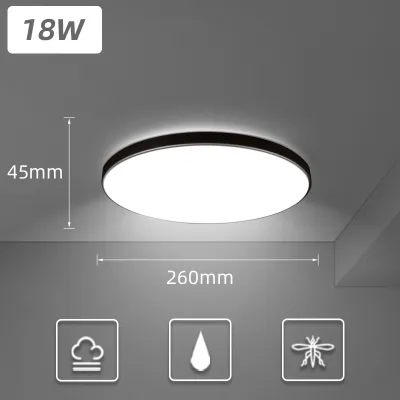
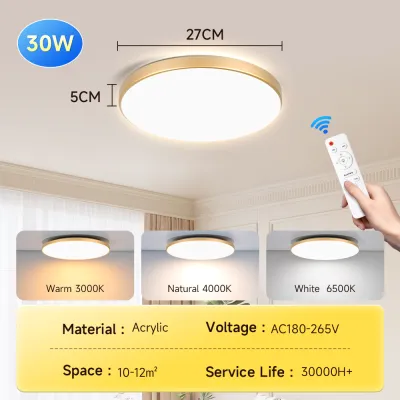
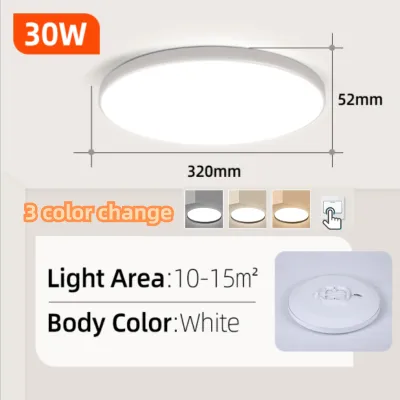
Opting for flush-mount or ultra-slim profiles is the most effective way to preserve this precious vertical clearance. An ultra-slim LED panel or flush-mount fixture typically protrudes less than 5 centimeters from the ceiling surface, effectively maximizing the physical volume of the room. By keeping the light source close to the ceiling plane, you minimize the physical footprint of the fixture, allowing family members and guests to move freely without any risk of accidental contact. Furthermore, flush-mount designs prevent the visual clutter that occurs when multiple hanging fixtures disrupt the sightlines across an open-plan flat.
Products mentioned in this guide
Prices are valid at publication and may change. Please refer to the product page for the latest price.
Beyond physical clearance, the visual design of the fixture plays a significant role in how spacious a room feels. Fixtures with white or neutral finishes that match the ceiling paint tend to blend seamlessly into the background, creating an illusion of a higher ceiling. Conversely, dark, heavy bezels or highly ornate frames draw the eye upward and create a sharp visual boundary, which can make the ceiling feel lower than it actually is. Choosing a bezel-less or thin-bezel Canmeijia model allows the light to transition smoothly from the diffuser to the ceiling, softening the edges and visually expanding the room volume.
Evaluating Canmeijia Specifications for Low Ceilings
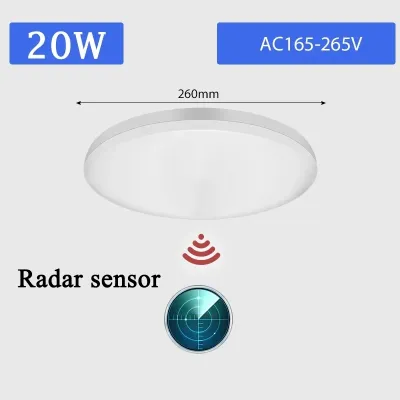
When browsing Canmeijia options on online marketplaces, it is crucial to evaluate the physical dimensions and technical specifications listed on the product packaging or seller description. Do not rely solely on promotional images, which are often digitally altered and can make fixtures appear smaller or thinner than they are in reality. Always locate the exact product dimensions, specifically the thickness or drop from the ceiling. For a 2.6-meter ceiling, prioritize fixtures with a thickness of 5 centimeters or less, as these provide the cleanest look and the safest clearance.

Another critical step is matching the lumen output of the LED fixture to the specific square footage of your room, rather than relying on wattage as a measure of brightness. Wattage only indicates power consumption, whereas lumens measure the actual light emitted. In a low-ceiling environment, over-illuminating a space can lead to intense, uncomfortable glare, while under-illuminating can make the room feel gloomy. As a general guideline, living rooms and bedrooms typically require around 100 to 150 lumens per square meter (lux), while kitchens and study areas benefit from 200 to 300 lux. Calculate the area of your room by multiplying its length and width in meters, multiply that by the desired lux level to find the total required lumens, and then select a Canmeijia model that matches this target.
Color temperature, measured in Kelvin (K), is another specification that directly influences the mood and perceived height of your space. For HDB flats, a multi-CCT or tri-color Canmeijia model offers the greatest flexibility, allowing you to switch between warm white (3000K), cool white (4000K), and daylight (6500K). Warm white is ideal for creating a cozy, relaxing atmosphere in bedrooms and living areas during the evening. Cool white provides a balanced, natural light suitable for general daytime activities, while daylight is best reserved for task-oriented spaces like kitchens, bathrooms, or study desks where high visibility is required.
Finally, pay close attention to glare control features when selecting low-profile fixtures. Because the light source is closer to eye level in a 2.6-meter room, direct exposure to raw LED chips can cause eye strain and discomfort. Look for Canmeijia models equipped with high-quality frosted polycarbonate diffusers or PMMA covers. These materials scatter the light evenly across the surface of the fixture, eliminating harsh hot spots and creating a soft, uniform glow. Some advanced models also feature indirect lighting designs, where the LEDs shine upward or sideways into a reflector, further reducing direct glare and creating a more comfortable visual environment.
Sizing and Placing Fixtures Across HDB Floor Plans
Determining the correct physical size of your ceiling light is essential for maintaining visual balance across your HDB floor plan. A fixture that is too small will look lost on the ceiling and may fail to distribute light evenly, while a fixture that is too large can visually overwhelm the room. A reliable proportional guideline to determine the ideal fixture diameter is to add the length and width of the room in meters, then multiply the sum by 10 to get the approximate fixture diameter in centimeters. For example, a bedroom measuring 3 meters by 3 meters would benefit from a fixture with a diameter of approximately 60 centimeters.
In open-concept HDB layouts, such as combined living and dining areas, relying on a single central light fixture is rarely sufficient. Instead, use multiple smaller flush-mount fixtures to define distinct functional zones. Placing one appropriately sized fixture over the living room seating area and another over the dining table helps separate the spaces visually without the need for physical partitions. Ensure that the fixtures are spaced evenly to prevent dark spots between zones, and consider using independent switches so you can adjust the lighting levels in each area based on your activities.
Low-ceiling rooms are particularly prone to harsh shadows in corners and along walls if the central light source does not have a wide beam angle. To address low-light corners in bedrooms or study areas, complement your main Canmeijia ceiling light with secondary lighting sources. Slim, surface-mounted spotlights or track lights directed toward wardrobes or bookshelves can eliminate dark corners and make the entire room feel wider. In narrow walkways and corridors, installing a series of small, low-profile downlights spaced evenly along the path ensures safe passage and a bright, welcoming transition between rooms.
Verifying Electrical and Installation Compatibility
Before purchasing any Canmeijia LED ceiling light, you must verify that the electrical specifications are fully compatible with Singapore’s residential power supply. Standard HDB flats operate on a nominal voltage of 230V AC at a frequency of 50Hz. Ensure that the product listing or packaging explicitly states compatibility with this voltage range, typically listed as 220V-240V. Using a fixture designed for lower voltage systems, such as 110V, without a proper transformer will damage the LED driver and poses a severe electrical safety hazard.
Additionally, you must assess the physical condition of the mounting location on your ceiling. Standard HDB ceilings are constructed of solid concrete, which provides a highly stable foundation but requires appropriate mounting hardware. Inspect the existing ceiling point for any signs of moisture, crumbling concrete, or damaged wiring insulation. If you are replacing an older, heavier fixture, ensure that any existing ceiling hooks or mounting brackets are removed safely. The new Canmeijia fixture will typically come with a mounting bracket that must be screwed directly into the concrete using suitable wall plugs and screws.
Working with electrical wiring carries inherent risks of shock, fire, and injury. Always isolate the power supply at the main distribution board (MCB) by switching off the corresponding circuit breaker before touching any wires. Verify that the power is completely off using a reliable voltage tester. While mounting a simple flush-mount light can sometimes be done as a DIY project if you have the necessary tools and experience, you must stop and consult a licensed electrician for complex installations. If your project involves running new wiring, modifying structural concrete, installing dimmers on incompatible circuits, or working at heights that feel unsafe, hiring a qualified professional ensures compliance with local safety regulations and guarantees a secure installation.
Frequently Asked Questions (FAQ)
Can I use a dimmable Canmeijia light with my existing HDB wall switch?
Standard HDB wall switches are simple on/off toggle switches and do not support dimming functionality. If you connect a dimmable Canmeijia LED light to a standard switch, it will only operate at full brightness. To enable dimming, you must install a compatible LED dimmer switch. Attempting to use an incompatible dimmer, such as an older analog dimmer designed for incandescent bulbs, can cause the LED light to flicker, buzz, or experience a significantly reduced lifespan. Always check the Canmeijia product manual or specification sheet to identify the specific type of dimmer required, such as trailing-edge or triac dimmers, before making any modifications to your wall switches.
How do I clean an ultra-slim LED ceiling light safely?
Routine maintenance is essential to keep your ultra-slim LED ceiling light performing efficiently and looking its best. Before starting, always turn off the power at the main wall switch and allow the fixture to cool down completely to avoid any risk of electrical shock or burns. Use a dry, clean, and soft microfiber cloth to gently wipe away dust and cobwebs from the diffuser and the outer edges of the bezel. Avoid using harsh chemical cleaners, alcohol, or abrasive scrubbing pads, as these can scratch or degrade the plastic diffuser. If there are stubborn spots, use a slightly damp microfiber cloth with water only, ensuring that no moisture penetrates the electrical seams, the ceiling mount, or the LED driver housing.

Community discussion
Share your experience or ask a question. Comments are reviewed before publication.