
Selecting the right ceiling LED lights for a standard Housing & Development Board (HDB) flat requires balancing functional illumination with spatial design. With a standard ceiling height of 2.6 meters, standard Singapore apartments present a unique architectural constraint where bulky or low-hanging light fixtures can quickly make a room feel cramped, dark, or visually cluttered. Fortunately, modern LED technology offers a wide range of ultra-slim, surface-mounted, and flush-mount fixtures designed specifically to maximize headroom while delivering bright, even light distribution. By understanding how fixture profiles, dimensions, and light spread interact with your room’s layout, you can create an open, airy atmosphere that enhances both the comfort and aesthetic appeal of your home.
Assessing Your Space and the 2.6m Ceiling Constraint
A ceiling height of 2.6 meters is highly functional, but it leaves little room for vertical error when it comes to interior design. When you install a fixture that protrudes too far downward, it lowers the visual plane of the room, drawing the eyes downward and creating an oppressive, heavy feeling overhead. This visual clutter is particularly noticeable in high-traffic areas where family members gather and move frequently.
To choose the right ceiling LED lights, you must first evaluate the specific functional requirements of each room in your HDB flat. Living rooms and dining areas are multi-functional spaces that require versatile lighting for socializing, dining, and relaxing. Bedrooms, on the other hand, benefit from softer, more localized illumination that promotes rest. Utility spaces, kitchens, and bathrooms demand bright, focused task lighting to ensure safety and precision during daily chores.
Products mentioned in this guide
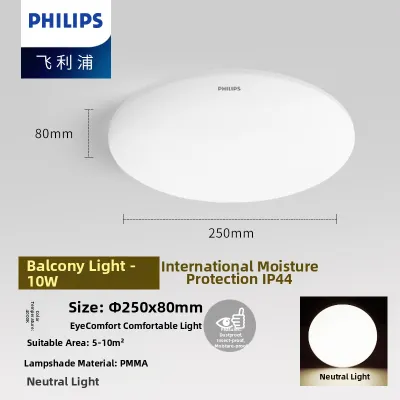
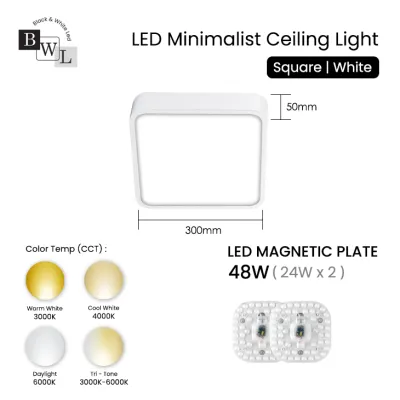
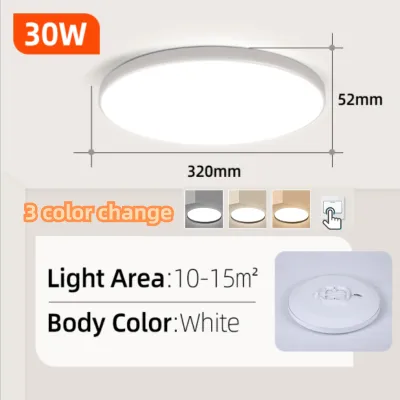
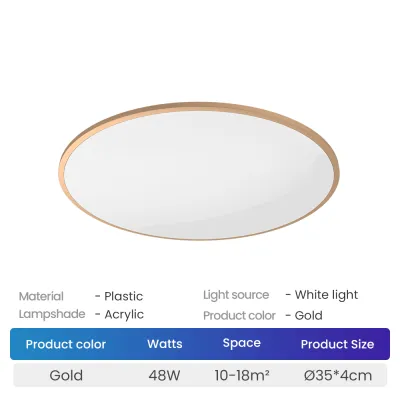
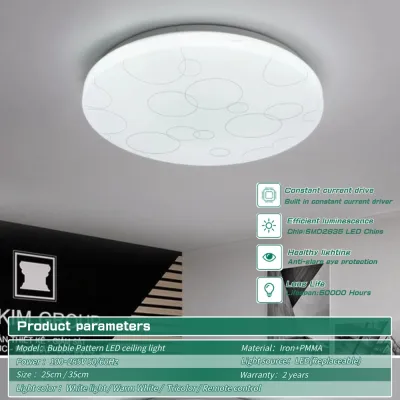
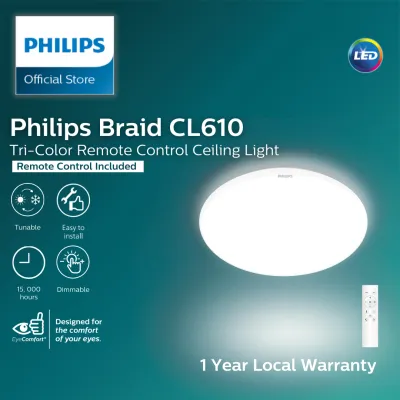
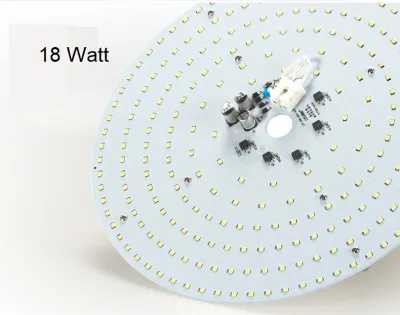
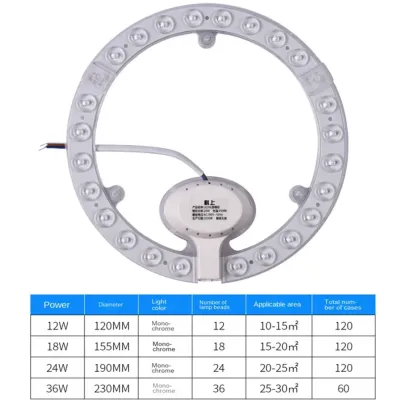
Prices are valid at publication and may change. Please refer to the product page for the latest price.
Beyond visual aesthetics, physical clearance is a critical safety consideration. You must maintain a clear path for safe movement, ensuring that tall occupants can walk comfortably without any risk of contacting the light fixtures. Furthermore, if you plan to integrate ceiling fans, you must carefully calculate the clearance between the fan blades and your light fixtures. Placing a light too close to a ceiling fan can create a highly distracting strobing effect as the blades pass beneath the light source, which can cause eye strain and discomfort.
Selecting the Right Fixture Profile to Maximize Headroom
To preserve as much vertical space as possible, the physical profile of your ceiling LED lights is the most important factor to consider. Flush-mount fixtures and ultra-slim surface-mounted LED panels are the ideal choices for low-clearance environments. These fixtures mount directly against the concrete ceiling, protruding only a few centimeters into the room. Ultra-slim LED panels, in particular, offer a sleek, minimalist aesthetic that mimics the clean look of recessed lighting without requiring a false ceiling.

Conversely, hanging fixtures such as pendant lights, chandeliers, and deep semi-flush mounts are generally unsuitable for a standard 2.6m HDB ceiling. These designs rely on vertical suspension to achieve their intended aesthetic effect. When hung from a low ceiling, they not only present a physical hazard but also visually cut the room in half, making the walls feel shorter and the floor area feel more confined.
The visual weight of the fixture’s base and frame also plays a significant role in how spacious your room feels. Fixtures with thick, dark bezels or heavy metallic frames draw immediate attention to the ceiling boundary, emphasizing the height limit. Choosing frameless designs, thin-bezel fixtures, or covers that match the color of your ceiling paint helps the light blend seamlessly into the ceiling plane. This seamless integration allows the eyes to travel smoothly across the room, creating an illusion of a larger, more open space.
Sizing Your Ceiling LED Lights for Visual Balance
Achieving visual balance in your HDB flat requires selecting a fixture size that is proportional to the room’s floor area. A light fixture that is too small will look lost and fail to provide adequate illumination, while an oversized fixture will dominate the ceiling and make the room feel top-heavy. As a general guideline, you can determine the appropriate fixture diameter by checking the dimensions of your room; larger living rooms typically require wider fixtures, while compact bedrooms and hallways are better suited for smaller profiles.
In addition to diameter, the thickness of the fixture is a key dimension to verify. To maintain the continuity of the ceiling plane and avoid visual heaviness, look for surface-mounted LED lights with a maximum thickness of 5cm or less. A slim profile ensures that the fixture remains an unobtrusive part of the ceiling rather than a prominent architectural projection.
For larger HDB living and dining areas, relying on a single, massive central fixture can often lead to uneven light distribution and dark corners, which visually shrinks the room. Instead, consider a multi-light layout. Combining a slim, central surface-mounted light with strategically placed track lights or smaller auxiliary fixtures allows you to distribute light evenly across the entire space. This approach eliminates dark zones and highlights different functional areas without requiring a single, bulky fixture that compromises your headroom.
Optimizing Brightness and Light Distribution
In rooms with 2.6m ceilings, how light is distributed is just as important as the physical size of the fixture. To prevent harsh shadows and intense ceiling hotspots, look for ceiling LED lights equipped with wide beam angles—ideally 120 degrees or more—and high-quality diffused lenses. Frosted or opal diffusers scatter the light evenly in all directions, softening the transition between light and shadow and making the entire room feel brighter and more spacious.
Color temperature is another crucial factor that should be selected based on room function and personal preference. Warm white light (typically 2700K to 3000K) creates a cozy, inviting atmosphere suitable for bedrooms and dining areas. Cool white light (around 4000K) offers a balanced, neutral illumination that is excellent for general living spaces and study areas. Daylight (around 6500K) provides high contrast and clarity, making it ideal for kitchens, bathrooms, and utility areas where precise tasks are performed.
To maximize the versatility of your lighting, consider installing dimmable LED drivers or smart lighting controls. Dimmable systems allow you to adjust the brightness levels throughout the day, transitioning from bright, energizing light in the morning to soft, relaxing illumination in the evening. This flexibility not only enhances visual comfort by reducing glare but also helps you customize the ambiance of your HDB flat to suit different activities and moods.
Pre-Installation Checks and Electrical Safety Boundaries
Before purchasing or installing any ceiling LED lights, it is essential to perform thorough pre-installation checks to ensure safety and compatibility. Start by verifying your existing electrical setup, including the voltage compatibility (standard 230V in Singapore), the condition of the wiring, and the weight limits of the existing junction box or ceiling anchors. Ensure that the mounting surface is structurally sound and capable of supporting the weight of the new fixture.
When selecting lights for damp or wet environments, such as bathrooms, kitchens, or service yards, always consult the manufacturer’s specifications to verify the Ingress Protection (IP) rating. Fixtures installed in these areas must have adequate protection against moisture and dust to prevent electrical short circuits and ensure long-term durability. Look for certified products that meet local safety standards and carry recognized safety marks.
Electrical safety should always be your top priority. While simple tasks like replacing a light bulb can be done safely by homeowners, any modification to fixed electrical wiring, installing new light points, or mounting heavy fixtures falls outside the scope of DIY work. In Singapore, all fixed electrical wiring installations and modifications must be carried out by a licensed electrical worker (LEW) to comply with safety regulations. Before conducting any inspection, cleaning, or maintenance on your light fixtures, always isolate the power at the main distribution board (DB box) to eliminate the risk of electrical shock.
Frequently Asked Questions (FAQ)
Can I use recessed downlights instead of surface-mounted ceiling LED lights?
Recessed downlights are a popular choice for a clean, modern look, but they require a false ceiling to house the fixture body, driver, and wiring. Installing a false ceiling typically lowers your overall ceiling height by 10cm to 15cm, which can make a standard 2.6m HDB flat feel significantly lower and more enclosed. Installing recessed lights directly into concrete ceilings is generally not feasible due to structural limitations and HDB renovation guidelines. If you prefer the look of downlights, ultra-slim surface-mounted downlights are an excellent alternative that provides a similar aesthetic without sacrificing valuable headroom.
How do I clean and maintain slim-profile LED ceiling fixtures?
To clean your slim-profile LED ceiling lights safely, always begin by turning off the power at the main switch or distribution board. Allow the fixture to cool completely before touching it. Use a dry or slightly damp, soft microfiber cloth to gently wipe away dust and debris from the acrylic or polycarbonate diffuser. Avoid using harsh chemical solvents, abrasive cleaning pads, or excessive water, as these can scratch the diffuser, degrade the plastic material, or damage the internal electronic components. Always refer to the manufacturer’s care instructions for specific material recommendations.

Community discussion
Share your experience or ask a question. Comments are reviewed before publication.