
Selecting the right ceiling light for an HDB kitchen with a standard 2.6-meter ceiling requires balancing spatial constraints, environmental durability, and electrical safety. Because specific brand inventories and model availability fluctuate, the most reliable approach is to evaluate brands based on their low-profile engineering, driver reliability, and local safety certifications. A 2.6m ceiling height leaves little vertical clearance once overhead cabinets and human height are factored in, making bulky or suspended fixtures impractical. Homeowners should prioritize brands that offer ultra-slim flush-mount LED panels or low-profile surface-mounted downlights to ensure the kitchen remains bright, visually spacious, and safe from accidental contact during daily activities.
In Singapore’s HDB flats, the kitchen is a high-traffic zone where space is at a premium. With a standard ceiling height of 2.6 meters, every centimeter of vertical clearance matters. Installing a bulky or low-hanging light fixture can make the space feel cramped, interfere with tall cabinet doors, or even pose a physical hazard. Therefore, the ideal lighting solution must be low-profile, highly efficient, and capable of withstanding the unique environmental challenges of a cooking area.
Rather than searching for a single brand name, homeowners should focus on identifying brands that design fixtures specifically for low-clearance environments. These brands prioritize ultra-slim form factors, robust thermal management, and high-quality diffusers that distribute light evenly without creating harsh shadows. By focusing on technical specifications, safety certifications, and practical design features, you can select a ceiling light that enhances both the functionality and the visual appeal of your kitchen.
Products mentioned in this guide
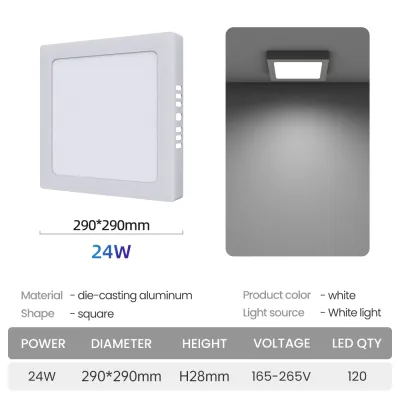
Prices are valid at publication and may change. Please refer to the product page for the latest price.
Understanding HDB Kitchen Constraints at 2.6m Ceilings
A ceiling height of 2.6 meters presents distinct physical limitations that directly influence your choice of light fixtures. To maintain a comfortable and safe environment, the bottom of the light fixture should ideally sit at least 2.3 meters above the floor. This leaves a maximum allowable drop of 30 centimeters, though choosing a fixture with a thickness of 5 centimeters or less is far more practical for preserving an open, unobstructed feel.
Beyond physical clearance, the kitchen environment itself is highly demanding. Cooking processes release a constant stream of airborne grease, steam, heat, and fine moisture droplets. Over time, these substances settle on the ceiling and any mounted fixtures. If a light fixture is not adequately sealed, grease and moisture can penetrate the housing, leading to electrical short circuits, corrosion of internal components, and premature failure of the LED diodes. Furthermore, the accumulation of sticky grease on the exterior of the fixture makes cleaning difficult and can cause cheap plastic diffusers to yellow and degrade rapidly.
Kitchen layouts also play a critical role in how light is distributed. Many HDB kitchens feature narrow galley layouts or L-shaped countertops lined with deep overhead cabinets. If you rely on a single, centrally mounted ceiling light, your body will inevitably block the light when you stand at the countertop to prep food or wash dishes, casting deep shadows over your workspace. To counter this, the chosen lighting brand must offer fixtures with wide beam angles, or you must plan a distributed layout that ensures light reaches every corner of the kitchen without being obstructed by cabinetry.
Core Criteria for Evaluating Ceiling Light Brands
When evaluating ceiling light brands for your kitchen, the first and most critical criterion is local electrical safety compliance. In Singapore, electrical control gear, including LED drivers and integrated ceiling lights, are classified as controlled goods. Reputable brands must submit their products for rigorous testing to obtain the Enterprise Singapore Safety Mark. This certification ensures that the fixture’s electrical insulation, wiring, and thermal management meet strict national safety standards, significantly reducing the risk of electrical fires or shocks in a high-humidity kitchen environment.

When evaluating brands, verify that their fixtures match Singapore’s standard 230V voltage and that the driver’s wattage limit is compatible with your kitchen’s electrical circuit. You should also check the base or interface type, the physical dimensions of the fixture, and whether the dimming method (if any) is compatible with your existing wall switches. Brands that engineer fixtures specifically for low-clearance spaces often utilize advanced edge-lit LED technology. This design allows the fixture to remain incredibly thin—often under 2.5 centimeters—while still delivering bright, uniform light. Additionally, these brands design their fixtures with integrated drivers or highly compact external drivers that can easily fit inside standard concrete ceiling junction boxes, eliminating the need to carve out extra space or install a false ceiling.
Local after-sales support and warranty terms are equally important. Because modern ceiling lights feature integrated LEDs rather than replaceable bulbs, a failure in the driver or the LED panel usually requires replacing the entire unit. Choosing a brand with an established local distributor or service center in Singapore ensures that you can easily claim warranty support, obtain compatible replacement parts, or seek professional advice without facing long shipping delays. Look for brands that offer at least a one-to-two-year local warranty on both the LED panel and the driver.
Finally, pay close attention to the structural sealing of the fixtures. Cheaply made ceiling lights often have small gaps between the diffuser and the backplate, allowing dust, cooking grease, and small insects to crawl inside. Over time, these accumulate and create unsightly dark spots that are visible when the light is turned on. High-quality brands design their flush mounts with tight rubber gaskets, foam seals, or seamless twist-and-lock mechanisms that completely seal the optical chamber, keeping the interior pristine and maintenance-free.
Best Fixture Types for 2.6m Kitchen Ceilings
For a standard 2.6-meter HDB kitchen ceiling, ultra-slim LED flush-mount ceiling lights are undoubtedly the most practical choice. These fixtures mount directly against the concrete slab, protruding only a few centimeters into the room. By sitting flush with the ceiling, they maximize headroom and create a clean, minimalist aesthetic that makes the kitchen feel larger. Furthermore, flush-mounts typically feature wide-angle diffusers that distribute light across a broad 110-to-120-degree arc, providing excellent ambient illumination that fills the entire space and softens shadows.
If you prefer a more seamless, architectural look, recessed downlights are an excellent alternative, but they come with specific structural conditions. Installing recessed downlights requires a false ceiling to conceal the fixtures’ housings and wiring. Because a false ceiling typically drops the overall height of the room by 10 to 15 centimeters, your net ceiling height will be reduced to approximately 2.45 or 2.5 meters. To minimize this loss of headroom, you must select ultra-thin recessed LED panels that require minimal plenum depth (often less than 5 centimeters) and ensure that the false ceiling is kept as high as possible.
Conversely, certain fixture types should be strictly avoided in a standard kitchen. Pendant lights, chandeliers, and low-hanging semi-flush mounts are highly unsuitable for a 2.6-meter ceiling. These fixtures hang down into the active workspace, creating a severe collision hazard when you are moving tall pots, cleaning high shelves, or carrying groceries. Visually, they also draw the eye downward, making the ceiling feel lower and the kitchen more cramped. Unless you have a dedicated dining island with a high clearance zone, stick to flush or recessed options to keep the space safe and visually open.
Sizing, Brightness, and Color Temperature Guide
Selecting the right size and brightness for your kitchen light depends heavily on the floor area and the reflectivity of your kitchen surfaces. For a typical HDB kitchen measuring between 6 and 10 square meters, you generally require a total light output of 1,500 to 3,000 lumens to ensure adequate visibility. If your kitchen features dark countertops, dark cabinetry, or deep-toned wall tiles, these surfaces will absorb more light, meaning you will need a higher lumen output to achieve the same level of brightness as a kitchen with white or light-colored finishes.
To achieve optimal lighting without glare, it is highly effective to combine your main ambient ceiling light with focused task lighting. Instead of relying on a single, ultra-bright ceiling fixture that can cause harsh reflections, install a moderately bright flush-mount light for general illumination, and supplement it with under-cabinet LED strip lights. This layered approach ensures that critical work areas, such as the cutting board, stove, and sink, are brightly lit from directly above, eliminating the shadows cast by your body when standing at the counter.
When it comes to color temperature, neutral white light—typically around 4000K—is widely considered the best choice for kitchen environments. Unlike warm white (3000K), which can make the space feel too cozy and dim for precise tasks, or cool daylight (6500K), which can feel clinical and harsh, neutral white provides a clean, balanced light that enhances alertness. More importantly, neutral white light offers excellent color rendering, allowing you to accurately judge the freshness of ingredients, the color of meat as it cooks, and the cleanliness of your countertops, making your culinary preparation both safer and more enjoyable.
Installation Safety and Electrical Verification
Before installing any new ceiling light, several critical safety and electrical factors must be verified. First, the load-bearing capacity of the existing ceiling junction box must be checked against the weight of the new fixture. While modern LED flush-mounts are generally lightweight, they must still be securely anchored to the concrete slab using appropriate masonry wall plugs and screws. Never rely solely on the plastic threads of an old, degraded junction box to support the weight of a new fixture, as this can lead to the light loosening or falling over time.
The installation environment also dictates the required protection level of the fixture. If the light is to be installed directly above a sink, a dish-drying rack, or a high-steam cooking zone, it is essential to choose a fixture with an appropriate Ingress Protection (IP) rating, such as IP44 or IP54. This rating ensures that the light is protected against splashing water and heavy steam, preventing moisture from bypassing the seals and causing electrical faults. For fixtures placed further away from direct water sources, a standard indoor rating is acceptable, provided the kitchen is well-ventilated.
Finally, it is crucial to recognize the boundaries of safe DIY installation. While replacing an existing, identical flush-mount fixture on a standard light point can be done safely by an experienced homeowner, any task that involves modifying the fixed wiring, routing new electrical circuits, or installing a false ceiling must be carried out by a Licensed Electrical Worker (LEW) in Singapore. Before commencing any installation or maintenance work, always isolate the mains power at the distribution board (DB box) and use a reliable voltage tester to confirm that the wires are completely dead. Never work on live circuits, and always follow the manufacturer’s specific installation instructions.
Sourcing and Verifying Brands Locally
To ensure you are purchasing a genuine, high-quality product, it is highly recommended to source your ceiling lights through authorized local distributors, reputable lighting showrooms, or official online brand stores. Visiting a physical showroom in Singapore offers the distinct advantage of allowing you to inspect the build quality firsthand. You can examine the sturdiness of the housing, feel the weight of the fixture, and observe the actual light output and color rendering. This hands-on inspection helps you avoid low-quality products that may exhibit visible flickering, uneven light distribution, or cheap plastic diffusers that will quickly degrade.
When purchasing, always take the time to physically inspect the product packaging and the fixture itself for the mandatory Safety Mark. The label should display the distinctive Safety Mark logo along with a unique registration number. You can easily verify this number on the Enterprise Singapore consumer protection portal to confirm that the product is officially registered and safe for use. Be cautious of extremely cheap fixtures sold on overseas online marketplaces that lack this certification, as they may not comply with local voltage standards or safety regulations.
Additionally, clarify the retailer’s return policies, delivery timelines, and warranty terms before finalizing your purchase. Ask whether the warranty covers on-site replacement or if you must bring the fixture back to the service center. Some local retailers also offer optional professional installation services by qualified electricians as part of a package deal. Opting for these services can provide peace of mind, ensuring that your new kitchen ceiling light is mounted securely, wired correctly, and fully compliant with local electrical standards.
Frequently Asked Questions (FAQ)
Can I install a ceiling fan with a light in a 2.6m HDB kitchen?
Installing a combined ceiling fan and light fixture in a standard 2.6-meter HDB kitchen is generally not recommended due to severe clearance and safety risks. For safety reasons, ceiling fan blades must maintain a minimum clearance of 2.4 meters from the floor. In a 2.6-meter ceiling, this leaves only 20 centimeters for the entire fan assembly, which is extremely difficult to achieve with standard models. Furthermore, the strong downward airflow from a ceiling fan can disrupt the gas flames of your stove, creating a potential gas leak hazard, and will actively disperse cooking grease and fumes throughout your home instead of allowing your cooker hood to extract them. For cooling, a wall-mounted fan or a compact air circulator is a much safer alternative that preserves valuable ceiling headroom.
Do I need a waterproof ceiling light for an HDB kitchen?
While you do not need a fully waterproof, submersible light fixture (such as those rated IP65 or higher) for an HDB kitchen, choosing a fixture with a moderate level of moisture and dust protection is highly beneficial. A fixture rated IP44 or IP54 is ideal for kitchen environments because it is sealed against splashing water, steam, and airborne grease, while still allowing for adequate heat dissipation. Avoid completely unsealed fixtures, as cooking grease and moisture can easily enter the housing, coating the LED diodes and driver, which can lead to overheating, reduced lifespan, or electrical short circuits. Pursuing an excessively high waterproof rating is also counterproductive, as highly sealed outdoor fixtures often trap heat, which can degrade the sensitive electronic components of an LED light prematurely.

Community discussion
Share your experience or ask a question. Comments are reviewed before publication.