
Selecting the right ceiling light brand for your HDB living room is a decision that directly impacts your daily comfort, visual health, and home safety. In Singapore’s public housing, where concrete ceilings are standard and ceiling heights are relatively low, you cannot simply buy any attractive fixture off the shelf. The ideal brand is one that offers high-quality LED drivers, complies with local safety regulations, fits the structural constraints of your flat, and provides reliable local warranty support. By focusing on these technical and practical parameters, you can identify a brand that delivers long-term performance without relying on unverified marketing claims.
Understanding HDB Living Room Lighting Requirements
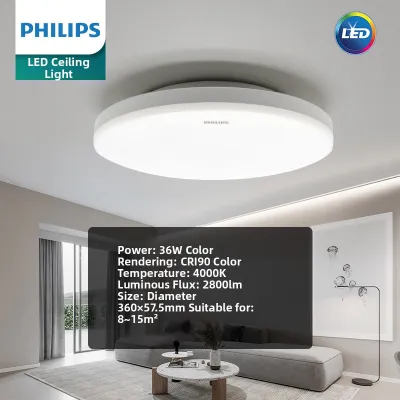
HDB flats present unique structural characteristics that dictate your lighting choices. Most HDB living rooms feature a floor-to-ceiling height of approximately 2.6 to 2.8 meters. This relatively low clearance immediately rules out long, dangling chandeliers or bulky multi-tiered fixtures, which can make the living room feel cramped and interfere with daily movement. To maintain an open, airy feel, your chosen brand must offer low-profile or flush-mount designs that sit close to the concrete ceiling.
Natural light availability and room orientation also play a critical role in determining your lighting needs. For instance, north-south facing units generally receive consistent, indirect sunlight, whereas east-west facing units may experience intense afternoon heat and glare followed by rapid darkening in the evening. You must calculate the required lumen output based on your living room’s floor area. A standard HDB living room typically requires around 3,000 to 5,000 lumens of total light output to ensure adequate illumination for activities ranging from reading to hosting guests. Brands that offer adjustable brightness and color temperature allow you to adapt the indoor ambiance as natural light shifts throughout the day.
Products mentioned in this guide
![ONS 18W/24W/36W/48W LED Magnetic Ceiling Light 6500K Round/Square/Tri-Tone LED Ceiling Light [Singapore Home Grown Brand]](https://img.lazcdn.com/g/p/4ee96a0041eca859bcf3b72390759725.png_400x400q80.png_.webp)
Prices are valid at publication and may change. Please refer to the product page for the latest price.
Furthermore, you must work within the constraints of your existing electrical infrastructure. HDB ceilings are made of solid, reinforced concrete. This means that adding new wiring points or relocating existing ones is a labor-intensive process that usually requires surface-mounted plastic trunking or the installation of a false ceiling to conceal the wires. Before purchasing a fixture, locate your existing junction boxes and ceiling rose points. You must verify that the mounting bracket of the brand’s fixture aligns with standard local junction box dimensions to avoid drilling unnecessary holes into the concrete.
Core Criteria for Evaluating Ceiling Light Brands
When comparing different lighting brands in Singapore, the quality of the internal components—specifically the LED driver—should be your primary consideration. The driver regulates the electrical current flowing through the LED chips. Low-quality drivers are prone to overheating, which leads to premature failure, flickering, and inconsistent light output. Reputable brands invest in high-grade drivers that manage heat dissipation effectively, ensuring the fixture achieves its rated lifespan of 15,000 to 30,000 hours.

Local warranty coverage is another essential benchmark of a brand’s reliability. You should look for brands that offer at least a 1-to-3-year local warranty that covers both the LED driver and the integrated LED board. Ensure that the warranty is backed by an established local distributor or a physical service center in Singapore. This guarantees that if a component fails, you can easily obtain a replacement driver or diffuser without having to discard the entire fixture or wait weeks for overseas shipping from an online marketplace.
Electrical safety compliance is non-negotiable for fixed wiring installations. In Singapore, you must verify that the ceiling light’s driver or the complete fixture carries the Safety Mark issued by Enterprise Singapore. This certification indicates that the product has been tested and declared safe for use with the local grid voltage of 220V-240V at 50Hz. Avoid unbranded or parallel-imported fixtures that lack this mark, as they may not feature adequate short-circuit, overload, or over-temperature protection, posing a fire hazard in your home.
Matching Light Fixture Types to HDB Living Rooms
Reputable ceiling light brands typically offer a variety of fixture types designed to address different spatial challenges. For the typical HDB living room with a standard 2.6-meter ceiling, flush-mount LED panels and ultra-slim ceiling lights are highly recommended. These fixtures usually have a depth of less than 5 centimeters, allowing them to blend seamlessly into the ceiling plane. This maximizes vertical headroom and distributes light evenly across the room, eliminating dark corners and reducing harsh shadows.
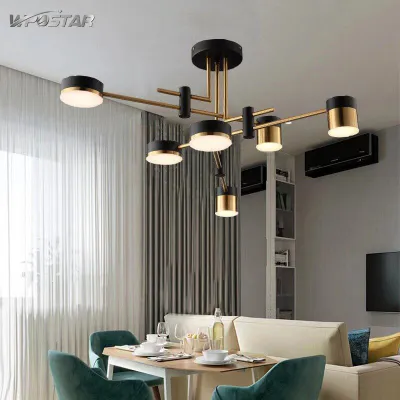
If your living room has a slightly higher ceiling or if you have installed a partial false ceiling, semi-flush mount fixtures can be an excellent alternative. These lights hang slightly below the ceiling, creating a subtle gap that allows light to reflect off the ceiling surface. This indirect bounce of light can make the living room feel taller and more spacious. When choosing a semi-flush mount, verify the overall drop height of the fixture to ensure it leaves at least 2.3 meters of clear headroom from the floor.
For homeowners interested in smart home integration, evaluating a brand’s smart lighting ecosystem is crucial. Many leading brands offer smart ceiling lights that connect via Wi-Fi, Bluetooth, or Zigbee protocols. Before committing to a brand, verify whether its smart system integrates natively with your preferred smart home platform, such as Apple Home, Google Home, or Samsung SmartThings. A reliable smart ceiling light brand should provide a stable mobile application, support smooth dimming without buzzing, and allow you to save customized lighting scenes for different times of day.
Comparing Brand Offerings: What to Check Before Buying
Before making a final purchase, you should perform a side-by-side comparison of specific models using their official specification sheets. Pay close attention to the Color Rendering Index (CRI), which measures how accurately a light source reveals the true colors of objects compared to natural sunlight. For a living room, where you spend significant time relaxing and socializing, choose a brand that specifies a CRI of 80 or higher. A higher CRI ensures that your home decor, furniture, and food look vibrant and natural.
Another key specification is the Ingress Protection (IP) rating, especially if your living room is adjacent to an open balcony or a kitchen where moisture and dust can migrate. While a standard indoor rating of IP20 is sufficient for most dry living areas, choosing a fixture with an IP44 rating provides extra protection against dust ingress and minor water splashes. This is particularly useful in Singapore’s humid tropical climate, as it prevents small insects and dust from accumulating inside the diffuser, which can cause unsightly dark spots over time.
Additionally, examine the quality of the diffuser material. High-quality brands use optical-grade PMMA (acrylic) or polycarbonate diffusers that are treated to resist yellowing under prolonged exposure to heat and UV light. A well-designed diffuser should distribute light evenly across its entire surface without showing hot spots (visible individual LED chips). It should also be easy to detach, allowing you to wipe away dust during routine cleaning without risking damage to the internal wiring.
Installation, Safety, and Maintenance Boundaries
Installing or replacing a ceiling light involves working with fixed electrical wiring, which carries inherent safety risks. Before undertaking any inspection, cleaning, or installation work, you must isolate the power supply. Turn off the corresponding miniature circuit breaker (MCB) at your home’s main distribution board, and use a reliable non-contact voltage tester to confirm that the wires are completely dead before touching them. Never rely solely on the wall switch to isolate the power.
Mounting a fixture onto an HDB concrete ceiling requires proper tools and techniques. Because concrete is extremely hard, you must use a rotary hammer drill equipped with a masonry drill bit of the correct diameter. Standard impact drills are often insufficient and can damage the ceiling surface. You must insert high-quality wall plugs (rawl plugs) that match the screw size and ensure they are fully seated in the concrete. If you are planning to install a heavy fixture, such as a large semi-flush mount or a ceiling fan with integrated light, you must verify that the ceiling structure and mounting hardware can safely support the load. For any complex installations, fixed wiring connections, or work at height, you should hire a licensed electrical worker (LEW) to ensure compliance with local electrical standards.
Routine maintenance is key to preserving the performance of your ceiling light. To clean the fixture, turn off the power and wipe the exterior diffuser with a dry, lint-free microfiber cloth. Avoid using wet cloths, abrasive pads, or harsh chemical solvents, which can degrade the plastic diffuser or seep into the electrical housing. If you observe signs of electrical malfunction—such as persistent flickering, a humming or buzzing noise, or a burning smell—immediately turn off the wall switch and isolate the power at the distribution board. Do not attempt to repair the internal driver or LED board yourself; consult the manufacturer’s troubleshooting guide or contact a qualified professional to inspect the unit.
Frequently Asked Questions (FAQ)
Can I install a heavy chandelier instead of a standard ceiling light in an HDB living room?
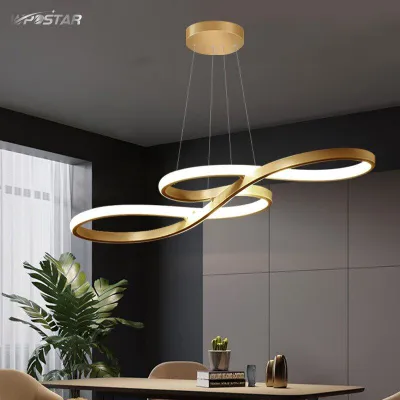
While it is structurally possible to install a chandelier on an HDB concrete ceiling, you must adhere to strict safety limits. HDB ceilings are solid concrete and can support significant weight, but only if you use the correct heavy-duty expansion anchors or metal rawl plugs instead of standard plastic plugs. You must check the total weight of the chandelier against the manufacturer’s specifications and ensure the mounting bracket is rated for that specific load. Furthermore, because of the standard 2.6-meter ceiling height in most flats, a low-hanging chandelier can create a physical obstruction and make the room feel visually cramped. If the fixture is heavy, complex, or requires structural reinforcement, you should engage a qualified professional or a licensed electrician to handle the installation safely.
Do ceiling light brands matter if I just buy a standard LED panel?
Yes, the brand matters significantly even for a basic LED panel. While generic or unbranded LED panels may look identical on the outside, they often use low-grade internal components to reduce costs. The most critical component is the LED driver; unbranded fixtures frequently use cheap drivers that lack proper thermal management, leading to rapid degradation, flickering, and early failure. Established brands provide certified drivers that comply with local safety standards, offer accurate Color Rendering Index (CRI) ratings, and maintain consistent color temperatures. Additionally, buying from a reputable brand ensures you receive a valid local warranty, meaning you can easily obtain replacement parts or support if the light fails, rather than having to replace the entire fixture.

Community discussion
Share your experience or ask a question. Comments are reviewed before publication.